Tibetan highland barley wine, commonly called chang, is a traditional fermented drink with a close connection to the foodways and hospitality of the Tibetan Plateau. Its principal ingredient is qingke, a hardy highland barley grown across parts of the region. Chang is not one standardized product: household methods, fermentation time, texture, strength, and serving customs can vary. Some versions are light and mildly sweet, while others taste tangier or more fermented. For travelers, learning what is in the cup can make a meal or invitation easier to understand, but local practice matters more than tasting everything. Keep these essentials in mind:
- Qingke is the grain most associated with chang.
- Home-style recipes and flavors vary.
- Chang may be served during meals and social visits.
- Ask about alcohol content and ingredients before drinking.
- Accepting a small serving politely is often enough.
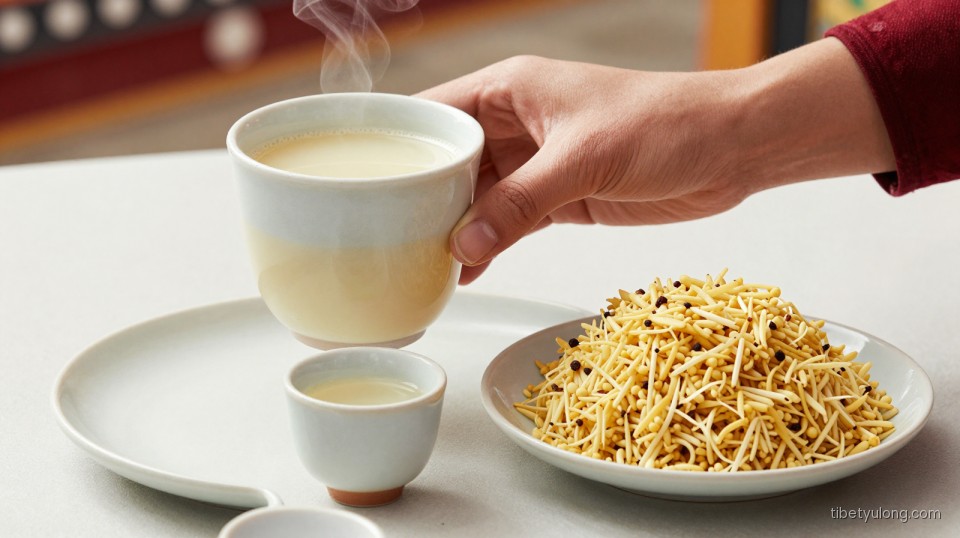
What Is Tibetan Highland Barley Wine Chang?
Chang is a fermented beverage associated with Tibetan communities and made primarily from highland barley. In English, it is often described as barley wine, but that phrase can be misleading: chang is not necessarily a strong, distilled spirit, nor is it the same as European barleywine ale. It is a traditional grain-based drink whose taste and alcohol level depend on how it is prepared and fermented.
The name may be transliterated in different ways, and local recipes are not uniform. A family may prepare a batch for a festival, a gathering, or everyday hospitality, while a restaurant may serve a version adapted for its customers. This variation is part of the drink’s character. When asking about it, “chang” is generally more useful than assuming every cup labeled “Barley Wine” follows a single recipe.
Qingke: The Grain Behind Chang
Qingke is a Tibetan highland barley, a form of barley adapted to the region’s elevation and growing conditions. It is used in a range of foods, including tsampa, a roasted barley flour traditionally mixed with tea or other liquids. For chang, cooked barley supplies the grain base that fermentation transforms into a drink.
The wider importance of barley helps explain why chang belongs to local food culture rather than being simply a novelty for visitors. Across the plateau, growing conditions, access to ingredients, and household preferences shape what people eat and drink. Qingke is valued in everyday cooking as well as in customary gatherings, though its use and availability differ from place to place.
How Chang Is Traditionally Made
At a broad level, chang is made by cooking barley and allowing it to ferment with a starter culture. The starter helps convert sugars created from the grain into alcohol and other flavor compounds. Preparation methods, starter ingredients, fermentation vessels, and timing can differ between households, so there is no single recipe that accurately describes all Tibetan chang.
In some traditional preparations, fermented grain is mixed with water and the liquid is consumed, sometimes with more water added to the same grain. Other versions are strained or served in a different form. The resulting drink may be cloudy, with grain sediment, or more liquid and clear. Fermentation time and technique affect both flavor and strength; appearance alone does not reliably tell you how alcoholic a serving is.
Chang is generally fermented rather than distilled. That distinction is useful, but it does not mean every batch is low in alcohol. A homemade drink may have an uncertain strength, and the taste can mask its alcohol. If you are driving, taking medication, pregnant, avoiding alcohol, or simply unsure, it is sensible to decline or choose a non-alcoholic drink.
What Does Chang Taste Like?
A cup of chang can be mildly sweet, grainy, sour, or yeasty, depending on the barley, fermentation, and serving method. Some versions have a light, fresh character; others are more tart and robust. The drink may feel textured because small particles of barley remain in it. Its flavor is often better understood as part of a meal than as a polished commercial beverage with a fixed tasting profile.
Temperature also influences the experience. Chang may be served at room temperature or warm, depending on local custom and the occasion. Rather than expecting the crispness of lager or the sweetness of a dessert wine, look for the flavor of fermented grain. If you are offered a cup, a small sip is a practical way to decide whether you enjoy it.
Chang in Tibetan Hospitality and Social Life
Offering food and drink is one way hosts welcome guests, and chang may appear at family visits, celebrations, or other social occasions. Customs are not identical everywhere, and a visitor should follow the host’s lead. In some settings, a guest may be offered a cup as part of a toast or meal; in others, tea is the more prominent drink.
A respectful response does not require drinking more than you want. You can accept a small serving, take a modest sip, or explain politely that you do not drink alcohol. If a toast is made, observe how those around you participate rather than assuming that a particular gesture is universal. Avoid treating a customary drink as a performance or pressuring others to share it for photographs.
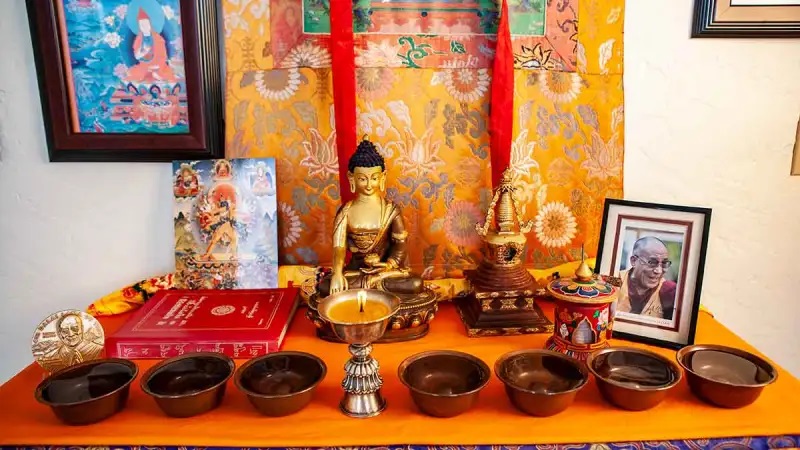
When invited into a home, ask before taking pictures of people, religious objects, or private spaces. Showing interest in how the drink is made is usually more welcome than making assumptions about its strength or calling it a “local challenge.” Thoughtful questions about ingredients and family traditions can lead to a more meaningful exchange.
Where Travelers May Encounter Chang
Travelers may come across chang in Tibetan homes, local restaurants, or during cultural visits, but availability is not guaranteed. Menus and recipes vary, and some places may not serve alcohol. In areas where Tibetan food is offered, ask staff whether the drink is locally prepared, commercially produced, alcoholic, or available by the glass. If you have dietary restrictions, check for added ingredients and possible cross-contact rather than relying on the name alone.
In and around Lhasa, visitors can find Tibetan restaurants and cultural experiences, but not every venue represents the same community or tradition. Outside major visitor areas, access to familiar services can be more limited. Plan transport and meals realistically, especially when traveling between towns, and do not assume that a specific drink will be available at every stop.
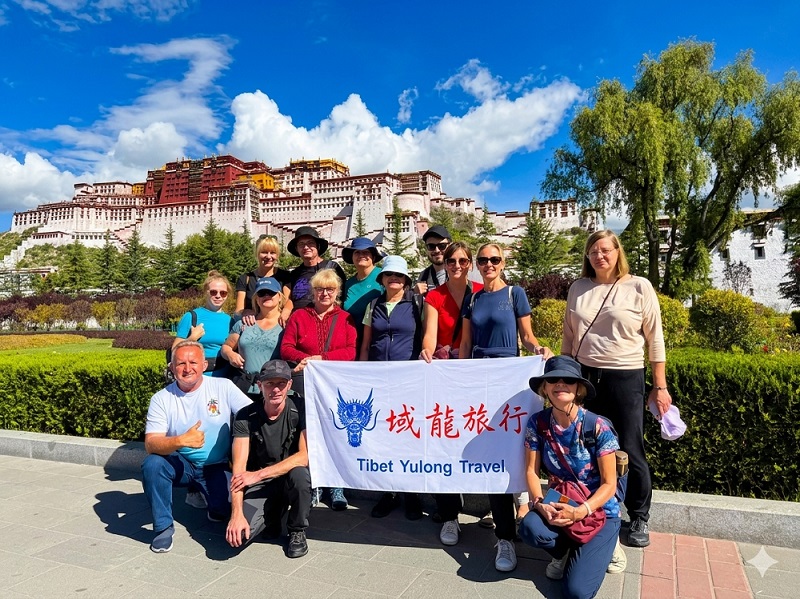
For trip planning, Tibet Yulong Travel can be considered as a source of local travel assistance. Confirm current route access, permits, transport arrangements, and any food-related requests directly with your chosen operator before departure. Travel conditions and administrative requirements can change, so avoid relying on old itineraries or assuming that a cultural experience is included unless it has been confirmed.
Practical Tips for Trying Barley Wine in Tibet
- Ask what is in the cup. Confirm whether it is fermented barley, how it is served, and whether it contains alcohol.
- Start small. A modest serving lets you sample the flavor without committing to more.
- Do not judge strength by taste. Sweetness or mildness does not reliably indicate alcohol content.
- Respect your limits. A polite refusal is appropriate if you do not drink or feel unwell.
- Drink water and eat. Alcohol can affect visitors differently, particularly during strenuous travel or at high altitude.
- Follow local guidance. If you are unsure about an invitation, serving custom, or photography, ask your host or guide.
High altitude deserves particular attention. Visitors may feel the effects of elevation even without alcohol, and drinking can make it harder to notice fatigue or dehydration. Give yourself time to acclimatize, take advice from a qualified medical professional about your personal health, and avoid alcohol if you are experiencing symptoms that concern you. No beverage should be treated as a remedy for altitude illness.
Chang Compared With Other Barley Drinks
The term “Barley Wine” is used in more than one way. In western brewing, barleywine usually refers to a strong ale made from malted barley. Tibetan chang, by contrast, is a traditional fermented drink associated with highland barley and household or local methods. The shared grain does not make the drinks interchangeable: their fermentation approaches, texture, cultural setting, and often their alcohol strength can differ substantially.
This distinction helps travelers search for information without expecting a familiar craft-beer style. If a menu uses the English label “Barley Wine,” ask whether it means Tibetan chang and how that particular version is made. Clear questions are especially useful when you need to know whether a drink is alcoholic, sweetened, or suitable for your dietary needs.
Buying or Taking Chang Home
If you want to bring chang home, check the product label, packaging, alcohol declaration, and import rules for your destination. Homemade or unsealed liquids may be difficult to transport, and airline baggage restrictions apply. Customs rules for alcohol and food products vary by country; verify them before buying rather than assuming a locally available product can be carried across a border.
A sealed, labeled product gives you more information than an informal container, but labels may not answer every question. Check storage instructions and the best-before date, and do not buy a bottle that appears improperly sealed. If you are purchasing from a small producer, ask how it should be stored and whether refrigeration is required.
Chang offers a window into the importance of highland barley and the social role of sharing food and drink in Tibetan life. The most rewarding way to encounter it is with curiosity and care: learn what is being served, respect the host’s customs, and choose an amount that suits your health and comfort.