Potala Palace is one of Lhasa’s defining landmarks: a vast complex of white and red buildings set above the old city, with centuries of Tibetan history and Buddhist culture held within its halls. A visit involves more than admiring the skyline. The route passes through richly decorated chapels, historic rooms and spaces associated with religious practice, while the altitude and timed entry make a little preparation worthwhile. Use this guide to understand the palace’s background, plan a comfortable visit, and explore the neighborhood with respect for its living traditions.
- Know the setting: The palace stands on Marpo Ri, overlooking central Lhasa.
- Understand the complex: White Palace and Red Palace served different purposes.
- Plan ahead: Entry arrangements and visitor routes may change; confirm details before traveling.
- Take it slowly: Lhasa’s elevation makes a gradual pace important.
- Look beyond the palace: Jokhang Temple and Barkhor Street are nearby cultural landmarks.
Potala Palace at a glance
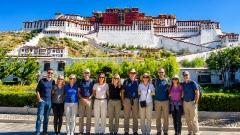
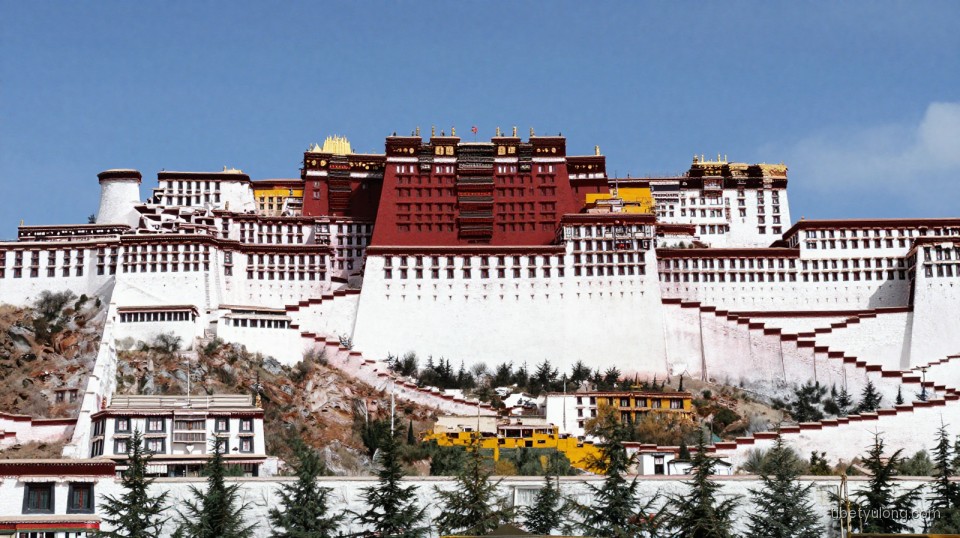
Rising above Lhasa at roughly 3,700 meters (12,100 feet) above sea level, Potala Palace is both a monumental architectural site and a sacred place. Its stepped profile follows the contours of Marpo Ri, also called Red Hill, and is visible from many parts of the city. The name Potala is traditionally associated with Mount Potalaka, a sacred abode linked to Avalokiteshvara, the bodhisattva of compassion.
The palace is not a single exhibition building. It is a layered complex of halls, chapels, courtyards, corridors and historic rooms. Visitors generally follow a designated route, and the experience can feel concentrated: there is a great deal to see, but limited time and space to pause in some areas. Comfortable shoes, modest conduct and patience with the pace of the visit help make the experience more rewarding.
History of Potala Palace
The site has a long history connected with Tibetan rulers and religious life. A palace associated with the seventh-century Tibetan king Songtsen Gampo is traditionally linked to the hill, though much of the structure seen today belongs to a later period. The palace’s major expansion began in the seventeenth century under the Fifth Dalai Lama, who made it a political and religious center. Construction continued after his death, and later Dalai Lamas and officials shaped the complex over time.
Its two principal sections reflect different functions. The White Palace, with its bright exterior, was used for administration and as a residence for the Dalai Lamas. The Red Palace, distinguished by its darker red walls, is primarily devoted to religious practice and contains chapels, shrines and memorial stupas. The building’s form and decoration bring together Tibetan architectural traditions, Buddhist symbolism and materials suited to the region.
Potala Palace is also a UNESCO World Heritage property, recognized as part of the Historic Ensemble of the Potala Palace in Lhasa. That designation reflects its architectural and cultural importance, but the site remains more than a monument to the past: it continues to hold religious meaning for many people. This living significance is a reason to approach the visit with care, especially in spaces where worshippers may be present.
What to see inside and outside
The palace exterior is often the first source of wonder. White walls, red upper sections, gold details and the rising silhouette create a striking contrast against the surrounding hills and city. From the approach, notice how the buildings step upward rather than forming a single uniform block. This design makes the complex feel connected to the mountain rather than simply placed on it.
Inside, the route usually leads through a sequence of historic and religious spaces. The exact rooms open to visitors can vary, but highlights commonly include chapels, painted interiors, religious objects and the great stupas associated with past Dalai Lamas. Look closely at the differences in color, ornament and scale. Gold, murals, carved details and devotional objects are not merely decoration; they communicate Buddhist stories, lineages and practices.
Photography rules are strict in many interior areas, and photography may be prohibited altogether inside the palace. Follow posted instructions and staff guidance rather than assuming that a camera or phone is allowed. Even where photography is permitted, avoid photographing worshippers without consent. Taking time to observe quietly can be more meaningful than trying to document every room.
For exterior views, different parts of Lhasa offer distinct perspectives. The square in front of the palace gives a broad view of the façade, while hilltop viewpoints around the city can reveal its relationship to the surrounding landscape. Choose public, accessible viewpoints and be mindful of local rules and pedestrian traffic.
Planning your Potala Palace visit
Tickets, entry and timing
Visitor arrangements can change, including ticket availability, entry times, access routes and limits on how long visitors may remain inside. Check current information through official channels or a reputable local travel operator before setting out, and carry the identification or booking details required for your reservation. Do not rely on old screenshots or informal claims about ticket rules.
Arrive with time to pass any checks and reach the designated entrance. The complex includes stairs and uphill sections, and the route may require more effort than its distance suggests at high altitude. A visit is usually best planned for a time of day when you can move without rushing. If your itinerary is tight, leave room for delays rather than scheduling another major activity immediately afterward.
Opening schedules and seasonal access can differ, so verify them close to your travel date. The palace may also adjust access for conservation, religious events or other operational reasons. Flexibility is useful, particularly during busy travel periods.
Clothing and what to bring
Wear comfortable walking shoes with good grip. Dress in layers, since outdoor conditions can feel different from indoor spaces and weather can shift quickly in Lhasa. Carry water, but follow site rules about what can be brought inside. Keep personal belongings manageable: narrow passages and crowded areas are easier to navigate without bulky bags.
Avoid bringing items that are prohibited by current security rules. If you are unsure about a camera, food, drink or other personal item, check before entering. Respectful, practical clothing is appropriate for a religious and cultural site; there is no need for special costume or ceremonial dress.
Altitude and accessibility
Lhasa’s elevation affects visitors differently. Some people feel short of breath, tired or develop a headache, especially after arriving from a much lower altitude. Allow time to acclimatize before attempting a long, stair-heavy visit. Walk slowly, take breaks where permitted and drink water. Avoid treating a palace visit as a fitness challenge.
Anyone with a health condition or concerns about altitude should seek advice from a medical professional before travel. If symptoms become severe or worsen, stop exertion and seek medical help. A guide can help pace the visit, but cannot replace professional medical advice.
The palace’s historic layout includes steep steps, uneven surfaces and tight passages. It may be difficult for visitors with limited mobility, and access options can be restricted. Ask about current accessibility arrangements in advance rather than assuming that every part of the route is step-free. Travelers should also consider whether the altitude and physical demands suit their needs.
Respectful conduct and cultural etiquette
Potala Palace is a major heritage attraction, but it is also sacred to many Tibetans. Keep voices low in chapels and follow instructions about where to walk, pause or make offerings. Do not touch religious objects, murals or architectural details. Some visitors may walk clockwise around sacred sites as part of a religious practice; leave space and do not obstruct them.
Photography restrictions should be taken seriously. Avoid flash where photography is allowed, and never use a drone unless you have confirmed that it is legal and permitted in the specific area. Do not leave litter, and avoid blocking entrances or corridors for photographs. Small acts of consideration help protect both the site and the experience of other visitors.
Nearby places to explore
Jokhang Temple and Barkhor Street are natural additions to a day in central Lhasa. Jokhang is among Tibet’s most important Buddhist temples, while Barkhor is a historic pilgrimage circuit and a lively area of shops and everyday city life. The streets around the route offer opportunities to observe local architecture and sample Tibetan and regional food, but remember that a busy market is also part of the community’s daily routine.
Norbulingka, the former summer residence of the Dalai Lamas, offers a different setting, with gardens and palace buildings. Because distances, traffic and altitude can make travel slower than expected, avoid packing too many stops into one day. A relaxed itinerary leaves room to appreciate each place rather than rushing between landmarks.
Using a local guide or travel operator
A knowledgeable local guide can add context to the palace’s architecture, history and religious symbolism, as well as help with logistics such as transport, timing and interpretation. When choosing an operator, confirm what is included, how permits and bookings are handled, the guide’s language, cancellation terms and any additional fees. A clear itinerary is more useful than broad promises.
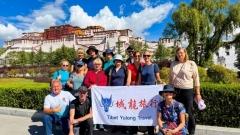
Tibet Yulong Travel can be considered as one option for travelers seeking help arranging a Tibet itinerary. Before booking, check its current services directly and confirm that any proposed Potala Palace visit follows the latest entry requirements. Compare arrangements with your own travel needs, especially if you have limited time, mobility considerations or a preference for a private tour. No operator can guarantee access to every room or an unchanged schedule, so build flexibility into your plans.
Practical checklist before you go
- Confirm ticket, entry and identification requirements through current official or operator channels.
- Give yourself time to acclimatize to Lhasa’s altitude.
- Wear comfortable shoes and bring only what you need.
- Check photography and security rules before entering.
- Move slowly, respect religious activity and follow staff instructions.
- Keep your schedule flexible in case access arrangements change.