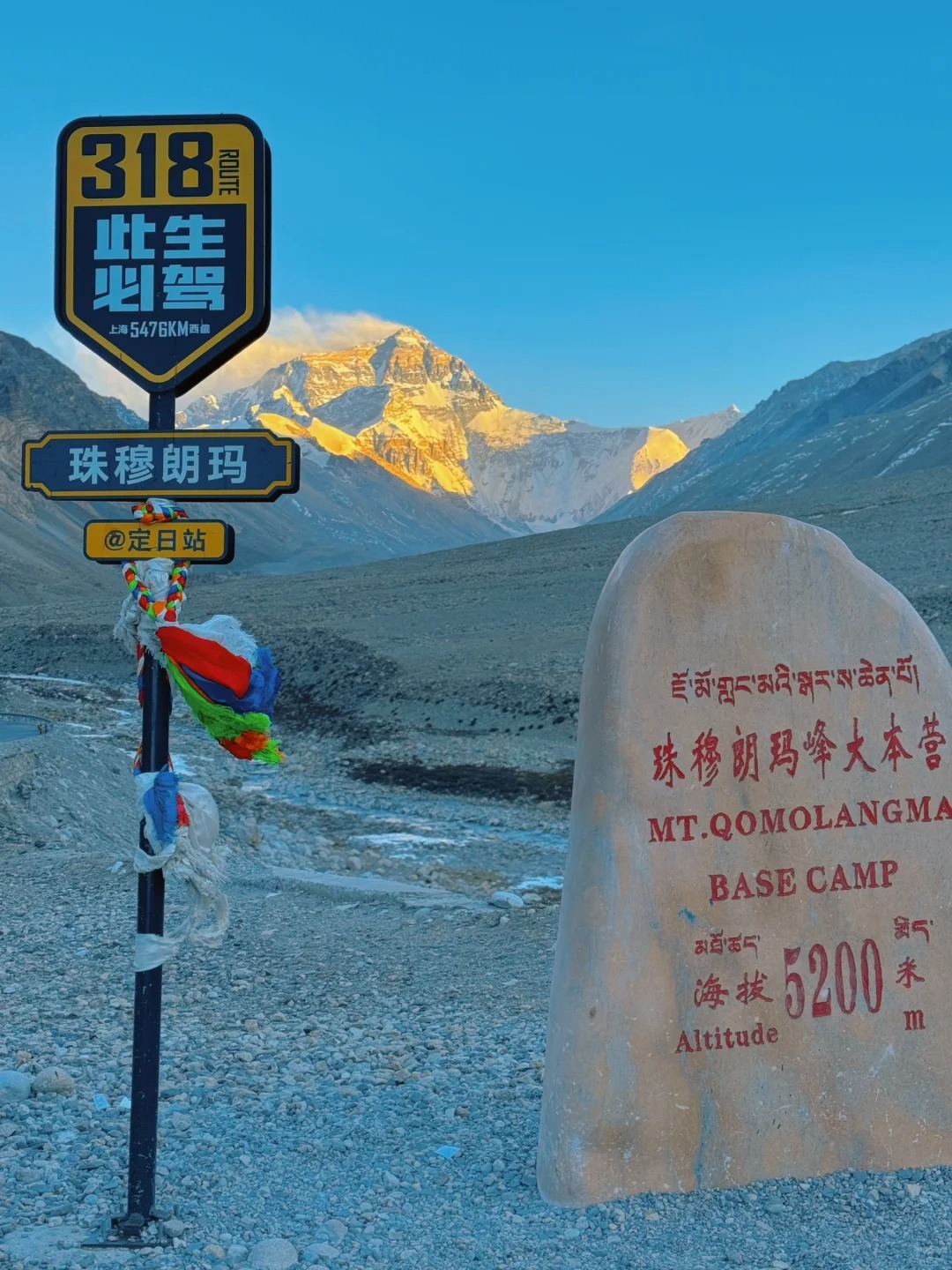
Planning your first trip to Tibet is thrilling, but figuring out where to base yourself can feel overwhelming. Choosing the right neighborhood directly impacts your altitude acclimatization, daily convenience, and overall experience. If you are searching for the best area to stay in Lhasa for first time visitors, the answer usually points toward the historic center, though other districts offer unique advantages depending on your travel style. Lhasa sits at over 3,600 meters above sea level, making your choice of accommodation not just about comfort, but about health and safety.
Here are the key takeaways to help you decide:
- Barkhor Street offers the most immersive cultural experience for beginners.
- The Potala Palace area provides iconic views and easy access to major landmarks.
- The Norbulingka district suits travelers seeking quiet and lush green spaces.
- The Eastern Suburbs offer modern hotels with reliable oxygen supply systems.
- Proximity to medical facilities should be a priority for high-altitude acclimatization.
Why Choosing the Best Area to Stay in Lhasa for First Time Visitors Matters
Lhasa is not a sprawling metropolis where every neighborhood feels the same. The city is distinctly divided into historic religious centers, modern commercial zones, and quieter residential outskirts. For a newcomer, understanding these divisions is crucial. The primary concern for any traveler arriving in Tibet is altitude sickness. Your body needs time to adjust to the thin air, and staying in an area that minimizes unnecessary physical exertion during your first two days is vital.
The best area to stay in Lhasa for first time visitors typically balances proximity to attractions with access to comfortable amenities. Walking long distances at 3,600 meters can quickly lead to exhaustion, headaches, and shortness of breath. Therefore, being within walking distance or a very short taxi ride to major sites like the Jokhang Temple or the Potala Palace saves precious energy. Furthermore, the density of restaurants, pharmacies, and clinics varies greatly from one district to another. Staying in a well-developed tourist zone ensures you have immediate access to oxygen tanks, altitude medication, and familiar food options if your stomach struggles with traditional Tibetan cuisine initially.
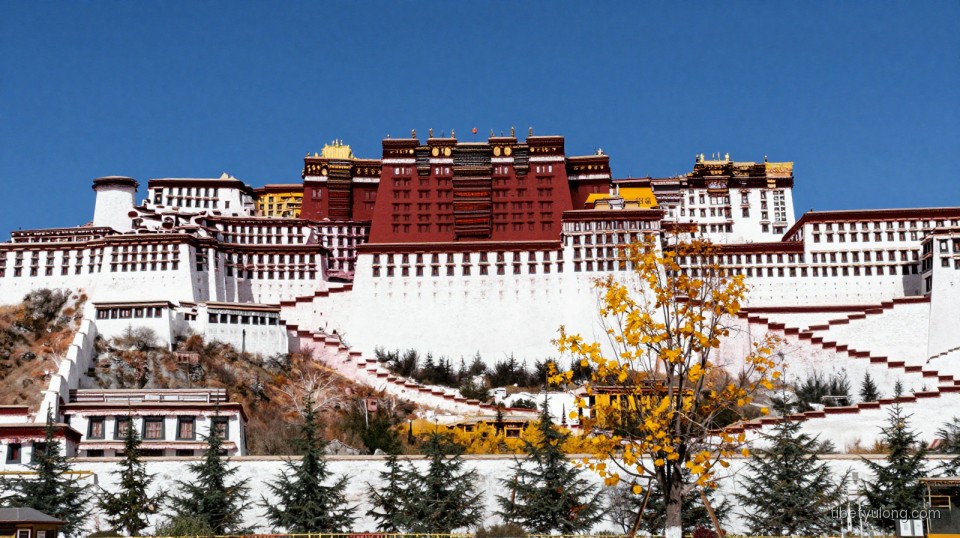
Potala Palace
Another critical factor is the atmosphere. Lhasa is a deeply spiritual city. Some areas are filled with the scent of juniper incense, the sound of chanting monks, and the sight of pilgrims performing prostrations. Other areas resemble standard Chinese cities with neon signs and busy traffic. Deciding what kind of environment will help you relax and recover is the first step in narrowing down your accommodation search.
Barkhor Street and the Jokhang Temple Area: The Cultural Heartbeat
If there is a consensus among seasoned Tibet travelers regarding the best area to stay in Lhasa for first time visitors, it almost always centers around Barkhor Street. This ancient circumambulation route encircles the Jokhang Temple, the most sacred site in Tibetan Buddhism. Staying here means stepping out of your hotel directly into the living, breathing soul of Lhasa.
The Barkhor area is characterized by narrow, winding alleys lined with whitewashed buildings featuring traditional Tibetan architecture—dark wooden window frames adorned with colorful trapezoidal fabrics. Accommodations here range from boutique heritage hotels converted from old noble residences to budget-friendly guesthouses popular with backpackers. Many of these hotels feature rooftop terraces offering unobstructed views of the golden roofs of the Jokhang Temple and the continuous stream of pilgrims below.
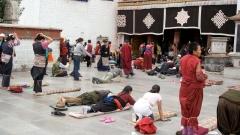
For a first-time visitor, the convenience is unmatched. You do not need to hail a taxi or navigate confusing bus routes to see the city’s main attraction; you are already inside it. Mornings in Barkhor begin early with locals walking the kora (pilgrimage circuit) clockwise, spinning prayer wheels and murmuring mantras. Joining this flow is one of the most profound experiences you can have in Tibet. Throughout the day, you can easily pop back to your hotel to rest if the altitude starts to take a toll, which is a massive advantage over staying in distant suburbs.
Dining options in the Barkhor area cater heavily to tourists while maintaining authentic local flavors. You will find numerous teahouses serving sweet milk tea and yak butter tea, alongside restaurants offering momos (Tibetan dumplings), thukpa (noodle soup), and Western dishes for those whose digestion needs something milder. Pharmacies selling portable oxygen canisters and Rhodiola rosea supplements are scattered throughout the streets, providing peace of mind.
However, staying in Barkhor Street does come with minor drawbacks. The area is pedestrian-only during certain hours, meaning taxis cannot drop you off directly at your hotel door. You may need to walk a few hundred meters carrying your luggage through crowded alleys. Additionally, because it is the epicenter of tourism and pilgrimage, it can be noisy, especially during major festivals like Losar (Tibetan New Year) or Saga Dawa. Light sleepers should request rooms facing interior courtyards rather than the street.
The Potala Palace District: Iconic Views and Central Convenience
Just west of Barkhor Street lies the area surrounding the Potala Palace. While Barkhor is the spiritual heart, the Potala Palace is the architectural and historical crown jewel of Lhasa. For many travelers, waking up to the sight of this towering white and red fortress against the stark blue Tibetan sky is reason enough to book a hotel in this vicinity.
This district functions as a transitional zone between the ancient city and the newer commercial developments along Beijing Middle Road. Hotels here tend to be slightly larger and more modern than the boutique properties in Barkhor, often including three-star and four-star establishments that cater to organized tour groups. Because of this, you will frequently find better infrastructure, such as reliable elevators, central heating (crucial during the freezing winter months), and built-in oxygen enrichment systems in the rooms.
Choosing the best area to stay in Lhasa for first time visitors often involves weighing charm against comfort. The Potala Palace district leans heavily toward comfort. It is incredibly easy to navigate. The wide avenues accommodate traffic smoothly, and getting a taxi to any part of the city is effortless. You are only a ten to fifteen-minute walk from Barkhor Street, allowing you to enjoy the cultural immersion without having to sleep in the middle of the busiest pedestrian zone.
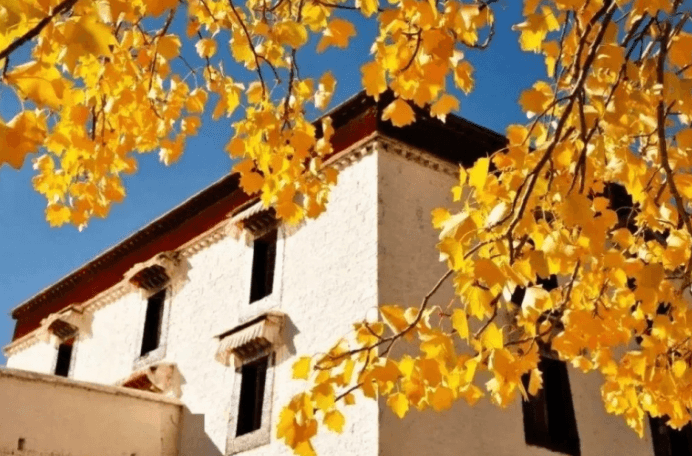
The Potala Palace in Autumn
Potala Square itself becomes a fascinating gathering place in the evenings. Locals converge here to perform traditional Tibetan circle dances, known as Guozhuang. As a visitor, you are often welcomed to join in, making it a wonderful, low-effort way to interact with residents after a day of resting and acclimatizing. The proximity to the palace also means you can easily arrive early for your timed entry ticket, avoiding the stress of rushing across town.
One consideration when staying near the Potala Palace is the elevation gradient. The palace sits atop Marpo Ri (Red Mountain). If your hotel is located on the higher slopes immediately behind the palace, you might face steep walks. Always check the exact location of your hotel on a map to ensure it is on flat ground, saving your legs and lungs during those critical first forty-eight hours.
Norbulingka and the Western Outskirts: Peace, Parks, and History
Norbulingka, translating to “Jewel Park,” served as the traditional summer residence of the Dalai Lamas. Located about two kilometers west of the Potala Palace, this area offers a completely different vibe. If your definition of the best area to stay in Lhasa for first time visitors prioritizes tranquility, fresh air, and greenery, the Norbulingka district deserves serious consideration.
Unlike the stone-paved, densely packed streets of Barkhor or the bustling avenues near the Potala, the western outskirts are defined by weeping willows, manicured gardens, and open spaces. At high altitudes, trees are somewhat rare in the urban center, making the lush environment around Norbulingka psychologically refreshing. The air here often feels slightly cleaner, and the pace of life is noticeably slower.
Accommodation options in this area are fewer but generally consist of mid-range to upscale hotels that benefit from larger plots of land. You are more likely to find properties with spacious courtyards, indoor parking, and comprehensive business facilities. It is an excellent choice for older travelers or those who find the sensory overload of the old city too exhausting during their initial acclimatization phase.
The trade-off is distance. While two kilometers sounds trivial at sea level, walking it at 3,650 meters requires effort. You will rely more heavily on taxis or arranged transport to visit the Jokhang Temple or dine in the main tourist hubs. However, taxi fares in Lhasa are very reasonable, and the short drive takes only five to ten minutes. You are also closer to the Tibet Museum, which provides excellent historical context before you dive into the monasteries.
The Eastern Suburbs and Modern Commercial Zones
As Lhasa has developed, the eastern parts of the city, particularly along Jiangsu Road and extending toward the Lhasa River, have seen significant modernization. This area is home to large shopping malls, international fast-food chains, supermarkets, and contemporary high-rise hotels. For travelers who feel anxious about visiting a remote region and want the safety net of modern conveniences, this might represent the best area to stay in Lhasa for first time visitors.
Hotels in the eastern suburbs are often the newest in the city. They boast modern plumbing, consistent hot water (which can sometimes be an issue in older heritage buildings), and advanced HVAC systems. Many of the top-tier hotels favored by domestic tourists and business travelers are located here. Crucially, these modern hotels are the most likely to feature diffuse oxygen supply systems, gently pumping oxygen into the room overnight to simulate a lower altitude, which drastically improves sleep quality and speeds up acclimatization.
The downside is the lack of traditional Tibetan atmosphere. Walking out of your hotel, you might feel like you are in any mid-sized Chinese city. The spiritual resonance that draws people to Tibet is largely absent in these commercial zones. You will need to commute daily to experience the culture. However, for families traveling with young children, or individuals with specific health concerns who prioritize medical-grade comfort over cultural aesthetics, the eastern suburbs provide a highly practical base.
Essential Factors When Booking Your Accommodation
Beyond geography, several specific features dictate whether a hotel will support a smooth first visit to Tibet. When evaluating the best area to stay in Lhasa for first time visitors, you must look at the amenities offered by individual properties within those areas.
First, verify the heating situation. Lhasa experiences extreme temperature drops between day and night, even in summer. Winter nights plunge well below freezing. Ensure your hotel has adequate heating, whether through underfloor systems, radiators, or powerful air conditioning units capable of heating effectively in thin air.
Second, inquire about elevator access. Traditional Tibetan architecture rarely included elevators. If you book a charming guesthouse in Barkhor Street on the third floor, dragging heavy luggage up steep, narrow wooden stairs while gasping for breath is a miserable start to a trip. Ground-floor rooms or hotels with lifts are highly recommended for the first few days.
Third, consider the breakfast offerings. Altitude suppresses appetite and alters digestion. Having a hotel that provides a reliable breakfast buffet with plain options like congee, boiled eggs, toast, and hot water is invaluable. Relying entirely on finding outside restaurants early in the morning when you feel nauseous from altitude sickness adds unnecessary stress.
Finally, check the cancellation policy. Travel to Tibet is subject to sudden changes due to weather, permit issues, or personal health emergencies. Flexible booking terms are essential for first-time visitors navigating the uncertainties of high-altitude travel.
Navigating the Tibet Travel Permit and Logistics
No discussion about planning a trip to Lhasa is complete without addressing the legal requirements. Foreign travelers and visitors from outside mainland China cannot simply book a flight and arrive. You must obtain a Tibet Travel Permit, which requires booking your itinerary through a registered local travel agency.
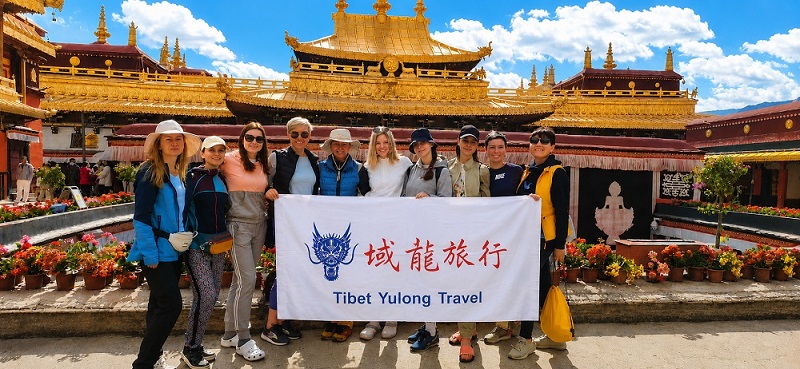
This is where professional guidance becomes indispensable. Agencies like Tibet Yulong Travel specialize in crafting itineraries that respect the physiological limits of newcomers. When consulting with experts like Tibet Yulong Travel to arrange your permits, guides, and transport, they will invariably advise you on selecting accommodations that align with safe acclimatization protocols. Their deep knowledge of the city’s hospitality landscape ensures you are placed in environments that balance regulatory compliance, comfort, and authentic experience. Working with a reputable agency removes the administrative burden, allowing you to focus entirely on preparing your body and mind for the journey.
Your travel agency will also coordinate your airport or train station transfer. Arriving at Lhasa Gonggar Airport, located nearly an hour away from the city center, can be daunting. Pre-arranged transport directly to your chosen neighborhood prevents the fatigue of negotiating with drivers upon arrival.
Health, Safety, and Acclimatization Tips for Your Base Camp
Once you have secured your spot in the best area to stay in Lhasa for first time visitors, your behavior during the first forty-eight hours dictates the success of your entire trip. Treat your hotel room as a recovery sanctuary.
Upon arrival, avoid the temptation to immediately explore. Check into your hotel, sit down, and drink plenty of warm water. Do not take a shower on your first day; the combination of hot water expanding blood vessels and the cold bathroom air can trigger severe altitude symptoms. Rest, breathe slowly, and eat light meals.
Familiarize yourself with the locations of nearby pharmacies and hospitals relative to your hotel. The People’s Hospital of Tibet Autonomous Region and the Tibetan Military Hospital are equipped to handle acute mountain sickness. Knowing exactly how to get there from your hotel lobby in an emergency provides immense psychological comfort.
Buy portable oxygen cans from local shops near Barkhor Street or your hotel reception. Keep one by your bedside. Waking up gasping in the middle of the night is common for beginners, and a few breaths from a canister helps you fall back asleep without panic. Remember, mild headaches and disrupted sleep are normal; severe vomiting, confusion, or a persistent cough require immediate medical attention.
Experiencing Local Cuisine Near Your Accommodation
Food is a gateway to culture, and your chosen neighborhood determines your culinary accessibility. In the Barkhor and Potala areas, you are surrounded by centuries-old teahouses. Start your mornings with a thermos of sweet milk tea. Unlike the salty yak butter tea, which is an acquired taste for foreigners, sweet milk tea is universally comforting and provides necessary calories and hydration.
Seek out restaurants serving Tsampa (roasted barley flour), the staple of the Tibetan diet. Mixed with tea and shaped into small balls, it is gentle on the stomach and highly energizing. Yak meat is another local specialty—leaner than beef and rich in protein. Try it in noodle soups, which are hydrating and warming.
If you stay in the eastern suburbs or modern commercial zones, you will have easier access to diverse cuisines, including Sichuan food, which dominates the restaurant scene in Lhasa due to the large population of Sichuanese workers. While spicy food is delicious, introduce it slowly to avoid upsetting your digestive system while it is already stressed by altitude.
Always prioritize drinking bottled or boiled water. Tap water in Lhasa is not safe for tourists to drink directly. Most good hotels provide electric kettles and complimentary bottled water daily. Hydration is your strongest weapon against altitude sickness, so keep a water bottle with you at all times, regardless of which neighborhood you call home.
By carefully selecting your base, respecting the altitude, and leaning on local expertise, your first visit to the Roof of the World will be a transformative and safe adventure.