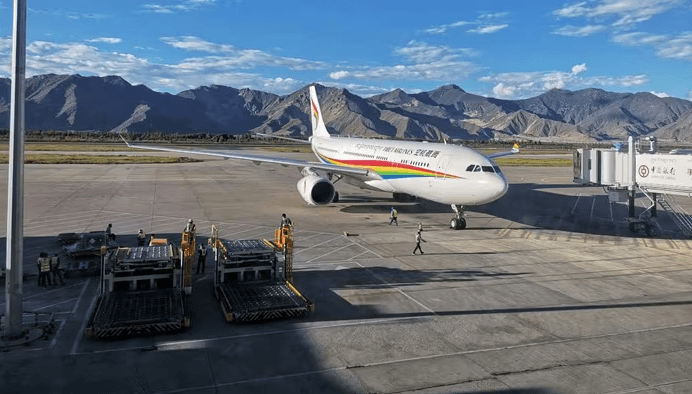
Arriving at Lhasa Gonggar Airport is the beginning of an unforgettable journey into the heart of Tibet. Situated roughly 60 kilometers south of downtown Lhasa, the airport serves as the primary gateway for travelers heading to the Potala Palace, Barkhor Street, and other iconic landmarks. Because of this distance, understanding your Lhasa airport to city center transportation options is essential for a stress-free arrival. The drive typically takes about one hour, winding along the scenic Yarlung Tsangpo River before turning north toward the city. Whether you are a budget backpacker or a traveler seeking maximum comfort after a high-altitude flight, there are several reliable ways to make the transfer. Planning ahead ensures you avoid unnecessary delays and can focus entirely on acclimatizing to the unique environment of the Tibetan Plateau.
✨ Highlights:
- Airport shuttle buses offer an affordable, scheduled route to downtown Lhasa.
- Taxis provide door-to-door convenience but require fare negotiation.
- Pre-booked private transfers ensure comfort and immediate altitude support.
- Shared vehicles are a popular middle ground for solo travelers and small groups.
- Acclimatization should be your top priority immediately upon landing.
Overview of Lhasa Airport to City Center Transportation Options
Before diving into the specific methods of getting into town, it helps to understand the geography and infrastructure surrounding Lhasa Gonggar Airport (LXA). Unlike many major international airports that sit right on the edge of the urban sprawl, Lhasa’s airport is located in Gonggar County, quite far from the actual city center. This distance means that walking or taking local city transit directly from the terminal is simply not possible. You must rely on intercity transport links specifically designed to bridge this gap.
When evaluating your Lhasa airport to city center transportation options, several factors come into play. First, consider your arrival time. Flights into Lhasa generally arrive in the morning or early afternoon due to weather patterns and aviation regulations over the plateau. If your flight lands late, your choices might narrow down significantly. Second, think about your luggage. Travelers carrying heavy trekking gear or multiple suitcases will find larger vehicles much more accommodating than standard sedans. Third, factor in your physical condition. Arriving at an elevation of 3,650 meters (nearly 12,000 feet) can cause immediate shortness of breath and fatigue. Choosing a comfortable, direct mode of transport can greatly reduce the physical strain of your first few hours in Tibet.
The road connecting the airport to the city is well-paved and heavily used. It runs alongside the river for a long stretch, offering beautiful views of the barren, majestic mountains and the wide river valley. During peak tourist seasons, traffic can increase, slightly extending travel times. Knowing what to expect on this route helps set the right mindset as you transition from the pressurized cabin of an airplane to the thin, crisp air of the Himalayas.
Taking the Airport Shuttle Bus
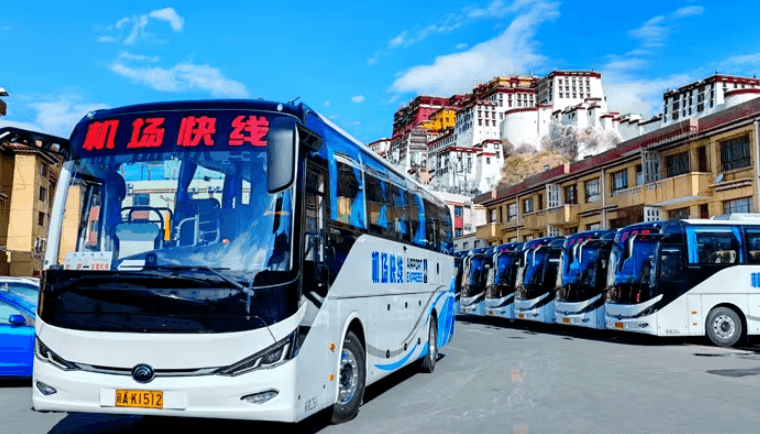
For budget-conscious travelers, the official airport shuttle bus remains one of the most popular Lhasa airport to city center transportation options. Operated by the airport authority, these buses run on a fixed schedule that aligns with incoming flights. When a plane lands and passengers clear baggage claim, a shuttle bus is usually waiting outside the arrivals hall to take them into the city.
The shuttle bus does not drop passengers off at individual hotels. Instead, it follows a designated route with specific stops. The final terminus is typically located near the CAAC (Civil Aviation Administration of China) office on Niangre Road, which is relatively central. From this drop-off point, you are within walking distance of some areas or a very short, inexpensive taxi ride away from most downtown hotels, including those near the Potala Palace or Jokhang Temple.
Fares for the airport shuttle are highly reasonable, usually costing around 30 RMB per person. Payment is often made directly to the staff member on board or at a small ticket counter inside the arrivals hall before exiting the building. The buses are large, comfortable coaches with dedicated storage compartments underneath for heavy luggage. They are heated in the winter and offer a stable, smooth ride along the highway.
However, there are a few drawbacks to consider. Because the bus waits for flights to arrive and for all passengers to collect their bags, you might spend some time waiting before departure. Additionally, if you are traveling in a large group with excessive luggage, maneuvering onto a crowded public shuttle might feel cumbersome. The bus also only operates during daylight hours when flights are scheduled; if you happen to be on a delayed flight that arrives unusually late, the shuttle service may no longer be running, forcing you to look at alternative Lhasa airport to city center transportation options.
Despite these minor inconveniences, the shuttle bus is incredibly safe, reliable, and offers a great way to meet fellow travelers who have just arrived on the same flight. Sharing the excitement of arriving in Tibet with others on the bus is a memorable part of the experience for many visitors.
Hiring a Taxi from Lhasa Gonggar Airport
If you prefer a more direct route without multiple stops, taking a taxi is another viable choice among the available Lhasa airport to city center transportation options. Taxis are readily available outside the arrivals terminal. As soon as you step out of the airport building, you will likely be approached by drivers offering rides into the city.
It is crucial to understand that taxis operating between the airport and downtown Lhasa rarely use meters for this specific long-distance route. Instead, fares are negotiated upfront or charged at a flat rate. A standard trip from the airport to the city center typically costs anywhere from 150 to 250 RMB, depending on the type of vehicle, the exact location of your hotel, and your bargaining skills. During peak tourist seasons, prices may lean toward the higher end of this spectrum due to increased demand.
When hiring a taxi, ensure you agree on the total price before placing any luggage in the trunk. Clarify whether the quoted price is for the entire car or per person, as some drivers might try to charge per seat if they intend to pick up additional passengers along the way. If you want a private ride directly to your hotel without sharing the vehicle with strangers, state this clearly during the negotiation.
The vehicles used are usually standard sedans or slightly larger SUVs. While they get the job done, the suspension and comfort levels can vary wildly from one car to the next. For travelers suffering from immediate altitude sickness symptoms like headaches or nausea, a bumpy ride in an older sedan might not be the most pleasant introduction to the region. However, the sheer convenience of being dropped off exactly at your hotel’s front door makes taxis a preferred option for families, couples, or anyone carrying valuable photography equipment who wants to minimize handling their bags.
Booking a Private Transfer Service
For those seeking the highest level of comfort, reliability, and peace of mind, booking a private transfer in advance is widely considered the best of all Lhasa airport to city center transportation options. A private transfer means a driver is waiting for you at the arrivals gate holding a sign with your name, ready to escort you to a clean, well-maintained vehicle.
This option is particularly recommended for first-time visitors to Tibet. Dealing with language barriers, negotiating fares, and figuring out directions while simultaneously battling altitude sickness can be overwhelming. By pre-arranging your transport, you eliminate all these stressors the moment you land. Private transfer vehicles range from comfortable sedans to spacious business vans, ensuring ample room for both passengers and extensive luggage.
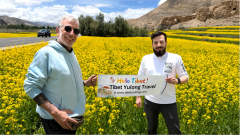
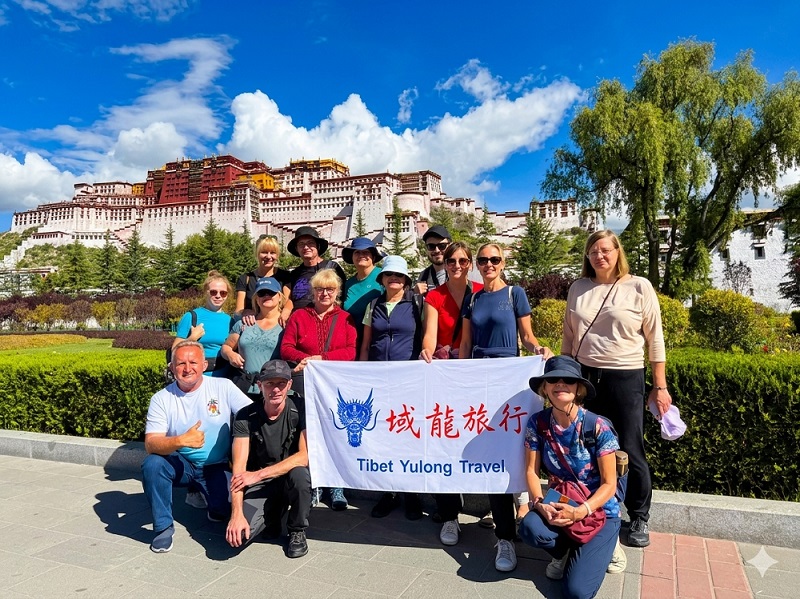
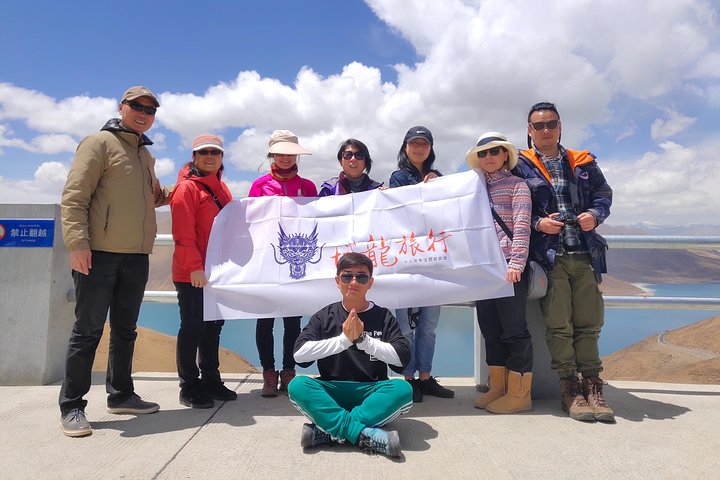
Many reputable travel agencies include airport transfers as part of their broader tour packages. Companies like Tibet Yulong Travel specialize in providing seamless logistical support for visitors. When you book through an experienced operator like Tibet Yulong Travel, your driver is usually trained to assist tourists, understands the importance of driving smoothly to prevent motion sickness at high altitudes, and knows the fastest routes to your specific accommodation. Furthermore, having a representative from an agency like Tibet Yulong Travel greet you provides an immediate sense of security and local connection.
The cost of a private transfer is naturally higher than a shuttle bus or a standard taxi, often ranging from 300 to 500 RMB or more, depending on the vehicle class. However, when split among a group of three or four travelers, the per-person cost becomes very competitive with regular taxis, while offering vastly superior service. Drivers for private transfers also tend to wait patiently if your flight is delayed or if baggage claim takes longer than expected, meaning you won’t be left stranded trying to find last-minute transport.
Shared Vehicle Transfers
Sitting comfortably between the low cost of a shuttle bus and the exclusivity of a private transfer is the shared vehicle option. This has become increasingly common among the various Lhasa airport to city center transportation options, especially for solo travelers or pairs who want a faster ride than the bus but don’t want to pay for a whole private car.
Shared vehicles are usually minivans or SUVs. Passengers heading to similar parts of the city are grouped together by a dispatcher or a travel agency. The cost is calculated per seat, generally falling around 50 to 80 RMB per person. This makes it significantly cheaper than a private taxi while still offering door-to-door drop-offs at your respective hotels.
To arrange a shared ride, you can often find counters inside the airport terminal where agents organize these groups. Alternatively, if you are staying at a popular hostel or hotel in Lhasa, the reception desk can frequently arrange a shared pickup for you prior to your arrival. The main trade-off here is time. The driver may need to wait until the van is full before departing, and you will have to wait while the driver drops off other passengers at their hotels before reaching yours. If you are in a rush or feeling unwell from the altitude, this stop-and-go nature might be frustrating. However, for relaxed travelers looking to save money without sacrificing too much comfort, it is an excellent compromise.
Understanding the Route and Scenery
Regardless of which of the Lhasa airport to city center transportation options you choose, the journey itself is a visual treat. The route primarily follows the G318 National Highway and the S1 expressway. For the majority of the drive, you will be traveling parallel to the Yarlung Tsangpo River, which is the upper tributary of the Brahmaputra River.
The landscape is stark, dramatic, and entirely unique. You will see rugged, brown mountains rising sharply against deep blue skies. Depending on the season, the river might be a calm, braided network of shallow streams or a powerful, rushing torrent. In the summer months, patches of green appear in the valleys where barley is cultivated. Prayer flags flutter violently in the wind along bridges and mountain passes, signaling your entry into a deeply spiritual landscape.
As the vehicle approaches Lhasa, the scenery shifts. The wide river valley narrows, and you begin to see the outskirts of the city. Modern buildings blend with traditional Tibetan architecture. Eventually, if the weather is clear and you are approaching from the right angle, you might catch your first breathtaking glimpse of the Potala Palace perched on its hill, signaling that your long journey has finally brought you to the heart of Tibet.
Essential Tips for Your Arrival Journey
Navigating your arrival smoothly requires more than just picking a vehicle. Here are several vital tips to keep in mind when selecting from the Lhasa airport to city center transportation options.
First and foremost, prioritize acclimatization. Lhasa sits at 3,650 meters above sea level. The air contains significantly less oxygen than what most travelers are accustomed to. Upon exiting the aircraft, move slowly. Do not rush to grab heavy bags or sprint toward the taxi stand. Walk deliberately, breathe deeply, and allow your body to register the change in atmospheric pressure. If you feel dizzy, sit down immediately and ask for assistance.
Second, have your hotel details written down in Tibetan or Chinese characters. While some taxi drivers or shuttle staff might understand basic English, relying on it is risky. Showing the driver the exact address and phone number of your accommodation in the local script prevents miscommunications and ensures you are dropped off at the correct location.
Third, carry small denominations of Chinese Yuan (RMB). Whether you are paying for the shuttle bus, tipping a porter, or settling a negotiated taxi fare, having exact change or small bills makes transactions much smoother. Credit cards are rarely accepted for street-level transport services.
Finally, dress in layers. The temperature inside the airport might be mild, but stepping outside can expose you to biting winds or intense, high-altitude sunlight. Having a warm jacket easily accessible, along with sunglasses and sunscreen, will make the walk from the terminal to your chosen transport much more comfortable.
Navigating Altitude Sickness During Transit
One aspect often overlooked when discussing Lhasa airport to city center transportation options is how the one-hour drive impacts your physical well-being. The airport itself is actually situated at a slightly lower elevation (around 3,570 meters) than downtown Lhasa. This means that as you drive toward the city, you are gradually ascending.
For some sensitive individuals, this slow ascent combined with the excitement and anxiety of arrival can trigger mild symptoms of Acute Mountain Sickness (AMS), such as throbbing headaches, slight nausea, or unusual fatigue. To mitigate this, ensure your chosen vehicle has good ventilation. Crack the window slightly if the weather permits, allowing fresh air to circulate. Avoid eating a heavy meal immediately before or during the drive; stick to light snacks and drink plenty of water.
If you have booked a private transfer through a professional agency, inform them beforehand if you have a history of altitude sensitivity. Experienced drivers know how to adjust their driving style—avoiding sudden braking or sharp turns—to keep passengers comfortable. Some organized tours even provide portable oxygen canisters in the vehicle for emergencies, though simply resting and breathing slowly is usually sufficient for the transfer into town.
Night Arrivals and Limited Transport
While the vast majority of flights into Lhasa arrive during the day, occasional delays or specific seasonal schedules can result in evening or night landings. If you find yourself arriving after dark, your Lhasa airport to city center transportation options shrink considerably. The airport shuttle buses generally cease operations once the scheduled daytime flights have been processed.
In this scenario, taxis and pre-booked private transfers are your only realistic choices. Taxis will still be waiting outside the terminal, but drivers may charge a premium for nighttime travel. Negotiating in the dark, when you are tired and eager to reach your bed, puts you at a disadvantage. This is precisely why seasoned travelers strongly advocate for booking a private transfer in advance. If your flight is delayed into the evening, a pre-arranged driver from a trusted company will still be there waiting, honoring the previously agreed-upon rate, ensuring you get to your hotel safely regardless of the hour.
Making the Right Choice for Your Trip
Ultimately, selecting the best method from the available Lhasa airport to city center transportation options depends entirely on your personal travel style, budget, and physical needs. Backpackers traveling light will find the airport shuttle bus perfectly adequate and wonderfully cheap. Families or those with lots of luggage will appreciate the direct nature of a taxi, provided they are prepared to negotiate. Meanwhile, those who value certainty, comfort, and professional support will find that booking a private transfer through established operators like Tibet Yulong Travel transforms a potentially stressful arrival into a welcoming, seamless experience.
By understanding the distances involved, the costs associated with each method, and the physical realities of arriving on the Tibetan Plateau, you can make an informed decision before your plane even touches down. Preparation is the key to enjoying Tibet, and securing your ride into the city is the very first step of your high-altitude adventure.