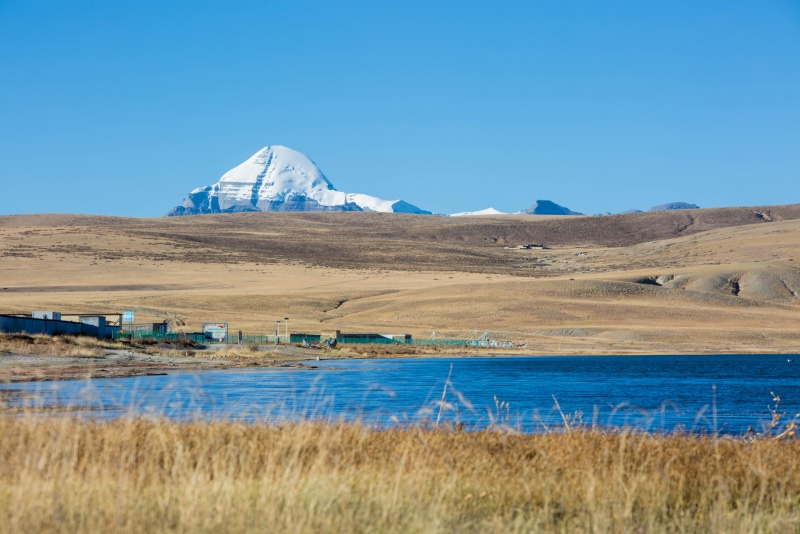
Mount Kailash stands as one of the most revered peaks on Earth, drawing thousands of devotees and trekkers annually to its sacred base. Completing the circumambulation, known locally as the kora, is a profound physical and spiritual undertaking that spans roughly fifty-two kilometers through some of the harshest yet most beautiful landscapes in Tibet. Because this journey typically takes three days, finding reliable places to rest is absolutely critical. Understanding the realities of pilgrim accommodation along Kailash kora ensures you are mentally and physically prepared for the nights spent at high altitude. The options range from basic guesthouses in Darchen to rugged tent camps near monasteries. Proper planning transforms a grueling trek into a manageable pilgrimage.
Key Takeaways:
- Base town Darchen offers the best lodging options before starting.
- Day one stops feature simple monastery guesthouses and tent camps.
- Day two rests near Zutulphuk Monastery provide very basic shelter.
- High altitude demands appropriate sleeping bags and warm clothing.
- Advance booking through local agencies is highly recommended during peak seasons.
Starting Point: Darchen Town Accommodations
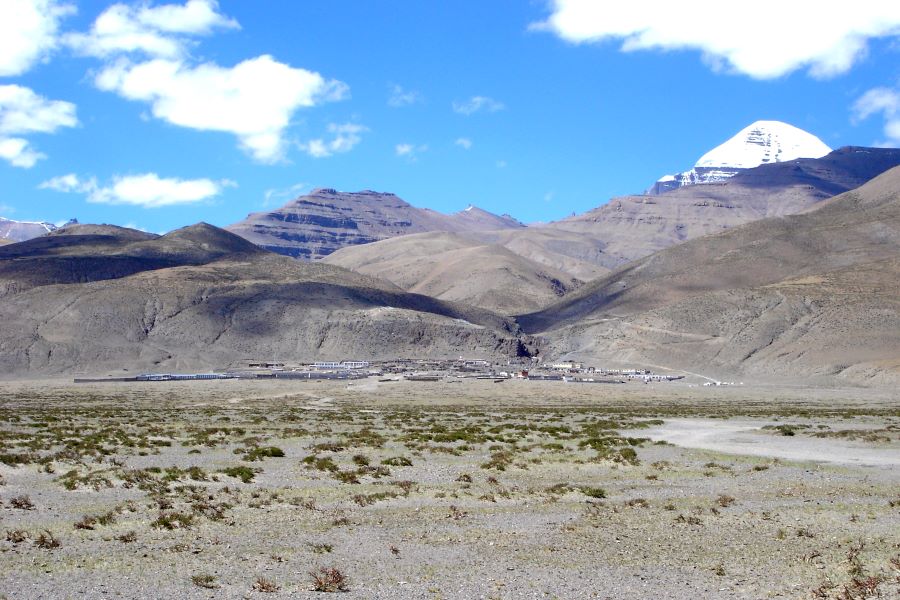
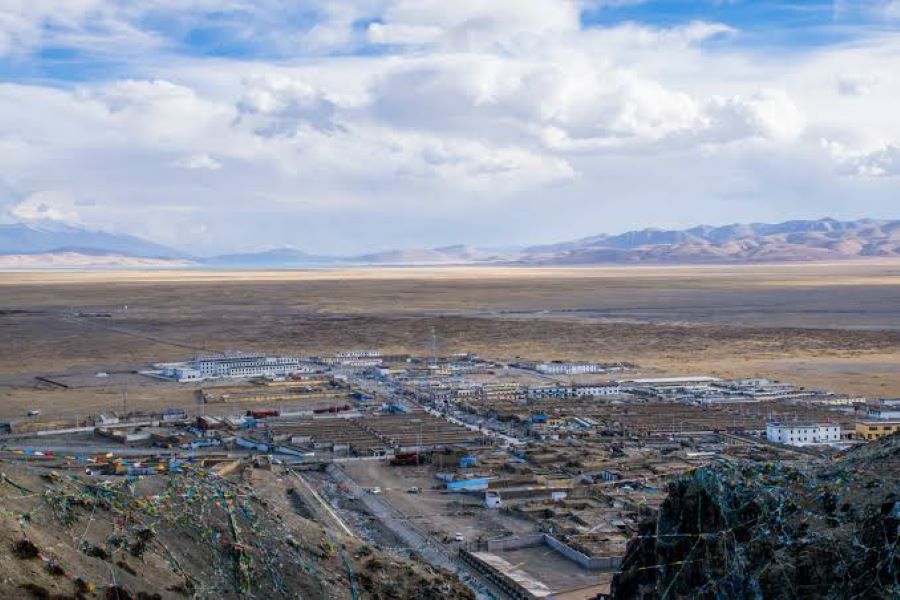
Before setting foot on the actual trail, every pilgrim must spend time in Darchen, the small settlement serving as the gateway to Mount Kailash. Darchen sits at an elevation of approximately 4,600 meters, making it an essential acclimatization point before beginning the strenuous walk. When considering pilgrim accommodation along Kailash kora, Darchen actually provides the most comfortable beds you will experience during the entire circuit.
The town has evolved over the years to cater to both devout pilgrims and international trekkers. You will find several guesthouses offering private rooms with twin or double beds. While you should not expect luxury hotel standards, the better establishments provide thick mattresses, heavy blankets, and sometimes electric heating pads. Hot water availability can be inconsistent, so taking a shower upon arrival rather than right before departure is a wise strategy.
Darchen
Dining options in Darchen are relatively plentiful compared to the trail. Small restaurants serve Tibetan staples like thukpa (noodle soup), tsampa (roasted barley flour), and yak butter tea, alongside Chinese dishes and occasionally basic Western meals. Stocking up on snacks, energy bars, and hydration salts here is crucial, as supplies become extremely limited once you begin walking.
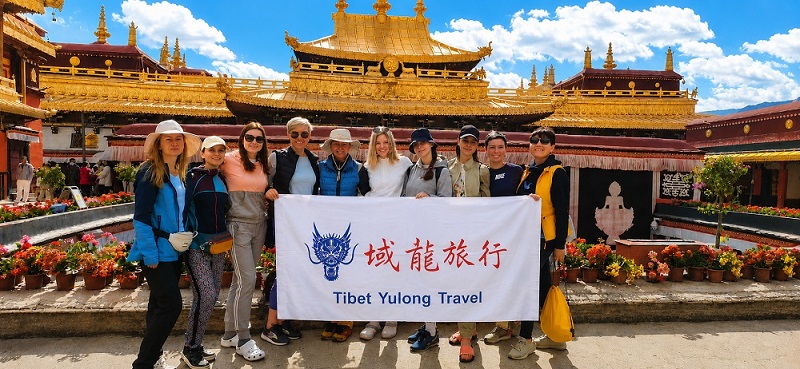
Booking your stay in Darchen ahead of time is strongly advised, especially during the Saga Dawa festival when thousands of Tibetan Buddhists arrive simultaneously to complete their own kora. During these peak periods, every available bed fills up rapidly. Travel organizers such as Tibet Yulong Travel frequently assist visitors in securing these initial lodgings, ensuring that the logistical stress of finding a room does not overshadow the spiritual preparation required for the journey ahead.
Day One Stops: Dirapuk Monastery Area Lodging
The first day of the kora covers roughly twenty kilometers, starting from Tarboche and winding up the western face of the mountain until reaching the area near Dirapuk Monastery. This section involves a steady ascent, bringing trekkers to an elevation of about 5,080 meters. By the time you arrive, fatigue sets in, and finding adequate pilgrim accommodation along Kailash kora becomes your immediate priority.
Near Dirapuk, lodging consists primarily of two types: monastery guesthouses and seasonal tent camps pitched by local nomadic families. The monastery guesthouse is a simple stone structure offering large communal rooms. Beds are usually wooden platforms laid out side by side, covered with thin foam mattresses. There are no private rooms, and you will likely share the space with fellow trekkers and pilgrims. Heating is non-existent inside the sleeping quarters, though the communal dining area might have a yak dung stove burning during the evening hours.
Tent camps offer an alternative experience. Local Tibetan families set up large yak-hair tents during the warmer months, providing a surprisingly warm environment due to the insulating properties of the material. Inside, they arrange makeshift beds using rugs and cushions. Staying in a tent camp often includes home-cooked meals prepared by the host family, which adds a layer of cultural immersion to your trek. You might be served steaming bowls of noodle soup and endless cups of sweet tea, providing vital calories after a long day of hiking.
Toilet facilities at Dirapuk are rudimentary pit latrines located outside the main buildings. Running water is unavailable; instead, basins of cold water are provided for washing your face and hands. Given the freezing nighttime temperatures, most travelers opt to use wet wipes rather than attempting a full wash. It is important to manage expectations here. The focus of pilgrim accommodation along Kailash kora is survival and rest, not comfort. Bringing a high-quality, sub-zero sleeping bag is mandatory, as the blankets provided are rarely sufficient against the biting Himalayan winds that sweep through the valley at night.
Day Two Rests: Zutulphuk Monastery Facilities
Day two is universally considered the most challenging segment of the Mount Kailash trek. Pilgrims must cross the Dolma La Pass, which towers at a staggering 5,630 meters above sea level. The steep ascent, thin air, and subsequent sharp descent drain even the most experienced hikers. After covering another twenty-kilometer stretch, the trail descends into the eastern valley where Zutulphuk Monastery awaits, marking the primary resting point for the second night.
Zutulphuk sits slightly lower than Dirapuk, at roughly 4,790 meters, which offers minor relief from the extreme altitude. However, the pilgrim accommodation along Kailash kora at this specific location is generally regarded as the most basic of the entire route. The monastery operates a small guesthouse consisting of bare concrete or stone rooms. Wooden planks serve as beds, and while some mattresses are available, they are often worn thin from years of continuous use by passing travelers.
Because Zutulphuk receives fewer independent tourists and relies heavily on the steady flow of religious pilgrims, the infrastructure remains deliberately simple. There is no electricity in the sleeping rooms, meaning headlamps or flashlights are essential for navigating the space after sunset. The dining hall serves basic sustenance—usually boiled noodles, rice, or simple stir-fried vegetables if supplies have managed to reach the monastery via pack animals. Trekkers who brought their own dehydrated meals and portable stoves often prefer to cook their own food here.
Sanitation facilities mirror those found at Dirapuk: outdoor pit toilets and no running water. The sheer exhaustion felt upon arriving at Zutulphuk means most pilgrims eat quickly and retreat directly to their sleeping bags. The psychological comfort of knowing you have conquered the highest pass makes the physical discomfort of the lodging much easier to tolerate. Many organized groups traveling with agencies like Tibet Yulong Travel arrange for support staff to carry additional padding or thicker sleeping mats to improve the rest quality at this specific stop, recognizing how critical recovery is before the final day’s walk.
Essential Gear for Sleeping on the Trail
Understanding the nature of pilgrim accommodation along Kailash kora dictates exactly what you must pack. Relying solely on the provided bedding is a recipe for a miserable, sleepless night, which severely impacts your ability to safely complete the trek the following day. Your personal gear acts as the bridge between the harsh environment and a restful recovery.
A four-season sleeping bag rated for at least minus fifteen degrees Celsius is the single most important item in your backpack. Temperatures routinely plummet well below freezing, even during the summer months. Down insulation is preferred for its superior warmth-to-weight ratio, though synthetic alternatives perform better if there is a risk of moisture entering your tent or room. Pairing your sleeping bag with a silk or fleece liner adds several degrees of warmth and keeps the bag clean, which is particularly appreciated when using shared monastery beds.
An inflatable sleeping pad or a thick closed-cell foam mat is equally crucial. The wooden boards and concrete floors of the guesthouses conduct cold directly into your body. A pad with a high R-value provides necessary insulation from the ground. Additionally, packing a lightweight travel pillow or a stuff sack that you can fill with spare clothing prevents neck strain during the night.
Clothing strategy for sleeping should involve dedicated thermal base layers that you only wear inside your sleeping bag. Keeping these clothes dry and separate from the sweat-soaked layers worn during the day ensures maximum warmth. Wool socks and a warm beanie are indispensable, as extremities lose heat rapidly at high altitudes. Some seasoned trekkers also bring chemical heat packs to place inside their sleeping bags near their core or feet, providing temporary but highly effective relief during the coldest hours of the night.
Personal hygiene items must be adapted for the lack of running water. Biodegradable wet wipes, hand sanitizer, and a small towel are standard requirements. Dry shampoo helps maintain a sense of cleanliness without needing water. Remember that all waste, including used wipes and empty packaging, must be carried out with you. Leave No Trace principles are strictly enforced and culturally respected along the kora route.
Seasonal Variations and Booking Strategies
The availability and condition of pilgrim accommodation along Kailash kora fluctuate dramatically depending on the season. The trekking window is relatively short, generally running from May through September. Outside of these months, heavy snowfall blocks the passes, and the seasonal tent camps are dismantled entirely. Winter attempts are reserved only for highly specialized expeditions and are not recommended for standard pilgrims or casual trekkers.
May and June represent the early season. The weather begins to stabilize, though sudden snowstorms remain possible. During this time, the monastery guesthouses open their doors, and local families start pitching their yak-hair tents. June often coincides with the Saga Dawa festival, the holiest time for Tibetan Buddhists to perform the kora. Consequently, accommodation becomes incredibly scarce. Thousands of pilgrims flood the route, filling every available bed and tent space. If you plan to travel during Saga Dawa, securing your logistics months in advance is not just recommended; it is mandatory.
July and August bring warmer temperatures but also the monsoon influence, resulting in frequent afternoon rain showers. While the trails become muddier, the accommodation remains fully operational. The higher temperatures mean sleeping is slightly more comfortable, though dampness can seep into tents and rooms. September offers arguably the best conditions: clear skies, stable weather, and fewer crowds as the festival season concludes. The tent camps begin packing up toward late September, leaving the monastery guesthouses as the sole option for late-season trekkers.
Navigating these seasonal shifts requires expert local knowledge. Independent travel to Mount Kailash is heavily restricted, and foreign visitors must obtain specific permits and travel with registered guides. Utilizing established operators like Tibet Yulong Travel simplifies the complex process of securing pilgrim accommodation along Kailash kora. They maintain relationships with monastery caretakers and nomadic camp owners, allowing them to reserve spaces even during busy periods. Their guides also carry satellite communication devices and emergency oxygen, adding a layer of safety that is invaluable when staying in remote locations far from medical facilities.
Health, Altitude, and Rest Quality
The quality of your rest directly correlates with your physical health on the trail. Altitude sickness is the primary concern when evaluating pilgrim accommodation along Kailash kora. Sleeping at elevations exceeding 4,700 meters places immense stress on the human body. Even healthy individuals may experience headaches, nausea, and disrupted sleep patterns characterized by periodic breathing, where you momentarily stop breathing and wake up gasping.
Choosing the right accommodation plays a role in managing these symptoms. Monastery guesthouses, being solid structures, offer protection from the wind, reducing the chilling effect that exacerbates altitude headaches. Tent camps, while culturally rich, can be drafty. Ensuring your sleeping bag is tightly sealed around your shoulders prevents cold air from entering your respiratory zone.
Hydration is a critical factor often overlooked when settling in for the night. The air at high altitude is exceptionally dry, causing rapid fluid loss through respiration. Drinking plenty of water or herbal tea before sleeping helps prevent the severe dehydration that worsens altitude sickness. However, balancing hydration with the reality of having to use outdoor pit latrines in freezing darkness requires strategic timing. Most experienced trekkers front-load their water intake earlier in the evening and taper off right before bed.
Mt. Kailash
Diamox (acetazolamide) is commonly prescribed by travel doctors to aid acclimatization. If you are taking this medication, be aware that it increases urination frequency, further complicating nighttime routines in basic accommodations. Discussing your itinerary and sleeping arrangements with a medical professional prior to departure ensures you have the correct dosage and understand how your body might react to the combination of medication, altitude, and rustic lodging conditions.
Ultimately, accepting the physical discomforts is part of the pilgrimage itself. Devout followers view the hardships endured—including the austere sleeping conditions—as a means of purifying negative karma. For secular trekkers, embracing the simplicity strips away modern distractions, forcing a deep connection with the landscape, the culture, and your own internal resilience. The sparse nature of the lodging reminds you constantly of the raw, untamed environment surrounding the sacred peak.
Respecting Local Customs and Shared Spaces
Staying in pilgrim accommodation along Kailash kora means sharing intimate spaces with people from vastly different backgrounds. Tibetan Buddhists, Bon practitioners, Hindus, and international trekkers all converge on the same narrow path and sleep under the same roofs. Maintaining harmony requires strict adherence to local customs and basic etiquette.
Monasteries are active religious sites, not merely hotels. When staying in a monastery guesthouse, silence is expected during early morning and late evening prayer sessions. Remove your shoes before entering sleeping quarters if instructed to do so by the caretakers. Never point your feet toward shrines, altars, or monks, as this is considered deeply disrespectful in Tibetan culture. If you are offered food or tea by a monk or a local family, accept it with both hands as a sign of gratitude.
Space is always limited. You must be prepared to sleep shoulder-to-shoulder with strangers. Keeping your personal gear organized and contained within your designated sleeping area prevents friction with fellow guests. Avoid using strong-smelling perfumes, lotions, or cooking foods with pungent odors inside the enclosed sleeping spaces, as ventilation is minimal. Headlamps should be switched to red-light mode when moving around the room at night to avoid blinding others who are trying to sleep.
Environmental respect is equally paramount. The region around Mount Kailash is ecologically fragile. Burning plastics or non-organic trash in the yak dung stoves is strictly prohibited. All garbage generated during your stay must be packed out. Many responsible tour companies, including Tibet Yulong Travel, enforce strict waste management protocols, carrying out all refuse generated by their groups to preserve the sanctity and cleanliness of the kora route.
By understanding and respecting these unwritten rules, you contribute to the preservation of the trail’s spiritual atmosphere. The shared hardship of the trek often fosters a unique camaraderie among strangers. Conversations sparked in the dim light of a Dirapuk guesthouse or over a steaming bowl of noodles in a Zutulphuk tent frequently become some of the most memorable moments of the entire journey. The accommodation, despite its roughness, serves as a melting pot of faith, endurance, and human connection.