Most travelers picture Tibet as a summer destination, but choosing to visit Tibet in winter reveals an entirely different side of the plateau. When temperatures drop and tourist buses disappear, the region transforms into a quiet, sun-drenched landscape where local culture takes center stage. The harsh reputation of the cold season often deters people, yet those who brave it are rewarded with unparalleled clarity in both the sky and the travel experience. From deeply discounted flights to uninterrupted views of Mount Everest, the winter months offer advantages that peak season simply cannot match. If you are looking for authenticity rather than crowded viewpoints, this is the time to go.
Here are the key reasons to consider a winter trip:
- Significantly fewer tourists at major monasteries and landmarks.
- Crystal-clear skies offering the best visibility of Himalayan peaks.
- Lower costs for flights, hotels, and guided tours.
- Richer cultural immersion during traditional winter festivals.
- Warmer daytime temperatures in Lhasa than most people expect.
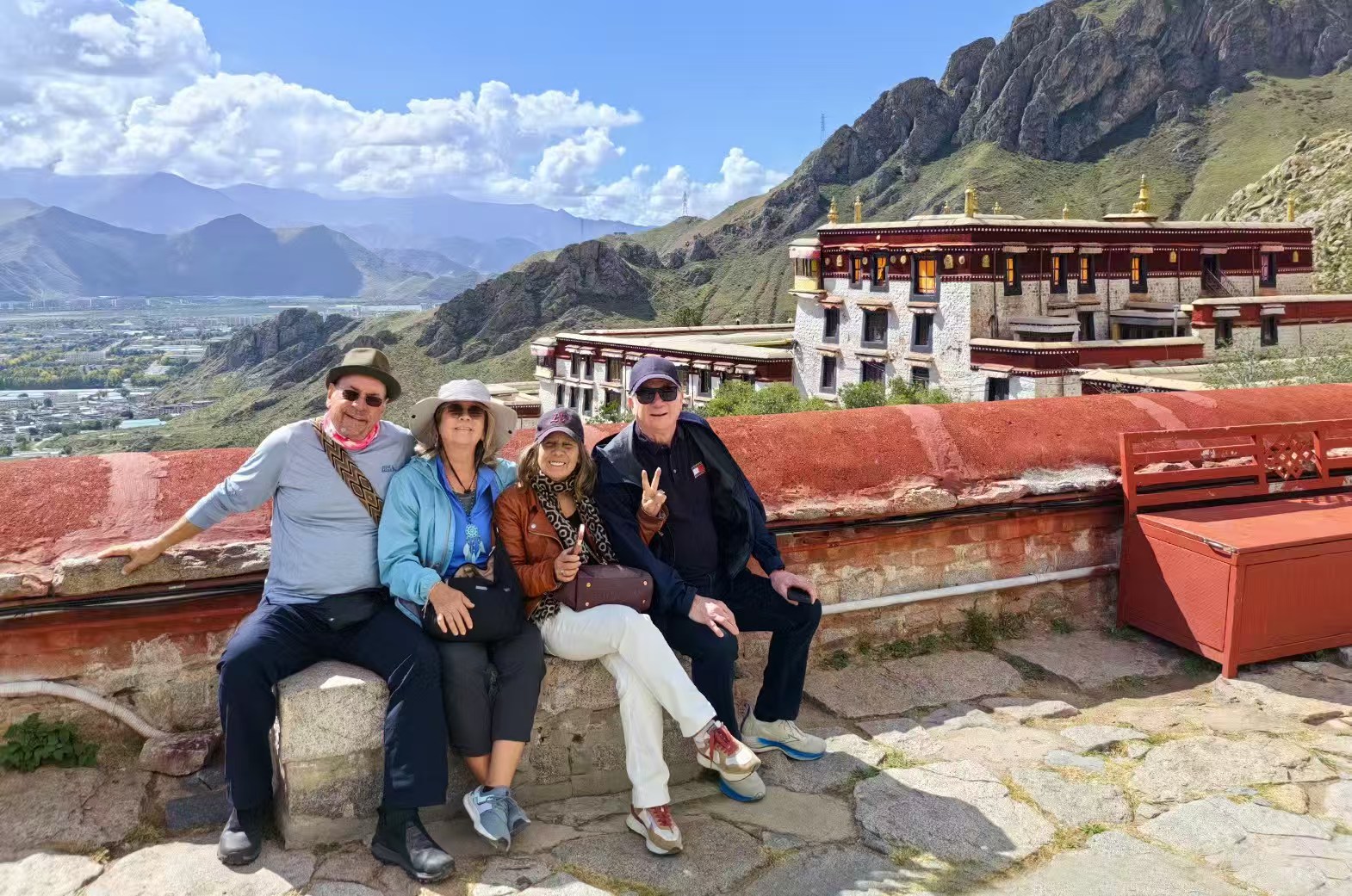
Unmatched Mountain Visibility When You Visit Tibet in Winter
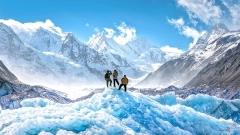
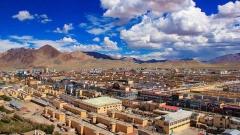
One of the primary reasons mountaineers and photographers choose to visit Tibet in winter is the atmospheric clarity. During the summer monsoon season, heavy moisture and cloud cover frequently obscure the highest peaks on earth. From November through March, the dry air strips away the haze, leaving behind a piercing blue sky that makes the mountains look close enough to touch.
At Rongbuk Monastery, the base camp area for Mount Everest, winter provides the most reliable window for seeing the summit without clouds. The same applies to Mount Kailash and the vast stretches of the Nyainqentanglha range. If your main goal is landscape photography or simply witnessing the sheer scale of the Himalayas without obstruction, the cold season is objectively superior. The low angle of the winter sun also casts longer shadows across the valleys, adding dramatic depth to the terrain that flat summer lighting cannot achieve.
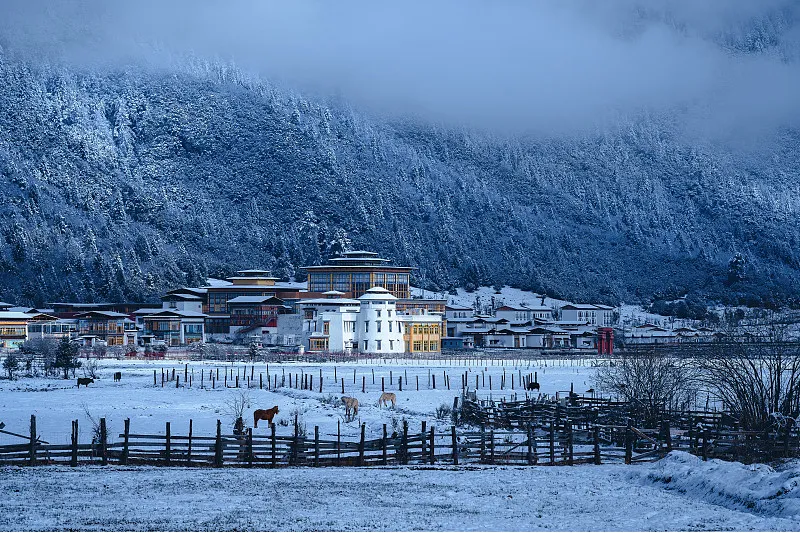
Fewer Crowds and Deeper Cultural Immersion
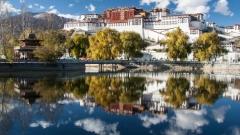
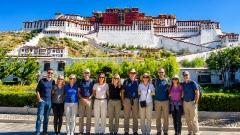
Summer in Tibet means navigating busy courtyards at the Potala Palace and waiting in lines at Jokhang Temple. When you visit Tibet in winter, these iconic sites return to their intended purpose as active places of worship rather than bustling tourist attractions. You can walk through the corridors of Sera Monastery or Drepung Monastery accompanied only by the chanting of monks and the scent of juniper incense.
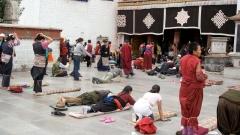
Winter is also when many rural Tibetans travel to Lhasa for pilgrimage, having finished their autumn harvests. Barkhor Street fills with locals spinning prayer wheels and performing prostrations, creating an atmosphere thick with genuine devotion. Participating in or observing this daily rhythm allows for a much more respectful and meaningful interaction with Tibetan Buddhism. You are no longer just a spectator in a crowded theme park; you become a quiet guest in a living spiritual center.
Significant Cost Savings on Flights and Accommodation
Budget is a major factor for anyone planning a high-altitude journey, and deciding to visit Tibet in winter can drastically reduce your overall expenses. Airlines operating routes into Lhasa Gonggar Airport typically slash ticket prices once the peak season ends in October. It is common to find round-trip flights from major Chinese cities like Chengdu or Xining at half the cost of summer fares.
Hotels follow the same trend. Luxury properties and boutique guesthouses in Lhasa, Shigatse, and Gyantse lower their rates significantly to attract the few travelers willing to make the trip. Furthermore, tour operators often provide off-season discounts. Agencies specializing in regional itineraries, such as Tibet Yulong Travel, frequently offer tailored winter packages that include reduced rates on vehicle rentals, guide services, and accommodation bookings. By working with experienced local operators like Tibet Yulong Travel, travelers can navigate the logistical challenges of winter road conditions while maximizing their budget savings.
The Truth About Winter Temperatures on the Plateau
A common misconception that prevents people from planning a winter trip is the assumption that the entire region is locked in sub-zero misery. While nighttime temperatures certainly plunge well below freezing, especially at higher elevations, daytime weather in the central regions tells a different story. Lhasa sits in a valley that acts as a natural solar oven. Due to the thin atmosphere and intense sunlight, daytime temperatures in Lhasa frequently reach 10°C to 15°C (50°F to 59°F) even in January.
The key is understanding the massive diurnal temperature range. Mornings and evenings require heavy down jackets, thermal layers, and insulated boots. However, by midday, you might find yourself walking around the Potala Palace square wearing just a light fleece under the strong sun. Areas outside Lhasa, such as Namtso Lake or Everest Base Camp, will be considerably colder and windier. Proper layering is not just a suggestion; it is an absolute requirement for comfort and safety when you visit Tibet in winter.
Winter Festivals and Spiritual Celebrations
The Tibetan calendar is rich with religious events, and several of the most important ones occur during the colder months. Planning your trip around these dates adds a profound layer of cultural significance to your journey. Losar, the Tibetan New Year, usually falls in February or early March. The weeks leading up to Losar see households cleaning their homes, painting fresh symbols on their doors, and preparing special foods like Guthuk, a traditional noodle soup eaten on New Year’s Eve.
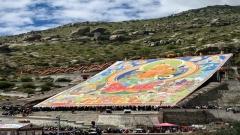
Another major event is the Butter Lamp Festival, which marks the end of the Monlam Prayer Festival. During this time, the courtyards of monasteries and the streets of Lhasa are illuminated by thousands of intricately carved yak butter lamps. These celebrations are deeply communal. Unlike summer festivals that sometimes cater to tourist schedules, winter events unfold organically, driven entirely by local tradition and religious observance. Witnessing them requires patience and respect, but the visual and emotional impact is unforgettable.
Practical Logistics for a Cold Season Journey
Traveling to the plateau between November and March requires careful preparation regarding transportation and documentation. Road conditions can be unpredictable. Snowfall may temporarily close high mountain passes, such as the Sela Pass on the way to Tsetang or the roads leading toward Mount Everest. This is why hiring a reliable driver with a four-wheel-drive vehicle is essential. Independent backpacking is highly discouraged in winter due to the lack of frequent public transport and the risks associated with remote, icy roads.
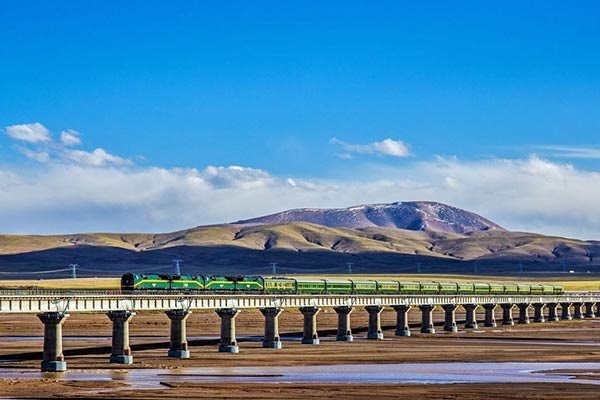
The Tibet Travel Permit remains mandatory regardless of the season. Foreign passport holders must arrange this permit through a registered travel agency before boarding any flight or train into the region. Processing times do not change in winter, so applying well in advance is necessary. Additionally, some remote guesthouses and smaller restaurants close for the season. Sticking to established towns like Lhasa, Shigatse, and Gyantse ensures you have access to heated rooms, running water, and reliable meals. Carrying a thermos for hot water or sweet tea is a small habit that makes a massive difference in daily comfort.
Health Considerations and Altitude Acclimatization
Altitude sickness does not take a winter break. The oxygen levels in Lhasa remain roughly 65% of those at sea level year-round. In fact, the cold, dry air of winter can sometimes make breathing feel slightly more labored for new arrivals. The standard acclimatization rules apply strictly: spend your first two days resting in Lhasa, avoid alcohol, drink plenty of fluids, and do not rush up stairs or walk too fast.
The dry winter air also demands attention to skin care and hydration. Lip balm, heavy moisturizers, and saline nasal sprays are vital items for your packing list. Sun protection is equally critical. The UV index at 3,600 meters above sea level, combined with snow reflection if you venture to higher altitudes, can cause severe sunburns quickly. High-SPF sunscreen and polarized sunglasses are non-negotiable gear for anyone choosing to visit Tibet in winter.
What to Pack for the Tibetan Winter
Packing correctly determines whether your trip is an enjoyable adventure or a shivering ordeal. Start with a solid base layer of merino wool thermal underwear. Add a mid-layer of fleece or down, and top it off with a windproof, waterproof outer shell. Even though rain is rare in winter, the wind chill at high altitudes cuts through unprotected clothing instantly.
Footwear should consist of insulated, waterproof hiking boots with good traction for potentially icy temple steps. Bring thick wool socks, a warm beanie that covers your ears, and insulated gloves. For your daypack, always carry extra layers, as you will likely peel them off during sunny afternoons and need them again the moment the sun dips behind the mountains. A portable power bank is also highly recommended, as extreme cold drains smartphone and camera batteries much faster than usual.
Choosing to visit Tibet in winter is a decision that trades convenience for authenticity. It demands better preparation, warmer clothing, and a willingness to embrace the cold. In return, it offers the plateau at its most honest—quiet, brilliantly illuminated, and deeply rooted in centuries of unbroken tradition. Whether you are standing beneath the golden roofs of the Potala Palace without a crowd in sight, or watching the sunset paint the snow-covered Himalayas in shades of violet and gold, the winter months deliver an experience that summer travelers rarely get to witness.