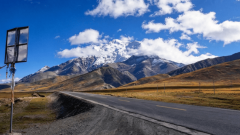
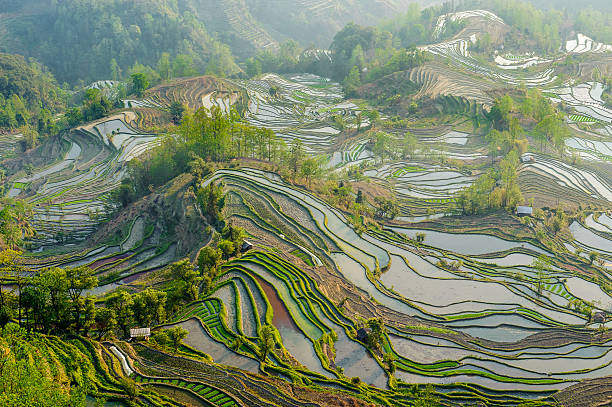
Traveling to Tibet is a dream for many adventurers, spiritual seekers, and culture enthusiasts. Known as the “Roof of the World,” this high-altitude region offers breathtaking landscapes, ancient monasteries, and a deeply rooted Buddhist culture that feels entirely distinct from anywhere else on Earth. However, because of its extreme elevation, remote geography, and unique administrative regulations, preparing for a journey here requires more effort than booking a standard vacation. Understanding the logistics, health precautions, and cultural norms will make your experience significantly smoother and more rewarding.
Before diving into the details, here is a quick summary of the key points you need to remember when traveling to Tibet:
- Permits are mandatory: Foreign travelers must obtain a Tibet Travel Permit before entering the region.
- Altitude sickness is real: Proper acclimatization is crucial due to elevations exceeding 3,500 meters.
- Pack in layers: The weather fluctuates drastically between day and night, requiring versatile clothing.
- Respect local customs: Tibetan Buddhism influences daily life, so understanding etiquette is essential.
- Plan your route carefully: Independent travel is restricted; organized tours with registered agencies are required.
Permits and Regulations for Traveling to Tibet
One of the most critical aspects of traveling to Tibet is navigating the permit system. Unlike other parts of China where foreign tourists can travel relatively freely, the Tibet Autonomous Region (TAR) has specific entry requirements. Every foreign passport holder must secure a Tibet Travel Permit (TTP) issued by the Tibet Tourism Bureau. You cannot board a flight or train to Lhasa without presenting this document.
To obtain the TTP, you cannot apply independently. You must book a tour through a registered local travel agency, which will handle the application process on your behalf. The agency will require copies of your passport and Chinese visa. Processing usually takes about two to three weeks, so planning well in advance is necessary. Keep in mind that the permit specifies your exact itinerary, meaning you must stick to the approved route during your stay.
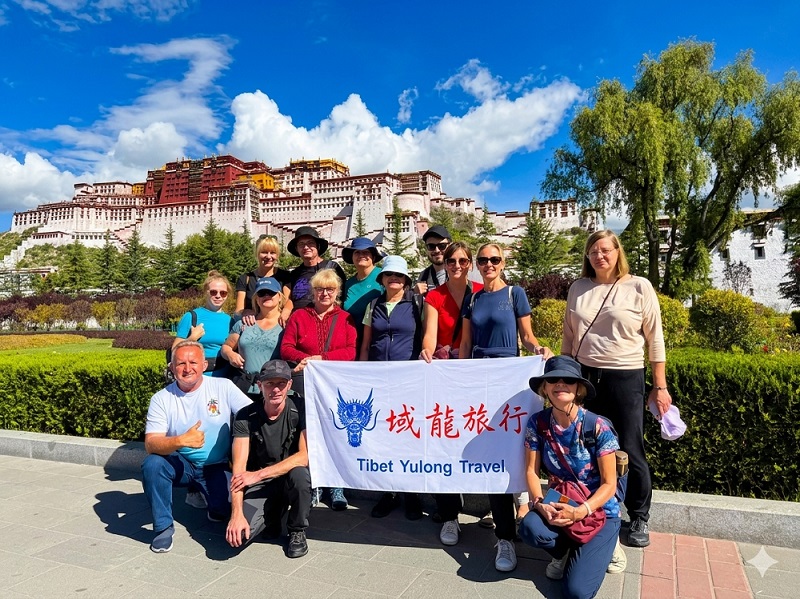
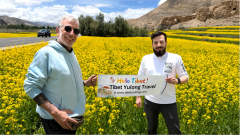
If your itinerary includes areas outside the central TAR, such as Mount Everest Base Camp or Mount Kailash, you will need additional documentation. An Alien Travel Permit is required for visiting “unopened” areas, and a Military Permit might be necessary for regions near sensitive borders. A reputable agency will coordinate all these documents simultaneously. For those looking for reliable assistance, operators like Tibet Yulong Travel specialize in handling these complex logistical requirements, ensuring that all paperwork is processed smoothly so you can focus on the journey itself.
It is also worth noting that certain nationalities or professions, such as journalists and diplomats, face stricter regulations and may not be eligible for standard tourist permits. Always verify the current rules with your chosen agency before making non-refundable bookings.
Managing Altitude Sickness When Traveling to Tibet
Health and safety should be at the forefront of your mind when traveling to Tibet. The average elevation of the Tibetan Plateau exceeds 4,000 meters (about 13,000 feet), and Lhasa itself sits at roughly 3,650 meters. At these heights, the air contains significantly less oxygen than at sea level, making Acute Mountain Sickness (AMS) a common challenge for visitors.
Symptoms of AMS include headaches, dizziness, nausea, shortness of breath, fatigue, and difficulty sleeping. While mild symptoms are normal during the first few days, severe cases can escalate into High Altitude Pulmonary Edema (HAPE) or High Altitude Cerebral Edema (HACE), both of which are medical emergencies.
Prevention starts before you even arrive. Consult your doctor about taking acetazolamide (commonly known as Diamox) to help your body acclimatize faster. Once you land in Lhasa or arrive by train, take it extremely easy for the first 48 hours. Do not rush to climb stairs, carry heavy bags, or engage in strenuous exercise. Walk slowly, drink plenty of water, and avoid alcohol and smoking, as these exacerbate dehydration and respiratory issues.
Diet also plays a role in acclimatization. Eat light, carbohydrate-rich meals during your first few days. Heavy, greasy foods force your digestive system to work harder, consuming oxygen that your body needs elsewhere. Many hotels in Lhasa provide supplemental oxygen in the rooms or have oxygen concentrators available in the lobby. If your symptoms worsen instead of improving after a couple of days, descending to a lower altitude is the only guaranteed cure.
The Best Time to Visit Tibet
Timing your trip correctly can vastly improve your experience when traveling to Tibet. The region experiences harsh winters and a brief but intense summer rainy season. Generally, the best months to visit are from April to June and September to November.
During spring, the skies are clear, temperatures are moderate, and the landscapes begin to thaw, revealing vibrant colors. Autumn offers similar conditions, with crisp air and excellent visibility, making it the ideal time for photography and trekking. These shoulder seasons also mean fewer crowds compared to the peak summer months.
July and August constitute the monsoon season. While the rain rarely falls all day—often arriving in short afternoon showers—the cloud cover can obscure views of major peaks like Mount Everest. However, summer is the warmest time of year, and the grasslands are lush and green. Winter, from December to February, is incredibly cold, especially at night, and some mountain passes may close due to snow. Yet, winter travel offers a unique advantage: virtually no crowds, deeply discounted hotel rates, and brilliant blue skies.
Packing Essentials for Traveling to Tibet
Packing for a trip to the Tibetan Plateau requires a strategic approach. The defining characteristic of the climate is the extreme temperature variation between day and night. Even in summer, daytime temperatures might reach 20°C (68°F) in the sun, only to plummet near freezing once the sun sets behind the mountains.
Layering is the golden rule. Start with moisture-wicking base layers to keep sweat away from your skin, add insulating mid-layers like fleece or down jackets, and finish with a windproof and waterproof outer shell. The wind on the plateau can be relentless, cutting through thin fabrics easily.
Sun protection is another absolute necessity. The atmosphere is thinner at high altitudes, meaning UV radiation is significantly stronger than at sea level. Pack high-SPF sunscreen, UV-blocking sunglasses, and a wide-brimmed hat. Lip balm and heavy moisturizer are also vital, as the air is exceptionally dry and can cause skin cracking within days.
For footwear, sturdy, broken-in hiking boots are recommended, especially if your itinerary includes walking around monastery courtyards or trekking near Everest. Bring a small daypack for carrying water, snacks, and extra layers during daily excursions. Finally, pack a basic personal medical kit including painkillers, anti-diarrhea medication, throat lozenges, and any prescription drugs you normally take, as pharmacies outside Lhasa are scarce and stock limited supplies.
Cultural Etiquette and Local Customs
Traveling to Tibet is as much a cultural journey as it is a physical one. Tibetan society is deeply intertwined with Vajrayana Buddhism, and showing respect for local traditions will greatly enhance your interactions with residents.
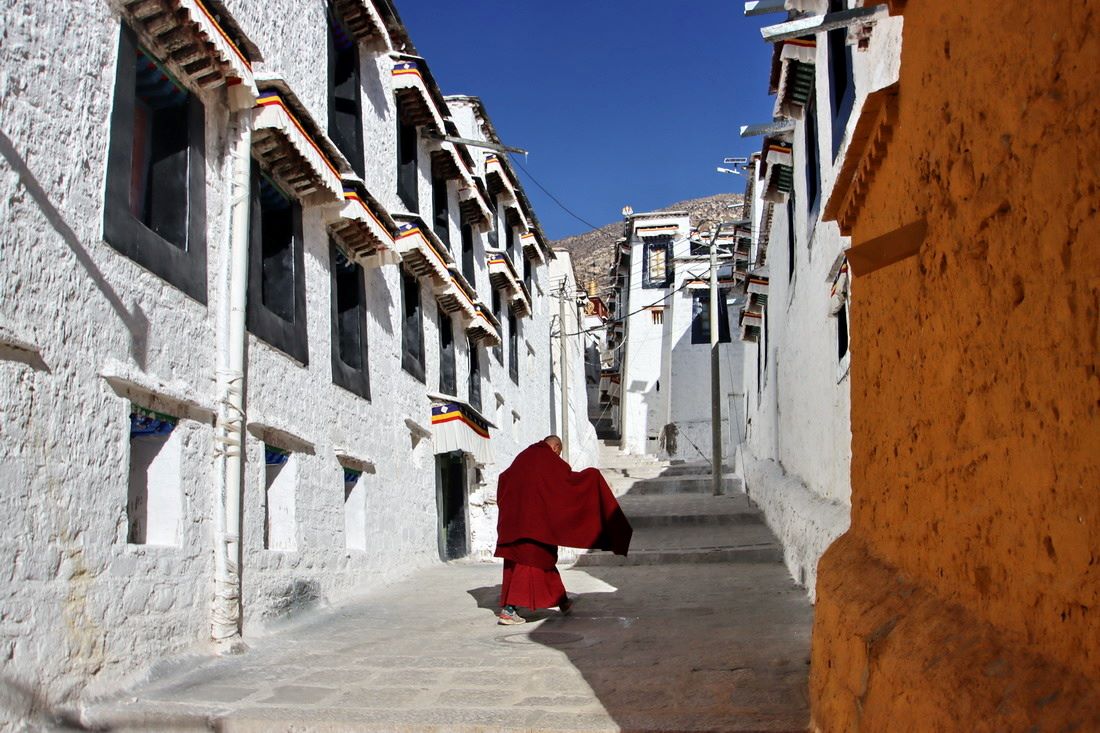
When visiting monasteries such as Jokhang Temple, Sera Monastery, or Tashilhunpo, dress modestly. Avoid wearing shorts, tank tops, or revealing clothing. Always walk clockwise around religious monuments, mani stones, and prayer wheels. This direction aligns with the flow of spiritual energy in Buddhist tradition. If you encounter a row of prayer flags, do not step over them or touch them disrespectfully.
Photography requires caution and courtesy. Never take photos inside temple halls unless explicitly permitted. Monks may allow you to photograph them, but always ask first using gestures or a few words of English or Tibetan. Pointing your finger directly at someone or a sacred object is considered rude; instead, gesture with an open hand facing upward.
When greeting locals, placing your palms together in front of your chest and bowing slightly is a universally appreciated sign of respect. If offered butter tea—a salty, rich staple of the Tibetan diet—it is polite to accept it. If you dislike the taste, take a small sip rather than refusing outright, as declining hospitality can cause offense.
Transportation and Getting Around
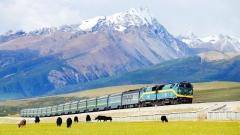
Getting into Tibet usually involves flying or taking the Qinghai-Tibet Railway. The train journey is often praised as one of the most scenic rail routes in the world, passing through vast grasslands, snow-capped mountains, and high-altitude lakes. It also provides a gradual ascent, which some travelers believe helps with acclimatization, though the cabins are pressurized and pumped with oxygen.
Once inside the region, independent exploration is not permitted for foreign tourists. You must travel with your guide and driver in a registered vehicle. Roads between major sites can be long, winding, and sometimes unpaved. Travel times are frequently longer than distances suggest due to speed limits, police checkpoints, and road conditions. Embrace the slow pace; the journey between destinations is often just as spectacular as the destinations themselves.
By understanding these practical realities—from securing permits with experienced operators like Tibet Yulong Travel to respecting the profound cultural heritage—you set the foundation for a safe and transformative adventure. Traveling to Tibet demands preparation, patience, and an open mind, but the rewards of standing on the Roof of the World are unlike anything else you will ever experience.