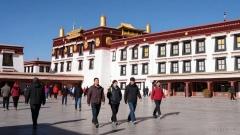
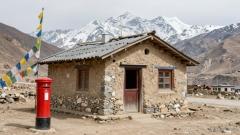
For Vietnamese travelers seeking an extraordinary adventure beyond Southeast Asia, deciding to travel to Tibet offers a completely different world. The transition from Vietnam’s humid lowlands and lush greenery to the high-altitude, arid landscapes of the Tibetan Plateau is nothing short of breathtaking. While the journey requires careful logistical planning due to strict entry regulations and significant elevation changes, the reward is an experience unlike any other. From ancient monasteries perched on rugged cliffs to crystal-clear sacred lakes, this destination draws adventurers from across the globe. Understanding the necessary permits, choosing the right transit route through mainland China, and preparing your body for the altitude are crucial steps before departure. With the right preparation, the dream to travel to Tibet from Vietnam becomes an accessible and deeply rewarding reality.
Key Takeaways:
- Transit via major Chinese cities like Chengdu or Kunming is required.
- A Tibet Travel Permit is mandatory and must be arranged in advance.
- Altitude sickness prevention is critical for visitors coming from sea level.
- Overland train routes offer excellent acclimatization compared to direct flights.
- Partnering with a licensed agency like Tibet Yulong Travel simplifies complex logistics.
Essential Routes to Travel to Tibet from Vietnam
There are no direct international flights connecting Vietnam to Lhasa, the capital of the Tibet Autonomous Region. Therefore, anyone looking to travel to Tibet from Vietnam must first transit through mainland China. The most practical approach is to fly from Hanoi or Ho Chi Minh City to a major Chinese gateway city that offers onward connections to Lhasa. Chengdu, Kunming, Chongqing, and Xi’an are the most popular transit hubs for this purpose.
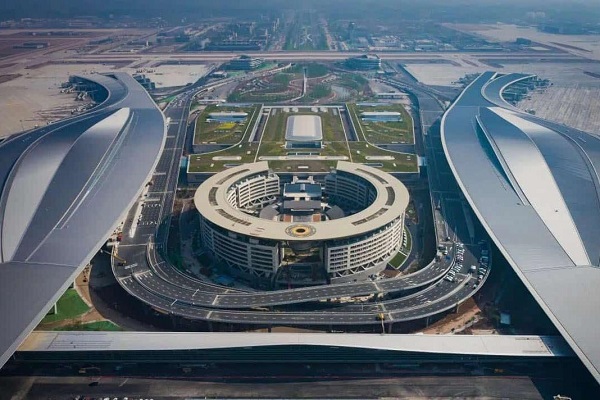
Chengdu is widely considered the best starting point. It serves as the primary aviation hub for flights into Lhasa Gonggar Airport, offering multiple daily departures. Additionally, Chengdu has excellent flight connectivity from both Hanoi and Ho Chi Minh City, making the transfer seamless. Kunming is another strong option, geographically closer to Vietnam and sharing a border with regions that lead toward the plateau, though direct flights from Kunming to Lhasa may be slightly less frequent than those from Chengdu.
When planning your itinerary to travel to Tibet, it is highly recommended to spend at least one or two nights in your chosen Chinese transit city. This brief stopover not only provides a buffer against potential flight delays but also allows you to finalize any last-minute document checks before heading to higher elevations. From these gateway cities, you have two main options to reach Lhasa: taking a domestic flight or boarding the famous Qinghai-Tibet Railway.
Securing Permits When You Travel to Tibet
The most critical aspect of organizing a trip to the Tibetan Plateau is understanding the permit system. Foreign nationals, including Vietnamese passport holders, cannot simply buy a ticket and enter the region independently. To legally travel to Tibet, every foreign visitor must obtain a Tibet Travel Permit (TTP), issued by the local tourism authorities. This permit is mandatory for boarding any flight or train bound for Lhasa and will be checked at various points during your journey within the region.
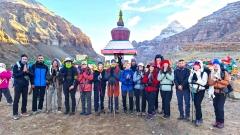
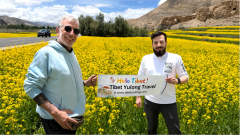
Individual applications for the TTP are not accepted; the permit must be applied for through a registered local travel agency on behalf of a pre-arranged tour group or private guided tour. This is where professional assistance becomes invaluable. Agencies such as Tibet Yulong Travel specialize in handling these bureaucratic requirements for international visitors. By booking your tour through them, they will collect copies of your passport and Chinese visa, submit the application, and deliver the physical permit to your hotel in your Chinese transit city before you depart for Lhasa.
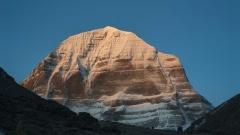
In addition to the standard TTP, if your itinerary includes destinations outside of Lhasa—such as Mount Everest Base Camp, Mount Kailash, or remote western prefectures—you will need supplementary documents. These include the Aliens’ Travel Permit (PSB Permit) and, for certain sensitive border areas, a Military Area Entry Permit. Your guiding agency will arrange these additional permits once you arrive in Lhasa, ensuring your entire route remains fully compliant with local regulations.
Preparing for High Altitude After Leaving Vietnam
Vietnam’s geography is predominantly characterized by low coastal plains, river deltas, and moderately elevated hills. The highest peak in Vietnam, Fansipan, reaches just over 3,100 meters, and very few Vietnamese residents live permanently at high altitudes. In stark contrast, the average elevation of the Tibetan Plateau exceeds 4,000 meters, with Lhasa itself sitting at approximately 3,650 meters. This dramatic shift makes altitude sickness the primary health concern when you travel to Tibet from Vietnam.
Acute Mountain Sickness (AMS) can affect anyone, regardless of age or physical fitness. Symptoms typically include headaches, nausea, dizziness, fatigue, and shortness of breath. Because Vietnamese travelers are usually accustomed to sea-level oxygen concentrations, the body requires time to adapt to the thinner air of the plateau.
To mitigate these risks, consider taking the train rather than flying directly into Lhasa. The Qinghai-Tibet Railway gradually ascends over several days, allowing your body to slowly acclimatize to the changing atmospheric pressure. If you must fly, plan to do absolutely nothing strenuous for the first 48 hours after arrival. Rest in your hotel, drink plenty of water, and avoid alcohol, caffeine, and heavy meals. Many experienced travelers also consult their doctors about taking acetazolamide (Diamox) prophylactically before the trip to speed up the acclimatization process. Always listen to your body; if symptoms worsen, descending to a lower altitude is the only definitive cure.
Cultural Etiquette and Sightseeing Highlights
Respecting local customs is paramount when you travel to Tibet. The region is deeply rooted in Tibetan Buddhism, and religious sites demand appropriate behavior. When visiting monasteries such as the Potala Palace, Jokhang Temple, or Drepung Monastery, dress modestly. Avoid wearing shorts, sleeveless shirts, or revealing clothing. Always walk clockwise around religious monuments, stupas, and prayer wheels, following the direction of local pilgrims. Photography inside temple chapels is often strictly prohibited, so always look for signage or ask your guide before raising your camera.
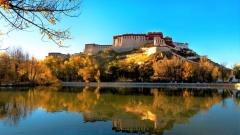
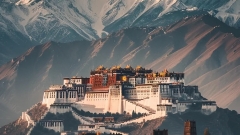
The Potala Palace, once the winter residence of the Dalai Lamas, is the architectural crown jewel of Lhasa. Visiting requires climbing numerous steep steps, which can be taxing at high altitude, so pace yourself carefully. Jokhang Temple, located in the heart of the Barkhor Street area, is the spiritual center of the region. Here, you will witness devout pilgrims performing full-body prostrations, a powerful display of faith that defines the atmosphere of the city.
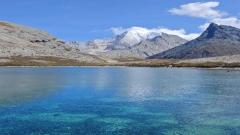
Beyond Lhasa, the natural landscapes are equally compelling. Yamdrok Lake, with its mesmerizing turquoise waters, is a common stop on the way to Gyantse. For the more adventurous, the journey to Everest Base Camp offers unparalleled views of the world’s highest peak, though it requires extra permits and several days of driving over high mountain passes.
Practical Logistics for Vietnamese Visitors
Before initiating your journey to travel to Tibet, ensure your Chinese visa is in order. Vietnamese citizens require a standard tourist visa (L visa) to enter mainland China. Apply for this at the Chinese Embassy or Consulate in Vietnam well in advance. Do not mention your intention to visit Tibet during the Chinese visa application process, as this can sometimes complicate or delay the approval. Simply apply for a standard tourist visa based on your entry into cities like Chengdu or Beijing.
Packing for the plateau requires strategic layering. Even in summer, temperatures drop significantly at night, and weather conditions can change rapidly. Bring thermal base layers, a windproof and waterproof outer shell, sturdy walking shoes, UV-protection sunglasses, and high-SPF sunscreen. The solar radiation at high altitudes is exceptionally strong, and sunburn is a common issue for unprepared travelers.
Currency exchange should be handled before leaving your transit city in mainland China. While mobile payments like WeChat Pay and Alipay dominate in Chinese cities, cash (Chinese Yuan/RMB) is still essential in many parts of Tibet, especially in remote towns or smaller monasteries. ATMs are available in Lhasa and Shigatse, but relying on them in rural areas is risky.
Finally, communication might present a minor hurdle. International roaming from Vietnamese telecom providers can be expensive, and purchasing a local Chinese SIM card upon arrival in your transit city is usually the most cost-effective solution. Ensure your phone is unlocked before departing Vietnam. With thorough preparation, reliable agency support, and a respectful mindset, your decision to travel to Tibet will result in one of the most memorable journeys of your life.