Walking through the high-altitude landscapes of Tibet, travelers often encounter piles of stones intricately carved with sacred texts and images. These are not ordinary rocks; they are a Mani Stone, a deeply revered element of Tibetan Buddhist culture. Found along mountain passes, riverbanks, and monastery walls, these carved stones serve as physical manifestations of prayer and devotion. For centuries, local artisans and pilgrims have chiseled mantras, deities, and auspicious symbols into rock surfaces, transforming barren terrain into open-air galleries of faith. Understanding the Mani Stone offers a unique window into the spiritual life of the Tibetan Plateau. Whether you are a cultural enthusiast or an adventurous traveler, learning about this tradition enriches any journey through the Himalayas.
Key Highlights:
- A Mani Stone is carved with sacred Buddhist mantras and imagery.
- These stones form large ritual mounds known as Mani walls.
- Carving stones is considered a meritorious act in Tibetan Buddhism.
- They serve as both religious tools and unique Tibetan folk art.
- Travelers can respectfully observe them across the Tibetan Plateau.
What Exactly Is a Mani Stone?
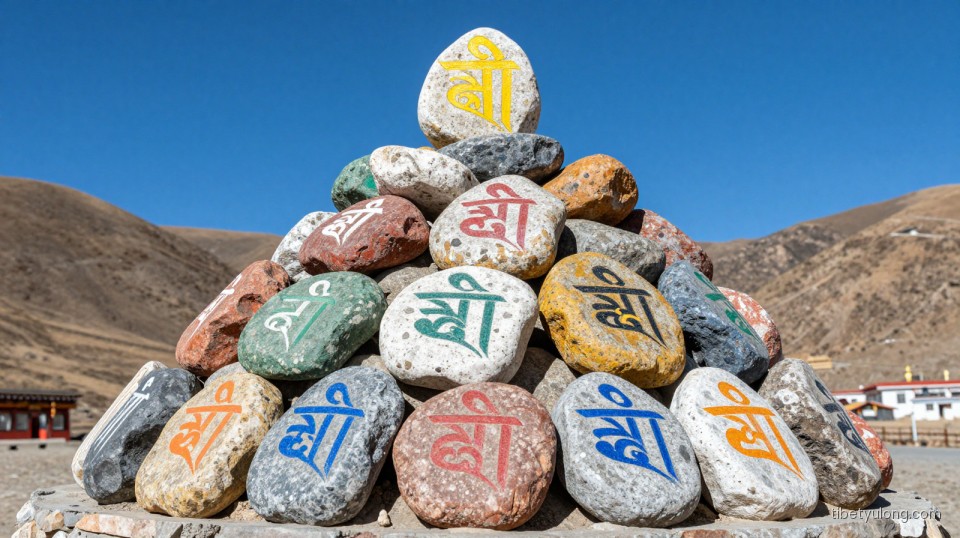
A Mani Stone refers to any rock, pebble, or boulder that has been inscribed with the six-syllable mantra of Avalokiteshvara, the bodhisattva of compassion: “Om Mani Padme Hum.” This mantra is the most common inscription, which gives the stone its name. However, the carvings are not limited to text. Many stones feature detailed depictions of Buddhas, protective deities, dharma wheels, lotus flowers, and other significant Buddhist iconography.
The practice of carving these stones is deeply embedded in the daily lives of Tibetan people. It is not merely an artistic endeavor but a spiritual discipline. Every strike of the chisel is accompanied by silent or spoken prayers. The resulting artwork ranges from simple, rough etchings on small river pebbles to massive, highly detailed bas-reliefs on giant boulders. This diversity in scale and craftsmanship makes every Mani Stone a unique piece of mysterious Tibetan folk art, reflecting the individual devotion of its creator while contributing to a collective spiritual heritage.
The Spiritual Significance of the Mani Stone in Tibetan Buddhism
In Tibetan Buddhism, the creation and placement of a Mani Stone is considered an act of immense merit. The fundamental belief is that the natural elements—wind, water, and earth—interact with the carved mantras to spread blessings continuously. When the wind blows over the inscribed stones, it carries the sacred syllables into the atmosphere, purifying the surrounding environment. Similarly, when rain washes over a Mani Stone and flows into rivers, the water is believed to carry those blessings downstream to all living beings who drink or bathe in it.
This concept transforms static rocks into dynamic engines of compassion. Pilgrims traveling to sacred sites will often carry a carved stone with them to add to existing piles, ensuring their prayers remain long after they have departed. The accumulation of these stones creates powerful spiritual focal points. Devotees walk clockwise around these accumulations, spinning prayer wheels and chanting, integrating the physical landscape directly into their meditative practices. The enduring nature of stone symbolizes the eternal truth of the Buddha’s teachings, making the Mani Stone a perfect medium for expressing unwavering faith.
From Single Rocks to Monumental Mani Walls
While a single Mani Stone holds deep personal significance, the true visual impact of this tradition is seen when thousands or even millions of them are gathered together. Over generations, individual offerings accumulate to form massive structures known as Mani walls or Mani mounds. These structures can stretch for hundreds of meters, creating striking lines of color and texture against the stark, rugged backdrop of the Himalayan mountains.
One of the most famous examples is the Jiana Mani Stone Wall in Yushu, Qinghai Province. This incredible structure consists of billions of carved stones and stretches over several hundred meters in length. Walking alongside such a wall is a humbling experience. The sheer volume of human effort, devotion, and time invested in stacking these stones defies modern comprehension. The colors used to paint the carvings—traditionally white, red, yellow, blue, and green—represent the five elements and the five Buddha families. As the sun hits the painted surfaces, the walls seem to glow, turning the landscape into a vibrant canvas of Tibetan folk art.
The Craftsmanship Behind Tibetan Folk Art
The creation of a Mani Stone requires patience, skill, and a deep understanding of Buddhist iconography. Traditional artisans, often monks or dedicated lay practitioners, use simple hand tools like iron chisels and hammers to carve the hard slate or granite. The process begins with selecting the right stone. Flat, smooth surfaces are preferred for intricate designs, while rounded river stones might only receive a simple painted mantra.
The carving techniques vary by region. In some areas, artists use intaglio (carving into the surface), while others prefer bas-relief (raising the image from the background). Once the carving is complete, the stone is typically painted using natural pigments derived from minerals and plants. This ensures the colors withstand the harsh, high-altitude weather conditions, though constant exposure to wind and snow eventually fades them, prompting locals to repaint and maintain the stones as an ongoing act of devotion. This continuous cycle of carving, painting, weathering, and restoring highlights the living nature of this mysterious Tibetan folk art. It is never truly finished; it evolves alongside the community that sustains it.
Encountering the Mani Stone During Your Tibet Journey
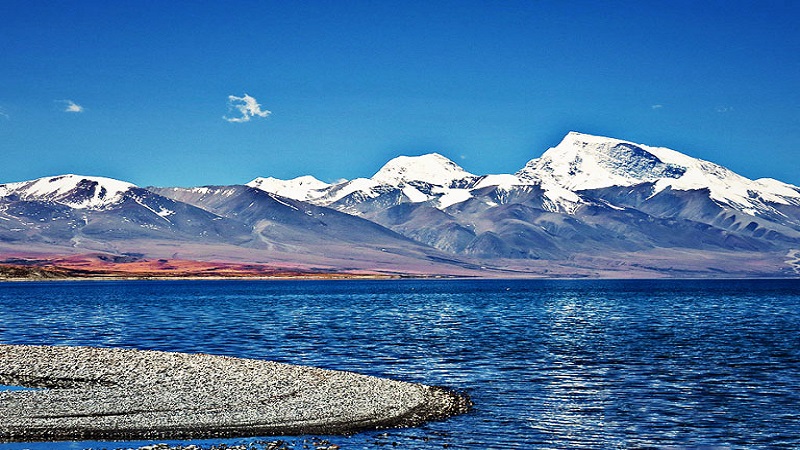
For travelers exploring the Tibetan Plateau, encountering a Mani Stone is almost inevitable. They mark the highest points of mountain passes, indicating that a traveler has safely navigated the treacherous ascent. They line the shores of sacred lakes like Namtso and Yamdrok, and they frame the entrances to ancient monasteries. Each location offers a different context for appreciating these sacred objects.
When visiting these sites, it is crucial to approach them with respect. Travelers should always walk clockwise around Mani walls and stone mounds, following the traditional direction of Buddhist circumambulation. It is strictly forbidden to remove a Mani Stone from its resting place, as doing so is considered a severe disruption of the accumulated spiritual energy and a sign of disrespect to local beliefs. Photography is generally acceptable, but visitors should avoid stepping on the stones or sitting on Mani walls. Engaging with local guides can provide deeper insights into the specific stories behind regional carvings, transforming a simple sightseeing stop into a profound cultural exchange. Understanding the etiquette surrounding the Mani Stone ensures that tourism supports rather than diminishes local traditions.
Planning Your Cultural Exploration with Tibet Yulong Travel
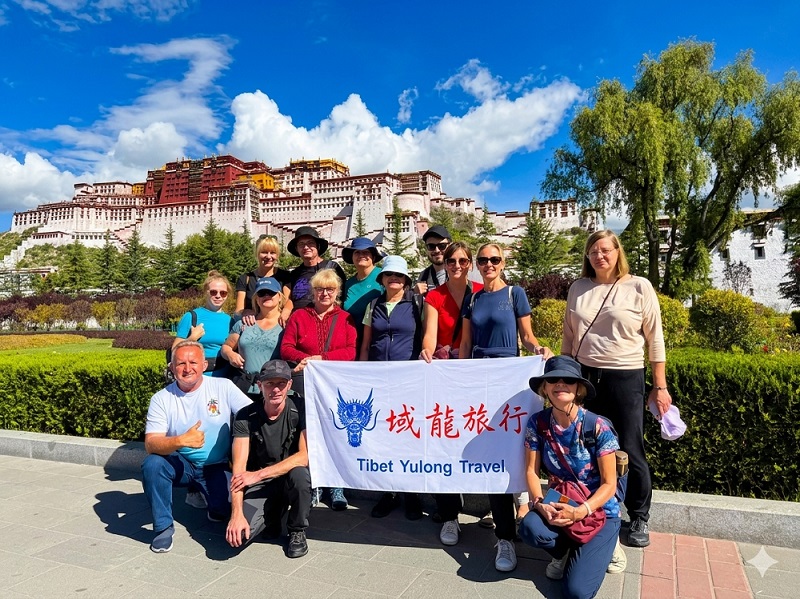
Navigating the remote regions where the most impressive Mani Stone formations exist requires careful planning and local expertise. High altitudes, rugged roads, and distinct cultural protocols mean that independent travel can be challenging. This is where specialized agencies like Tibet Yulong Travel become invaluable. By organizing itineraries that prioritize authentic cultural encounters, Tibet Yulong Travel helps visitors move beyond superficial sightseeing to engage meaningfully with Tibetan heritage.
Whether your goal is to witness the sprawling Mani walls of Kham, explore the sacred valleys of U-Tsang, or simply understand the daily rituals of local communities, having knowledgeable guides ensures a safe and respectful journey. Tibet Yulong Travel focuses on sustainable tourism practices, ensuring that the influx of visitors benefits local artisans and preserves the integrity of sacred sites. Through their expertly crafted routes, travelers can stand before a towering mound of carved prayers, feel the wind carrying ancient mantras across the plateau, and truly comprehend why the Mani Stone remains one of the world’s most captivating expressions of faith and artistry.