
✨ Highlights:
- 🕌 Witness the spectacular Buddha‑unfolding Thangka ceremony at Drepung Monastery, the iconic opening of Shoton Festival
- 🎭 Enjoy authentic Ache Lhamo Tibetan opera and lively local garden picnics inside Norbulingka
- 🥛 Taste traditional homemade yak yogurt, the signature treat of the Tibet Shoton Yogurt Festival
- 🗓️ Ready‑made 3‑day itinerary covering religious rituals, food and Lhasa cultural sightseeing
- 📋 Handy Shoton Festival Tibet travel tips: altitude acclimatisation, cultural etiquette and booking advice for foreign visitors
If you are planning a cultural trip to Tibet in summer, the Shoton Festival is undoubtedly the most unmissable grand traditional event. Known as the Tibet Shoton Yogurt Festival, it is one of the most prestigious and lively festivals in Tibet’s annual calendar, perfectly integrating solemn Buddhist rituals, intangible cultural heritage performances, local folk customs and plateau gourmet culture. This detailedShoton Festival Tibet Experience Guide will comprehensively introduce the festival’s origin, core activities, must‑visit spots, travel itineraries, food recommendations and practical travel tips, helping global tourists fully experience the authentic charm of Tibetan traditional culture and make the most of your summer plateau trip.
Held annually in August in Lhasa, the core area of Tibet, the Shoton Festival has a history of more than 300 years. It was originally a pure religious Buddhist festival and has evolved into a comprehensive cultural carnival that gathers pilgrimages, opera performances, folk gatherings and tourism celebrations. Many first-time travelers often ask when is Shoton Festival in Tibet and how to arrange a worthwhile trip during the celebration period. Every year during the festival period, the whole city of Lhasa is immersed in a festive and sacred atmosphere, attracting countless domestic and foreign tourists, religious pilgrims and cultural lovers to gather here. Whether you are a cultural explorer, a photography enthusiast, or a traveler pursuing niche authentic experiences, the Shoton Festival will bring you an unforgettable plateau cultural feast.
The Origin & Meaning of Tibet Shoton Yogurt Festival
To better understand the fun of the Shoton Festival experience, it is necessary to first clarify its cultural connotation and historical origin. The word “Shoton” is derived from the Tibetan language, in which “Sho” means yogurt and “Ton” means banquet. Literally, it translates to Yogurt Banquet Festival, which vividly reflects the most distinctive dietary feature of the festival: locals prepare homemade yak yogurt to entertain guests and celebrate the festival.
The festival originated from the ancient Buddhist precept tradition of Tibet. In early summer every year, Tibetan monasteries will hold a closed‑door practice period. Monks abide by religious rules, avoid stepping out to prevent trampling on growing plants and insects, and devote themselves to closed meditation. When the closed practice ends in early August, monks walk out of the monasteries. Local believers will spontaneously present homemade yak yogurt to the monks to show their respect and gratitude, praying for blessings and peace. This custom has been passed down from generation to generation and gradually evolved into today’s grand Shoton Festival.
Tibetan Opera Show at Norbulingka Summer Palace
After centuries of inheritance and development, the modern Shoton Festival has broken the single religious attribute. It not only retains solemn Buddhist rituals, but also integrates Tibetan opera performances, folk markets, garden gatherings and other rich folk activities. It has become a cultural symbol that carries Tibet’s traditional beliefs, folk customs and ethnic emotions, and is also a key window for the world to understand Tibet’s intangible cultural heritage culture.
2026 Shoton Festival Core Time & Best Visiting Window
For tourists eager to attend this grand plateau carnival, figuring outthe best time to visit Lhasa for Shoton Festival is the top priority for a perfect travel arrangement. The Shoton Festival is held in Lhasa every year with a fixed cycle, and the 2026 Tibet Shoton Festival will be grandly held from August 12 to August 18, lasting for 7 days, with rich and wonderful activities covering the whole cycle. The first day features the most sacred Buddha-unfolding ceremony, while the following days showcase folk operas, food feasts and family gatherings, offering diverse cultural experiences for visitors.
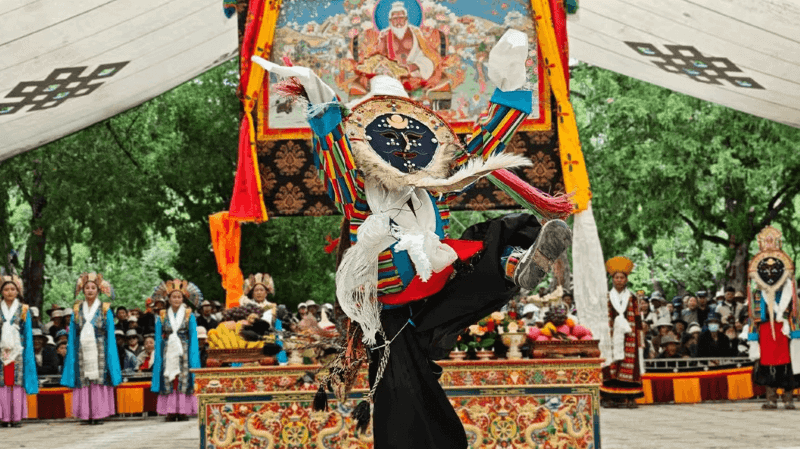
Enjoy Traditional Tibetan Opera in Norbulingka during Shoton Festival
The core activity venues are concentrated in the core scenic spots of Lhasa, mainly including Drepung Monastery and Norbulingka. Drepung Monastery, one of the largest monasteries in Tibet, undertakes the most sacred opening ceremony of the festival — the Buddha‑unfolding ceremony; Norbulingka, known as the Summer Palace of Tibet, is the main venue for Tibetan opera performances and folk garden gatherings, where the festive atmosphere is the strongest and most lively. In addition, Longwangtan Park and major urban parks in Lhasa will also hold various folk supporting activities during the festival, allowing tourists to feel the festive atmosphere everywhere in the city.
Unmissable Core Experiences of Shoton Festival
The richness of the Shoton Festival experience lies in its perfect combination of sacred religious rituals and lively folk customs. The following four core activities are must‑experience items for every tourist, which can fully capture the essence of the festival.
Grand Buddha‑Unfolding Ceremony (Festival Opening Ceremony)
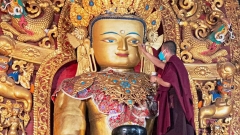
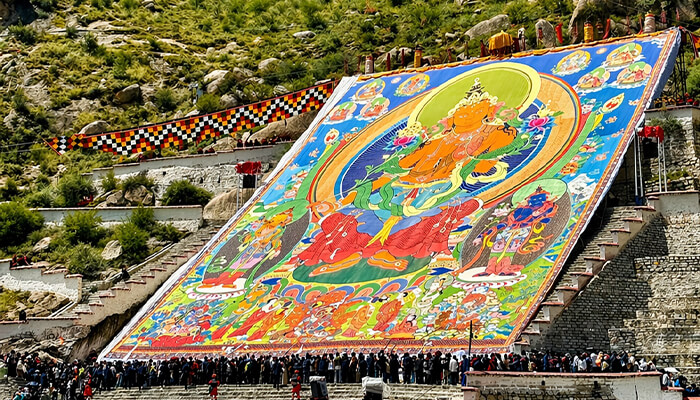
The most shocking and sacred core activity of the Shoton Festival is the Buddha‑unfolding Ceremony at Drepung Monastery, which also kicks off the entire festival. This grand ceremony only takes place on the first day of the Shoton Festival every year, and it is the most anticipated link for pilgrims and tourists.
The ceremony starts in the early morning with sunrise. Tens of thousands of local believers and foreign tourists gather on the hillside of Drepung Monastery before dawn. Monks carry the huge hand‑embroidered Thangka Buddha statue and slowly unfold it on the special Buddha‑unfolding wall on the hillside. When the first ray of golden sunrise shines on the giant Buddha Thangka, the whole valley is shrouded in a sacred and solemn atmosphere. The sound of sutra chanting, horn blowing and devout prayers echoes endlessly. Tourists can witness the most solemn religious ritual of Tibet up close and feel the profound faith power of the plateau nation.
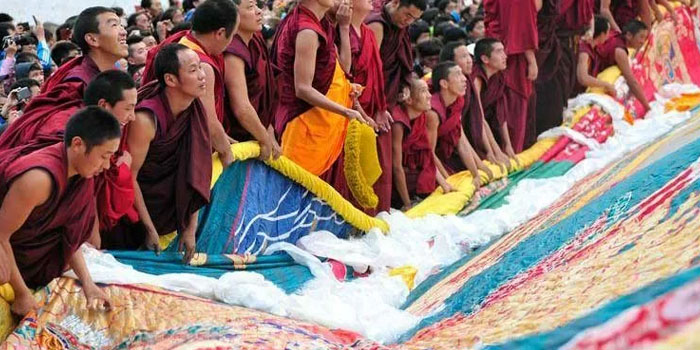
Buddha Exhibition Festival
Practical experience tip: The Buddha‑unfolding ceremony has a large passenger flow. It is recommended to arrive at Drepung Monastery before 3:30 a.m. on the first day of the festival. The official traffic control and free shuttle buses will be opened in advance, which is convenient for tourists to travel. The morning light is soft and golden, which is the best time to shoot Thangka and sunrise Buddha‑viewing scenes, with excellent photography effect.
Traditional Tibetan Opera Performances
After the sacred Buddha‑unfolding ceremony, the lively folk carnival officially begins. Norbulingka is the core venue for Tibetan opera performances during the Shoton Festival. As the summer royal garden of Tibet, Norbulingka has lush vegetation and a quiet environment, becoming a natural open‑air opera theater during the festival.
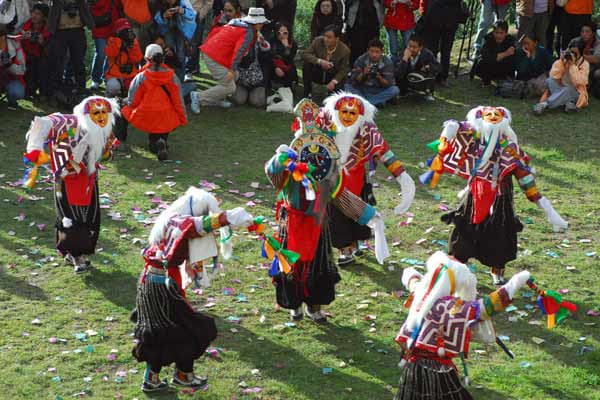
Every year during the festival, famous Tibetan opera troupes from all over Tibet gather here to perform Ache Lhamo, the intangible cultural heritage of Tibet. The opera content is derived from ancient Buddhist stories, Tibetan historical legends and ethnic folk tales. Performers wear gorgeous traditional costumes, with exquisite facial makeup and vivid singing and dancing, interpreting the thousand‑year‑old Tibetan traditional art. The performance starts at 11 a.m. every day and lasts until sunset, with continuous wonderful programs without interruption.
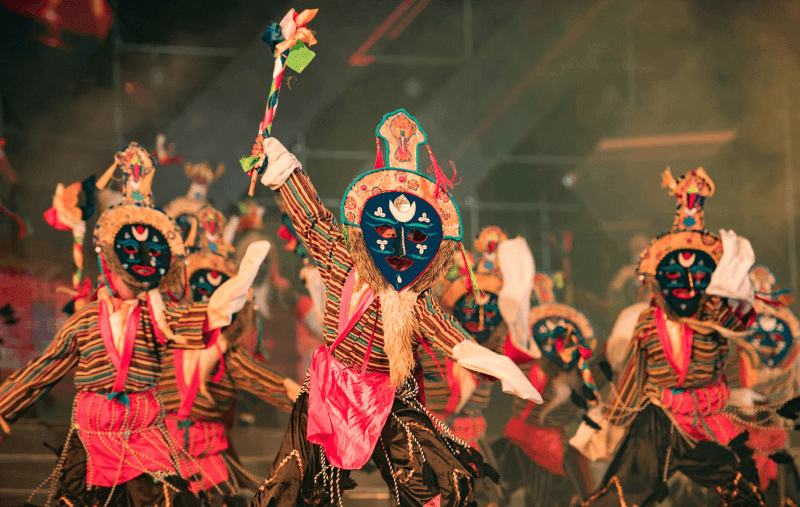
Tibetan Opera: A ‘living fossil’ of Tibetan culture
Different from formal stage performances, the Tibetan Opera of Shoton Festival is more grounded. Tourists can sit on the grass in the garden with local families, watch the opera while tasting yak yogurt and plateau snacks, and integrate into the most authentic Tibetan folk life. This relaxed and immersive cultural experience is unique to the Shoton Festival.
Authentic Tibetan Yogurt Tasting & Gourmet Feast
As the alias “Yogurt Festival” suggests, tasting authentic plateau yak yogurt is an essential experience of the Shoton Festival. Different from industrial yogurt in the market, the festival’s special yak yogurt is made by local Tibetans with pure high‑altitude yak milk through natural fermentation, without any additives.
It has a thick cheese‑like texture, rich milk fragrance, and a slight natural sour taste, with a layer of delicate golden cream on the surface. Local people often eat it with highland barley sugar or honey, which balances the sour taste and is sweet and mellow. During the festival, major parks and streets in Lhasa are full of yogurt stalls, and every family will prepare homemade yogurt to entertain relatives and friends. Tourists can taste the most authentic plateau flavor at a low price.
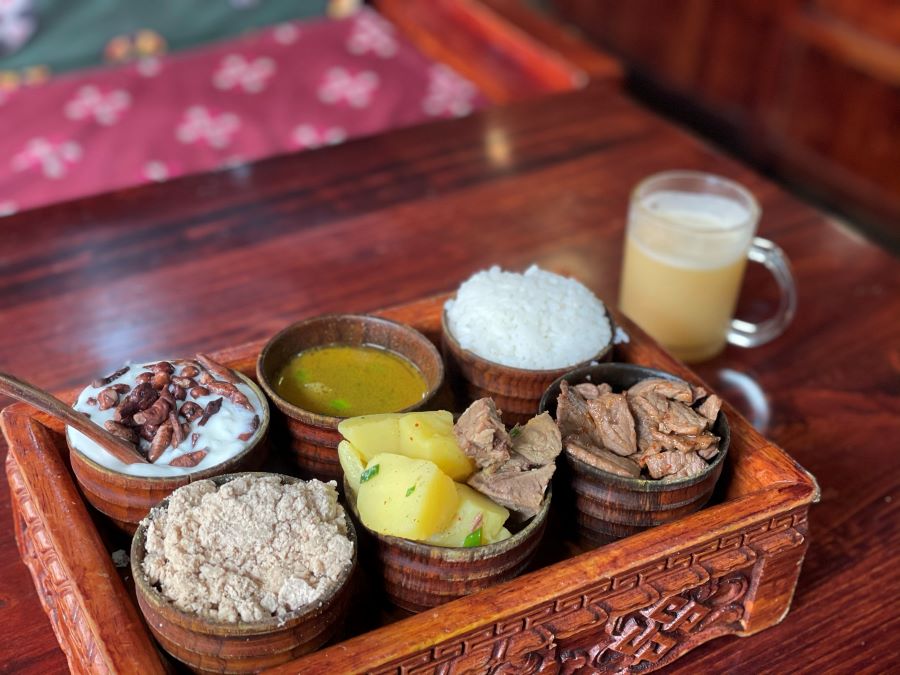
Tibetan-Style Yogurt and Delicacies
In addition to yak yogurt, the Shoton Festival also gathers a variety of Tibetan characteristic delicacies, including highland barley cakes, butter tea, stewed yak meat, Tibetan sausages and plateau wild fruits. While enjoying the cultural feast, tourists can fully satisfy their taste buds and feel the unique dietary culture of the plateau.
Folk Gathering & Plateau Garden Picnic
The Shoton Festival is also the most lively family gathering festival in Tibet. During the 7‑day festival, local Tibetan families will bring prepared yogurt, delicacies and cushions, and gather in Norbulingka and city parks for outdoor picnics. You will see groups of friends and relatives spread colourful Tibetan carpets on the lawn, share homemade food, chat, sing folk songs and dance casually. This laid‑back garden party is a huge part of the Shoton Festival vibe.
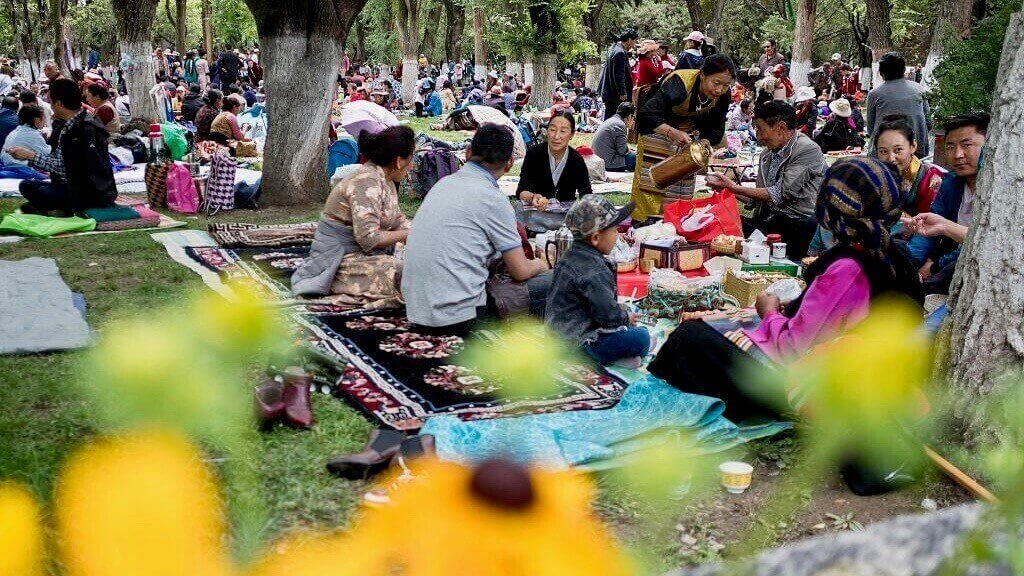
Plateau Garden Picnic
Tourists are welcome to keep a respectful distance and even join local crowds if you are greeted warmly. It is a fantastic chance to observe real everyday Tibetan culture beyond tourist attractions. Many visitors bring simple snacks and sit beside locals to enjoy the atmosphere, making unforgettable travel memories.
Suggested 3‑Day Shoton Festival Tibet Experience Itinerary
If you plan to visit Lhasa specifically for the Shoton Festival, this condensed 3‑day itinerary will help you hit all highlights without rushing, fully matching the core demands of Shoton Festival Tibet travel tips for first-time visitors.
Day 1: Witness the Buddha‑Unfolding Ceremony at Drepung Monastery
Wake up extremely early and head for Drepung Monastery before dawn to watch the grand Thangka unfolding at sunrise. After the ceremony, walk around the monastery halls, appreciate ancient murals and feel the religious atmosphere. Return to Lhasa city for rest in the late morning to avoid altitude fatigue. Spend your afternoon strolling Barkhor Street and Jokhang Temple, absorbing Lhasa’s everyday pilgrim atmosphere.
Day 2: Norbulingka Full‑Day Festival Immersion
Spend the whole day inside Norbulingka. Watch non‑stop Ache Lhamo Tibetan opera shows, taste bowls of fresh yak yogurt, wander among picnic groups of local families. Bring sun protection and a light blanket to sit on the grass. You can leave in the late sunset when most performances finish.
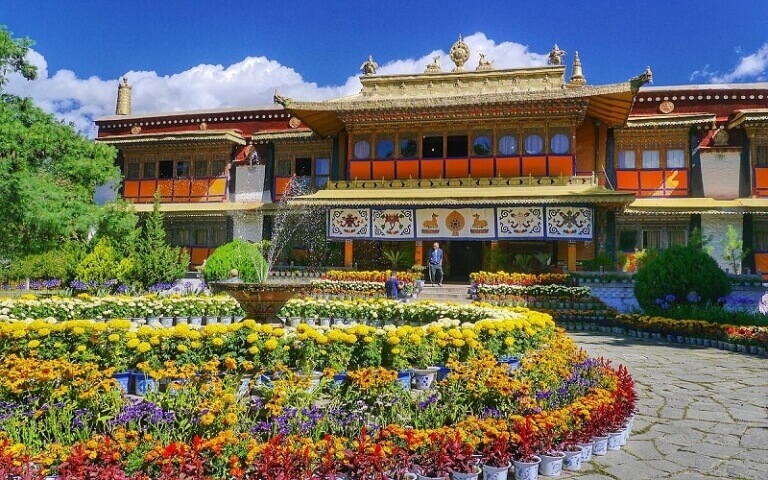
Norbulingka
Day 3: Deep‑Dive Lhasa Culture & Relaxation
Visit Potala Palace in the morning. In the afternoon, explore local markets for handicrafts, try more Tibetan food, and chat with residents to hear their personal stories about Shoton Festival. If time permits, take a short trip to Sera Monastery to watch the famous monk debating session, rounding off your cultural tour.
Essential Travel Tips for Shoton Festival Visitors
To ensure a smooth and pleasant trip, mastering professional Shoton Festival Tibet travel tips is essential, especially for travelers visiting the high-altitude plateau for the first time.
Altitude & Physical Preparation
Lhasa sits at around 3650 metres. Festival activities require early mornings and long hours of walking. Arrive in Lhasa at least 2‑3 days before Shoton Festival starts to acclimatise. Keep hydrated, avoid heavy alcohol in the first few days, and do not push yourself if you feel dizzy. The Buddha‑unfolding day means getting up in the middle of night; prepare warm jackets because mountain temperatures are very low before sunrise, even in August. Strong UV radiation demands high‑factor sunscreen, hats and sunglasses.
Cultural Etiquette Rules
When you attend religious rituals at Drepung Monastery, keep your voice low. Do not step on threshold of monastery buildings. Never point your camera directly at monks or pilgrims without permission. Do not climb or touch the giant Buddha Thangka. Dress modestly: avoid shorts, sleeveless tops inside monastery premises. When you join park gatherings, respect local privacy; ask before photographing local families.
Practical Booking Advice
Shoton Festival falls within Tibet’s peak summer tourist season. Hotels in central Lhasa fill up quickly. Book accommodation, Tibet travel permit and Potala Palace tickets months in advance. Public transport will be adjusted during festival days; official free shuttles run for Drepung Monastery, yet taxis are hard to get in pre‑dawn hours. Plan your transport ahead of time.
Final Thoughts
Many travellers come to Tibet for landscapes and famous landmarks, but the Shoton Festival delivers one‑of‑a‑kind living cultural experience you cannot get from standard sightseeing tours. As the most representative folk celebration of the plateau, the Tibet Shoton Yogurt Festival blends sacred devotion, centuries‑old performing arts, warm local hospitality and unique plateau food all in one week‑long celebration.
Your immersive journey guided by this Shoton Festival Tibet Experience Guide will stay with you long after your trip ends. You will not only watch a festival as an outsider spectator, but get a real glimpse into local Tibetan life, beliefs and joy. Grasping the best time to visit Lhasa for Shoton Festival and preparing fully with professional travel tips will help you create an extraordinary cultural adventure on the roof of the world.