Mount Kailash stands as one of the most sacred and physically demanding pilgrimage destinations on Earth. Completing the 52-kilometer circumambulation, known as the kora, requires traversing altitudes exceeding 5,600 meters at the Dolma La Pass. At these extreme elevations, even the fittest trekkers face unpredictable risks ranging from acute mountain sickness to sudden weather shifts. Securing comprehensive travel insurance for Kailash kora trekking is not merely a bureaucratic requirement; it is a fundamental component of your survival strategy. Without the right policy, a medical emergency in this remote region of western Tibet can lead to devastating financial consequences or delayed rescue operations. This guide breaks down exactly what you need to know before setting foot on the trail.
Key Takeaways:
- Standard policies rarely cover altitudes above 4,000 meters.
- Helicopter evacuation coverage is absolutely non-negotiable.
- Ensure your policy explicitly includes remote regions of Tibet.
- Coverage must include acute mountain sickness and high-altitude pulmonary edema.
- Verify that your insurer has a 24/7 global emergency assistance hotline.
Why You Need Specialized Travel Insurance for Kailash Kora Trekking
The environment surrounding Mount Kailash is unforgiving. Unlike commercial treks in Nepal or popular routes in Europe, the Kailash kora takes place in an incredibly isolated part of the Tibetan Plateau. There are no hospitals along the trail, and the nearest fully equipped medical facilities are hours away by vehicle, assuming the roads are passable. When you purchase travel insurance for Kailash kora trekking, you are buying access to emergency logistics that simply do not exist otherwise.
Many travelers mistakenly believe their standard travel insurance or premium credit card benefits will protect them during this journey. In reality, almost all basic travel insurance plans contain strict altitude exclusions. If your policy caps coverage at 3,000 or 4,000 meters, any incident occurring at the Dolma La Pass (5,630 meters) or even at the Dirapuk Monastery campsite (around 5,000 meters) will be entirely excluded from your claim. Insurance providers view high-altitude trekking as an extreme sport, requiring specialized underwriting. Failing to secure a policy designed for extreme altitudes leaves you personally responsible for costs that can easily exceed tens of thousands of dollars.
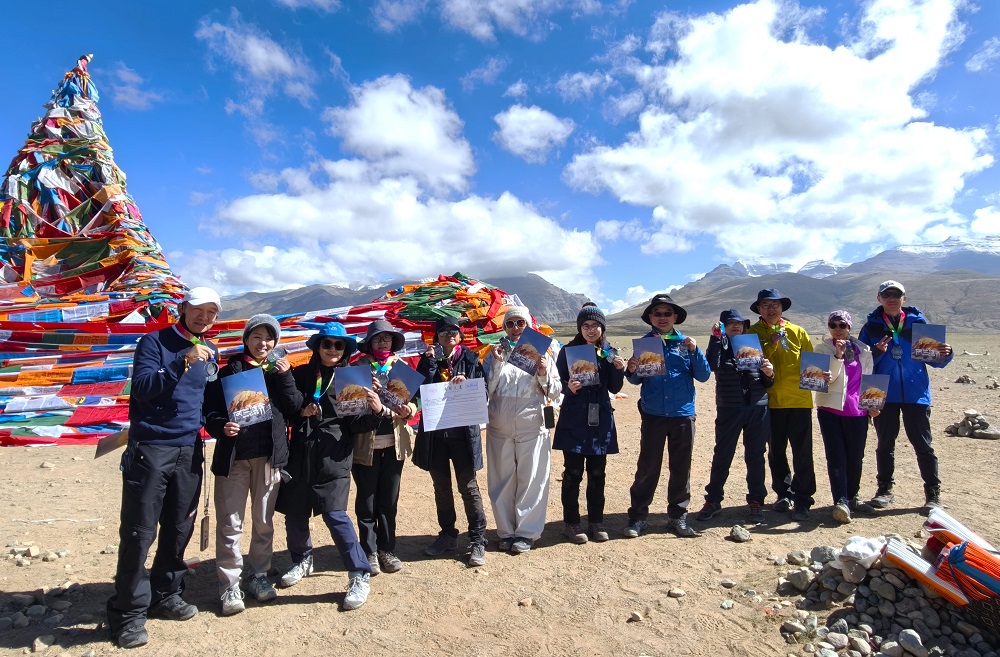
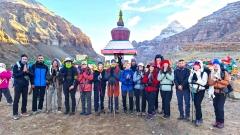
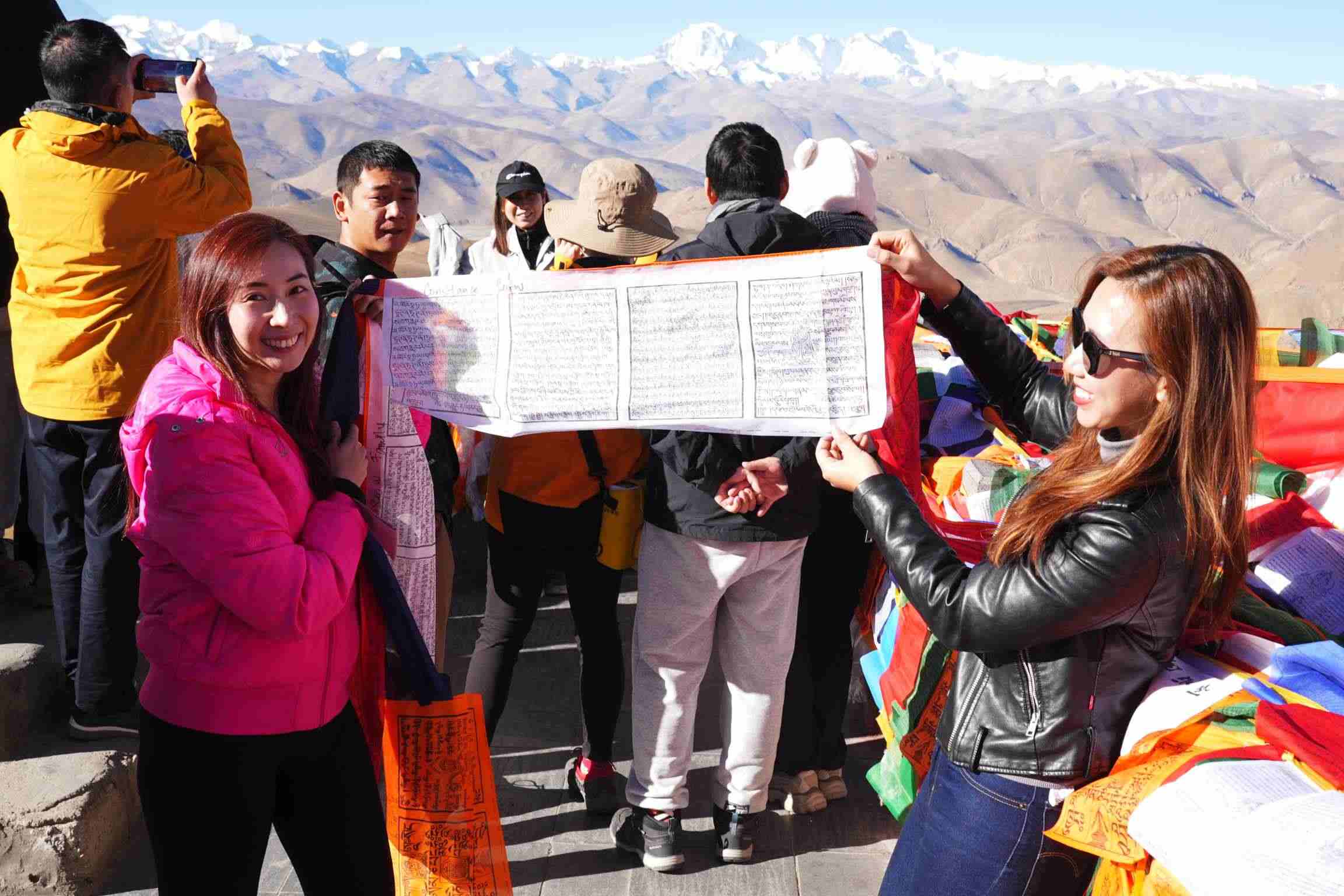
Group photo of tourists at Mount Kailash
Furthermore, the political and administrative landscape of Tibet adds another layer of complexity. Foreign travelers cannot navigate Tibet independently; they must travel with organized groups and hold specific permits. If a medical issue forces you to abandon the trek, rearranging transport, securing new permits for early exit, and coordinating with local authorities requires immediate financial backing and logistical support that only a robust insurance policy can provide.
Essential Coverages to Look for in Your Policy
When evaluating travel insurance for Kailash kora trekking, you must scrutinize the fine print. Do not rely on marketing brochures or general summaries. You need to confirm specific clauses that address the unique challenges of the Tibetan Plateau.
High-Altitude Medical Coverage
Your policy must explicitly state that it covers trekking up to at least 6,000 meters. Some insurers offer “extreme sports” or “adventure trekking” add-ons that raise the altitude ceiling. Ensure that this coverage applies to both accidental injuries and illnesses directly related to altitude, such as Acute Mountain Sickness (AMS), High Altitude Pulmonary Edema (HAPE), and High Altitude Cerebral Edema (HACE). Many standard policies classify altitude sickness as a pre-existing condition or a foreseeable event, thereby denying claims. You need a provider that specifically lists AMS treatment as a covered benefit.
Emergency Evacuation and Rescue
This is arguably the most critical component of your insurance. If you develop severe HAPE at 5,200 meters, descending quickly is the only cure. However, walking out might be impossible. Emergency evacuation coverage should include helicopter rescue. Keep in mind that helicopter operations in Tibet are heavily regulated and often require coordination with military or government authorities. Your insurance provider must have the capability and the network to authorize and fund these complex extractions. Look for policies that offer unlimited or exceptionally high limits for emergency evacuation, as chartering a helicopter in remote Tibet is extraordinarily expensive.
Repatriation of Remains and Medical Repatriation
While unpleasant to consider, a comprehensive policy must cover the cost of returning you to your home country if you suffer a severe injury or illness that prevents you from continuing your journey via standard commercial flights. Medical repatriation involves flying with medical personnel or specialized equipment, which incurs massive costs. Similarly, in the tragic event of death, the policy should cover the complex logistics and expenses associated with the repatriation of remains from a highly restricted region.
Trip Cancellation and Interruption
The journey to Mount Kailash involves long overland drives from Lhasa or Kathmandu, or flights to Ali Gunsa Airport, which are frequently delayed or canceled due to high winds and unpredictable weather. If your permit is denied at the last minute, or if a flight cancellation causes you to miss the start of your guided trek, trip cancellation and interruption coverage will reimburse your non-refundable expenses. Ensure the policy covers delays caused by weather, political unrest, or permit issues specific to Tibet.
Gear and Personal Belongings
Trekking the kora requires specialized, expensive gear—down jackets rated for sub-zero temperatures, high-quality sleeping bags, trekking poles, and technical footwear. Baggage delay or loss coverage is important, especially since flights into Ali are prone to luggage mishandling. Ensure your policy provides adequate limits to replace essential cold-weather gear immediately upon arrival, as surviving without it is not an option.
Common Exclusions That Could Ruin Your Claim
Understanding what your travel insurance for Kailash kora trekking does not cover is just as important as knowing what it does. Insurers use exclusions to limit their liability, and in high-risk environments, these exclusions are strictly enforced.
One major pitfall is the exclusion of unguided trekking. Because foreign nationals are legally required to travel with a registered guide in Tibet, attempting any portion of the kora outside the supervision of your official tour group will instantly void your insurance. Always stay with your designated guide and group.
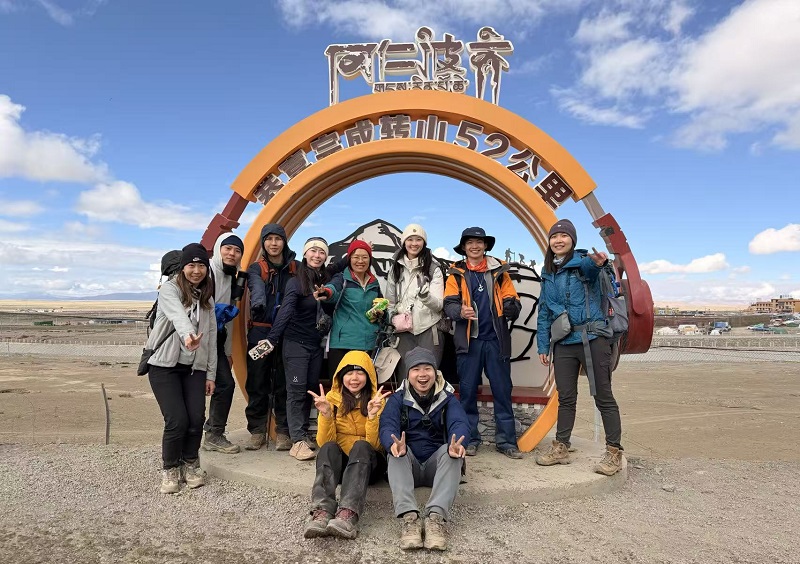
Mount Kailash Visitors
Another common exclusion relates to alcohol and substance use. If a medical emergency occurs and blood tests reveal you were under the influence of alcohol, the insurer may deny the claim. Given the physiological strain of high altitude, consuming alcohol during the kora is strongly discouraged anyway, but from an insurance perspective, it is a guaranteed way to lose your coverage.
Pre-existing medical conditions are also heavily scrutinized. If you have a history of cardiovascular issues, respiratory problems, or hypertension, you must declare these when purchasing the policy. Failing to disclose a pre-existing condition that flares up at 5,000 meters will result in a denied claim. Some specialized insurers offer waivers for pre-existing conditions if the policy is purchased within a specific timeframe after booking your trip.
Finally, pay attention to exclusions regarding “disregard for safety.” If your guide advises against crossing a specific section of the trail due to rockfall or severe weather, and you choose to proceed anyway, resulting in an injury, the insurance company will likely classify this as reckless behavior and refuse to pay.
How to Choose the Right Insurance Provider
Not all insurance companies are created equal, especially when it comes to extreme adventure travel. When shopping for travel insurance for Kailash kora trekking, prioritize companies that specialize in mountaineering, expedition, or high-altitude trekking insurance.
Start by researching providers that have a proven track record in the Himalayas and the Tibetan Plateau. Read reviews from other trekkers who have completed the Kailash kora. Forums dedicated to Himalayan trekking are excellent resources for finding out which companies actually honor their claims in remote areas. A provider might look great on paper, but if their emergency assistance team has no experience navigating the bureaucratic hurdles of Tibet, their policy is practically useless.
Evaluate the financial limits of the policy. For medical expenses, a minimum of $200,000 USD is recommended, though higher is better. For emergency evacuation, look for limits of at least $500,000 USD, or ideally, unlimited coverage. The cost of a helicopter rescue from the Dolma La Pass, combined with subsequent hospital care in Lhasa or Kathmandu and a medically escorted flight home, can rapidly exceed standard policy limits.
Check the responsiveness of their 24/7 emergency hotline. Before you buy, call their customer service with hypothetical questions about Tibet. Gauge their knowledge and willingness to help. If they seem confused about the geography or the regulations of traveling in Tibet, look elsewhere. You need an insurer whose emergency response team operates seamlessly across international borders and time zones.
Practical Tips for Managing Your Insurance During the Trek
Purchasing the policy is only the first step. How you manage your documentation during the journey determines how smoothly a claim process will go if things go wrong.
Before leaving your hotel in Darchen (the starting point of the kora), ensure you have physical copies of your insurance policy, the emergency contact numbers, and your policy number. Cell phone service is virtually non-existent along most of the kora route. You cannot rely on accessing a digital PDF on your smartphone when you are stranded at a high camp. Give a copy of your policy details to your head guide. Guides operating in Tibet, particularly those working with reputable agencies like Tibet Yulong Travel, are highly experienced in handling emergencies. They know the terrain, they understand the communication protocols, and they can act as the vital link between you, the local authorities, and your insurance provider’s emergency team. Partnering with an established operator like Tibet Yulong Travel ensures that your guides are trained to facilitate rapid evacuations and communicate effectively with rescue services, making your insurance policy far more effective.
Keep a detailed log of any medical treatments you receive, no matter how minor. If you visit a local clinic in Darchen for a headache or take prescribed medication for mild altitude symptoms, keep every receipt, prescription, and doctor’s note. Insurance adjusters require meticulous documentation to process claims.
If an emergency occurs, contact your insurance provider’s emergency assistance number before arranging any private medical transport, if at all possible. Many policies require prior authorization for expensive procedures like helicopter rescues. If you arrange a rescue independently without notifying the insurer first, they may argue that the costs were not pre-approved and reduce your payout. Use satellite communication devices provided by your tour group to make this initial contact.
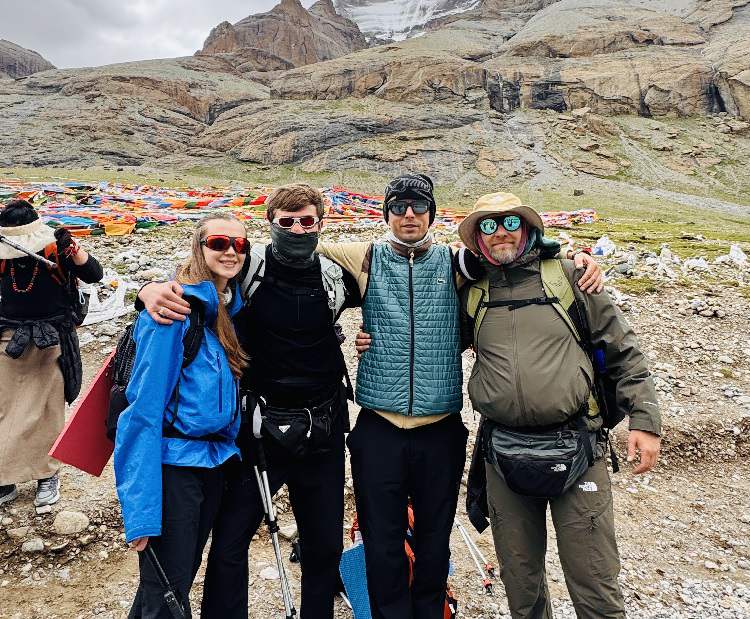
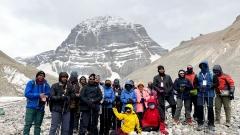
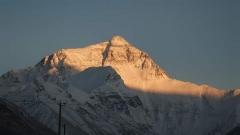
Mount Kailash
Understand the difference between “pay and claim” and direct billing. In remote Tibet, direct billing to Western hospitals is impossible. You or your tour operator may need to pay upfront for local medical services or transport and seek reimbursement later. Ensure you have access to emergency funds or that your tour operator has the financial capacity to front these costs while your insurance claim is processed.
Understanding the Role of Local Tour Operators in Emergencies
Your travel insurance for Kailash kora trekking works in tandem with your local ground support. Insurance companies provide the financial backing and global coordination, but the local tour operator executes the rescue on the ground. This is why choosing a highly professional agency is paramount.
Experienced operators maintain relationships with local drivers, guesthouses, and regional authorities. If a trekker needs to descend rapidly from the Dolma La Pass, the guide coordinates with yak herders or available vehicles to move the patient to lower elevations where oxygen therapy can begin. Once the patient reaches a roadhead, the operator arranges the fastest possible transfer to a hospital in Shiquanhe (Ali) or back toward Lhasa.
During this chaotic process, the tour operator communicates with the insurance company’s emergency desk. They provide real-time updates on the patient’s location, condition, and the logistical steps being taken. A seamless relationship between a knowledgeable local agency and a responsive insurance provider drastically improves outcomes in life-threatening situations. Never underestimate the value of traveling with a seasoned team that understands both the physical dangers of the kora and the administrative requirements of executing a rescue in Tibet.
Final Considerations Before You Depart
Review your policy one final time a week before your departure. Confirm that your travel dates match the policy period exactly, including buffer days for potential delays. Verify that every member of your traveling party has adequate coverage; a single uninsured trekker can complicate group dynamics and emergency responses.
Remember that travel insurance for Kailash kora trekking is an investment in your safety and peace of mind. The spiritual rewards of completing the Mount Kailash kora are profound, but the physical toll is immense. By securing a policy that genuinely covers high-altitude trekking, emergency evacuations, and the unique logistical challenges of Tibet, you allow yourself to focus on the journey rather than worrying about the worst-case scenarios. Pack your gear, trust your guides, respect the altitude, and ensure your paperwork is as solid as your hiking boots.