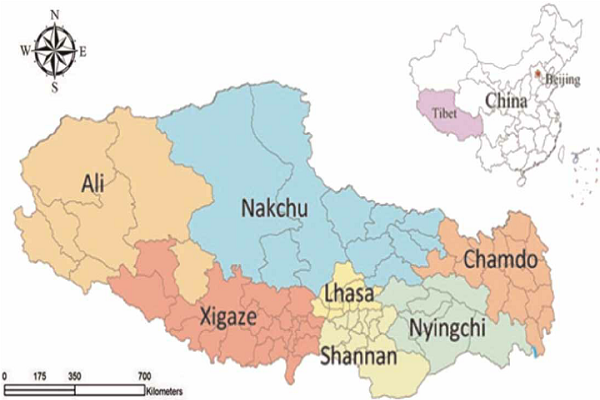

Capturing the breathtaking landscapes of the Tibetan Plateau from above is a dream for many international travelers. However, navigating the complex landscape of foreign tourist drone regulation Tibet photography requires careful planning, thorough research, and strict adherence to local laws. The high-altitude environment, combined with unique administrative rules, means that simply packing a drone in your suitcase and flying it upon arrival is not an option. Understanding the legal framework is essential to avoid confiscation of equipment, heavy fines, or even deportation. This comprehensive guide breaks down everything you need to know about operating unmanned aerial vehicles in this sensitive region, ensuring your aerial imagery is both stunning and completely lawful.
Key Points Summary:
- Foreigners face strict drone usage restrictions across the plateau.
- Multiple permits are mandatory before any flight attempt.
- Numerous sensitive areas enforce absolute no-fly zones.
- High altitude significantly impacts drone battery and motor performance.
- Specialized travel agencies streamline the complex approval process.
Understanding Foreign Tourist Drone Regulation Tibet Photography Basics
When discussing foreign tourist drone regulation Tibet photography, it is crucial to recognize that aviation laws here are significantly more stringent than in most other parts of the world. The entire region falls under tight security protocols due to its border locations, military installations, and cultural sensitivities. For international visitors, the regulations governing unmanned aircraft systems (UAS) are overseen by multiple authorities, including the Civil Aviation Administration of China (CAAC), local public security bureaus, and regional administrative offices.
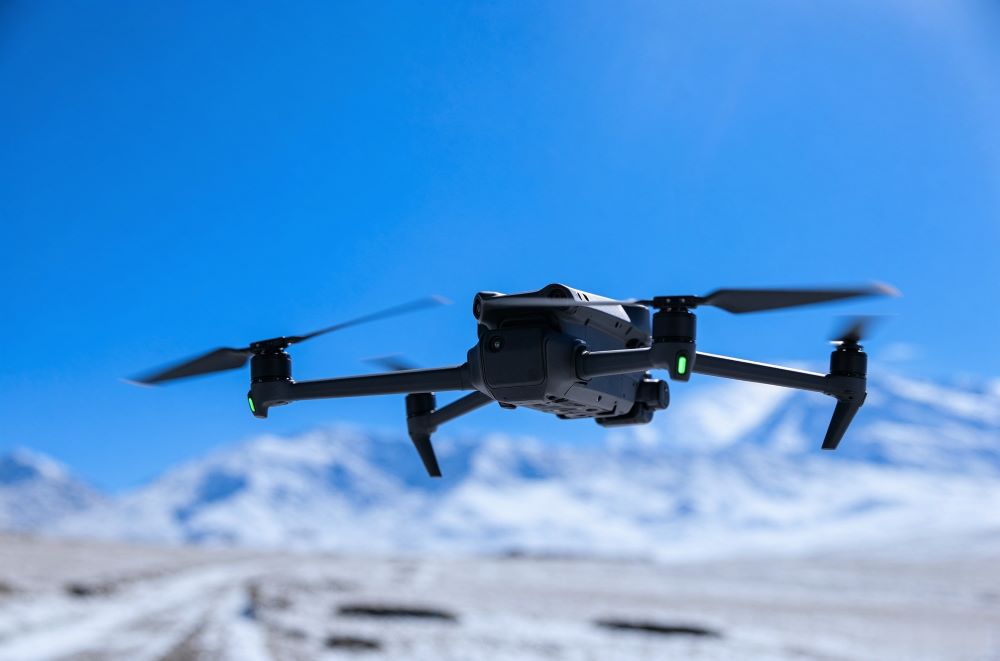
Unlike domestic travelers who might register their drones through a simplified national app, foreign nationals must go through a much more rigorous vetting process. The fundamental rule to remember is that unauthorized drone flights by foreigners are strictly prohibited. Even if you possess a valid Chinese visa and the required travel permits for the region, these documents alone do not grant you the right to fly a drone. Aviation permissions are treated as an entirely separate legal category. Attempting to bypass these rules not only jeopardizes your trip but also disrespects the local governance structures designed to maintain safety and order across the vast plateau.
The regulatory environment is designed to balance the growing interest in aerial imaging with the need to protect airspace security. Authorities monitor radar systems actively, and unregistered drones are quickly detected. Therefore, understanding the baseline of foreign tourist drone regulation Tibet photography is the first step toward a successful and trouble-free expedition. Every piece of equipment brought into the region may be subject to inspection at checkpoints, making transparency and proper documentation your best assets.
Essential Permits Required for Foreign Tourist Drone Regulation Tibet Photography
To legally engage in foreign tourist drone regulation Tibet photography, international visitors must secure a specific stack of documents. The foundational requirement is the Tibet Travel Permit, which is mandatory for all foreign nationals entering the region. This permit cannot be applied for independently; it must be arranged through a registered local travel agency on behalf of the traveler. However, the standard travel permit does not cover aerial activities.
If your goal includes drone operations, your sponsoring travel agency must apply for additional clearances from the local Public Security Bureau (PSB) and relevant military or civil aviation departments. This secondary application process requires detailed information, including the exact make and model of the drone, its serial number, the pilot’s passport details, and a precise itinerary outlining where and when you intend to fly. Authorities will review these flight plans to ensure they do not intersect with restricted airspace.
Furthermore, depending on the specific prefecture or county you plan to visit, additional local permits may be necessary. For instance, traveling to remote western areas like Ngari or border regions near Mount Everest requires Alien Travel Permits and Military Area Entry Permits. Adding drone operations to these itineraries complicates the approval matrix further. It is highly recommended to initiate this paperwork several months in advance. Bureaucratic processing times can be lengthy, and approvals are never guaranteed. Working closely with experienced operators who understand the nuances of foreign tourist drone regulation Tibet photography is often the only viable path to securing the necessary stamps on your documents.
Navigating No-Fly Zones During Your Tibet Photography Journey
A critical component of mastering foreign tourist drone regulation Tibet photography is knowing exactly where you cannot fly. The plateau is dotted with extensive no-fly zones, and violating these boundaries carries severe legal consequences. Airspace around all airports, including Lhasa Gonggar Airport, Nyingchi Mainling Airport, and Shigatse Peace Airport, is strictly off-limits. The radius of these restricted zones extends much further than typical airport perimeters found in other countries.
Beyond aviation hubs, military installations, government buildings, and border areas are heavily restricted. Given the geopolitical nature of the region’s borders, flying a drone anywhere near an international boundary is absolutely forbidden. Additionally, many sacred religious sites enforce strict no-drone policies out of respect for local customs and monastic life. Flying over prominent monasteries such as Sera, Drepung, or Tashilhunpo without explicit, written permission from both the monastery administration and local police is illegal and deeply disrespectful.
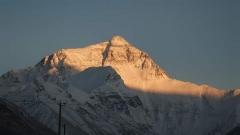
Even natural landmarks have specific rules. While capturing the majesty of Mount Everest or Yamdrok Lake from the air is a popular ambition, these areas often fall under protected environmental or security zones where drone use is either banned outright or heavily regulated. When planning your route for foreign tourist drone regulation Tibet photography, you must cross-reference your intended shooting locations with official no-fly maps provided by your travel agency or local authorities. Never rely solely on the geofencing software built into your drone, as these databases are not always updated with the latest local restrictions and cannot replace official legal guidance.
How Tibet Yulong Travel Facilitates Legal Drone Operations
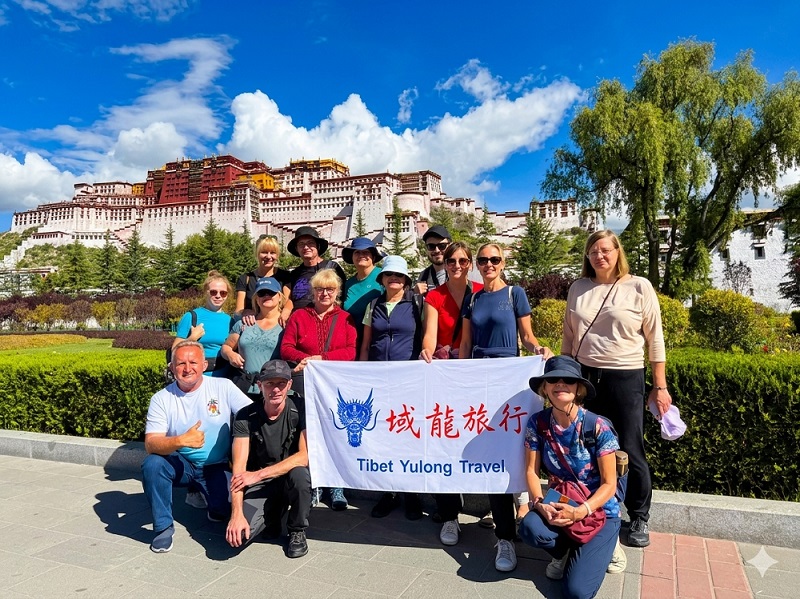
Given the immense complexity of the approval process, partnering with a knowledgeable local agency is virtually indispensable for anyone serious about foreign tourist drone regulation Tibet photography. Agencies like Tibet Yulong Travel specialize in crafting customized itineraries for international visitors while navigating the bureaucratic hurdles associated with specialized activities like drone flying. Their established relationships with local authorities and deep understanding of current regulations make them invaluable partners.
Tibet Yulong Travel assists clients by handling the intricate paperwork required for drone permits. They collect the necessary technical specifications of your equipment, draft the flight itineraries, and submit the applications to the appropriate public security and aviation bureaus on your behalf. Because regulations can shift based on local events, seasons, or policy updates, having a team on the ground that monitors these changes daily ensures that your plans remain compliant.
Moreover, Tibet Yulong Travel provides experienced guides who accompany you during your flights. These guides act as liaisons with local officials you might encounter at checkpoints or near your flying sites. If a local village leader or security officer questions your activity, having a representative from a recognized agency who can present the correct documentation in the local language resolves potential conflicts swiftly. Utilizing professional support transforms the daunting task of foreign tourist drone regulation Tibet photography from a stressful legal minefield into a manageable, well-supported creative endeavor.
Technical Challenges of High-Altitude Aerial Imaging
While understanding the legalities of foreign tourist drone regulation Tibet photography is paramount, you must also prepare for the severe physical challenges the environment poses to your equipment. The average elevation of the plateau exceeds 4,500 meters (about 14,700 feet). At this altitude, the air density is roughly half of what it is at sea level. This thin air drastically affects aerodynamic lift, forcing your drone’s motors to spin significantly faster to maintain hover stability.
The increased motor workload leads to rapid battery depletion. A drone that typically offers thirty minutes of flight time at sea level might only provide fifteen to eighteen minutes in Lhasa, and even less at higher passes. You must carry numerous spare batteries and keep them warm, as the extreme cold severely diminishes lithium-polymer cell performance. Storing batteries inside your jacket close to your body heat before a flight is a common practice among high-altitude pilots.
Wind is another formidable adversary. The plateau is notorious for sudden, violent gusts, particularly in the afternoon. Lightweight consumer drones may struggle to hold their position or return to the home point against strong headwinds. When executing your foreign tourist drone regulation Tibet photography plans, always schedule flights for the early morning hours when winds are generally calmest. Additionally, ensure your drone’s firmware is updated, as some manufacturers include high-altitude propellers or specific software modes designed to compensate for thin air. Ignoring these technical realities can result in lost equipment, regardless of how perfect your legal permits might be.
Choosing the Right Equipment for the Plateau Environment
Selecting appropriate hardware is a vital step in preparing for foreign tourist drone regulation Tibet photography. Not every consumer drone is capable of surviving, let alone performing well, in extreme altitudes. You should look for models specifically rated for high-elevation flights, typically those tested and certified to operate safely above 5,000 or 6,000 meters. Drones equipped with larger, high-pitch propellers generate better thrust in thin air compared to standard configurations.
Camera quality is naturally a priority, but durability is equally important. The intense ultraviolet radiation at high altitudes can interfere with certain sensors, and the fine dust prevalent in arid regions can infiltrate motor housings. Opt for equipment with robust build quality and consider carrying basic maintenance tools, such as compressed air for cleaning rotors and microfiber cloths for lenses.
Storage and transportation also require attention. When passing through security checkpoints—which are frequent on major highways—officials will inspect your bags. Having your drone neatly packed in a dedicated, hard-shell case demonstrates professionalism and makes inspections smoother. Ensure all batteries are properly stored according to airline and transport safety regulations. By choosing reliable, altitude-capable gear, you ensure that your efforts to comply with foreign tourist drone regulation Tibet photography translate into actual, high-quality footage rather than equipment failure.
Cultural Sensitivity and Ethical Flying Practices
Legal compliance is only one facet of responsible foreign tourist drone regulation Tibet photography; ethical considerations are equally vital. The plateau is home to deeply rooted spiritual traditions, and the buzzing sound of a drone can be highly disruptive to religious ceremonies, meditation practices, and the general tranquility of sacred spaces. Even if you manage to secure a permit to fly near a culturally significant site, exercising restraint is crucial.
Always ask for permission from local residents before launching your drone near villages, nomadic camps, or agricultural lands. Many locals may view unfamiliar flying objects with suspicion or fear, particularly regarding their livestock. Yak herds can easily be spooked by low-flying drones, potentially causing injury to the animals or financial loss to the herders. Maintaining a respectful distance and altitude shows consideration for the people whose homeland you are visiting.
Furthermore, avoid flying over sky burial sites or other locations associated with funerary rites. These areas are strictly private, and photographing them from any angle, especially via drone, is considered a profound violation of local customs. True mastery of foreign tourist drone regulation Tibet photography involves blending legal adherence with deep cultural empathy. By prioritizing respect over getting the perfect shot, you contribute to a positive perception of international travelers and help preserve the dignity of the region’s heritage.
Preparing for Checkpoints and Equipment Inspections
Traveling across the region involves passing through numerous police and security checkpoints. Understanding how these interactions relate to foreign tourist drone regulation Tibet photography is essential for a smooth journey. At these stops, officers routinely check passports, Tibet Travel Permits, and vehicle registrations. If you are carrying a drone, it will almost certainly draw attention.
Having your specific drone permits printed in multiple copies and readily accessible is critical. Do not bury your documentation at the bottom of your luggage. Presenting your authorized paperwork confidently and politely alongside your standard travel documents demonstrates that you are operating within the law. If you attempt to hide your drone and it is discovered during a search, authorities may assume you intend to use it illegally, leading to immediate confiscation and potential questioning.
It is also advisable to have your travel guide handle the primary communication at these checkpoints. Language barriers can complicate explanations about aviation permits. Your guide can quickly clarify the purpose of your equipment and verify the validity of your documents with the officers. Consistent cooperation and transparency at checkpoints reinforce the legitimacy of your foreign tourist drone regulation Tibet photography activities and prevent unnecessary delays during your road trips.
Maximizing Your Visual Results Legally
Once you have secured the necessary permits, chosen the right equipment, and partnered with experts like Tibet Yulong Travel, the final step is executing your vision effectively. Planning your shots meticulously saves valuable battery life in the thin air. Instead of launching your drone to scout aimlessly, study the topography from the ground first. Identify your composition, calculate the required altitude, and execute the flight with precision.
The lighting on the plateau is extraordinary, offering dramatic shadows and vivid colors, but it changes rapidly. Early morning and late afternoon provide the golden light ideal for landscape cinematography. Keep your flights brief and focused. Remember that adhering strictly to the approved flight paths outlined in your permit application is mandatory. Deviating from your authorized route to chase a better angle violates the terms of your foreign tourist drone regulation Tibet photography clearance.
By combining rigorous legal preparation, technical awareness, and artistic discipline, international visitors can successfully document the unparalleled beauty of the Himalayas and the surrounding plateau. The effort required to navigate the regulatory landscape is substantial, but the reward of legally capturing sweeping aerial vistas of ancient glaciers, turquoise lakes, and snow-capped peaks makes the meticulous planning entirely worthwhile. Embrace the process, respect the rules, and let your creativity soar within the boundaries of the law.