Planning a road trip across the Roof of the World is an unforgettable experience, but it requires careful preparation. One of the most critical aspects of your planning involves understanding the Tibet overland tour luggage weight limit rules. Unlike standard vacations where you can bring multiple large suitcases, traveling through Tibet demands a more strategic approach. The rugged terrain, high altitudes, limited vehicle space, and strict transportation regulations all play a role in how much you can carry. Whether you are driving from Lhasa to Kathmandu or exploring the remote western regions, knowing exactly what to pack and how much it should weigh will save you from unnecessary stress. Proper preparation ensures your comfort and safety while respecting the logistical realities of traveling in one of the most extreme environments on Earth.
Key Takeaways:
- Most overland vehicles restrict personal luggage to 15-20 kilograms per passenger.
- Domestic flights to Tibet enforce strict baggage allowances, typically 20kg for checked bags.
- High altitude makes carrying heavy loads physically exhausting and potentially dangerous.
- Soft duffel bags are mandatory as hard suitcases do not fit in shared vehicles.
- Layered clothing reduces bulk while providing necessary warmth for fluctuating temperatures.
Understanding the Core Tibet Overland Tour Luggage Weight Limit Rules
When embarking on a journey across the Tibetan Plateau, the primary constraint you will face is dictated by the type of vehicle used for your expedition. The Tibet overland tour luggage weight limit rules are fundamentally shaped by the physical dimensions and payload capacities of these vehicles. Most overland tours utilize Toyota Land Cruisers, which typically seat four passengers plus the driver, or larger minibuses for bigger groups. In a standard Land Cruiser, trunk space is notoriously limited. When you factor in spare tires, emergency tools, extra fuel cans for remote stretches, and oxygen cylinders—which are essential at high altitudes—the remaining space for passenger luggage shrinks significantly.
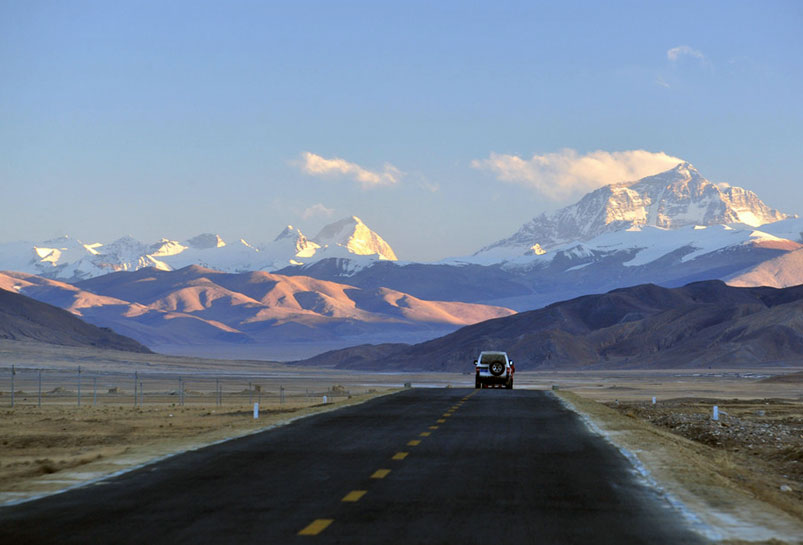
Because of this spatial limitation, tour operators generally enforce a strict weight limit ranging from 15 to 20 kilograms (approximately 33 to 44 pounds) per person. This includes everything you intend to bring on the road. Exceeding this limit is not merely an inconvenience; it can compromise the vehicle’s suspension on unpaved mountain roads and reduce ground clearance, increasing the risk of getting stuck or damaging the undercarriage. Furthermore, a heavily loaded vehicle consumes more fuel, which is a critical consideration when traveling through areas where gas stations are hundreds of kilometers apart.
It is also important to note that the shape of your luggage matters just as much as its weight. Hard-shell rolling suitcases are almost universally prohibited on overland routes. They cannot be compressed or stacked efficiently in irregularly shaped trunks. Instead, travelers are required to use soft-sided duffel bags or backpacks without rigid frames. These can be molded to fit into tight spaces, allowing the driver to maximize the available cargo area safely.
How Flight Restrictions Impact Your Overall Baggage Allowance
Before you even reach the starting point of your overland journey, you must contend with aviation baggage policies. Flying into Lhasa Gonggar Airport or other regional airports means adhering to domestic Chinese airline regulations, which directly influence the Tibet overland tour luggage weight limit rules you need to follow. Airlines such as Air China, Tibet Airlines, and Sichuan Airlines typically allow economy class passengers a checked baggage allowance of 20 kilograms and a carry-on limit of 5 kilograms. Business class passengers may receive a slightly higher allowance, usually up to 30 kilograms.
If you exceed these airline limits, you will be subjected to hefty excess baggage fees, calculated as a percentage of the full economy fare per kilogram. More importantly, if your flight luggage exceeds the overland vehicle limit, you will face a dilemma upon arrival. You cannot take everything with you on the road. Many experienced travelers solve this problem by booking their first and last nights in Lhasa at the same hotel. This allows you to leave non-essential items, such as city clothes or books, securely at the hotel while you travel light on the overland route.
Additionally, security screening at airports serving the Tibetan plateau can be exceptionally thorough. Certain items that might be permissible elsewhere could be confiscated, adding unexpected delays. Always check the latest prohibited items list before flying, ensuring that your carefully packed luggage does not get held up at security checkpoints due to restricted goods like certain aerosols, large power banks, or camping stoves with residual fuel.
The Physical Reality: Altitude and Carrying Heavy Loads
One aspect of the Tibet overland tour luggage weight limit rules that is frequently overlooked by first-time visitors is the physiological impact of high altitude. The average elevation on a Tibetan overland route exceeds 4,000 meters (over 13,000 feet), with several mountain passes surpassing 5,000 meters. At these elevations, the oxygen level is roughly half of what it is at sea level. Every physical action requires significantly more effort.
Carrying a heavy suitcase or an overloaded backpack at high altitude is not just tiring; it is a genuine health hazard. Exerting yourself too much during the first few days of acclimatization drastically increases the risk of Acute Mountain Sickness (AMS). Symptoms include severe headaches, nausea, dizziness, and shortness of breath. If you are constantly struggling to lift a 30-kilogram bag out of a vehicle trunk at 4,500 meters, you are putting unnecessary strain on your cardiovascular system.
By strictly adhering to the recommended weight limits, you protect your body. A lighter bag means less physical exertion when moving between hotels, guesthouses, or campsites. It allows your body to focus its limited energy reserves on acclimatizing to the thin air rather than hauling unnecessary gear. Tour guides consistently emphasize this point because they have witnessed travelers become severely ill simply from overexerting themselves with heavy luggage upon arrival.
Vehicle Types and Their Specific Cargo Capacities
The specific Tibet overland tour luggage weight limit rules you encounter will vary depending on the exact model of the vehicle assigned to your group. Understanding these differences helps manage expectations before you begin packing.
For small groups, the Toyota Land Cruiser (often the Prado or 200 series) is the gold standard for Tibetan travel. While incredibly capable off-road, its cargo capacity is designed for utility, not luxury travel. With four passengers, each person should aim to keep their main bag under 15 kilograms. Any heavier, and the bags simply will not fit alongside the mandatory safety equipment.
For medium-sized groups, operators often use Ford Transits, Toyota Coasters, or similar minibuses accommodating 9 to 15 passengers. These vehicles have dedicated rear luggage compartments or roof racks. While the total volume is larger, the per-person limit remains around 20 kilograms to maintain vehicle balance and stability on winding mountain passes. Overloading a minibus alters its center of gravity, making it dangerous on steep, unpaved switchbacks.
In some cases, particularly for specialized photography tours or expeditions into extremely remote areas like Mount Kailash or the Changtang region, a support truck may accompany the passenger vehicles. When a dedicated luggage truck is present, the weight restrictions relax slightly, sometimes allowing up to 25 or 30 kilograms per person. However, this is the exception rather than the rule, and travelers should never assume a support vehicle will be provided unless explicitly stated in their itinerary.
Strategic Packing Techniques to Stay Within Limits
Mastering the art of packing is essential for complying with the Tibet overland tour luggage weight limit rules without sacrificing comfort. The key philosophy is versatility and layering. The weather on the Tibetan Plateau is notoriously unpredictable. You might experience scorching sunshine in the afternoon and freezing temperatures shortly after sunset, even during summer months.
Instead of bringing bulky winter coats, invest in a high-quality layering system. A moisture-wicking base layer, an insulating mid-layer like fleece or lightweight down, and a windproof, waterproof outer shell provide superior warmth compared to a single heavy jacket while taking up a fraction of the space and weight. Merino wool is highly recommended for base layers because it regulates temperature effectively and resists odors, meaning you can wear items multiple times before washing them.
Footwear is another area where weight adds up quickly. You do not need five pairs of shoes. Bring one pair of sturdy, broken-in hiking boots suitable for uneven terrain and one pair of lightweight camp shoes or sandals for resting at the end of the day. Avoid bringing heavy fashion footwear; they serve no practical purpose on an overland route.
Toiletries should be decanted into small, travel-sized containers. Full-sized bottles of shampoo, lotion, or sunscreen add unnecessary grams that accumulate rapidly. Purchase multi-purpose products where possible, such as a combined soap and shampoo bar. Remember that liquids can leak due to changes in atmospheric pressure at high altitudes, so seal everything in ziplock bags.
Electronics are vital for many travelers, but chargers, batteries, and camera lenses are dense and heavy. Audit your electronics ruthlessly. Do you really need a laptop, a tablet, and two cameras? Choose the most versatile devices and share charging bricks among travel companions if possible. Power banks are essential since electricity can be unreliable in remote guesthouses, but ensure they comply with airline watt-hour limits for carry-on luggage.
Essential Items vs. Unnecessary Burdens
When evaluating your packing list against the Tibet overland tour luggage weight limit rules, categorize items into absolute essentials and luxuries. Essentials include your passport, Tibet Travel Permit, necessary medications, sun protection (high SPF sunscreen, sunglasses, wide-brimmed hat), a reusable water bottle, basic first aid supplies, and appropriate clothing layers.
Items that frequently cause travelers to exceed weight limits include excessive reading material (opt for an e-reader instead), heavy denim jeans (they take forever to dry if they get wet and offer poor insulation), multiple large towels (most accommodations provide them, or bring a compact microfiber travel towel), and oversized pillows. Leave behind anything that serves only a minor aesthetic purpose rather than a functional one.
Food snacks are another consideration. While it is wise to bring some high-energy snacks like nuts, chocolate, or protein bars for long driving days, avoid packing meals. Local teahouses and restaurants along established overland routes provide hot food, and carrying raw ingredients adds significant weight. Keep your snack supply to a reasonable amount that can be consumed within the first few days.
Managing Laundry and Supplies on the Road
A major reason people overpack is the fear of running out of clean clothes. However, managing laundry on the road is entirely feasible and allows you to pack far fewer garments, keeping you well within the Tibet overland tour luggage weight limit rules. Most towns along popular routes like the Friendship Highway or the road to Ali have small laundromats or hotels that offer washing services for a nominal fee.
If you are in a very remote area, hand-washing lightweight synthetic or merino wool garments in your hotel sink is effective. Because the air at high altitude is incredibly dry, clothes hung overnight usually dry completely by morning. By planning to do laundry every four to five days, you can comfortably travel with only a week’s worth of clothing, drastically reducing your overall luggage weight.
Furthermore, basic supplies like toilet paper, bottled water, and simple toiletries can be purchased in larger towns such as Shigatse, Gyantse, or Saga. You do not need to carry a massive stockpile of consumables from Lhasa. Buy what you need for the immediate upcoming stretch of the journey, consume it, and restock at the next major stop.
Professional Guidance and Logistics Support
Navigating the complexities of travel on the plateau is significantly easier when you rely on experienced professionals who understand the local logistics intimately. Reputable agencies are well-versed in the Tibet overland tour luggage weight limit rules and provide detailed pre-departure briefings to ensure clients pack appropriately. For instance, working with a knowledgeable operator like Tibet Yulong Travel can make a substantial difference in your preparation process. Their experienced guides and drivers know exactly how much gear fits safely into specific vehicles and can advise you on what to leave behind and what is absolutely crucial for your specific itinerary.
Agencies like Tibet Yulong Travel also assist with the logistical challenges mentioned earlier, such as arranging secure luggage storage in Lhasa for items you cannot take on the road. They coordinate vehicle assignments based on group size and luggage requirements, ensuring that safety is never compromised by an overloaded trunk. Having a professional team handle these details allows you to focus entirely on the breathtaking landscapes and rich cultural experiences rather than worrying about whether your bags will fit.
Drivers employed by established companies are trained to distribute weight evenly within the vehicle, a critical skill when navigating treacherous mountain passes. They will inspect your luggage before departure and politely ask you to remove excess weight if it threatens the safety or feasibility of the journey. Trusting their expertise is paramount; they have completed these routes countless times and understand the physical limitations of both the vehicles and the environment better than anyone.
Preparing for Unexpected Weather and Road Conditions
The Tibetan Plateau is famous for experiencing four seasons in a single day. Even if you are traveling during the warmer summer months, snowstorms can occur at high passes without warning. This unpredictability reinforces why the Tibet overland tour luggage weight limit rules prioritize functional, layered clothing over sheer volume. You must be prepared for cold weather without carrying a wardrobe designed for an Arctic expedition.
Road conditions also dictate luggage strategy. During the rainy season, some dirt roads become muddy and difficult to traverse. Vehicles may need to be pushed or winched. In these situations, every extra kilogram in the trunk works against you. Keeping your load light improves the vehicle’s traction and maneuverability. Additionally, if a breakdown occurs in a remote area and you need to transfer to a smaller rescue vehicle, having compact, lightweight luggage makes the transition seamless rather than impossible.
Always pack a small daypack separate from your main duffel bag. This daypack stays with you inside the vehicle cabin and holds your daily essentials: water, snacks, camera, medication, rain jacket, and documents. Your main bag goes into the trunk and remains inaccessible while driving. Organizing your gear this way prevents you from constantly opening the trunk—and exposing everyone to the elements—just to grab a bottle of water or a warm sweater.
Respecting Local Infrastructure and Environmental Limits
Finally, adhering to the Tibet overland tour luggage weight limit rules is not solely about vehicle physics or personal comfort; it is also about respecting the fragile infrastructure and environment of the region. Many guesthouses in rural Tibet do not have elevators, and rooms are often located on upper floors accessed by narrow, steep staircases. Hauling a massive, overweight suitcase up three flights of stairs at 4,000 meters is exhausting for you and risks damaging the wooden structures of traditional buildings.
Environmental conservation is increasingly prioritized in Tibet. Overloaded vehicles cause deeper ruts in unpaved roads, contributing to soil erosion in delicate alpine ecosystems. By packing light and staying within designated weight limits, you minimize your environmental footprint. You also reduce the amount of waste generated by discarded packaging or ruined gear that cannot be properly recycled in remote areas.
Traveling responsibly means recognizing that your journey takes place in a unique, challenging, and sacred landscape. The logistical constraints, including baggage limits, exist to protect both the traveler and the destination. Embracing these limitations forces you to adopt a minimalist mindset, which often leads to a more authentic, immersive, and enjoyable travel experience. When you strip away the excess baggage, both literal and figurative, you are left with the pure essence of exploration, fully prepared to absorb the magnificent vistas and profound culture that Tibet has to offer.