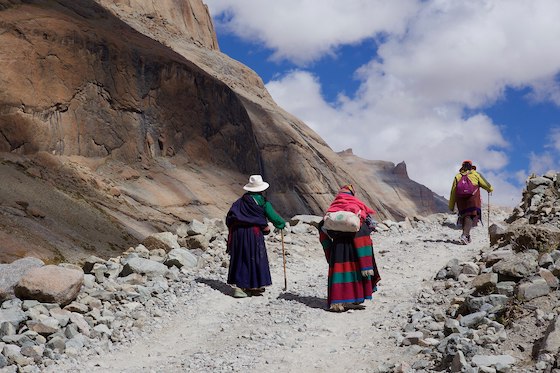
Traveling to the roof of the world is an extraordinary experience that demands careful physical preparation. The pre-tour medical check requirement for high altitude Tibet is not merely a bureaucratic formality; it is a vital step to ensure your safety in one of the most extreme environments on Earth. With average elevations exceeding 4,000 meters, the thin air poses significant challenges to the human body, making prior health assessments absolutely necessary. Whether you are planning to visit Lhasa, trek around Mount Kailash, or drive along the Friendship Highway, understanding your baseline health is crucial. Many travelers underestimate how quickly altitude can affect them, regardless of their fitness level at sea level. A comprehensive medical evaluation helps identify underlying conditions that could become life-threatening when oxygen levels drop. By prioritizing your health before departure, you set the foundation for a memorable and secure adventure across the Tibetan Plateau.
Key Takeaways:
- Cardiovascular screening is mandatory before traveling to Tibet.
- Respiratory tests help assess lung capacity for thin-air environments.
- Consult doctors about altitude sickness medications like acetazolamide.
- Pre-existing conditions require specialized clearance from medical professionals.
- Agencies like Tibet Yulong Travel assist with health-related travel logistics.
Understanding the Pre-Tour Medical Check Requirement for High Altitude Tibet
The pre-tour medical check requirement for high altitude Tibet exists because the environment is fundamentally different from anywhere else you might travel. At elevations above 3,500 meters, the atmospheric pressure decreases significantly, meaning each breath delivers less oxygen to your bloodstream. This condition, known as hypobaric hypoxia, forces the heart and lungs to work much harder than they do at sea level. For healthy individuals, the body usually adapts over a few days through a process called acclimatization. However, for those with hidden or unmanaged health issues, this rapid environmental shift can trigger severe medical emergencies.
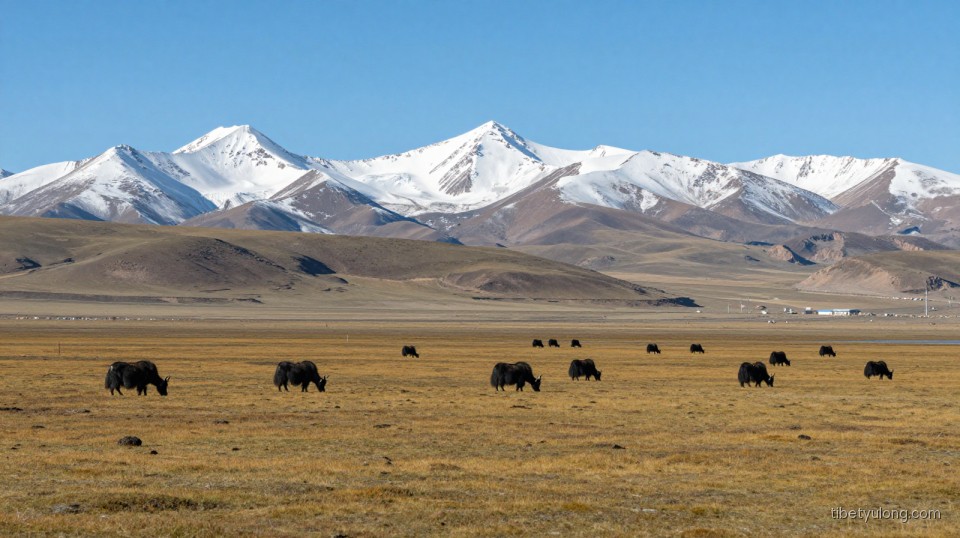
View of Qiangtang in Tibet
Chinese authorities and local tourism boards strongly advocate, and in some specific routes mandate, that travelers undergo thorough health screenings before entering the Tibet Autonomous Region. While foreign tourists must obtain a Tibet Travel Permit through a registered travel agency, having a clean bill of health ensures that the agency can safely facilitate your journey. The medical check acts as a protective barrier, preventing situations where remote locations and limited medical infrastructure could turn a manageable illness into a critical crisis. Recognizing why this requirement exists shifts your perspective from viewing it as an obstacle to appreciating it as a lifesaving protocol.
Essential Components of a High Altitude Health Screening
A proper medical evaluation for high-altitude travel goes far beyond a standard annual physical. Doctors will focus on systems directly impacted by low oxygen levels. The cardiovascular system is the primary area of concern. An electrocardiogram (ECG) is routinely performed to detect arrhythmias, ischemic heart disease, or signs of right ventricular strain, which can be exacerbated by pulmonary hypertension at high elevations. Blood pressure monitoring is equally important, as hypertension can worsen in thin air, increasing the risk of stroke or cardiac events.
Respiratory function tests, such as spirometry, measure lung capacity and airflow. Individuals with chronic obstructive pulmonary disease (COPD), severe asthma, or a history of pulmonary embolism face substantial risks in Tibet. Even mild respiratory infections should be fully resolved before ascending. Blood work is another critical component. A complete blood count (CBC) checks hemoglobin levels; while slightly elevated hemoglobin helps carry more oxygen, abnormally high levels (polycythemia) increase blood viscosity, raising the risk of clots. Liver and kidney function tests ensure your organs can efficiently metabolize medications used for altitude sickness prevention.
Additionally, doctors will review your medical history for neurological conditions. Seizure disorders or a history of severe migraines require careful evaluation, as cerebral edema is a rare but fatal complication of altitude sickness. Dental health is sometimes overlooked, but trapped gases in poorly treated teeth or recent dental surgeries can expand painfully due to lower atmospheric pressure.
Who Must Prioritize the Pre-Tour Medical Check Requirement for High Altitude Tibet?
While every traveler should get checked, certain demographics face elevated risks and must treat the pre-tour medical check requirement for high altitude Tibet with the utmost seriousness. Age alone does not disqualify someone from visiting Tibet, but older adults naturally have a higher prevalence of cardiovascular and respiratory conditions. Seniors over the age of 60 should undergo rigorous testing, even if they feel perfectly healthy in their daily lives.
Individuals with pre-existing conditions represent the highest risk group. Those managing diabetes need to understand that blood sugar levels can fluctuate unpredictably at high altitudes due to changes in metabolism and appetite suppression. People with autoimmune diseases or those taking immunosuppressants must consult specialists, as the stress of altitude can trigger flare-ups or leave the body vulnerable to infections in areas where hospitals are scarce.
Pregnant women are universally advised against traveling to high altitudes due to the risk of fetal hypoxia and premature labor. Children under the age of three are also highly vulnerable because they cannot articulate symptoms of altitude sickness effectively. Furthermore, heavy smokers or individuals who consume alcohol excessively need to adjust their habits well before the trip, as these behaviors severely impair the body’s ability to acclimatize. Athletes should note that peak physical fitness at sea level does not guarantee immunity to altitude sickness; in fact, highly muscular bodies sometimes demand more oxygen, making acclimatization slightly more challenging.
Common Health Risks Associated with the Tibetan Plateau
Understanding the specific health threats of the region highlights exactly why medical screenings are non-negotiable. Acute Mountain Sickness (AMS) is the most common issue, affecting a large percentage of travelers who ascend too quickly. Symptoms include throbbing headaches, nausea, dizziness, fatigue, and shortness of breath during mild exertion. While AMS is generally manageable with rest and hydration, ignoring it can lead to dangerous progression.
High Altitude Pulmonary Edema (HAPE) occurs when fluid accumulates in the lungs, preventing effective oxygen exchange. Symptoms include a persistent dry cough that progresses to producing pink, frothy sputum, extreme breathlessness even at rest, and a gurgling sound when breathing. HAPE is a medical emergency requiring immediate descent and supplemental oxygen.

Tibetan Fox in the Tibetan Plateau
High Altitude Cerebral Edema (HACE) is the swelling of brain tissue due to fluid leakage. It presents as severe confusion, loss of coordination (ataxia), altered mental states, and eventually coma. Like HAPE, HACE is fatal without rapid intervention. Both HAPE and HACE can develop within hours, underscoring the importance of knowing your body’s baseline limits through prior medical testing.
Other risks include intense ultraviolet radiation exposure leading to severe sunburns and snow blindness, as well as dehydration, since the cold, dry air accelerates moisture loss through respiration without triggering the usual sensation of thirst.
How to Prepare Medically Before Your Tibet Journey
Preparation begins months before your departure date. Once you have completed your comprehensive medical check, work with your physician to develop a personalized strategy. If you are cleared for travel, your doctor may prescribe prophylactic medications. Acetazolamide (commonly known as Diamox) is widely used to accelerate acclimatization by stimulating deeper, faster breathing and altering blood acidity. It must be started a day or two before ascent and continued during the initial days at altitude. Be aware of its side effects, such as tingling in the extremities and frequent urination.
For those prone to severe AMS, Dexamethasone, a corticosteroid, might be prescribed as an emergency treatment rather than a preventive measure. Nifedipine is sometimes carried by trekkers to manage HAPE symptoms temporarily while descending. Never self-medicate; all prescriptions must be tailored to your specific health profile established during your screening.
Beyond medication, physical preparation matters. Engage in moderate aerobic exercises like swimming, cycling, or jogging in the months leading up to your trip to strengthen your cardiovascular system. However, avoid exhaustive training right before departure, as arriving fatigued increases susceptibility to AMS. Hydration strategies should begin before you board the plane. Aim to drink significantly more water than usual, avoiding caffeine and alcohol, which act as diuretics.
Dietary adjustments also play a role. Focus on complex carbohydrates, which require less oxygen to metabolize compared to fats and proteins. Pack a basic medical kit including pain relievers, anti-nausea medication, throat lozenges, lip balm with SPF, and rehydration salts.
Navigating Travel Logistics and Permits with Health Clearance
Organizing a trip to Tibet involves navigating strict regulatory frameworks. Foreign nationals cannot travel independently in the Tibet Autonomous Region; they must be part of an organized tour arranged by a licensed travel agency. This is where professional operators become invaluable. Agencies like Tibet Yulong Travel specialize in handling the complex logistics of securing the Tibet Travel Permit, Alien Travel Permit for restricted areas, and coordinating transportation and accommodations.
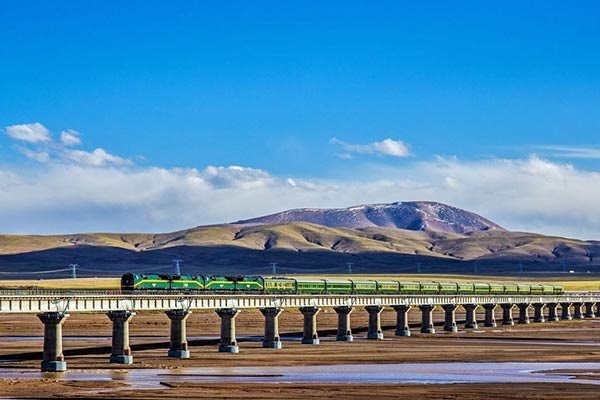
When booking through experienced providers like Tibet Yulong Travel, your health status becomes part of the itinerary planning process. Reputable agencies use your medical clearance to design routes that allow for gradual acclimatization. For instance, instead of flying directly into Lhasa (3,650 meters), they might suggest taking the Qinghai-Tibet Railway, which allows the body to adjust slowly over several days, or starting the journey in lower-elevation areas of neighboring provinces before crossing into Tibet.
Tibet Yulong Travel also ensures that vehicles are equipped with emergency oxygen cylinders and that guides are trained to recognize the early signs of altitude sickness. Their deep understanding of local medical facilities means that if a traveler falls ill, the response time to reach a clinic or hospital is minimized. Communicating your medical check results transparently with your tour operator allows them to tailor the pace of the trip, ensuring that the pre-tour medical check requirement for high altitude Tibet translates into practical, on-the-ground safety measures.
What Happens During the First Days at High Altitude
Your behavior during the first 48 to 72 hours after arriving in Tibet dictates the success of your entire trip. Upon landing in Lhasa or arriving by train, the golden rule is to do absolutely nothing strenuous. Walk slowly, speak softly, and avoid carrying heavy luggage. Your body is immediately working overtime to compensate for the reduced oxygen partial pressure. Heart rate and breathing will naturally increase, even while resting.
Do not take a hot shower on your first night. Hot water dilates blood vessels and consumes oxygen, which can trigger sudden dizziness or exacerbate AMS symptoms. Keep yourself warm, as catching a cold at high altitude can rapidly deteriorate into pulmonary complications. Eat light meals, focusing on soups, noodles, and fruits. Your digestive system slows down at altitude, and heavy, greasy foods will likely cause discomfort and nausea.
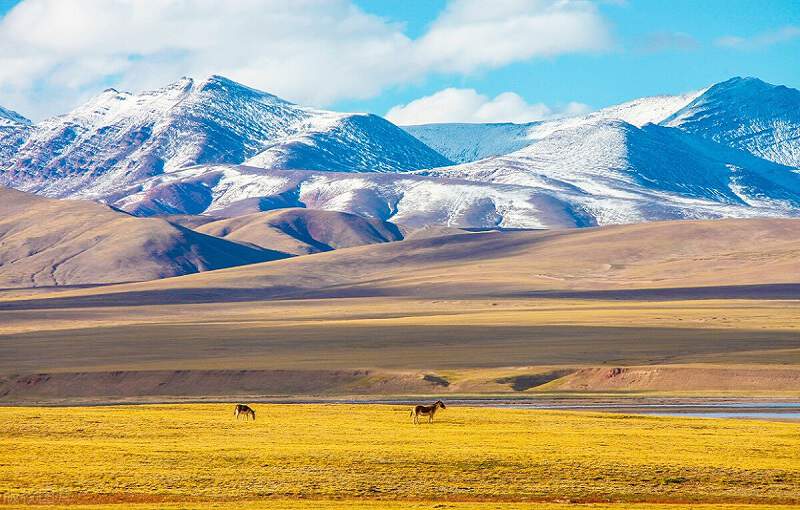
Tibetan Plateau
Sleep can be elusive during the first few nights. Periodic breathing, where you momentarily stop breathing during sleep and wake up gasping, is a common physiological response to altitude and usually harmless, though frightening. Elevating your head with extra pillows can ease breathing. Most importantly, communicate constantly with your guide. If you feel a headache forming, report it immediately rather than waiting to see if it passes. Early intervention with oxygen or rest prevents minor symptoms from escalating into emergencies.
Long-term Health Considerations After Returning Home
The impact of high-altitude travel does not vanish the moment you descend back to sea level. Some travelers experience a phenomenon known as “low altitude sickness” or reverse acclimatization. After adapting to thin air, returning to oxygen-rich environments can cause temporary lethargy, increased sleepiness, or mild fluid retention as the body readjusts its red blood cell production and respiratory rates.
If you experienced any respiratory distress or severe AMS during your trip, schedule a follow-up appointment with your primary care physician upon returning home. Lung irritation or minor pulmonary inflammation caused by altitude can linger and requires monitoring. Mental health is another aspect worth considering; the sheer scale and isolation of the Tibetan landscape can be emotionally overwhelming, and some travelers report feelings of disorientation or profound introspection long after the journey ends.
Maintaining the cardiovascular fitness you built up before the trip will help your body transition smoothly back to normal conditions. Keep hydrating adequately and gradually reintroduce your regular diet and exercise routines. Treating the post-trip period with the same respect as the pre-tour medical check requirement for high altitude Tibet ensures a holistic approach to travel health, protecting your well-being long after the memories of the Himalayas have been made.