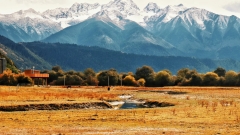

⭐ Highlights:
- 🏔️ Explore centuries-old monasteries featuring stunning murals, Buddha statues and living monastic traditions
- 🎭 Immerse yourself in local Tibetan culture, including folk dances, thangka art and traditional handicraft workshops
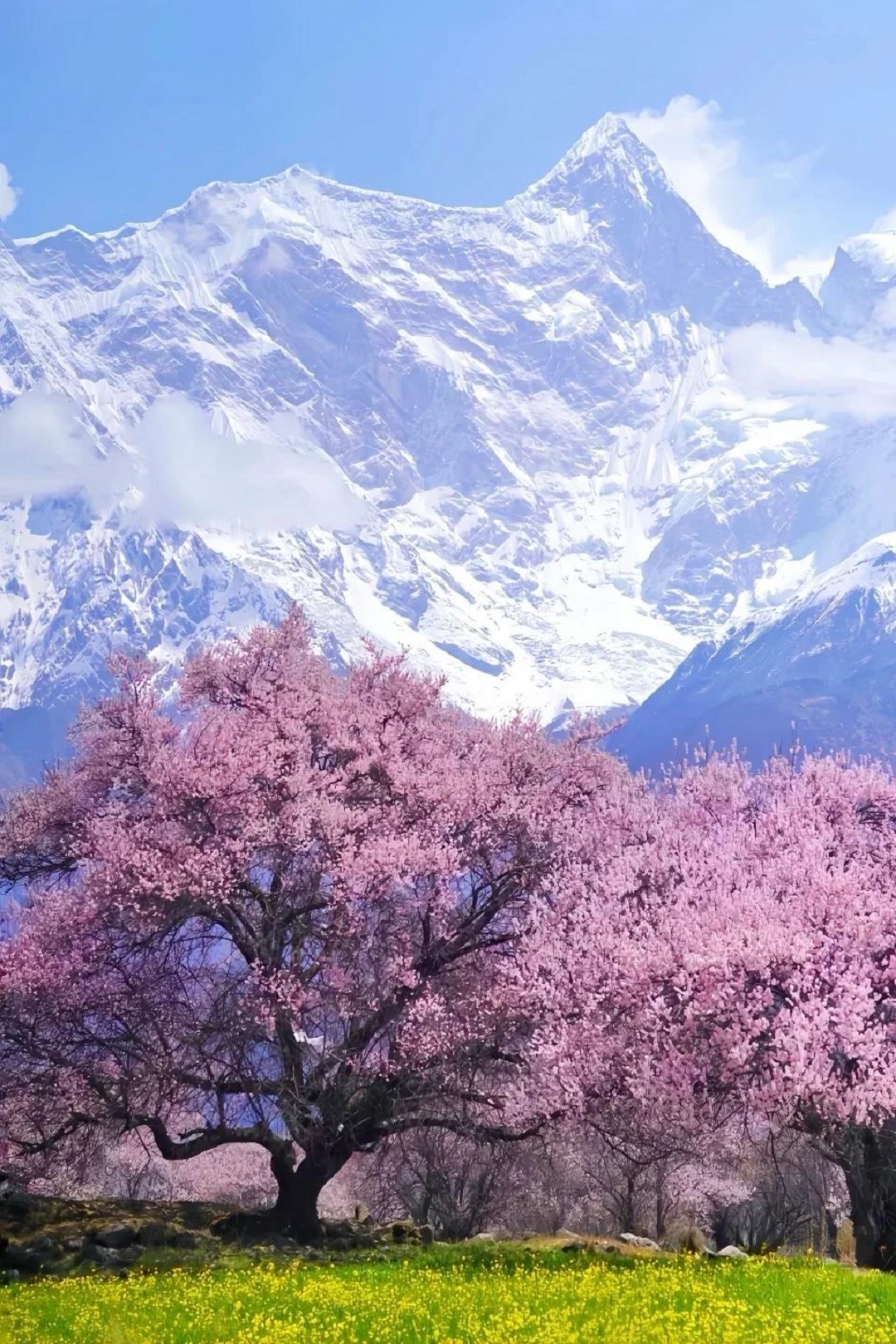
- ✨ Witness sacred highland landscapes, from turquoise holy lakes to revered pilgrimage sites across Shigatse and Ngari
- 📋 Learn key travel guidance: permit requirements, altitude preparation and essential cultural etiquette
- 🚙 Choose from different tour styles, from intimate small-group outings to epic overland journeys through the plateau
A Western Tibet cultural tour for international tourists offers an unparalleled journey into one of the world’s most preserved spiritual and ethnic cultural sanctuaries. Far beyond the iconic landmarks of central Lhasa, western Tibet—encompassing Shigatse, Ngari, and surrounding highland regions—boasts ancient Buddhist heritage, authentic Tibetan folk traditions, breathtaking alpine landscapes, and time-honored local lifestyles.
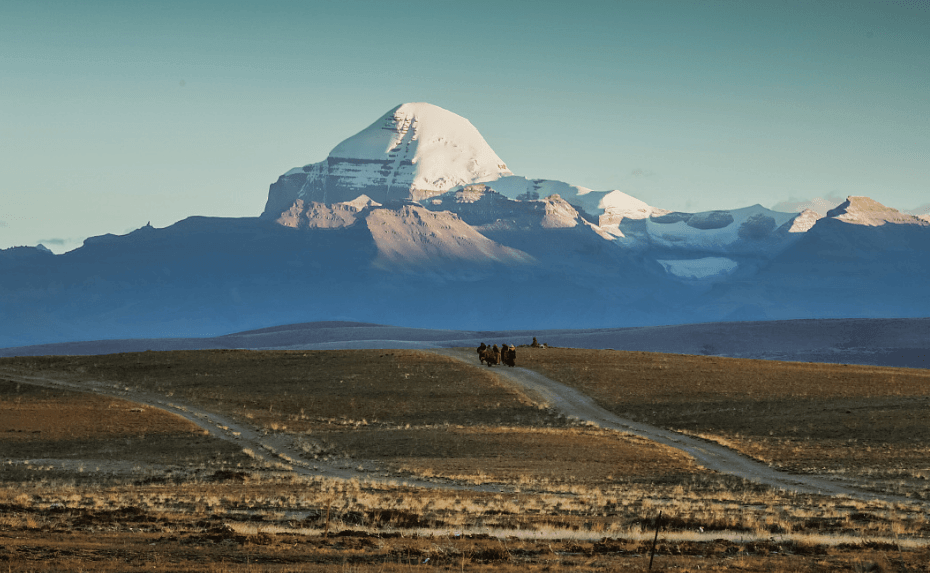
The scenery of Mount Kailash
For global travelers seeking immersive cultural experiences, spiritual enlightenment, and off-the-beaten-path adventures, western Tibet stands out as a unique destination that blends profound historical depth with pristine natural beauty. This comprehensive guide explores the core cultural highlights, top tour itineraries, intangible cultural heritage experiences, and practical travel tips to help international visitors craft an authentic and unforgettable western Tibet cultural journey.
Why Choose Western Tibet Cultural Tour for International Travelers
Unlike mainstream tourist destinations with commercialized attractions, western Tibet retains the most original and genuine Tibetan culture, making it a top choice for cultural enthusiasts, photography lovers, spiritual seekers, and deep travelers. A classic Western Tibet cultural tour avoids crowded, overhyped scenic spots, focusing instead on genuine local culture, ancient heritage sites, and the daily traditions of Tibetan communities. First and foremost, western Tibet is the core birthplace and inheritance hub of Tibet’s traditional Buddhist culture. It houses numerous century-old monasteries that preserve complete Tibetan Buddhist doctrines, ritual traditions, and artistic treasures, free from over-commercialization. International tourists can observe real monastic life, attend traditional religious ceremonies, and understand the core philosophy of Tibetan Buddhism.
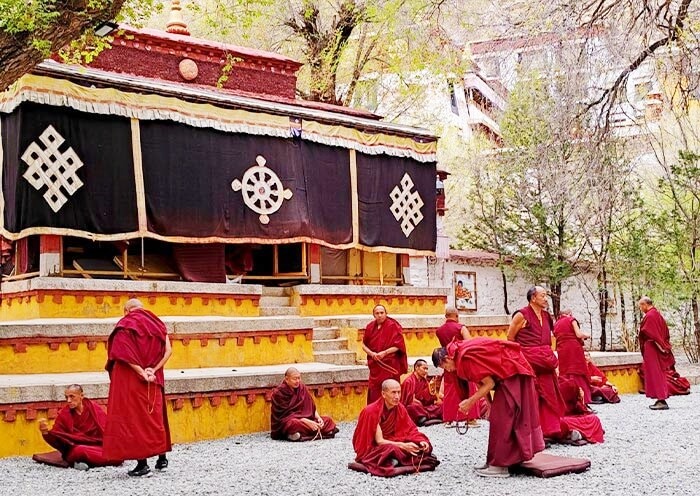
Monks Engaged in Debate at Sera Monastery
Secondly, western Tibet preserves rich intangible cultural heritage that has been passed down for thousands of years. From sacred religious dances and folk singing and dancing to traditional handicraft making and ethnic festivals, every cultural form carries the wisdom and beliefs of the Tibetan people. Travelers can interact with local residents, experience traditional lifestyles, and gain in-depth insights into the unique customs and values of the Tibetan ethnic group.
In addition, the perfect integration of culture and nature is another major charm of western Tibet’s cultural tourism. The region is home to world-famous sacred mountains and holy lakes, including Mount Kailash, Lake Manasarovar, and Yamdrok Lake. These natural landscapes are not only stunning scenic spots but also sacred symbols in Tibetan Buddhism and local folk culture. Exploring the cultural stories behind these natural wonders allows international tourists to feel the harmonious coexistence between local people and nature, as well as the profound religious and cultural connotations behind geographical landscapes.
Core Cultural Attractions in Western Tibet for International Tourists
Time-Honored Monasteries: The Soul of Western Tibet’s Buddhist Culture
Monasteries are the core carrier of western Tibet’s cultural heritage, and each ancient temple records the long history and religious inheritance of the plateau. Tashilhunpo Monastery in Shigatse, one of the most prestigious Gelugpa Buddhist monasteries, is a must-visit cultural landmark. It serves as the traditional seat of the Panchen Lama and houses the world’s largest gilded bronze Maitreya Buddha statue. The monastery’s grand assembly halls, exquisite ancient murals, and intricate Buddha sculptures perfectly showcase the pinnacle of Tibetan Buddhist art. For Tibet cultural tour international travelers, these ancient monastic sites deliver an unrivaled glimpse into centuries-old religious traditions and plateau artistic aesthetics. International tourists can witness the daily religious practices of lamas, listen to professional explanations of Buddhist culture, and appreciate the solemn and sacred religious atmosphere.
Sakya Monastery, known as the “Second Potala Palace”, is another iconic cultural site in western Tibet. Unique for its distinctive gray-and-white wall painting style and ancient Tibetan Buddhist architectural art, the monastery preserves a large number of precious ancient scriptures, Buddhist artifacts, and historical relics.
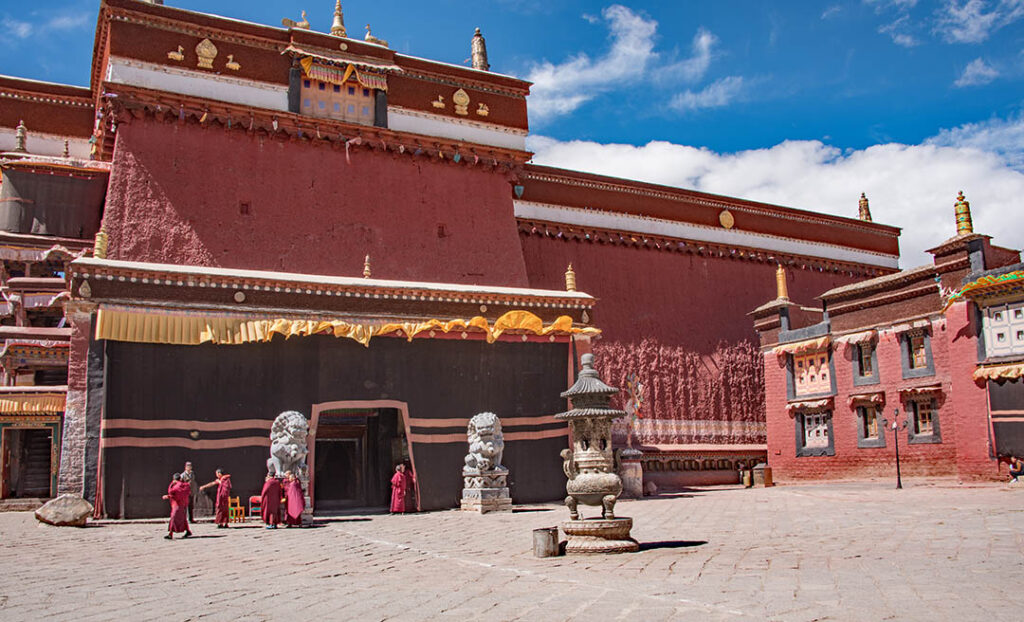
Sakya Monastery
Different from other monasteries, Sakya Monastery inherits the unique Sakya school of Tibetan Buddhism, with distinct religious rituals and cultural characteristics, providing international tourists with a diverse perspective of Tibetan Buddhist culture.
For travelers who love original monastic customs,Sera Monastery is famous for its centuries-old monk debate tradition. Every afternoon from 3 to 5 PM, lamas gather in the monastery’s courtyard to carry out vivid philosophical debates. With rhythmic clapping gestures and enthusiastic discussions, this unique scene intuitively displays the traditional Buddhist education system that has been passed down for hundreds of years, allowing international tourists to experience the vitality of traditional Tibetan Buddhist culture.
Intangible Cultural Heritage: Authentic Tibetan Folk Art and Customs
A core highlight of a Western Tibet cultural tour for international tourists is immersive experience of local intangible cultural heritage (ICH). Zhashilunbu Cham Dance, a sacred religious dance popular in major festivals at Tashilhunpo Monastery, is a precious national intangible cultural heritage. Dancers wear gorgeous traditional costumes and mysterious masks, performing ritual dances that tell ancient Buddhist sacred stories.
The grand and solemn dance scene fully reflects the unique religious art and ritual culture of western Tibet, offering international visitors a rare opportunity to watch authentic religious performances.
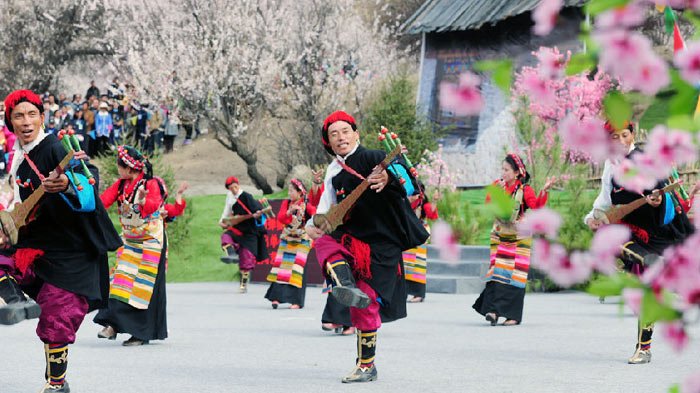
Duixie Dance – Tibetan Tap Dance
Dui Xie, a lively Tibetan folk singing and dancing art, is an indispensable part of local daily life and festival celebrations. Integrated with cheerful singing, rhythmic dancing and unique plateau musical instruments, Dui Xie fully embodies the bold and unrestrained personality of Tibetan people. International tourists can join local villagers during festivals, learn simple dance movements, and feel the warm and lively folk customs of the plateau.
In addition, traditional Tibetan handicrafts are important cultural treasures of western Tibet. Local artisans inherit ancient techniques of thangka painting, Tibet carpet weaving, and Tibetan knife carving. Tourists can visit folk handicraft workshops, watch artisans create exquisite works by hand, and learn about the cultural symbolism and production process behind each handicraft. Customized hand-made thangkas and carpets are not only unique travel souvenirs but also precious witnesses of plateau cultural inheritance.
Sacred Cultural Landscapes: Mountains, Lakes and Pilgrimage Culture
The natural landscapes of western Tibet are deeply integrated with local religious and folk culture, forming unique sacred cultural landscapes. Mount Kailash and Lake Manasarovar in Ngari are the most sacred pilgrimage destinations for Tibetan Buddhism, Hinduism and Bon religion. For thousands of years, countless pilgrims have traveled here for kora and worship, forming a profound pilgrimage culture. International tourists can follow the gentle pilgrimage route, observe the devout faith of local pilgrims, and understand the unique spiritual pursuit of plateau ethnic groups.
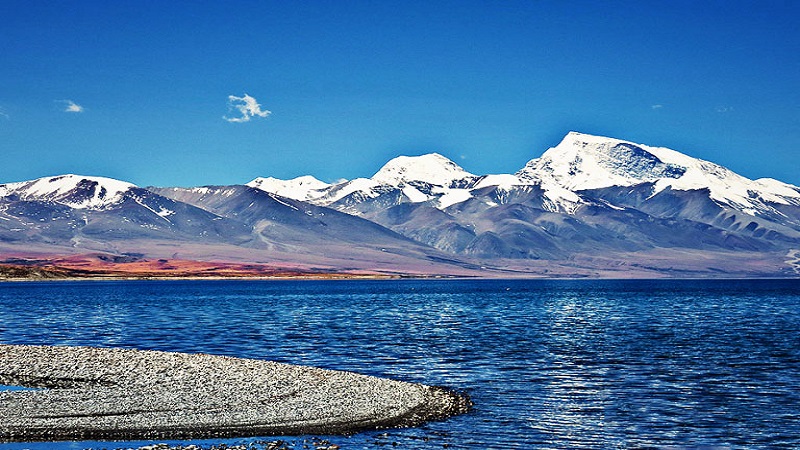
Lake Manasarovar
Yamdrok Lake, one of Tibet’s three sacred lakes, is famous for its turquoise lake water and rolling snow-capped mountains. In local culture, Yamdrok Lake is regarded as the incarnation of a goddess, guarding the peace and happiness of the plateau people. Touring around the lake, tourists can not only enjoy the stunning alpine scenery but also listen to local guides tell ancient legends and cultural stories about the sacred lake, feeling the integration of nature and faith.
Classic Western Tibet Cultural Tour Itinerary for International Tourists
To help international tourists fully experience the cultural charm of western Tibet, we have sorted out a classic 8-day in-depth cultural tour itinerary, covering core cultural attractions and authentic folk experiences, suitable for overseas travelers pursuing high-quality cultural travel. Many seasoned global travelers prefer a Small group Western Tibet cultural tour, as intimate team sizes allow for deeper local interactions, personalized guide explanations, and a more serene travel experience on the high-altitude plateau.
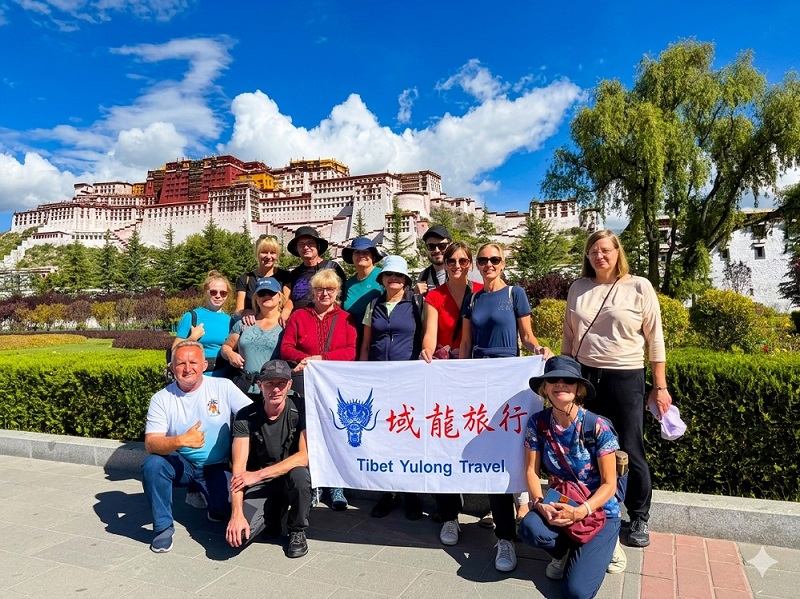
Days 1-2: Lhasa Cultural Adaptation – Start with classic cultural landmarks including Potala Palace and Jokhang Temple to understand the basic context of Tibetan culture and adapt to the high-altitude environment. Wander around Barkhor Street to experience the bustling folk customs and traditional market culture.
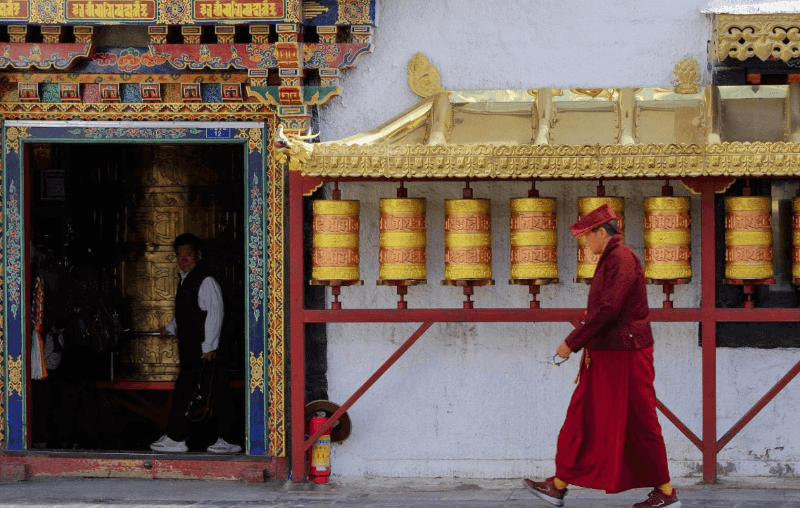
Barkhor Pilgrimage Circuit
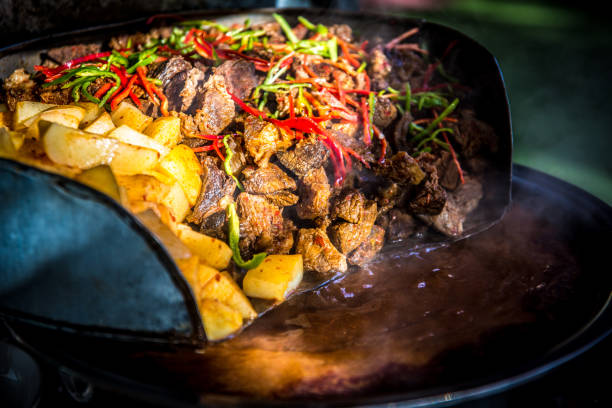
Days 3-4: Shigatse Traditional Culture Exploration – Visit Tashilhunpo Monastery to appreciate Buddhist art and religious culture, watch traditional Cham Dance performances (during festival seasons), and visit local Tibetan villages to experience farmhouse life, taste authentic Tibetan butter tea and tsampa.
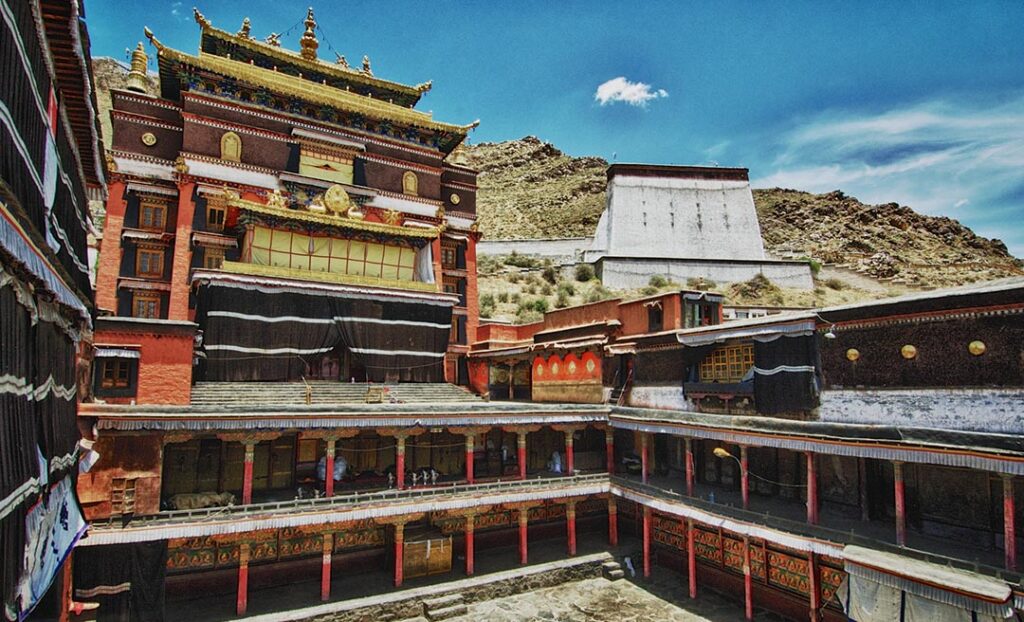
Tashilhunpo Monastery
Days 5-6: Sakya Ancient Culture Tour – Explore Sakya Monastery’s unique architectural art and precious cultural relics, visit local handicraft workshops to learn thangka painting and carpet weaving, and communicate with local artisans to understand the inheritance of intangible cultural heritage.
Days 7-8: Yamdrok Lake Cultural and Natural Integration Tour – Travel around Yamdrok Lake, experience the sacred lake culture and local pilgrimage customs, watch plateau sunrise and sunset, and end the journey with a perfect integration of culture and nature.
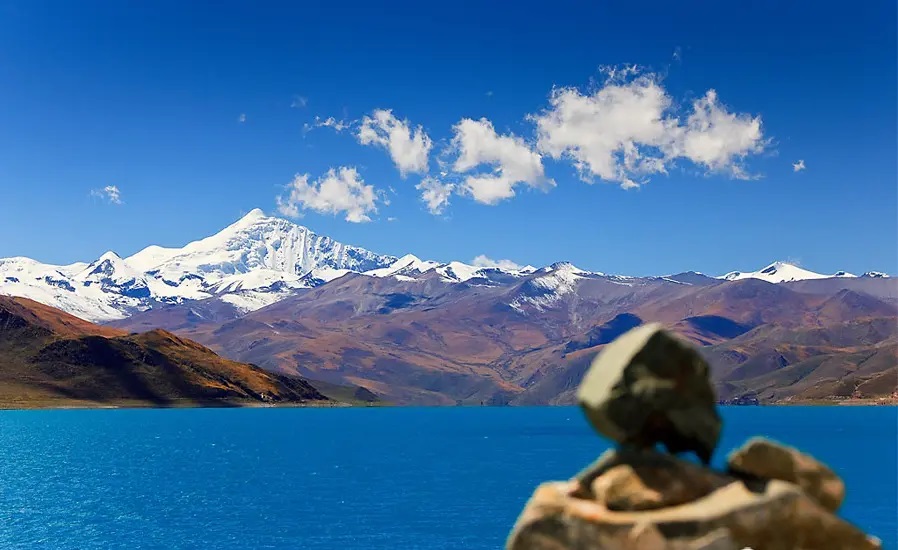
Yamdrok Lake
Practical Travel Tips for International Tourists in Western Tibet
Official Travel Permits
All international tourists need to apply for a Tibet Travel Permit (TTP) in advance through a licensed local travel agency, as independent application is not supported. For travel to remote areas such as Ngari, an additional Alien’s Travel Permit (ATP) is required. It is recommended to submit application materials including passport and Chinese visa copies 7-10 working days in advance to ensure smooth travel.
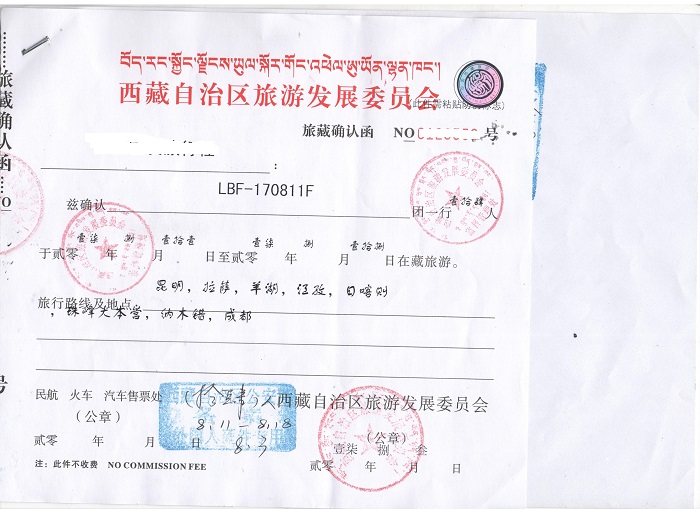
Tibet Travel Permit
Cultural Taboos and Etiquette
To respect local religious and folk customs, tourists are prohibited from touching Buddha statues, scriptures and religious artifacts in monasteries. When watching monk debates and religious ceremonies, keep quiet and do not take photos without permission. When communicating with local Tibetan people, respect their religious beliefs and living habits to maintain a friendly travel atmosphere.
Travel and Health Preparation
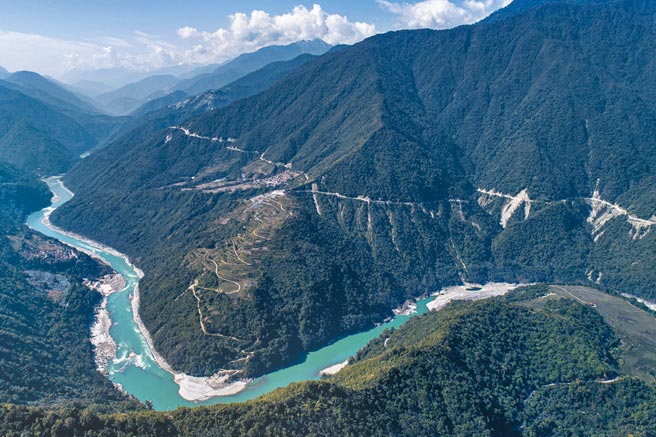
Western Tibet has a high altitude with large temperature differences between day and night. Tourists need to prepare warm clothing, sunscreen and altitude sickness prevention supplies. It is recommended to avoid strenuous exercise in the first two days of arrival and adapt slowly to the plateau environment. Adventure and culture lovers can also choose a Western Tibet overland cultural trip to traverse plateau highways, witness diverse landscape transitions and discover hidden cultural villages along the way. Choosing a professional local guide can not only ensure travel safety but also obtain detailed cultural explanation to enrich the travel experience.
Conclusion
A Western Tibet cultural tour for international tourists is more than a simple travel experience; it is a profound spiritual and cultural journey. From ancient Buddhist monasteries and precious intangible cultural heritage to sacred mountain and lake pilgrimage culture and authentic Tibetan folk customs, western Tibet presents a complete and vivid picture of plateau traditional culture. Different from commercial tourist destinations, it retains the most primitive and pure cultural charm of the Qinghai-Tibet Plateau. For international tourists who yearn for deep cultural exploration, spiritual purification and unique exotic customs, western Tibet is an irreplaceable top travel destination. With standardized travel services and well-preserved cultural resources, western Tibet welcomes global travelers to discover the eternal charm of plateau culture.