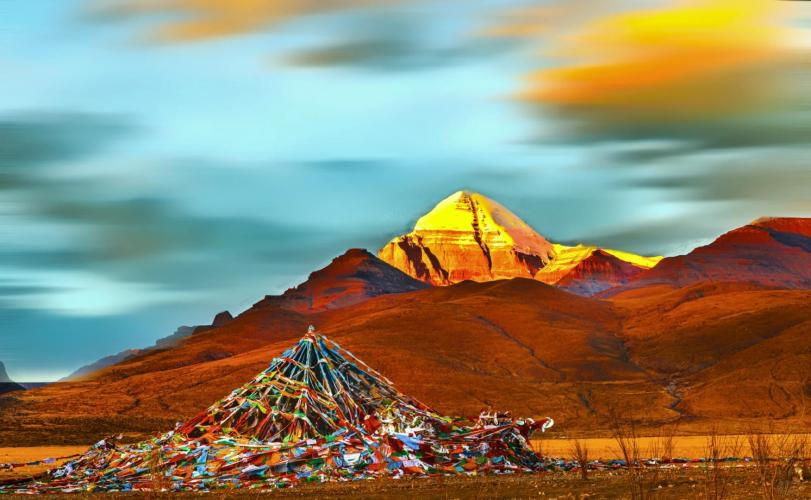

A wild Tibetan antelope photo safari in northern Tibet is less about chasing sightings than learning to move carefully through a vast, high-altitude landscape. The Changtang plateau is remote, wildlife-sensitive, and subject to access rules that can change by route and season. Careful planning matters: visitors need to travel with the right permissions, allow time to acclimatize, and keep a respectful distance from animals. Antelope encounters are never guaranteed, and weather, road conditions, and conservation restrictions can reshape an itinerary. A thoughtful trip combines realistic expectations with patient observation, suitable camera equipment, and support from people familiar with the region.
- Choose a permitted route and confirm access before departure.
- Acclimatize gradually; much of the plateau is at extreme altitude.
- Photograph from a distance and never pursue wildlife.
- Build flexibility into the schedule for weather and road conditions.
- Travel with an operator experienced in northern Tibet logistics.
What a Northern Tibet Photo Safari Involves
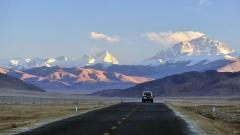
Northern Tibet is commonly associated with the Changtang, a broad plateau of open grassland, mountain ranges, lakes, and sparsely populated settlements. It is not a conventional wildlife park with viewing platforms and predictable animal encounters. The appeal lies in the scale of the landscape and the possibility of observing wildlife in its natural habitat while traveling through a region where human presence is limited.
A photo safari here is best understood as a carefully managed journey rather than a guaranteed expedition to see one species. Tibetan antelope, also known as chiru, inhabit parts of the Tibetan Plateau, but their distribution varies, and sightings depend on location, season, conditions, and permitted access. Other wildlife may be visible along a route, yet no responsible guide can promise a particular animal will appear on a certain day.
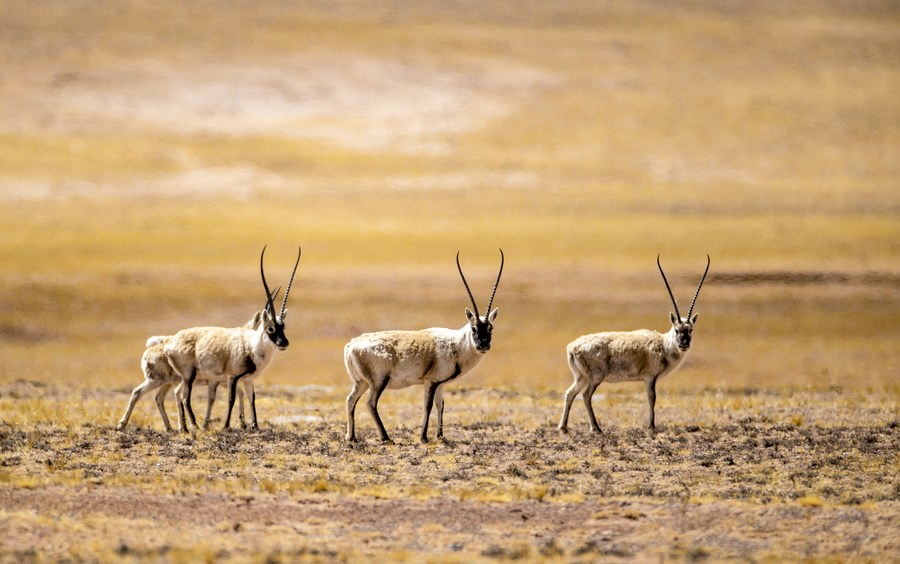
Road travel can be long, facilities are sparse outside settlements, and the altitude affects visitors differently. A suitable itinerary allows for acclimatization and includes contingency time. The strongest photographic experiences often come from waiting quietly, reading the landscape, and accepting that some days may be spent traveling or responding to weather rather than taking close wildlife portraits.
Why the Changtang Requires Special Planning
The Changtang is not simply a remote scenic backdrop. It includes ecologically important habitats and protected areas, where access may be restricted or require specific arrangements. Rules can depend on the exact route, the conservation status of the area, and current administrative requirements. Do not assume that a road shown on a map is open to independent travelers, or that a permit for one destination allows entry to another.
Before booking, ask the operator to identify the intended route, explain which permissions are required, and clarify what happens if an area is closed. Confirm details through the relevant travel authorities or a qualified local operator before departure. Avoid itineraries that promise access to restricted places without explaining how legal entry will be arranged.
When to Plan a Tibetan Antelope Photo Safari
The best time for a trip depends on the route, weather, access conditions, and the kind of landscape you hope to photograph. Northern Tibet has a harsh high-altitude climate, and conditions can shift quickly. Cold, wind, snow, rain, and poor visibility can affect roads and outdoor time, including during periods that may seem mild elsewhere.
Some travelers choose the warmer part of the year for more manageable road conditions and longer daylight. However, a season that is comfortable for travel does not guarantee wildlife sightings. Antelope movements are influenced by natural factors, and sensitive seasonal activity may make particular places inappropriate for visitors. A responsible operator should explain any seasonal limits and avoid taking groups close to breeding or calving areas.
Rather than selecting dates solely around a wildlife claim, consider the full travel picture: altitude adjustment, route permissions, road reliability, temperature, and the time available for unhurried observation. Ask about typical conditions for the specific itinerary, not just broad descriptions of “summer” or “winter.” Packing for a range of temperatures is essential even when daytime forecasts appear favorable.
Allow Flexibility in the Itinerary
A tightly packed schedule is a poor fit for northern Tibet. Long distances, changing weather, road checks, vehicle issues, and altitude-related fatigue can all affect progress. A flexible plan gives the driver and guide room to adapt without pressuring the group to travel unsafely or enter areas that are not permitted.
Ask how many nights are planned at altitude, how much driving is expected each day, and whether the itinerary includes rest or contingency days. Clarify whether overnight stops have reliable heating and what basic medical support is available. The answers should be specific to the route and season; general assurances are not a substitute for practical planning.
Permits, Access, and Local Guidance
Travel arrangements for Tibet and remote parts of the region can involve permits and administrative requirements that vary according to nationality, itinerary, and current regulations. Foreign visitors may need to travel with an authorized tour operator and follow an approved itinerary. Requirements can change, so verify them well before booking and again before departure through official channels or a qualified agency.
A wildlife-focused trip may also encounter additional restrictions because some areas are protected or difficult to access. Do not enter a reserve, military-sensitive area, or closed zone without explicit authorization. Your guide should be able to explain where the vehicle may stop, whether photography is allowed, and what to do if an official requests a change of route.
A knowledgeable local team adds value beyond paperwork. Drivers familiar with the terrain can judge road conditions, while guides can help interpret the landscape and local practices. They can also set appropriate expectations: wildlife may be distant, observations may be brief, and the best response is to preserve the animal’s space rather than seek a closer angle.
Questions to Ask Before Booking
Request a written itinerary with overnight locations, estimated driving times, and a clear description of included services. Ask who handles permits, what documents you must provide, and whether the route can change because of access restrictions. Confirm the vehicle type, number of travelers, accommodation standards, meals, and communication arrangements in areas with limited mobile coverage.
For a photo safari, ask how the team handles wildlife encounters. A responsible answer should rule out chasing, crowding, baiting, and off-road approaches that damage habitat. Find out whether the driver will stop at a safe distance and whether the group can wait quietly without blocking animal movement or other traffic.
It is also sensible to ask what support is available if someone develops symptoms of altitude illness, becomes unwell, or needs to shorten the trip. This is not a minor detail in a remote, high-altitude region. A capable operator should discuss emergency procedures plainly, including how evacuation decisions are made and what communication tools are carried.
Altitude and Health: Prepare Before You Go
Much of northern Tibet lies at a high elevation, where the lower oxygen level can cause altitude illness. Symptoms may include headache, nausea, dizziness, unusual tiredness, and shortness of breath. Severe symptoms require urgent medical attention. Fitness does not guarantee protection, and previous experience at altitude does not ensure that every visit will be problem-free.
Plan a gradual ascent where the itinerary allows it, and follow your guide’s advice about pacing and rest. Keep the first days light, drink regularly, and avoid treating strenuous activity as a way to test your fitness. Discuss pre-existing medical conditions and any medication questions with a qualified clinician before travel. Do not self-diagnose or rely on a guidebook to decide whether serious symptoms are safe to ignore.
Ask the operator about the highest overnight elevation, the pace of ascent, and the nearest medical facilities along the route. Carry personal prescriptions in their original packaging and bring any essentials recommended by your doctor. A plan to descend or seek care should take priority over a photography schedule whenever health is at risk.
Practical Clothing and Personal Gear
Conditions can vary widely between sun, wind, and cold. Pack layered clothing that can be adjusted throughout the day: a warm insulating layer, a wind-resistant outer shell, comfortable trousers, and sturdy footwear suitable for uneven ground. A hat, gloves, and sun protection are useful even when the air feels cold, because high-altitude sunlight can be intense.
Bring water, snacks, personal medication, sunglasses, and a small first-aid kit suited to your needs. Keep important documents and electronics protected from dust and moisture. A power bank and spare batteries are helpful, since cold temperatures can shorten battery life and charging opportunities may be limited.
Photography Ethics and Wildlife Distance
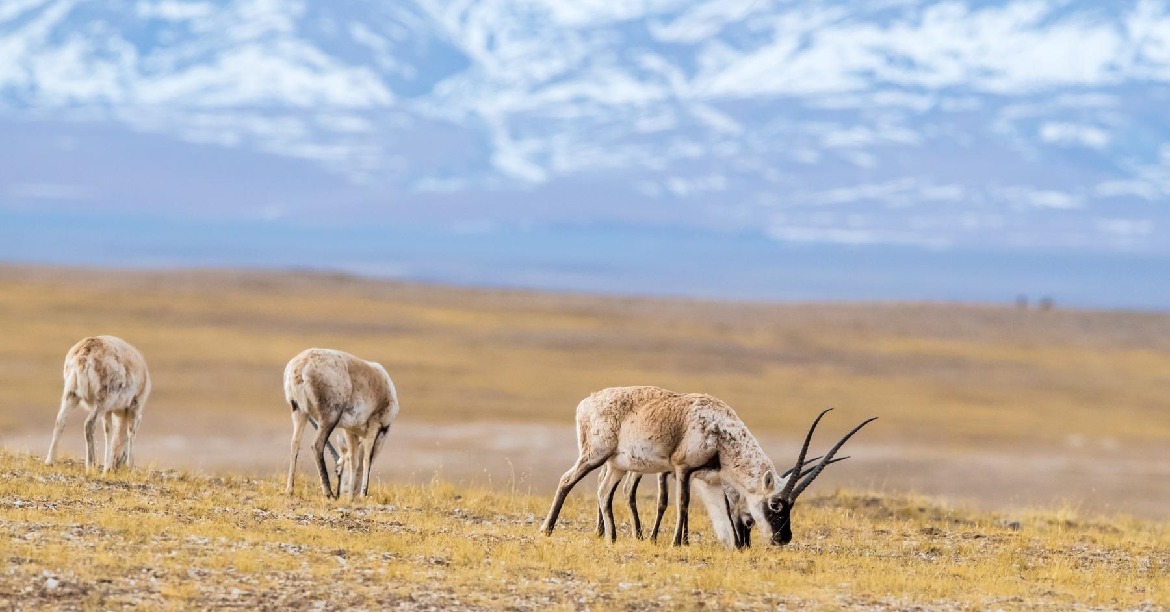
The quality of a wildlife photograph should never come at the expense of an animal’s safety. Tibetan antelope are wild, and close approaches can cause stress or interrupt feeding, resting, and movement. The safest practice is to remain in the vehicle or at a distance approved by the guide, keep noise low, and leave if the animal changes behavior because of the group’s presence.
Never drive after an antelope, surround it with vehicles, block its route, or use food or calls to attract it. Do not leave the road to improve a camera angle unless the guide confirms that the location is permitted and the ground can be crossed without harm. Even apparently empty grassland may contain fragile vegetation or wildlife habitat that does not recover quickly from repeated vehicle traffic.
Use a long lens to make distant observations more useful, and accept that some photographs will show animals within the broader landscape rather than filling the frame. If an animal repeatedly looks toward the vehicle, stops feeding, moves away, or appears alarmed, increase distance or leave. A guide’s instruction to move on should be treated as part of responsible photography, not as an obstacle to it.
Camera Setup for Open Plateau Landscapes
A telephoto lens is useful for wildlife observed from a respectful distance, while a standard zoom can capture the scale of lakes, grassland, and mountains. A monopod or vehicle-supported technique may help during long waits, but equipment should not obstruct other passengers or encourage unsafe movement outside the vehicle.
Use a fast enough shutter speed to reduce blur from animal movement and vehicle vibration. In bright conditions, check exposure regularly; pale fur and reflective terrain can trick automatic settings. Consider photographing in RAW if you are comfortable managing larger files, and keep a simple backup routine using separate memory cards or a portable storage device.
Dust can be a persistent nuisance on remote roads. Change lenses only when the vehicle is stopped in a sheltered place, and bring a cloth or blower designed for camera equipment. Keep a spare battery accessible and avoid leaving electronics exposed to direct sun or extreme cold for long periods.
What You May See Beyond Tibetan Antelope
The Changtang is known for open, high-altitude ecosystems, and a journey may reveal more than its best-known antelope. Depending on location and season, travelers may encounter other plateau wildlife and a wide variety of birds. Sightings are never assured, and a guide should identify animals cautiously rather than turning a distant shape into a certain species for the sake of a dramatic story.
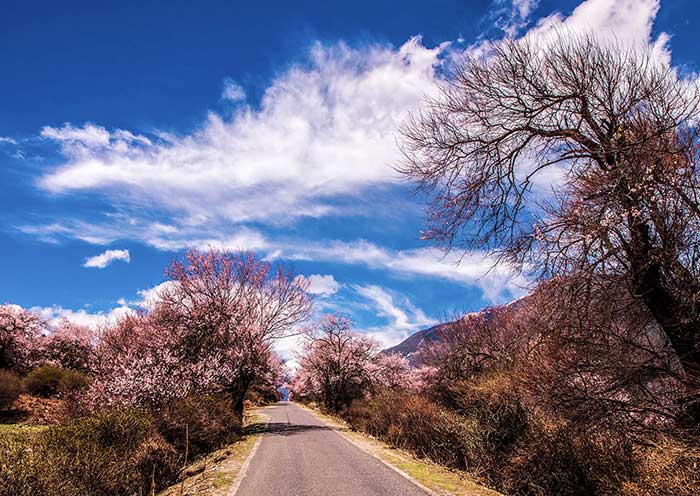
The landscape itself deserves attention. Broad grasslands, mountain silhouettes, salt lakes, and changing cloud patterns can make compelling photographs even when animals are absent. Small details—tracks, weathered stones, a roadside settlement viewed from an appropriate public stopping point—can help tell a fuller story of travel across the plateau.
Keep wildlife observation separate from collecting. Do not pick plants, disturb nests, handle feathers or bones, or remove stones from protected locations. Leave no food or packaging behind, and follow the guide’s directions about waste disposal. These habits help keep the journey low-impact and protect places that receive relatively few visitors.
Choosing Accommodation and Transport
Accommodation in remote parts of northern Tibet is basic compared with major cities, and availability can be limited. Depending on the route, overnight options may include guesthouses or simple local lodging, with facilities that differ from stop to stop. Confirm whether rooms are private or shared, whether bedding is provided, and what heating, toilets, and washing facilities are available.
The vehicle is central to the experience because the itinerary may involve long hours on rough roads. Ask whether it is suitable for the planned terrain, how many passengers it carries, and whether there is room for camera bags without compromising safety. Seat belts should be available and used. A responsible operator should not overload the vehicle or pressure a driver to maintain a schedule that is unsafe for the road conditions.
Food choices may be limited outside larger settlements. Tell the operator about allergies, dietary requirements, and any foods you cannot eat before the trip. Bring a small supply of familiar snacks if needed, while avoiding single-use packaging that is difficult to dispose of responsibly in remote areas.
Making the Trip Work for Different Travelers
A photo safari can suit experienced wildlife photographers, landscape photographers, and travelers who simply want to observe the plateau more carefully. It may be less suitable for people who need frequent access to full medical facilities, are uncomfortable with basic accommodation, or expect a highly predictable itinerary. Discuss mobility needs and the amount of time spent sitting in a vehicle before committing.
Families should consider altitude, long driving days, limited services, and the difficulty of finding child-specific medical support in remote areas. Older travelers and anyone with health concerns should seek medical advice and discuss the itinerary with the operator in detail. A shorter, lower-altitude trip may be a better choice if the demands of the route do not match a traveler’s needs.
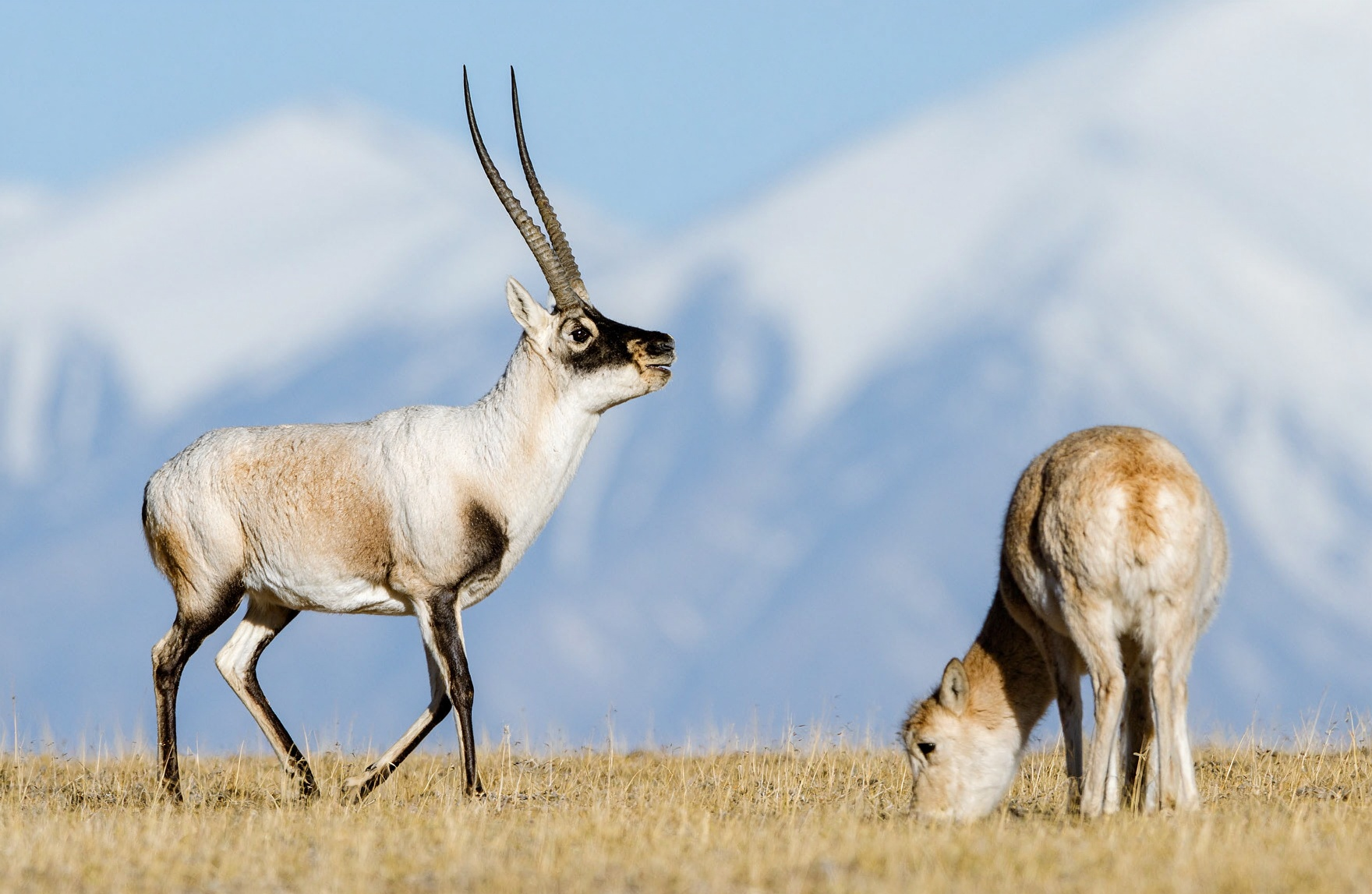
For photographers traveling with companions, agree on how much time will be dedicated to waiting at sightings and how the group will handle different interests. A small group can make quiet observation easier, but only when everyone follows the same distance and access rules. The guide should have authority to end a stop if the group’s presence affects wildlife.
Working with Tibet Yulong Travel
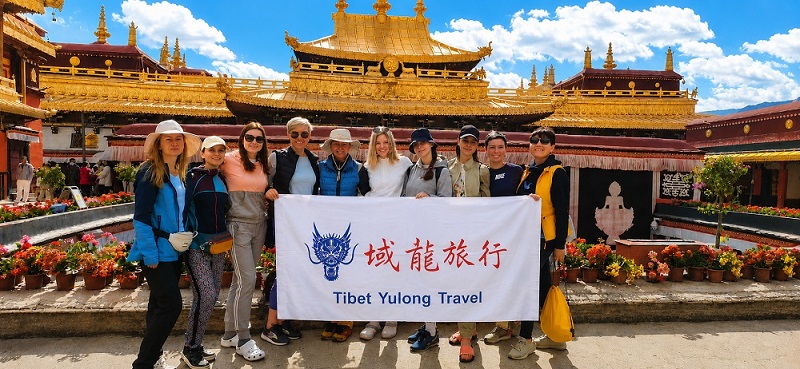
Tibet Yulong Travel can be considered as a local travel-planning contact for visitors researching routes in Tibet. When discussing a wild Tibetan antelope photo safari in northern Tibet, use the planning conversation to verify the details that matter most: the proposed route, permit handling, overnight elevations, expected driving time, vehicle arrangements, and what is included in the price.
Ask the company to explain how it responds to protected-area restrictions and what alternatives are available if access changes. Request clear information about wildlife-viewing practices, group size, accommodation, meals, and emergency procedures. It is also worth confirming the cancellation and itinerary-change terms in writing, especially for a journey where weather and local access may affect travel plans.
Treat a company’s wildlife experience as one part of your decision rather than a promise of sightings. Compare the proposed itinerary with your health needs, photography goals, and comfort level. The most useful operator is one that communicates limitations honestly, prioritizes legal access and animal welfare, and can explain practical arrangements without relying on guaranteed encounters.
Responsible Travel Checklist
Before departure, confirm your documents, permits, route, accommodation, vehicle, and emergency arrangements. Share relevant health information with the operator and carry essential medication. Pack for cold, wind, strong sunlight, dust, and limited charging opportunities. Leave extra time in the itinerary rather than planning every day around a fixed wildlife target.
During the journey, follow your guide’s instructions, stay within authorized areas, and keep a generous distance from animals. Avoid litter, unnecessary noise, and off-road driving. If a sighting is brief or distant, let it remain brief and distant. That restraint is part of what makes a wild Tibetan antelope photo safari in northern Tibet a responsible way to experience the plateau, rather than simply a search for a close-up image.