A Darchen local village cultural tour Ngari offers a close look at life in a high-altitude settlement best known as the starting point for the Mount Kailash kora. Darchen is a practical base for pilgrims and trekkers, but it is also a community where residents work, worship, trade, and adapt to a demanding environment. A thoughtful visit goes beyond taking photographs of mountain scenery: it means learning how the town functions, approaching religious spaces with care, and allowing time to acclimatize. Expect modest facilities, changeable weather, and a slower rhythm than in Tibet’s larger towns. The most rewarding cultural encounters are usually simple and respectful, such as sharing a meal, observing daily activity from public areas, or listening to a local guide explain regional customs. Use these points to plan well:
- Treat Darchen as a living community, not a backdrop.
- Ask before photographing people or private spaces.
- Acclimatize before strenuous walking.
- Keep plans flexible for weather and access.
- Use a qualified local guide for cultural context.
Understanding Darchen and its cultural setting
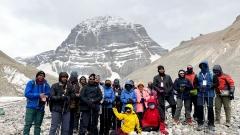
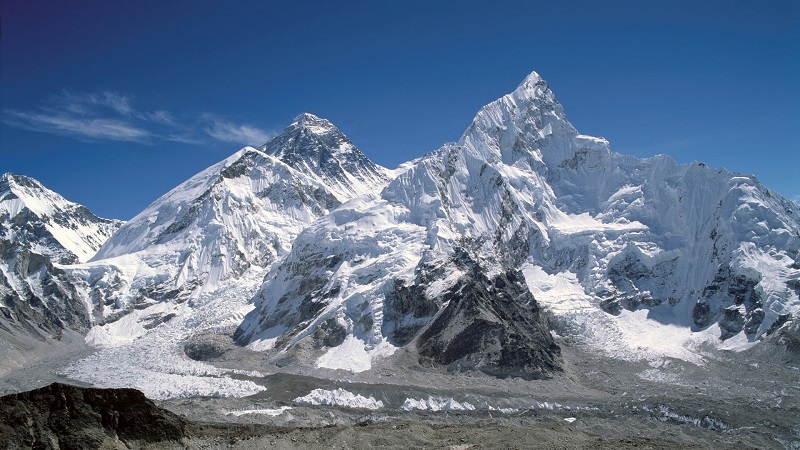
Darchen lies in Ngari Prefecture in western Tibet, near the foot of Mount Kailash, a mountain revered in several religious traditions. The town’s best-known role is as a staging point for the pilgrimage circuit around the mountain. That role shapes its seasonal rhythm: visitors, pilgrims, guides, drivers, shopkeepers, and guesthouse staff share streets and services, while local families maintain their own routines alongside the flow of travelers.
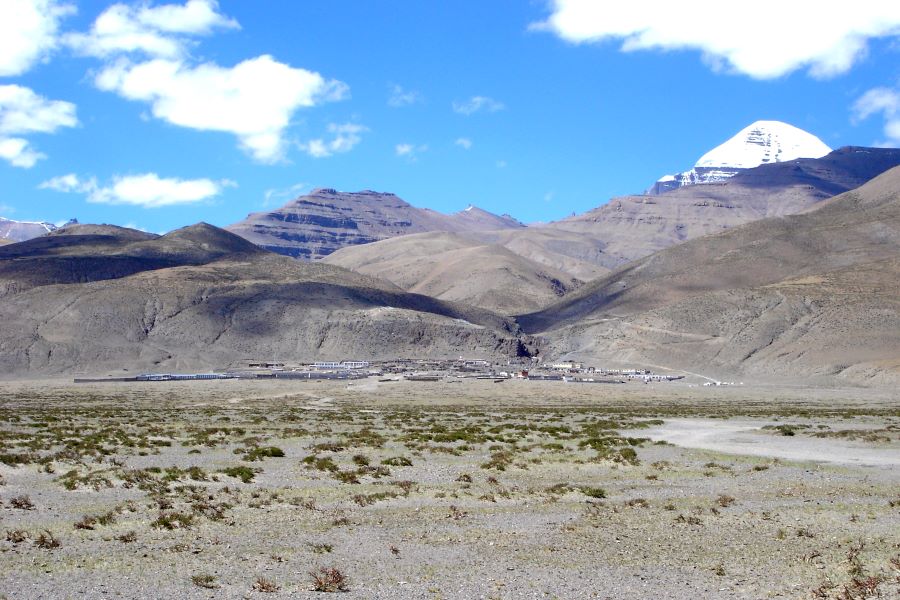
This is not a museum village with exhibits arranged for visitors. Darchen is a working settlement in a remote region, and what a traveler can see changes with the season, weather, and local circumstances. A cultural visit should therefore focus on observation and informed conversation rather than expecting formal performances or access to private homes. Public streets, shops, eateries, and permitted religious sites offer a more appropriate starting point.
The landscape is inseparable from local identity. The open plateau, severe elevation, and proximity to Kailash influence travel, livelihood, spiritual practice, and daily planning. Many visitors arrive with a trekking itinerary, but taking time to notice how people prepare for the journey—buying supplies, arranging transport, or meeting companions—can provide a grounded introduction to the place.
Planning a Darchen local village cultural tour Ngari
A Darchen local village cultural tour Ngari works best when it is planned as a gentle, flexible visit rather than a packed schedule. Build in time to rest after arrival, walk only as your body permits, and check locally which places are open and appropriate to visit. Because services and access can vary in this remote area, confirm transport, accommodation, permits, and guide arrangements through reliable operators before setting out.
A local guide can help explain the meaning of visible customs, identify places where visitors are welcome, and prevent misunderstandings. Choose someone who can communicate clearly in your preferred language and who is familiar with local etiquette as well as the practical conditions. If you are traveling with Tibet Yulong Travel, ask the team in advance what kind of village or cultural visits are currently appropriate, what is included, and whether any part of the itinerary depends on local permission or conditions. Confirm details rather than assuming that a particular encounter or site visit is guaranteed.
Keep your schedule open. Weather, road conditions, altitude symptoms, and local arrangements may all affect a plan. A useful cultural itinerary can be as simple as a short walk through public parts of town, a meal at a local establishment, and a conversation with your guide. Avoid treating access to private homes or religious ceremonies as a standard tour feature; these require invitation or explicit permission.
Best time and seasonal expectations
Travel conditions in Ngari are strongly influenced by altitude and weather. Warmer months generally bring more activity around the pilgrimage route, while colder periods can mean harsher conditions and reduced services. These broad patterns are not a guarantee of specific opening dates, road access, or event schedules. Check current local conditions shortly before travel, and ask your operator about the likely facilities and transport available for your planned dates.
During busy periods, Darchen can feel crowded as pilgrims and visitors prepare for the kora. That activity can be culturally interesting, but it also calls for patience: accommodation and transport may be in high demand, and public spaces may be busy. In quieter periods, the town may have fewer services. Pack for cold, wind, strong sun, and sudden changes even when the forecast appears favorable.
Arrival and getting around
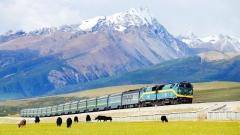
Darchen is remote, and reaching it typically involves long-distance overland travel within the region. Routes and travel requirements can depend on your broader itinerary and current regulations. Arrange the journey through an experienced operator, verify the necessary permits and documents, and do not rely on informal assumptions about entry or road access.
Once in town, walking is often the simplest way to experience public areas, but the altitude makes even short distances feel demanding. Move slowly, drink water according to your needs, and rest frequently. A vehicle may be useful for longer transfers or when conditions make walking uncomfortable. Do not hurry to cover every street; a modest pace allows you to notice daily life without making the visit physically exhausting.
Everyday life and respectful cultural encounters
The most meaningful cultural observations are often ordinary ones. You may see people going about errands, preparing for a pilgrimage, opening shops, or meeting fellow travelers. Watch from public areas and leave room for residents to continue their day. If you are unsure whether an activity is private, sacred, or open to visitors, ask your guide before approaching.
Conversation should be unhurried and courteous. A guide can introduce you when appropriate and help with language, but residents are not obliged to answer questions or pose for photographs. A friendly greeting, a small purchase from a local business, or a simple exchange about the journey can be more respectful than trying to stage an encounter. Avoid asking intrusive questions about personal income, family matters, or religious beliefs unless a resident voluntarily raises the topic.
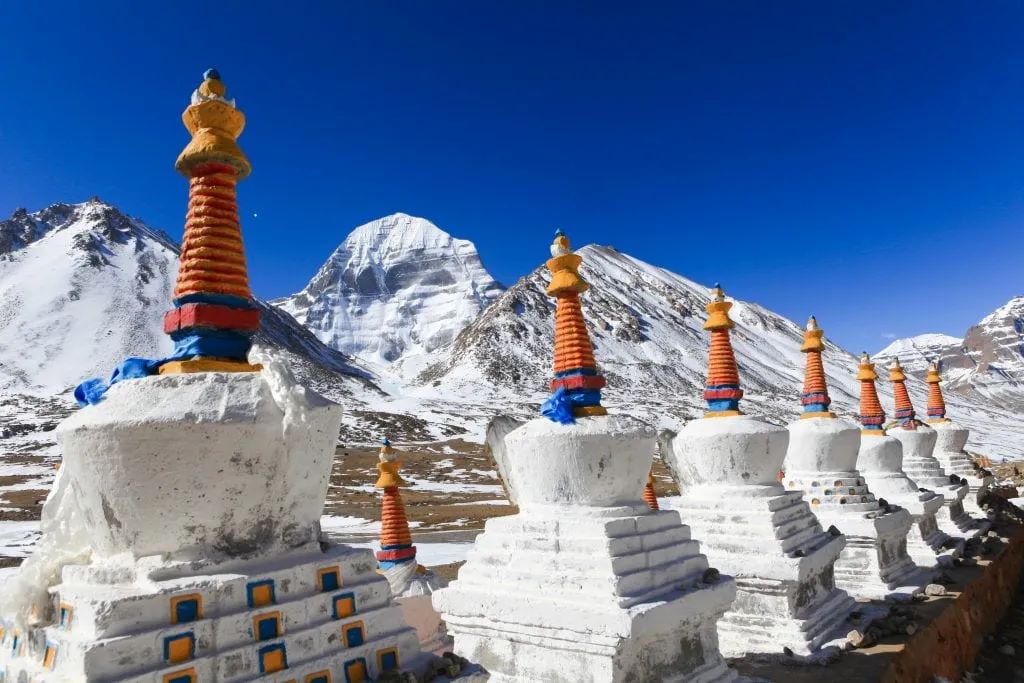
Mt Kailash and stupas at the Dira Puk monastery
Religious practice deserves particular care. Mount Kailash is sacred to multiple faiths, and pilgrims may be engaged in practices that are deeply personal. Do not interrupt prayer, block a route, touch ritual objects, or imitate a ceremony for a photograph. Follow signs and guidance, keep your voice low, and observe any restrictions. If a place is not clearly open to visitors, do not enter without permission.
Photography and personal boundaries
Always ask before photographing a person, especially close-up portraits, children, or people engaged in worship. A gesture toward your camera and a clear question can help, but respect a refusal immediately. Do not photograph inside homes, shops, or religious spaces without consent. Even where photography is allowed, avoid using a flash or positioning yourself where you obstruct movement.
Photographs of public streets and landscapes should still be taken thoughtfully. People may appear in the background without expecting to become the subject of a travel post. When in doubt, frame the scene without identifiable faces or ask first. Never promise to send a photo unless you have a reliable way to follow through.
Clothing, conduct, and small gestures
Choose practical, modest clothing suitable for cold, wind, dust, and strong sun. Remove sunglasses or hats if doing so is appropriate when entering a religious space, and follow local instructions rather than assuming that one rule applies everywhere. Avoid loud behavior, public arguments, and disrespectful jokes about religious symbols or local customs.
If offered tea or food, accept only if you are comfortable and able to do so; a polite refusal is also acceptable. When visiting a shop, handle goods carefully and ask before taking pictures. Bargaining may occur in some commercial settings, but keep it good-natured and do not turn a small difference into a confrontation. Buying a useful item or meal locally is a straightforward way to support businesses without making assumptions about charitable giving.
Food and local dining in Darchen
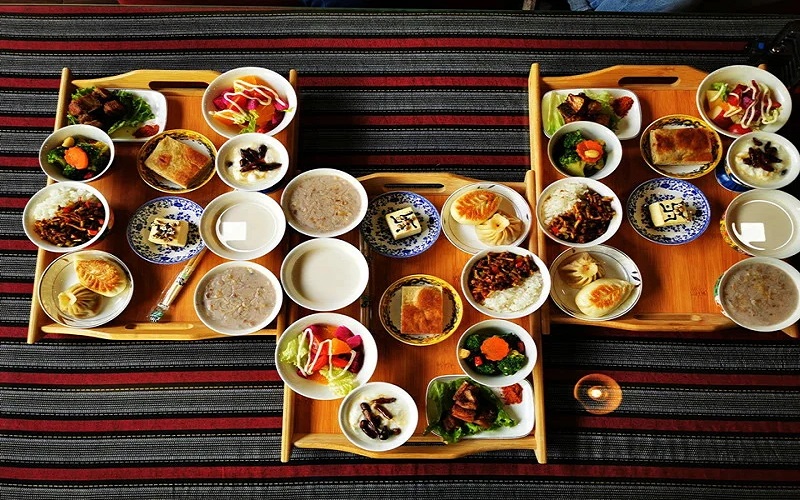
Food options in a remote town can be simpler and less varied than those in major cities. Visitors may find small restaurants or guesthouse meals serving filling dishes suited to cold conditions, though menus, ingredients, and opening hours can change. Ask what is available that day rather than expecting a particular dish. A local guide or accommodation host can help identify suitable places and explain unfamiliar menu items.
Tibetan food traditions include staples such as tsampa, a roasted barley flour, and butter tea, but availability and preparation vary. Travelers may also encounter noodle dishes, rice, vegetables, or other regional and visitor-oriented meals. Try local food with an open mind, while being clear about allergies, dietary restrictions, and food preferences. If you have a serious allergy, explain it in advance through your guide and carry any necessary medication; communication can be challenging in a remote setting.
Drink sealed or properly treated water and take sensible care with food hygiene. Bring familiar snacks for long transfers or periods when choices are limited, but avoid leaving packaging behind. If you purchase packaged goods, carry the waste until you find an appropriate disposal point. Food is an important part of travel, but there is no need to treat a meal as a cultural performance: eat respectfully, ask questions when welcome, and allow hosts or staff to explain dishes in their own way.
Altitude, health, and personal safety
Darchen sits at very high elevation. Altitude affects people differently, and being fit does not guarantee that you will avoid symptoms. Headache, nausea, unusual fatigue, dizziness, and disturbed sleep can occur. Plan time to acclimatize before strenuous activity, limit exertion at first, and tell your guide or travel companion promptly if you feel unwell. Symptoms that worsen or include serious breathing difficulty, confusion, or loss of coordination require urgent medical attention and a plan to descend when advised.
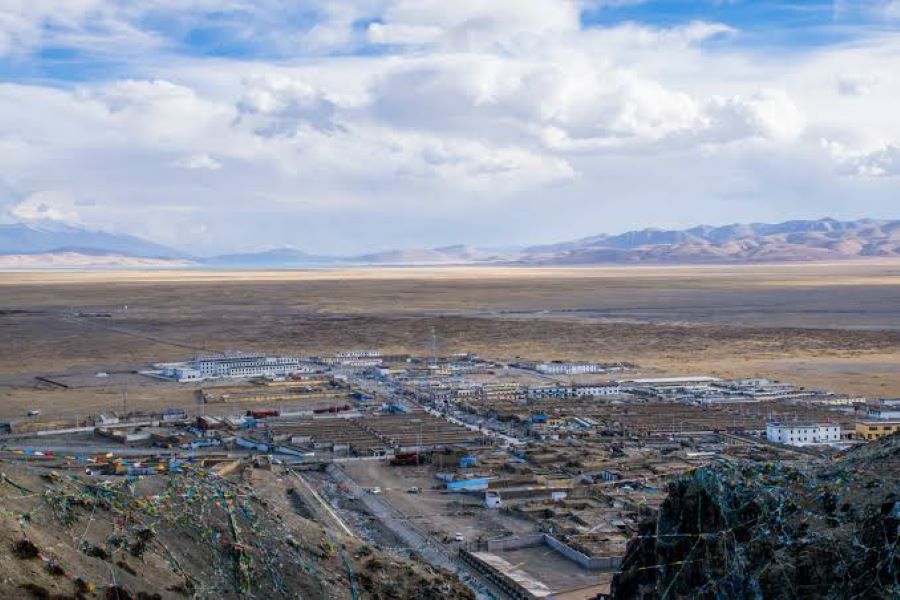
Do not treat a cultural walk as physically trivial. Even a short route can feel difficult at altitude, particularly after a long drive or a poor night’s sleep. Keep the pace comfortable and turn back if needed. Travelers with existing medical conditions should seek professional medical advice before the trip and discuss the remoteness of the itinerary. Carry personal medication and a basic first-aid kit, and confirm what emergency support is available through your operator.
Sun exposure can be intense at elevation, while temperatures may fall quickly. Wear sun protection, layered clothing, and sturdy footwear. Wind and dust can make exposed areas uncomfortable, so protect your eyes and skin. Keep valuables secure, follow road-safety instructions, and avoid wandering away from town or your group without telling someone where you are going.
Pairing village time with the Mount Kailash kora
Many travelers visit Darchen because they plan to walk the kora around Mount Kailash. The cultural visit and the pilgrimage circuit should be treated as related but distinct experiences: the kora is physically demanding and spiritually significant, while time in town can help visitors understand the practical preparations and local context around it. A village walk is not a substitute for the route, and a trek should not be attempted without considering health, conditions, equipment, and appropriate guidance.
Before setting out, confirm route conditions, transport arrangements, weather expectations, and what support is available. Carry only what you need, protect yourself from the elements, and follow local rules and your guide’s instructions. Some visitors complete the circuit over several days, while others do not undertake it; neither choice should be framed as a measure of cultural understanding. If altitude symptoms develop, health takes priority over a planned schedule.
For travelers who do not trek, Darchen can still offer a meaningful visit through public-area walks, local meals, and conversations with a knowledgeable guide. Do not attempt to enter restricted areas or approach the mountain in ways that conflict with local guidance. The best itinerary is one that respects both personal limits and the significance of the place to pilgrims.
A considerate half-day approach
A flexible half-day can begin with rest and a slow orientation walk once you have had time to acclimatize. Ask your guide to explain the layout of public streets and the town’s role in pilgrimage logistics. Pause at a suitable local eatery or shop, and ask before taking photographs. Keep the route short, with opportunities to sit and drink water.
If a religious site or public gathering is open to visitors, follow the guidance provided and remain unobtrusive. Do not plan the visit around gaining access to private rituals. Leave enough time to return to your accommodation before fatigue sets in, particularly if you are continuing to another destination or preparing for a trek. A short, respectful visit is preferable to a long itinerary that ignores altitude or local boundaries.
For a full-day plan, add rest rather than simply adding more stops. The town’s scale and remote setting do not guarantee a full day of formal attractions. A guide can shape the day around current conditions and your interests, but the plan should remain adaptable. Confirm meal times, transport, and any site access in advance, and make sure everyone in your group is comfortable with the walking pace.
What to pack for a cultural visit
Pack layers that can be adjusted as the temperature changes, a windproof outer layer, sun protection, sunglasses, comfortable walking shoes, and a refillable water bottle. Bring personal medication, a small first-aid kit, tissues, hand sanitizer, and any specialty food you may need. A power bank can be useful on long travel days, but conserve battery in cold weather and avoid relying on a phone as your only navigation or emergency tool.
Carry small amounts of cash where appropriate, since payment options may be limited or inconsistent. Keep travel documents secure and accessible, and follow your operator’s instructions about permits and identification. Pack light enough to manage your belongings comfortably at altitude. A notebook can be a useful alternative to photographing every encounter, especially when you want to remember a guide’s explanation without interrupting a moment.
Bring a reusable bag for your waste and avoid disposable items where practical. Do not collect stones, plants, or objects from religious or natural sites. Leave public spaces as you found them, and dispose of rubbish only in suitable bins or through your accommodation or guide.
Choosing a responsible local tour
A responsible tour should be transparent about what it includes, what depends on local conditions, and how the operator handles permissions and cultural etiquette. Ask whether the guide is local or has relevant regional experience, how transport and accommodation are arranged, and what support is available if someone becomes unwell. Clarify whether meals, permits, and additional services are included rather than relying on vague descriptions.
Tibet Yulong Travel can be considered as one possible operator when organizing a visit, but travelers should verify its current services, itinerary details, licensing, and booking terms directly before making plans. Ask specific questions about the Darchen portion: Will the visit involve public areas only? Is a local guide provided? What happens if weather or access changes? Are any cultural encounters dependent on personal invitation? Clear answers help set realistic expectations and support respectful travel.
Avoid operators that promise guaranteed access to private homes, ceremonies, or personal encounters. Cultural tourism should not pressure residents to perform or disclose private information. A well-planned visit gives travelers context while allowing local people to decide how much they wish to share. It also recognizes that transport, food, and guiding services in a remote region depend on local labor and conditions.
Common mistakes to avoid
The most common mistake is trying to do too much too quickly. Arrival, altitude, and a long journey can make an ambitious walking plan difficult. Leave room for rest and do not use a fixed itinerary as a reason to ignore symptoms. Another frequent error is treating the town only as a gateway to the mountain. A few minutes spent noticing everyday routines can make the visit more meaningful without intruding on anyone.
Do not assume that every resident wants to be photographed or interviewed. Avoid entering homes, back rooms, or religious areas without permission. Do not describe local customs as strange or reduce spiritual practice to a photo opportunity. Ask your guide when you are uncertain, and accept that some places or experiences may not be available to visitors.
Finally, do not rely on outdated online information for access, accommodation, or travel requirements. Conditions in remote areas can change, and individual services may operate differently from one period to another. Confirm arrangements close to departure with your operator, accommodation, and relevant local contacts, while keeping alternative plans in mind.