The Mount Kailash inner kora is not simply a shorter version of the popular outer pilgrimage circuit. It is a more restricted route in a sensitive border region, and foreign visitors should not assume that an ordinary Tibet travel permit or a standard Kailash tour automatically grants access. Rules and practical arrangements can depend on current local decisions, route conditions, and the permissions available to an authorized travel operator. Before building an itinerary around the inner kora, confirm whether foreign travelers are being admitted, which documents are required, and whether the route is open for the dates you are considering. These points are essential:
- The inner kora is distinct from the outer kora.
- Foreigners need an authorized Tibet travel arrangement.
- Access may be restricted or unavailable.
- A permit does not replace local approval.
- Confirm details before paying or traveling.
This Mount Kailash inner kora permit guide for foreigners explains how to approach the question carefully, what to ask an operator, and how to prepare a realistic backup plan. Because access policies can change, treat any permission as something to verify for your specific departure—not as a permanent guarantee.
What the Mount Kailash inner kora involves
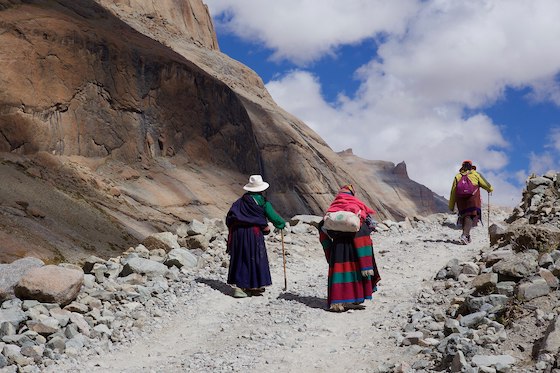
Mount Kailash, in Ngari Prefecture in western Tibet, is sacred to several religious traditions. The outer kora is the better-known pilgrimage circuit around the mountain. Pilgrims and trekkers follow a demanding high-altitude route, commonly described as roughly 52 kilometers, although actual distance and timing can vary with itinerary and route conditions. The inner kora is a separate route that approaches the mountain more closely and passes through terrain and sites of particular religious significance.
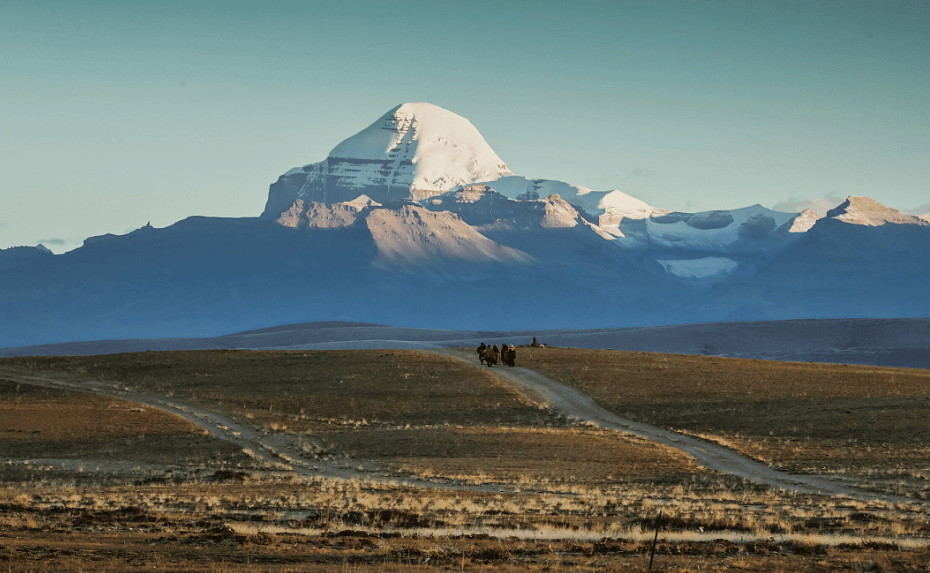
The scenery of Mount Kailash
The distinction matters for both logistics and access. A visitor who has permission to travel in the broader Ngari region, or who has booked an outer-kora tour, should not infer that the inner route is included. The inner kora may involve additional local restrictions, arrangements, and decisions beyond the documents used for a standard organized trip. It may also be closed or inaccessible to visitors at certain times.
The route is not a casual sightseeing walk. High elevation, remote terrain, limited services, weather exposure, and the possibility of rapid changes in conditions all make it a serious undertaking. Even when a route is open, travelers need to consider fitness, acclimatization, guide support, and emergency contingencies. Religious sites should be approached respectfully, and visitors should follow instructions from local authorities, guides, and communities.
For these reasons, a reliable Mount Kailash inner kora permit guide for foreigners starts with a basic principle: establish whether access is actually being authorized before planning the route itself. Do not treat old trip reports, social media posts, or a tour description that uses the words “Kailash kora” as proof that the inner circuit is available.
Can foreigners do the inner kora?
There is no safe, universal answer that applies to every traveler and every departure. Foreign visitors to Tibet generally need to travel through an authorized arrangement, and access to particular locations or routes may be subject to additional restrictions. The inner kora is especially sensitive because it is not simply a public hiking trail with an independently obtainable ticket.
Whether foreign travelers can go may depend on current local authorization and the operator’s ability to arrange the necessary permissions. Availability can differ from what a traveler has read about in an earlier year or heard from another group. An operator may be able to confirm that a route is currently considered, but final access can still depend on the relevant authorities and conditions at the time of travel.
The practical answer is to ask for a clear, written response to three separate questions:
- Are foreign passport holders permitted to enter the inner-kora area for the proposed dates?
- What exact authorization or local approval is required in addition to the normal Tibet travel documents?
- What happens to the itinerary if that approval is not granted or the route closes?
A vague reply such as “we will handle everything” is not enough for a high-stakes, remote trip. Ask the operator to distinguish between the Tibet Travel Permit, other travel documents, and any route-specific or local approval. The names of documents and procedures can vary, so avoid relying on a label alone. What matters is whether the operator has confirmed the intended access with the relevant local authorities and can explain the fallback plan.
This guide does not promise that a foreign traveler can obtain permission. It offers a way to check eligibility and make informed decisions without mistaking a general Tibet permit for access to every restricted area.
Permits and documents: what to clarify
Foreign travelers should not plan an independent Tibet itinerary on the assumption that they can apply for all documents directly or travel freely between regions. Entry and travel arrangements are generally handled through an authorized Tibet travel agency, which organizes the itinerary and the documents applicable to the trip. For a Mount Kailash journey, arrangements commonly include a Tibet Travel Permit and may involve additional permits or approvals depending on the route and current rules.
The Mount Kailash inner kora permit guide for foreigners is best understood as a verification checklist, not a promise of a single special permit that anyone can obtain. Ask the agency to identify each requirement for your own route and passport. In particular, confirm:
- Which travel document covers entry into Tibet and the planned itinerary.
- Whether Ngari or any other restricted area requires additional approval.
- Whether the inner-kora access itself needs separate local authorization.
- Who submits each application and when the documents are expected.
- Whether you must carry original documents, copies, or both.
- How the operator handles a refusal, delay, or last-minute closure.
Do not confuse a visa for China with permission to travel in Tibet. Travelers may need an appropriate Chinese visa or other entry documentation, depending on nationality, route, and current policy; this is a separate matter from Tibet travel authorization. Visa rules can change, and visa-free arrangements may apply to some passport holders or travel circumstances but not others. Check the current requirements with official channels and your agency before booking flights or crossing borders.
Be cautious about anyone offering to arrange the inner kora through an unofficial shortcut, suggesting that permits can be bypassed, or advising you to conceal your plans. Such promises can put your trip, safety, and legal position at risk. A responsible operator should be willing to explain what is confirmed, what remains subject to approval, and which parts of the itinerary may change.
How to verify access before booking
Start with a Tibet-licensed or otherwise properly authorized operator experienced in western Tibet. Ask whether they have arranged the route for foreign travelers under the current conditions and whether they can confirm the status for your intended dates. Experience is useful, but a previous successful departure does not guarantee present access. Ask for current, trip-specific information rather than relying only on a past itinerary or a general website statement.
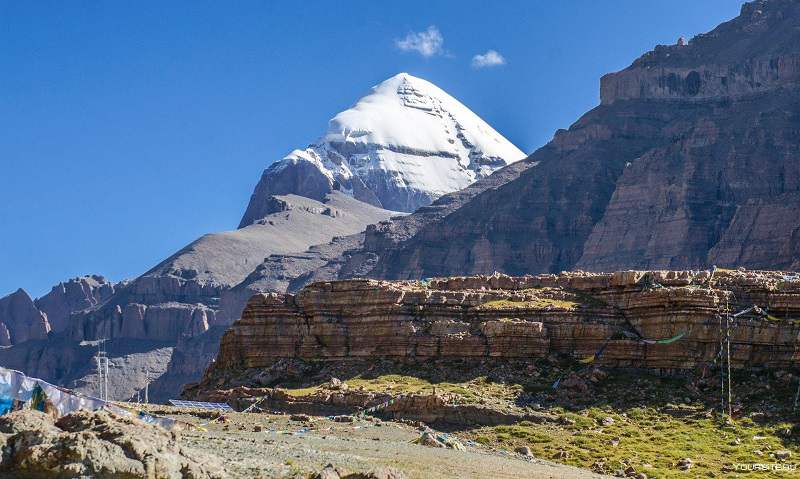
Mount Kailash
When comparing companies, request an itemized itinerary and written terms. The itinerary should name the inner kora explicitly if that is the service being discussed. If the description only says “Mount Kailash pilgrimage”, “Kailash trekking”, or “Kailash tour”, ask whether it refers to the outer circuit, a visit to nearby sites, or the inner route. These phrases are not interchangeable.
Also ask how the company communicates changes. If local approval is pending, the contract or booking terms should explain whether you can change the itinerary, accept an alternative, or receive a refund of any relevant portion. Refund terms may not cover every cost, such as international flights or independently booked hotels, so read the policy carefully before paying a deposit.
A careful booking process should include the following steps:
- Share your nationality, passport details as requested through a secure channel, preferred dates, and full route.
- Ask the operator to check current eligibility for foreign travelers on the inner kora.
- Request written confirmation of what is approved, what is pending, and what is not guaranteed.
- Read cancellation and route-change terms before making non-refundable bookings.
- Reconfirm access and travel documents before departure.
Avoid sending passport information through an unsecured public channel. Use the company’s verified contact details and ask how personal data is stored and used. Keep copies of travel documents separately from originals, and follow the operator’s instructions about when and where to carry them.
Planning the journey and the outer-kora alternative
Most travelers who visit Mount Kailash also need to plan a longer overland journey through western Tibet. Routes commonly connect Lhasa with Shigatse and onward toward the Ngari region, though the exact itinerary, driving times, and permitted stops depend on the operator and current conditions. The journey can involve several days on the road and substantial elevation changes. Build in time to acclimatize rather than treating the drive as a simple transfer.
The outer kora is a separate option and should be considered as a possible alternative if the inner route is not authorized. It is still physically demanding and high-altitude, and it is not automatically suitable for everyone. A typical outer circuit includes a crossing of Dolma La Pass, at a high elevation, and requires a serious assessment of health, fitness, weather, and support. It should not be presented as an easy substitute or as a guaranteed activity.
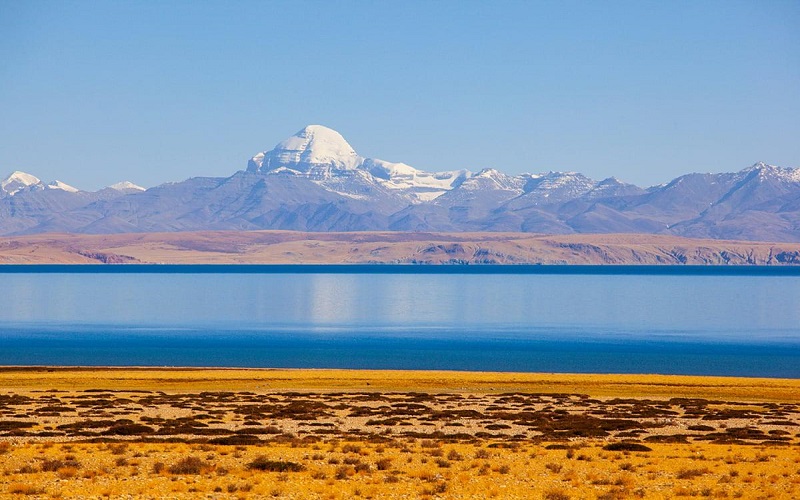
Mount Kailash
Ask the operator to describe the daily stages, approximate walking hours, elevation gain and loss, accommodation, porter or yak arrangements where applicable, and emergency procedures. Confirm whether the itinerary includes time to rest before the trek and whether the group has access to a guide familiar with the route. If you have a medical condition, discuss the trip with a clinician who understands high-altitude travel before committing.
If the inner kora is unavailable, alternatives may include the outer circuit, viewpoints and pilgrimage sites permitted on the approved itinerary, or additional time in other parts of Tibet. Make sure any alternative is actually permitted for foreign visitors and is written into the revised plan. Do not assume that being physically present near the mountain gives you the right to enter a restricted area.
Health, altitude, and safety
Mount Kailash and the surrounding region are at high elevation, and the approach itself can be strenuous. Travelers may experience altitude-related symptoms even if they are fit at sea level. Headache, nausea, unusual fatigue, dizziness, and disturbed sleep can occur; severe or worsening symptoms require prompt attention and may mean descending. An itinerary should allow for acclimatization, and travelers should not push on simply to keep to a schedule.
Discuss altitude risks with a qualified medical professional before travel, particularly if you have heart or lung disease, a history of altitude illness, or other significant health concerns. Ask about appropriate prevention and response, but do not self-prescribe medication based on general online advice. Travel insurance should be checked carefully: confirm that it covers high-altitude trekking, evacuation, and medical care in the relevant region, since exclusions vary by policy.
The route may be remote, with limited communications and medical facilities. Carry suitable layers, sun protection, sturdy footwear, water, and essential personal medication. Your operator should explain what equipment is needed for the specific season and route; avoid assuming that conditions are mild because the trip is scheduled in a warmer month. Wind, cold, rain, snow, and sudden weather changes are possible in mountain environments.
Respect local instructions at all times. Stay with the guide and group, do not enter closed areas, and do not photograph people or religious places where photography is prohibited or unwelcome. Follow local expectations at monasteries and sacred sites, including any guidance about dress, behavior, and offerings. A respectful visitor does not treat a sensitive pilgrimage route as a challenge to conquer or an opportunity to evade controls.
Choosing an operator, including Tibet Yulong Travel
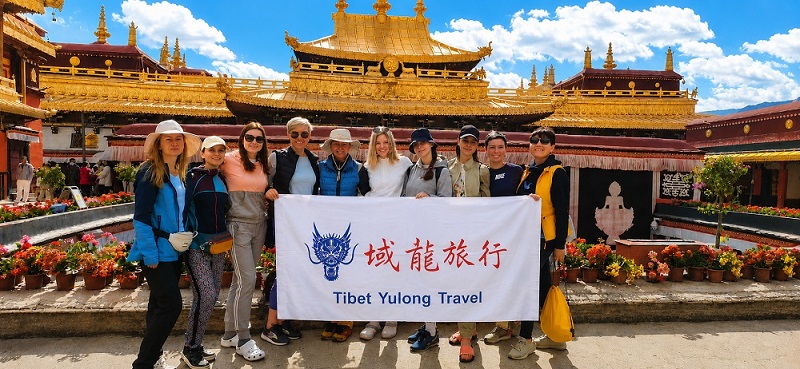
A local operator can help coordinate the Tibet itinerary, documents, transport, accommodation, guides, and communications with relevant authorities. If you are considering Tibet Yulong Travel, or any other agency, evaluate the company using the same practical standards: ask whether it is properly authorized to arrange travel in Tibet, whether it has experience in Ngari, and whether it can explain the current status of the inner kora for foreign passport holders.
Do not rely on a company name, search result, or promotional wording alone. Ask for a detailed written proposal, the full legal and payment terms, a named contact person, and a clear explanation of what is included. Confirm how the agency handles permit applications, what happens if approval is declined, and whether the quoted price includes local transport, accommodation, guide services, meals, and any required support during trekking. Compare like with like; a low headline price may exclude essential services or leave unclear who is responsible for changes.
An operator should not guarantee an approval that it cannot control. A credible response distinguishes between the services it provides and decisions made by authorities. It should also be willing to say that the inner kora is not available if that is the current situation, rather than selling an itinerary based on uncertain access.
When contacting an agency, send a concise inquiry that includes your passport nationality, planned travel window, group size, and whether you are interested in the inner kora specifically or would accept the outer route. Ask for the latest written guidance and the deadline by which access can be confirmed. This makes it easier to compare responses and prevents confusion between different routes.
Common mistakes to avoid
The first mistake is assuming that “Kailash kora” always means the inner kora. It often refers to the outer pilgrimage circuit or to a general trip around the mountain region. Use precise wording in emails and contracts, and ask the company to name the route.
The second is treating a Tibet Travel Permit as a universal pass. A document that supports travel on an approved itinerary does not necessarily authorize entry to every restricted site. Ask about the exact route and any additional local decision.
The third is booking non-refundable international travel before the operator has clarified access and cancellation conditions. Even when a company expects approval, unresolved permissions and local changes should be factored into your risk assessment.
The fourth is trusting old information. A blog, video, or forum post may describe a different policy period, a different traveler category, or a route that was only available under specific circumstances. Use past accounts as background, not proof of current eligibility.
Finally, do not attempt to enter a restricted area independently or through an unofficial guide. Besides the legal and practical risks, this can create problems for local staff and communities. If permission is not granted, choose a permitted alternative or postpone the plan.
Frequently asked questions
Is there one standard inner-kora permit for all foreign travelers?
Travelers should not assume that there is a single, universally available document that guarantees access. The required documents and approvals depend on the itinerary and current local rules. Have an authorized operator confirm the exact requirements for your passport and dates.
Does an ordinary Mount Kailash tour include the inner kora?
Not necessarily. Many tours focus on the outer kora or nearby pilgrimage sites. The inner route should be explicitly named in the itinerary, and access should be confirmed separately where required.
Can I apply for the documents by myself?
Foreign visitors generally need an authorized Tibet travel arrangement, and agencies commonly coordinate the relevant travel documents. Ask the operator which applications it handles and whether any document or information must be supplied by you. Do not use unofficial channels to bypass the process.
What should I do if approval is not confirmed?
Do not make plans that depend on an unconfirmed route. Review the contract’s cancellation and change terms, discuss an authorized alternative such as the outer kora if appropriate, and consider postponing if the inner route is essential to your trip.
How far in advance should I start planning?
Start early enough for the agency to assess your itinerary, explain document requirements, and clarify cancellation terms before you commit to costly travel. The appropriate lead time depends on your dates, nationality, route, and current processing arrangements, so ask the operator for a realistic schedule rather than relying on a fixed number of days.
Is the outer kora an easy backup?
No. It is a demanding high-altitude pilgrimage route and may be unsuitable for travelers with certain health conditions or insufficient acclimatization. Treat it as a separate trek that requires preparation, not a simple substitute for the inner route.