Winter transforms the Tibetan Plateau into a serene wonderland of snow-capped peaks, crystal-clear skies, and deeply spiritual atmospheres. For travelers seeking an authentic experience without breaking the bank, finding a Free Tibet Attraction is the key to unlocking this magical season. Unlike the crowded summer months, winter offers peaceful exploration, vibrant local festivals, and significantly lower travel costs. Whether you are wandering through ancient streets or standing before majestic glaciers, the plateau delivers unforgettable moments year-round.
Before diving into the details, here are the key takeaways for planning your cold-weather journey:
- Many sacred sites and natural landscapes offer free entry during the winter off-season.
- The “Winter Tour” promotional policies frequently waive entrance fees for major scenic spots.
- Exploring local neighborhoods and traditional markets remains entirely free all year round.
- Proper preparation for high altitude and freezing temperatures is essential for safety.
- Partnering with experienced agencies like Tibet Yulong Travel ensures smooth logistics and access to hidden gems.
Understanding the Concept of a Free Tibet Attraction in Winter
When travelers search for a Free Tibet Attraction, they are usually looking for places that do not require expensive entrance tickets, especially during the colder months. The regional tourism authorities have actively promoted winter tourism by implementing policies that reduce or completely waive admission fees for many top-tier scenic areas. This initiative aims to balance the tourist flow throughout the year, allowing visitors to enjoy world-class landscapes without the heavy financial burden typically associated with peak season travel.
Beyond official policy-driven free entries, many cultural and natural experiences on the plateau inherently cost nothing. Walking around the Barkhor Street circuit in Lhasa, observing monks debating at specific open courtyards, or simply soaking in the panoramic views from mountain passes are all examples of experiences that enrich your journey without requiring a ticket. The concept of a Free Tibet Attraction extends beyond just zero-admission sites; it encompasses the entire atmosphere of uncommercialized, raw cultural immersion that winter naturally provides.
During the winter months, the air is thinner but incredibly clear, offering unparalleled visibility of the Himalayan range. The reduced number of tourists means that even places with nominal fees feel exclusive and private. However, truly free locations become the highlight of any well-planned itinerary, allowing budget-conscious explorers to extend their stay and delve deeper into the local way of life.
Top Free Tibet Attraction Options for Your Winter Itinerary
Barkhor Street and the Spiritual Heart of Lhasa
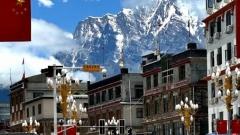
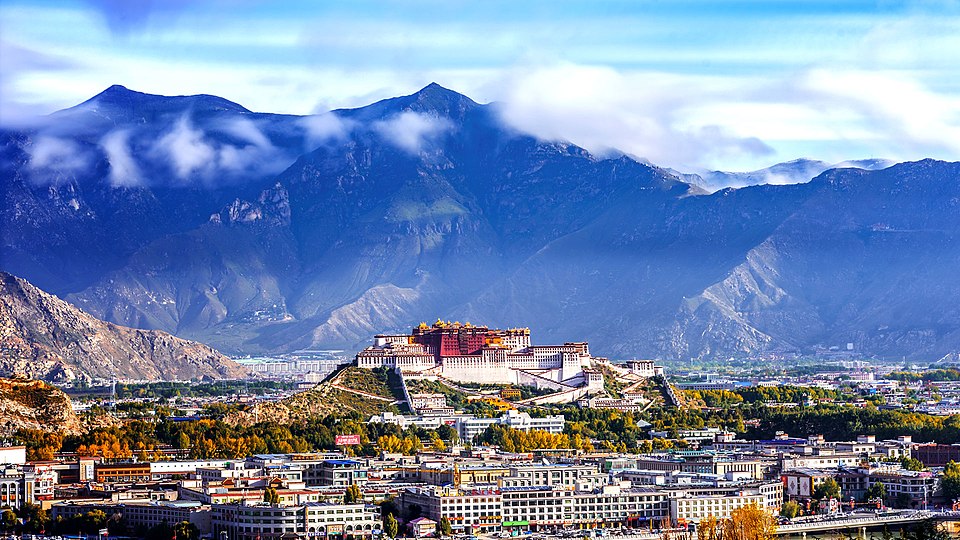
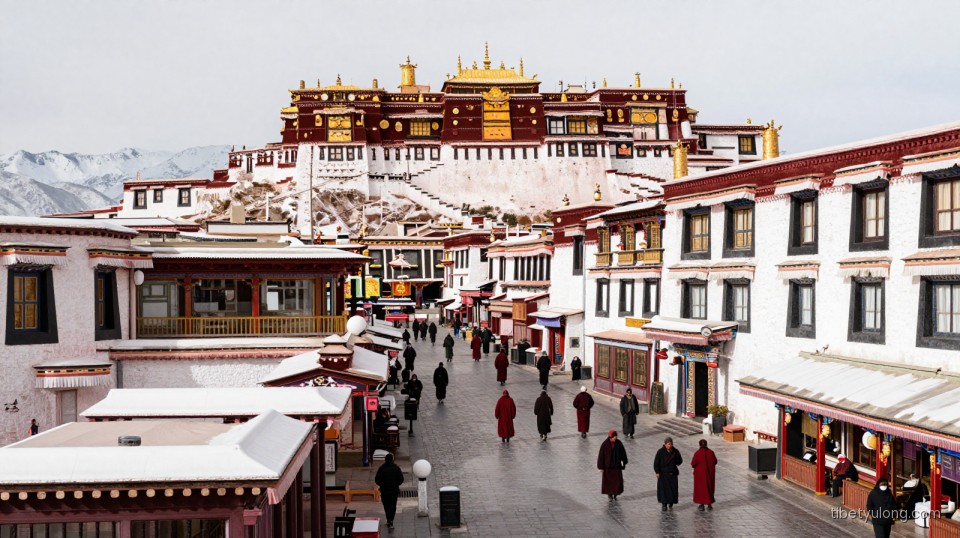
Lhasa is the undeniable starting point for any plateau adventure, and its most famous Free Tibet Attraction is the Barkhor Street area. While entering the interior of the Jokhang Temple requires a ticket, the circumambulation route surrounding it—the Barkhor—is completely free and open to everyone. In winter, this ancient street is filled with devout pilgrims spinning prayer wheels and chanting mantras, creating a profoundly moving atmosphere.
Wandering through the narrow alleys branching off the main circuit reveals traditional Tibetan architecture, small artisan shops, and sweet tea houses where locals gather to escape the cold. Sitting in these teahouses costs only a few coins for a pot of sweet tea, making it one of the most affordable ways to experience daily life. The sunlight in Lhasa during winter is famously warm and abundant, earning it the nickname “Sunlight City.” Basking in the sun while watching the world go by around the Barkhor is an essential, cost-free experience.
Natural Landscapes and Scenic Mountain Passes
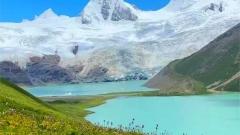
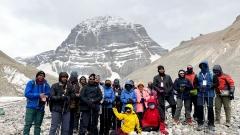
The journey between cities on the plateau involves crossing numerous high-altitude mountain passes, many of which serve as spectacular viewpoints. These passes, often marked by colorful prayer flags fluttering in the icy wind, are prime examples of a Free Tibet Attraction in nature. Stops along the way to view Mount Everest, the Nyainqentanglha range, or various unnamed glacial peaks do not require tickets if viewed from public roads and designated rest stops outside the core scenic zones.
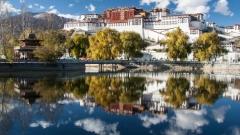
Additionally, certain lakes and river valleys remain accessible without formal entrance gates, particularly in remote areas where infrastructure is minimal. The winter landscape turns these bodies of water into partially frozen mirrors reflecting the deep blue sky. While major lakes like Yamdrok or Namtso may have seasonal fee adjustments depending on current tourism policies, the surrounding pastoral lands and distant viewpoints offer stunning, complimentary vistas for photographers and nature lovers alike.
Local Monasteries Outside the Main Tourist Circuit
While mega-monasteries like Sera, Drepung, and Tashilhunpo charge admission, hundreds of smaller, neighborhood monasteries scattered across towns and villages welcome visitors freely. These intimate spiritual centers provide a much quieter environment to observe morning prayers, butter sculpture making, and daily monastic routines. Finding a Free Tibet Attraction among these lesser-known temples requires stepping away from standard guidebooks and asking locals or your driver for recommendations.
In winter, these smaller institutions are deeply active as monks prepare for upcoming lunar new year festivals. The scent of juniper incense fills the cold air, and the sound of horns echoing off stone walls creates an immersive sensory experience. Respecting local customs—such as walking clockwise, removing hats indoors, and asking permission before photographing people—ensures you remain a welcome guest in these sacred spaces.
How Tourism Policies Create More Free Tibet Attraction Opportunities
To stimulate winter travel, local governments periodically introduce the “Winter Tour” campaign, which historically includes waiving entrance fees for numerous A-level scenic spots across the region. Under such promotions, destinations that normally charge significant fees during summer become accessible at no cost or heavily discounted rates. Keeping track of these announcements is crucial for budget travelers aiming to maximize their itinerary.
Agencies specializing in regional logistics, such as Tibet Yulong Travel, play a vital role in helping tourists navigate these seasonal changes. They monitor policy updates closely and adjust itineraries to include newly available free sites, ensuring clients get the best value. By leveraging local expertise, travelers can seamlessly integrate both permanently free locations and temporarily waived attractions into a cohesive winter adventure.
It is important to note that while entrance fees might be waived under special campaigns, transportation, accommodation, and guide services still incur costs. Therefore, combining naturally free experiences with policy-driven discounts creates the most balanced and economical approach to exploring the plateau during the colder months.
Practical Tips for Visiting a Free Tibet Attraction in Winter
Exploring the plateau in winter demands respect for the extreme environment. Temperatures frequently drop well below freezing, especially at night and in higher elevations. Layered clothing, thermal base layers, windproof outer shells, insulated boots, and UV-protection sunglasses are non-negotiable essentials. Even when visiting a Free Tibet Attraction outdoors, prolonged exposure without proper gear can lead to frostbite or hypothermia.
Altitude sickness remains a concern regardless of the season, though the dry winter air can sometimes exacerbate respiratory discomfort. Acclimatization is critical; spend your first few days in Lhasa resting, hydrating extensively, and avoiding strenuous physical exertion. Many free activities, such as leisurely walks through old town districts or sitting in sunlit courtyards, perfectly align with the need for a slow pace upon arrival.
Transportation logistics shift in winter due to potential snowfall blocking certain mountain passes. Hiring experienced local drivers who understand road conditions is safer than attempting self-driving. Professional operators like Tibet Yulong Travel provide reliable vehicles equipped for icy terrain, ensuring that your journey to remote, free natural sites remains safe and comfortable.
Finally, always carry sufficient cash in smaller denominations. While digital payments are widespread in urban centers like Lhasa and Shigatse, remote villages and small monasteries often rely solely on physical currency. Having cash on hand allows you to make small donations at religious sites or purchase hot drinks from roadside vendors, enhancing your interaction with the local community.
Embracing the Authentic Culture Beyond Ticketed Sites
The true essence of the plateau cannot be contained behind a turnstile. Some of the most memorable moments come from spontaneous interactions: sharing a meal with a nomadic family, watching artisans craft silver jewelry in a quiet workshop, or listening to folk songs echoing through a valley. These cultural exchanges represent the ultimate Free Tibet Attraction—experiences rich in human connection and devoid of commercial transaction.
Winter is also the season for several important traditional festivals. Events leading up to the Tibetan New Year (Losar) involve community-wide preparations, ritual dances, and public gatherings that anyone can observe respectfully. Participating in the festive atmosphere does not require a ticket, only an open mind and a respectful demeanor. Engaging with these traditions provides profound insight into the resilience and spirituality of the people who call this harsh yet beautiful landscape home.
Photography enthusiasts will find winter light particularly rewarding. The low angle of the sun casts long shadows across golden rooftops and illuminates snow-dusted mountains with a warm, ethereal glow. Capturing these scenes from public vantage points or open streets yields professional-quality images without needing paid access to elevated viewing platforms. The combination of pristine air and dramatic lighting makes every corner a potential masterpiece waiting to be framed.
By focusing on accessible streets, neighborhood temples, scenic drives, and cultural immersion, travelers can construct a deeply fulfilling itinerary. Utilizing resources and guidance from established experts like Tibet Yulong Travel further streamlines the process, turning logistical challenges into seamless transitions between breathtaking sights. Ultimately, discovering a Free Tibet Attraction during the winter months proves that the most valuable travel experiences are often those that connect us directly with nature and humanity, rather than those measured by the price of admission.