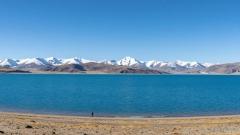
Nestled at an elevation of 4,590 meters on the Tibetan Plateau, Lake Manasarovar is widely regarded as one of the most sacred bodies of water on Earth. Flanked by the towering peaks of Mount Kailash to the north and Gurla Mandhata to the south, this pristine lake draws pilgrims from four major religions—Hinduism, Buddhism, Jainism, and Bon—as well as adventurous travelers seeking unparalleled natural beauty. The waters are said to possess healing properties, and a circumambulation of its shores is considered a profound spiritual achievement. Beyond its religious importance, the lake offers a stark, breathtaking landscape where the sky seems close enough to touch. Planning a visit requires careful preparation due to the extreme altitude and remote location. This guide covers everything you need to know about experiencing Lake Manasarovar, from cultural history to practical logistics.
Key Highlights:
- Highest freshwater lake on the Tibetan Plateau.
- Sacred pilgrimage site for four major religions.
- Stunning views of Mount Kailash and surrounding peaks.
- Requires careful acclimatization due to extreme altitude.
- Accessible via overland routes from Lhasa or Nepal.
The Spiritual Significance of Lake Manasarovar
To understand why thousands of people endure grueling journeys across the Tibetan Plateau, one must first grasp the deep spiritual resonance of Lake Manasarovar. In Hindu tradition, the lake is believed to have been created in the mind of Lord Brahma before manifesting on Earth. Its Sanskrit name, “Manasa Sarovara,” translates directly to “Lake of the Mind.” Devotees believe that bathing in its frigid waters washes away the sins of a hundred lifetimes, and drinking it ensures passage to the abode of Lord Shiva after death. The ashes of Mahatma Gandhi were even partially immersed here to honor his spiritual legacy.
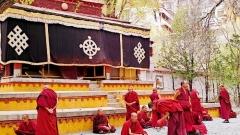
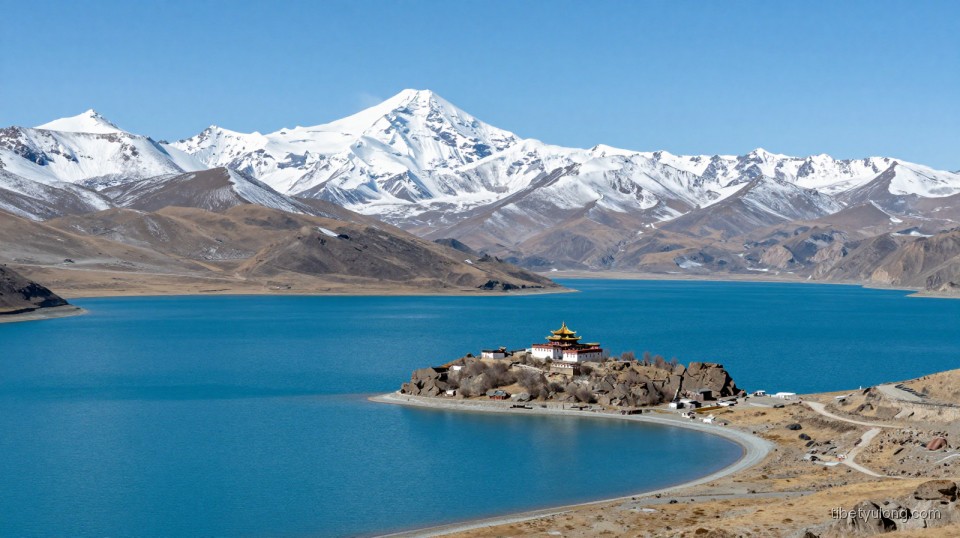
For Tibetan Buddhists, the lake is intimately connected to the legend of Queen Maya, who is said to have bathed in these waters before giving birth to Siddhartha Gautama, the Buddha. Monasteries dot the shoreline, with Chiu Monastery being the most famous, perched dramatically on a rocky hill overlooking the turquoise expanse. Followers of the ancient Bon religion, which predates Buddhism in Tibet, also revere the lake as a center of cosmic energy, while Jains associate the nearby Mount Kailash with the liberation of their first Tirthankara. This convergence of faiths makes the area around Lake Manasarovar one of the most spiritually dense locations in the world.
Geography and Natural Beauty of Lake Manasarovar
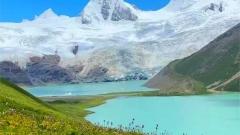
Geographically, Lake Manasarovar is a marvel. It is a nearly circular freshwater lake covering approximately 320 square kilometers, reaching depths of up to 90 meters. Unlike many high-altitude lakes on the Tibetan Plateau that are saline, Manasarovar remains fresh, fed by glacial meltwater from the surrounding Himalayas. Just a few kilometers to the west lies its smaller, crescent-shaped twin, Lake Rakshastal, which is saline and traditionally associated with dark forces, creating a striking yin-and-yang duality in the landscape.
The visual impact of the lake changes constantly throughout the day. At dawn, the water reflects the soft pinks and golds of the rising sun, while midday reveals a piercing, almost unnatural shade of sapphire blue. The backdrop of snow-capped peaks, particularly the symmetrical pyramid of Mount Kailash, creates a panorama that feels entirely otherworldly. Despite the harsh climate, the ecosystem supports various species of migratory birds, including bar-headed geese and brown-headed gulls, which can be seen skimming the surface during warmer months. The barren, windswept plains surrounding the lake add to its raw, untouched aesthetic.
How to Get to Lake Manasarovar
Reaching Lake Manasarovar is an adventure in itself, demanding time, patience, and physical endurance. There are no airports directly serving the lake; the nearest airstrips are in Ali (Shiquanhe) or Burang (Pulan), but flights are limited and often subject to weather delays. The most common way to arrive is by road.
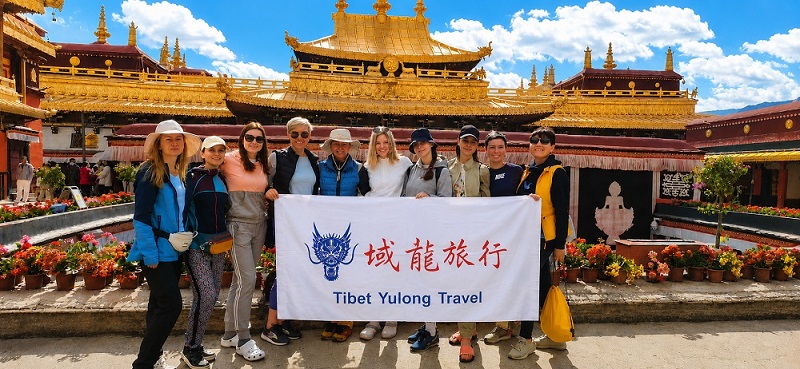
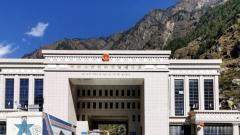
Travelers typically start their journey in Lhasa, the capital of the Tibet Autonomous Region. From Lhasa, the overland route spans roughly 1,200 kilometers and takes several days, passing through dramatic landscapes like the Yamdrok Lake, the Karola Glacier, and the city of Shigatse. The drive continues westward through Saga and Paryang before finally arriving at the lake. Another popular entry point is from Kathmandu, Nepal, crossing the border at Gyirong Port and driving north into Tibet. Both routes involve navigating rough terrain, high mountain passes exceeding 5,000 meters, and unpredictable weather conditions. Because independent travel in Tibet is heavily restricted for foreign nationals, visitors must book their trip through a registered travel agency. Companies like Tibet Yulong Travel specialize in organizing these complex logistical arrangements, providing experienced drivers, necessary permits, and reliable vehicles suited for the rugged terrain.
Best Time to Visit Lake Manasarovar
Timing your visit is crucial for both safety and enjoyment. The optimal window to explore Lake Manasarovar falls between May and early October. During these months, daytime temperatures are relatively mild, ranging from 10°C to 15°C, though nights still drop below freezing. The roads are generally passable, and the skies are clear, offering unobstructed views of Mount Kailash.
July and August represent the warmest period, but they also coincide with the monsoon season, which can bring sudden rain showers and cloud cover that obscures the mountains. September and October are often favored by photographers and trekkers because the air is crisp, the rainfall decreases, and the autumn light casts a golden hue over the plateau. Winter, from November through April, is brutally cold, with temperatures plunging to -20°C or lower. Heavy snowfall frequently blocks mountain passes, making overland travel dangerous or impossible. If your goal is to participate in the traditional kora (circumambulation) around Mount Kailash and visit the lake simultaneously, late spring or early autumn provides the best balance of manageable weather and accessible trails.
Altitude Sickness and Health Precautions
Sitting at an elevation of 4,590 meters, Lake Manasarovar presents a significant risk of Acute Mountain Sickness (AMS). The oxygen level here is roughly half of what it is at sea level, meaning every physical exertion feels magnified. Proper acclimatization is not optional; it is a strict requirement for survival and comfort.
Before heading to the lake, travelers should spend at least two to three days in Lhasa (3,650 meters) to allow their bodies to adjust. Ascending gradually along the western route helps further. Symptoms of AMS include severe headaches, nausea, dizziness, shortness of breath, and insomnia. If symptoms worsen, immediate descent to a lower altitude is the only effective treatment. Preventative measures include staying deeply hydrated, avoiding alcohol and heavy meals upon arrival, and moving slowly. Many travelers consult their doctors about taking acetazolamide (Diamox) prior to the trip to aid acclimatization. Carrying supplemental oxygen cylinders in the vehicle is standard practice when traveling with reputable operators like Tibet Yulong Travel, whose guides are trained to monitor guests for signs of altitude distress and respond quickly to emergencies.
Accommodation and Facilities Near Lake Manasarovar
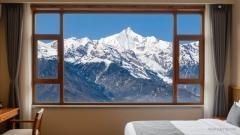
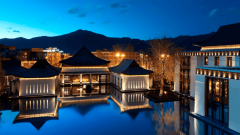
Do not expect luxury resorts or modern conveniences at Lake Manasarovar. The infrastructure here is basic, designed to accommodate pilgrims and adventurers rather than luxury tourists. Most visitors stay in simple guesthouses located in the small settlement of Hor Qu, situated on the northern shore of the lake, or near Darchen, the base camp town for Mount Kailash about 40 kilometers away.
Rooms are typically sparse, offering thick mattresses and heavy blankets to combat the nighttime cold. Heating is usually provided by yak dung stoves rather than electric heaters. Plumbing is rudimentary; hot water for showers is scarce, and toilets are often squat-style pit latrines located outside the main building. Electricity can be intermittent, sometimes relying on solar panels or generators that shut off late at night. Food options are limited to local Tibetan fare such as tsampa (roasted barley flour), yak butter tea, noodle soups, and simple rice dishes. Some guesthouses offer basic Chinese meals. It is highly recommended to bring your own snacks, water purification tablets, and a sleeping bag liner for added warmth and hygiene.
Essential Packing List for Your Journey
Packing for a trip to Lake Manasarovar requires balancing the need for warmth with the necessity of traveling light. Layering is the key strategy. Start with moisture-wicking thermal base layers, add insulating fleece or down mid-layers, and top it off with a windproof and waterproof outer shell. Even in summer, a heavy down jacket is essential for the evenings.
Protect yourself from the intense high-altitude UV radiation by bringing polarized sunglasses, a wide-brimmed hat, and high-SPF sunscreen. Lip balm and heavy moisturizer are vital, as the dry plateau air cracks skin rapidly. Sturdy, broken-in hiking boots are necessary for walking along the rocky shores or exploring nearby monasteries. Bring a comprehensive personal first-aid kit including pain relievers, anti-diarrheal medication, blister pads, and any prescribed altitude sickness pills. Power banks are indispensable since charging outlets may be unavailable or occupied. Finally, carry wet wipes and hand sanitizer, as running water for washing is a luxury rarely found at these camps.
Cultural Etiquette and Responsible Travel
When visiting Lake Manasarovar, remember that you are stepping into a profoundly sacred space. Respecting local customs and religious practices is paramount. Always walk clockwise around the lake, monasteries, stupas, and mani stones, following the Buddhist and Hindu traditions of circumambulation. Walking counter-clockwise is associated with the Bon religion, so unless you are specifically participating in Bon rituals, stick to the clockwise direction to avoid causing offense.
Do not swim in the lake. While pilgrims may ritually bathe or wade into the shallows, recreational swimming is considered deeply disrespectful. Avoid pointing your feet toward altars, monks, or the water, as feet are considered unclean in Tibetan culture. When photographing locals or religious ceremonies, always ask for permission first. Leave no trace of your visit. The fragile alpine ecosystem cannot process modern waste effectively. Carry out all your trash, including biodegradable items, as decomposition takes significantly longer at high altitudes. By working with mindful tour operators such as Tibet Yulong Travel, visitors can ensure their journey supports local communities and preserves the sanctity of this extraordinary landscape for future generations.