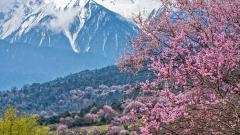
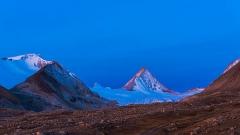
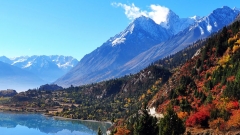
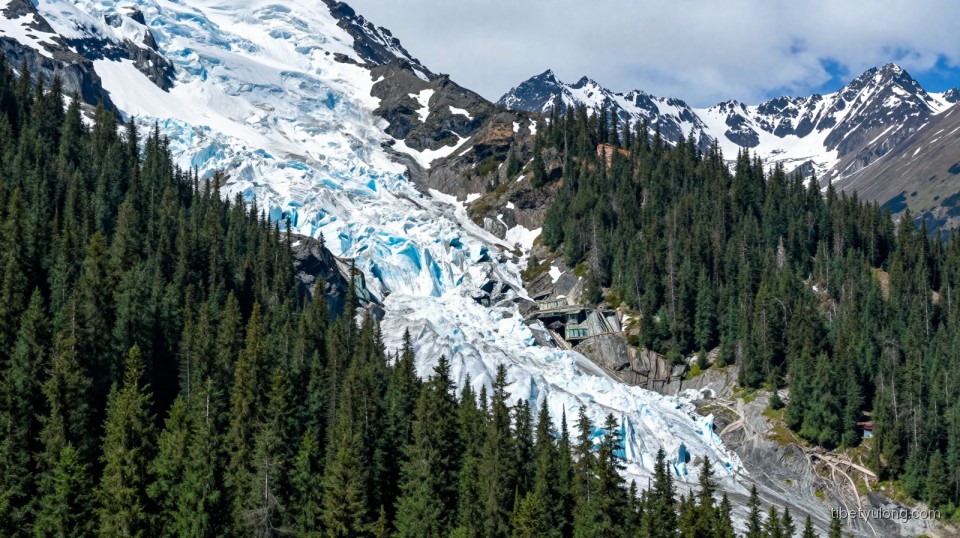
Nestled deep within the mountains of Bomi County in Nyingchi Prefecture, the Midui Glacier stands as one of the most accessible and visually stunning glaciers in China. Unlike many high-altitude ice formations that require extreme mountaineering skills to reach, this natural wonder invites ordinary travelers to witness its majesty up close. Flowing down from towering peaks into dense, emerald forests, it creates a landscape where ice and vegetation coexist in perfect harmony. The journey here offers more than just scenic views; it provides a rare glimpse into the geological forces shaping the Tibetan Plateau. Whether you are a photography enthusiast, a nature lover, or simply seeking tranquility away from crowded tourist spots, visiting this icy marvel is an experience that will leave a lasting impression on your soul.
Key Takeaways:
- Located in Bomi County, Tibet.
- One of China’s lowest-altitude oceanic glaciers.
- Features a unique mix of ice and forest ecosystems.
- Accessible via well-maintained hiking trails.
- Best visited during spring and autumn seasons.
Understanding the Geography of Midui Glacier
To truly appreciate the scale and beauty of the Midui Glacier, it helps to understand its geographical context. Situated in the Yupu Township of Bomi County, this glacier belongs to the maritime glacier category. Maritime glaciers are heavily influenced by the Indian Ocean monsoon, which brings abundant moisture to the region. This constant supply of snowfall allows the glacier to maintain its mass despite relatively warmer temperatures compared to continental glaciers found further north on the plateau.
The glacier originates from the main peak of the Gangrigabu Range, cascading downward like a frozen river. What makes the Midui Glacier particularly fascinating for geographers and tourists alike is its dramatic elevation drop. The accumulation zone sits at over 6,000 meters above sea level, while the glacier tongue extends down to approximately 2,400 meters. This massive vertical descent means that within a single view, you can observe distinct ecological zones transitioning from barren alpine rock and perpetual ice to lush temperate forests filled with pine, spruce, and rhododendron trees.
This convergence of ice and forest is incredibly rare globally. Walking along the valley floor, visitors often find themselves standing beneath ancient trees while gazing upward at walls of blue-white ice just a few hundred meters away. The meltwater from the glacier feeds into the local river systems, eventually contributing to the Yarlung Tsangpo River basin, playing a crucial role in the regional hydrology and supporting diverse wildlife habitats throughout Nyingchi Prefecture.
Why Midui Glacier Is a Must-Visit Destination
Travelers choose to visit the Midui Glacier for reasons that go far beyond simple sightseeing. It represents one of the few places on Earth where the raw power of glacial movement intersects seamlessly with vibrant biological life. For photographers, the contrast between the stark white ice, the dark green coniferous forests, and the vivid blue sky creates compositions that look almost digitally enhanced, yet they are entirely natural.
Another compelling reason is accessibility. Many world-class glaciers require days of trekking, specialized equipment, and acclimatization to extreme altitudes exceeding 5,000 meters. Here, the viewing platforms and hiking trails are situated at elevations comfortable enough for most reasonably fit individuals. While altitude sickness is always a consideration in Tibet, the lower elevation of the glacier tongue makes it significantly easier to explore than destinations like Rongbuk near Mount Everest.
Furthermore, the surrounding area remains remarkably pristine. Bomi County is often referred to as the “Switzerland of Tibet” due to its rolling hills, dense woodlands, and snow-capped peaks. Visiting the glacier serves as the centerpiece of a broader exploration of this region. You are not just looking at a block of ice; you are immersing yourself in an entire ecosystem that has remained largely undisturbed by modern industrial development. The silence here is profound, broken only by the occasional crack of shifting ice or the rush of glacial streams cutting through the valley floor.
Planning Your Journey to Midui Glacier
Reaching this remote destination requires careful planning, as public transportation infrastructure in rural Tibet can be limited. Most travelers begin their journey in Nyingchi City, which has an airport connecting it to major Chinese hubs like Chengdu and Lhasa. From Nyingchi, the drive to Bomi County takes several hours along the famous National Highway 318, widely considered one of the most scenic roads in the world.
Once in Bomi County, the entrance to the glacier valley is located roughly 80 kilometers away in Yupu Township. The road leading to the scenic area winds through spectacular mountain passes and alongside rushing rivers. Upon arriving at the designated parking area, visitors must transition to walking. A wooden boardwalk and dirt trail system leads hikers through the forest toward the glacier viewing points. The hike typically takes about one to two hours each way, depending on your pace and how often you stop to admire the scenery.
Because the logistics of navigating rural Tibet can be daunting for independent travelers, many opt to arrange their trips through experienced local operators. Companies specializing in regional tourism, such as Tibet Yulong Travel, provide invaluable assistance in organizing transportation, securing necessary permits, and arranging knowledgeable guides. Utilizing services from Tibet Yulong Travel ensures that logistical hurdles do not distract from the natural beauty awaiting you. Their familiarity with road conditions, weather patterns, and local customs transforms a potentially stressful expedition into a smooth, enjoyable adventure.
Essential Tips for Visiting Midui Glacier Safely
Safety should always be the top priority when exploring high-altitude environments. Even though the glacier tongue sits at a relatively low altitude for Tibet, the surrounding areas and the journey there involve significant elevation changes. Proper acclimatization is essential. Spend at least a day or two in Nyingchi or Bomi before attempting the hike to allow your body to adjust to the thinner air.
Weather in the mountains is notoriously unpredictable. Mornings are generally clearer, making them the ideal time to start your hike. Afternoons frequently bring cloud cover, rain, or even snow, regardless of the season. Dressing in layers is mandatory. Bring a waterproof outer shell, insulating mid-layers, and moisture-wicking base layers. Sturdy, waterproof hiking boots with good ankle support are highly recommended, as the trails can become muddy and slippery, especially near glacial meltwater streams.
Hydration and nutrition are critical components of a safe trek. Carry plenty of water and high-energy snacks like nuts, chocolate, and dried fruit. The physical exertion combined with the altitude increases your caloric needs and dehydration risk. Additionally, protect yourself from intense ultraviolet radiation. The reflection of sunlight off the snow and ice amplifies UV exposure, so apply high-SPF sunscreen generously, wear UV-blocking sunglasses, and use a wide-brimmed hat.
Finally, respect the environment. The ecosystem around the Midui Glacier is fragile. Stay strictly on marked trails to prevent soil erosion and protect delicate plant life. Do not attempt to climb directly onto the glacier ice unless accompanied by certified professionals with proper crampons and ropes, as hidden crevasses pose severe dangers. Leave no trace behind, carrying all trash back out with you to preserve the pristine nature of this extraordinary landscape.
The Ecological Significance of the Region
Beyond its visual splendor, the area surrounding the Midui Glacier serves as a vital laboratory for understanding climate change and alpine ecology. Glaciers act as sensitive indicators of global temperature shifts. Scientists regularly monitor the retreat and advance of this specific glacier to gather data on how changing weather patterns affect the Tibetan Plateau, often called the “Third Pole” due to its vast ice reserves.
The transition zone where the ice meets the forest supports unique biodiversity. Flora adapted to cold, moist conditions thrive here, including rare species of orchids and medicinal plants used in traditional Tibetan medicine. Fauna such as the Himalayan tahr, musk deer, and various bird species rely on these mixed habitats for shelter and food. Protecting the integrity of the glacier directly impacts the survival of these downstream ecosystems.
Local communities also share a deep cultural connection with the landscape. Indigenous populations have long revered the mountains and glaciers as sacred entities. Responsible tourism practices help sustain these cultural narratives while providing economic benefits to residents of Bomi County. By choosing ethical travel providers and respecting local traditions, visitors contribute positively to the preservation of both the natural and cultural heritage tied to this magnificent icy expanse.
Experiencing Local Culture Near Bomi County
A trip to see the glacier is rarely just about the ice itself; it is an immersion into the rich cultural tapestry of eastern Tibet. Bomi County offers a distinctly different vibe compared to the arid, high-altitude landscapes of western Tibet. Known for its fertile valleys and abundant rainfall, the region supports agriculture, and you will see terraced fields growing barley and wheat alongside traditional Tibetan villages.
Taking time to explore these villages adds profound depth to your itinerary. Locals are known for their hospitality, often welcoming travelers to share butter tea and tsampa (roasted barley flour). The architecture here features distinctive wooden houses built to withstand heavy rains and snows, differing markedly from the stone structures found elsewhere on the plateau. Engaging with guides provided by agencies like Tibet Yulong Travel can bridge language barriers and facilitate authentic interactions with these communities, ensuring respectful and meaningful cultural exchanges.
Festivals and religious sites dot the landscape. Monasteries perched on hillsides offer panoramic views of the valleys below and serve as centers of spiritual life. Prayer flags fluttering in the wind against the backdrop of snow-capped peaks create an atmosphere of peace and devotion. Integrating these cultural stops into your journey transforms a simple nature hike into a comprehensive exploration of life on the roof of the world.
Photography and Sightseeing at the Glacier
For those traveling specifically to capture images, the Midui Glacier offers endless inspiration. The interplay of light on the ice changes dramatically throughout the day. Early morning light tends to cast soft, golden hues across the peaks, while midday sun reveals the deep blues hidden within the glacial seracs and crevasses. Overcast days, common in the afternoon, diffuse light evenly, reducing harsh shadows and allowing for detailed shots of the forest textures contrasting with the ice.
Bring a versatile lens setup. A wide-angle lens is necessary to capture the sheer scale of the glacier tongue descending into the tree line, while a telephoto lens allows you to isolate interesting ice formations, waterfalls cascading off the glacier edge, or wildlife hiding in the distant canopy. Polarizing filters are incredibly useful here to cut through glare on wet surfaces and enhance the saturation of the blue ice and green foliage.
Remember that patience is key. Weather fronts move rapidly through the valley. A scene obscured by thick fog can clear up entirely within twenty minutes, revealing a breathtaking vista. Settle into a comfortable spot along the viewing platforms, keep your camera ready, and let the dynamic mountain environment unfold before you. The memories captured here, framed by ancient ice and living forests, represent some of the finest photographic opportunities available anywhere in Asia.