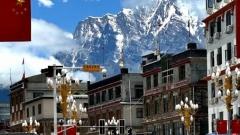
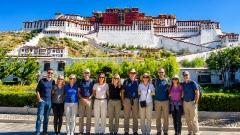
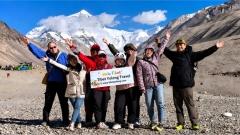
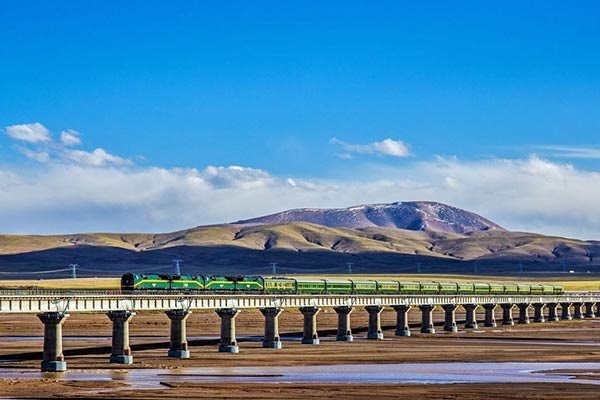
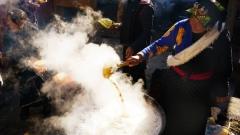
Nestled in the rugged and breathtaking landscapes of eastern Tibet, Tashigang Village is a destination that remains largely untouched by mass tourism. Located within the broader Trashigang region, this village offers travelers a rare glimpse into authentic Tibetan life, where ancient traditions seamlessly blend with the dramatic natural environment. Unlike the more frequented tourist hubs in central Tibet, Tashigang Village provides a tranquil escape characterized by pristine mountain air, deeply rooted spiritual practices, and warm local hospitality. For those seeking an off-the-beaten-path experience, this hidden gem delivers profound cultural immersion and unparalleled scenic beauty. Whether you are drawn by the towering peaks or the quiet rhythm of village life, Tashigang Village stands as a testament to the enduring spirit of the Himalayas.
Key Highlights:
- Authentic Tibetan cultural heritage preserved in daily life.
- Dramatic mountain landscapes and pristine natural surroundings.
- Deeply rooted Buddhist traditions and local monasteries.
- An ideal off-the-beaten-path destination for mindful travelers.
- Unique high-altitude agricultural practices and local cuisine.

The Geographic Splendor of Tashigang Village
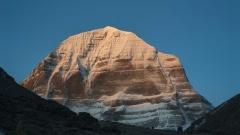
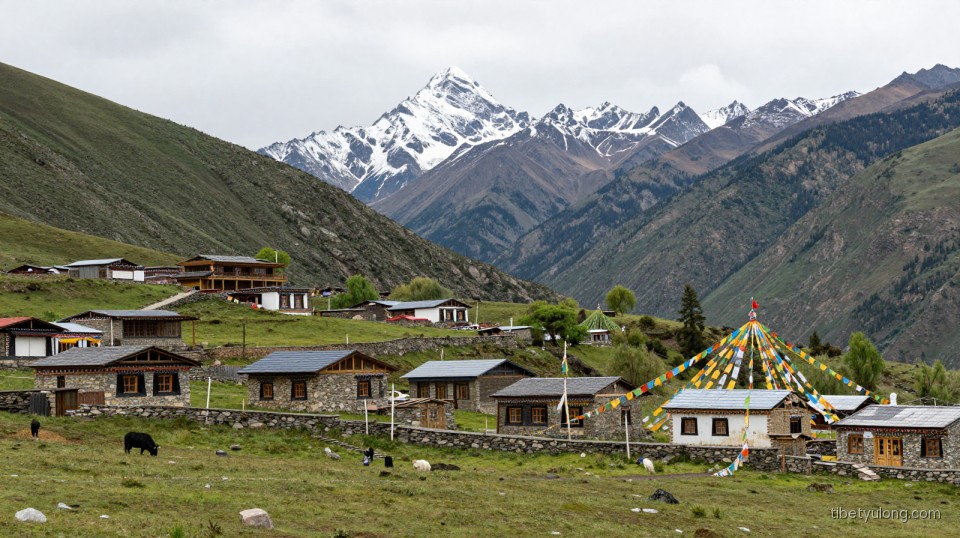
To truly appreciate Tashigang Village, one must first understand its geographical context. Situated in the eastern reaches of the Tibetan Plateau, the village benefits from a topography that differs significantly from the arid expanses of western and central Tibet. Here, the landscape transitions into deep river gorges, lush alpine meadows, and densely forested valleys. The elevation of Tashigang Village places it firmly within the high-altitude zone, yet the surrounding terrain creates microclimates that support diverse flora and fauna. Towering snow-capped peaks serve as a constant backdrop, their glaciers feeding the rivers that sustain the valley below.
The journey to Tashigang Village is an adventure in itself. Winding mountain roads carve through dramatic passes, offering panoramic views that change with every turn. As travelers descend into the valley, the harshness of the high plateau gives way to a softer, greener environment. This geographic isolation has historically protected the village from rapid modernization, allowing its natural surroundings to remain remarkably pristine. For nature enthusiasts and photographers, the shifting light across the mountains at dawn and dusk provides endless inspiration. The raw, unfiltered beauty of this region is what makes Tashigang Village a magnet for those who prefer their travel experiences grounded in nature rather than commercial development.
Cultural Heritage and Daily Life in Tashigang Village
The soul of Tashigang Village lies in its people and their unwavering commitment to preserving their cultural heritage. Life here moves at a pace dictated by the seasons and the sun, rather than clocks and calendars. The residents primarily engage in traditional agriculture and animal husbandry, cultivating hardy crops like barley and buckwheat that thrive at high altitudes. Yaks and dzos (a yak-cattle hybrid) graze on the surrounding slopes, providing milk, butter, and meat that form the staples of the local diet. Watching the villagers go about their daily tasks—whether spinning yak wool, tending to the terraced fields, or repairing stone houses—offers a living museum experience that no guidebook can fully capture.
Architecture in Tashigang Village reflects centuries of adaptation to the harsh Himalayan climate. Homes are typically constructed from locally sourced stone and timber, featuring thick walls designed to retain heat during the freezing winters and small windows to minimize wind exposure. Intricate wooden carvings often adorn doorframes and window sills, depicting auspicious symbols and protective deities. These architectural details are not merely decorative; they are deeply tied to local folklore and spiritual beliefs. By walking through the narrow dirt paths of the village, visitors can observe how generations of families have lived in harmony with their challenging yet beautiful environment.
Spiritual Significance and Buddhist Traditions
Buddhism is the invisible thread that weaves through every aspect of life in Tashigang Village. The spiritual landscape is marked by fluttering prayer flags strung across mountain passes, whitewashed chortens (stupas) standing sentinel at crossroads, and mani stones carved with sacred mantras lining the trails. These elements are not relics of the past but active components of daily devotion. Villagers routinely circumambulate these sacred sites, spinning hand-held prayer wheels and murmuring mantras, accumulating merit and sending prayers into the wind.
Nearby monasteries play a central role in the community’s social and spiritual life. While Tashigang Village may not house a massive monastic complex, smaller local temples and hermitages dot the surrounding hillsides. These institutions serve as centers for learning, meditation, and community gatherings. During religious festivals, the village comes alive with vibrant mask dances (Cham dances), chanting monks, and offerings of butter lamps. Participating in or respectfully observing these rituals provides travelers with a profound understanding of Tibetan Buddhism as a lived practice rather than an abstract philosophy. The spiritual tranquility of Tashigang Village is palpable, offering a space for quiet reflection that is increasingly rare in the modern world.
Practical Travel Tips for Visiting Tashigang Village
Planning a trip to Tashigang Village requires careful preparation due to its remote location and high altitude. First and foremost, travelers must ensure they have the necessary permits to visit the Tibetan region. Foreign tourists are generally required to travel with a registered guide and obtain a Tibet Travel Permit, which should be arranged well in advance. Because Tashigang Village is situated far from major urban centers like Lhasa, overland travel is extensive, and itineraries must account for long driving days on mountainous roads.
Altitude sickness is a primary concern when visiting Tashigang Village. The village sits at a significant elevation, and proper acclimatization is essential. Travelers should spend several days at intermediate altitudes before ascending to the village, stay hydrated, avoid strenuous physical exertion upon arrival, and consult with a doctor regarding altitude medication prior to the trip. Packing appropriately is also crucial; layers are mandatory, as temperatures can fluctuate wildly between day and night. High-quality thermal wear, waterproof outer layers, sturdy hiking boots, and sun protection are non-negotiable items for your gear list.
Accommodation options in Tashigang Village are basic. Do not expect luxury hotels; instead, prepare for modest guesthouses or homestays that offer a genuine connection with local hosts. These accommodations provide clean beds and simple meals, usually consisting of tsampa (roasted barley flour), yak butter tea, noodle soups, and seasonal vegetables. Embracing this simplicity is part of the charm and ensures that your visit directly supports the local economy.
Responsible Tourism and Community Impact
As interest in remote Himalayan destinations grows, the importance of responsible tourism in Tashigang Village cannot be overstated. Visitors must approach the community with respect, always asking permission before photographing locals or entering sacred spaces. Environmental stewardship is equally critical; travelers should carry out all non-biodegradable waste, as remote villages lack the infrastructure to process modern trash. Sticking to established trails prevents soil erosion and protects fragile alpine vegetation.
Supporting the local economy means purchasing handicrafts directly from artisans, eating at family-run establishments, and hiring local guides whenever possible. This direct economic injection helps sustain traditional livelihoods and incentivizes the younger generation to remain in the village rather than migrating to cities. When approached with mindfulness, tourism can be a powerful tool for cultural preservation in Tashigang Village, ensuring that its unique identity endures for future generations.
Planning Your Journey with Tibet Yulong Travel
Navigating the logistical complexities of reaching a remote destination like Tashigang Village is best handled by experienced professionals. Tibet Yulong Travel specializes in crafting bespoke itineraries that prioritize safety, cultural sensitivity, and authentic experiences across the Tibetan Plateau. Their deep knowledge of the region’s permit requirements, road conditions, and local customs ensures that travelers can focus entirely on the experience rather than the logistics. By partnering with Tibet Yulong Travel, visitors gain access to trusted local guides who bridge the language gap and facilitate meaningful interactions with the residents of Tashigang Village. Whether arranging reliable transportation through treacherous mountain passes or securing comfortable homestays, Tibet Yulong Travel provides the essential framework needed to explore this extraordinary corner of the world responsibly and comfortably.