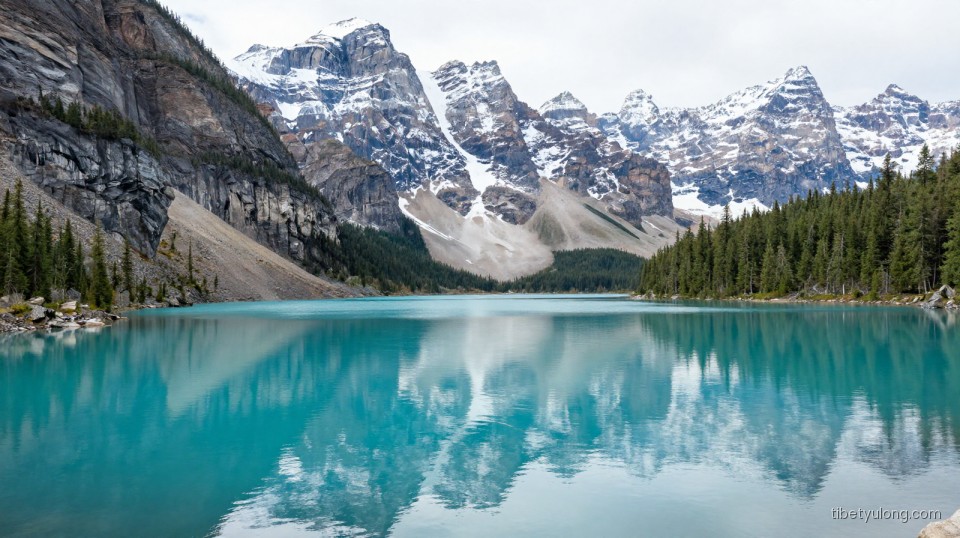
Tucked away in the rugged landscapes of eastern Tibet, Ranwu Lake is one of the most breathtaking high-altitude bodies of water on the planet. Fed by ancient glaciers and surrounded by towering snow-capped peaks, this pristine destination offers travelers a glimpse into untouched natural beauty. Unlike many heavily commercialized tourist spots, Ranwu Lake retains a quiet, raw charm that captivates adventurers and nature lovers alike. Situated along the famous Sichuan-Tibet Highway, it serves as both a rewarding stopover and a primary destination for those exploring the Tibetan plateau. The lake’s striking turquoise waters change hues depending on the light and season, creating an ever-shifting canvas of color. Whether you are a seasoned overland traveler or someone seeking a peaceful retreat in the mountains, understanding the nuances of visiting this remote area is crucial for a successful trip.
Key Highlights:
- Ranwu Lake sits at approximately 3,850 meters above sea level.
- The lake is naturally divided into upper, middle, and lower sections.
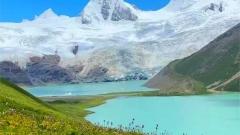
- It is primarily fed by the meltwater from the nearby Laigu Glacier.
- The best time to visit is during spring and autumn for optimal colors.
- Located directly along the G318 Sichuan-Tibet Highway route.
Understanding the Geography of Ranwu Lake
To truly appreciate Ranwu Lake, one must first understand its unique geographical setting. Located in Bomê County within the Nyingchi Prefecture of Tibet, the lake is a classic example of a moraine-dammed body of water. Thousands of years ago, massive glacial movements carved out the valley, leaving behind debris that eventually blocked the flow of water and created the basin we see today. The surrounding terrain is dramatic, featuring steep valleys blanketed in dense coniferous forests that gradually give way to alpine meadows and jagged, ice-covered summits.
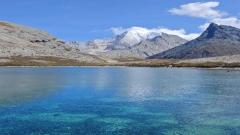
What makes Ranwu Lake particularly fascinating is its division into three distinct parts: the Upper Lake, the Middle Lake, and the Lower Lake. Each section possesses its own character. The Upper Lake is generally narrower and closer to the glacial source, often appearing more turbulent and milky due to the heavy concentration of rock flour—finely ground rock particles carried by the glacial meltwater. As the water flows down into the Middle and Lower lakes, it settles, allowing the suspended minerals to drop. This settling process is what gives the lower sections their famous, brilliant turquoise and deep blue colors. The entire system stretches over roughly twenty kilometers, making it one of the largest and most visually diverse alpine lakes in Tibet.
The Best Time to Visit Ranwu Lake
Choosing the right time to visit Ranwu Lake can drastically alter your experience. Because of its high altitude and proximity to massive glaciers, the local climate is highly seasonal, and each period offers something entirely different for travelers.
Spring, particularly from April to May, is widely considered one of the best times to witness the lake’s beauty. During these months, the surrounding peach blossoms and wildflowers begin to bloom, contrasting sharply with the lingering snow on the mountain peaks. The meltwater starts to flow more vigorously, bringing life back to the valley. The skies are often clear, providing excellent conditions for photography.
Summer, from June to August, brings the monsoon rains to the region. While the landscape becomes incredibly lush and green, the heavy rainfall can cause the lake’s water to turn murky and brownish-yellow due to increased sediment runoff. Road conditions along the G318 highway can also become unpredictable due to landslides or mudslides. However, summer temperatures are the most comfortable for camping and hiking.
Autumn, spanning September to October, rivals spring as the premier season to visit Ranwu Lake. The forests surrounding the lake erupt into vibrant shades of gold, orange, and crimson. The weather stabilizes, the skies clear up, and the water returns to its mesmerizing turquoise hue. The crisp air and striking color contrasts make autumn a favorite among photographers and overland drivers.
Winter transforms the area into a frozen wonderland. From November to March, temperatures plummet, and the surface of the lake often freezes solid. While the scenery is stark and beautiful, access becomes significantly more challenging, and the extreme cold requires specialized gear and preparation.
How to Get to Ranwu Lake
Reaching Ranwu Lake is an adventure in itself, as it is situated far from major urban centers. The most common and popular way to arrive is by driving along the G318 National Highway, famously known as the Sichuan-Tibet Highway. This legendary road connects Chengdu in Sichuan Province to Lhasa in Tibet, passing through some of the most spectacular mountain scenery on Earth.
If you are traveling from Lhasa, the journey eastward covers roughly 700 kilometers and typically takes two to three days, with overnight stops in towns like Nyingchi and Bomê. From Bomê town, Ranwu Lake is about 90 kilometers to the east, a drive that takes around two hours through winding mountain roads and dense forests. If you are coming from the opposite direction, starting in Chengdu, the lake is located past the towns of Batang and Markam, requiring several days of dedicated driving.
For those who prefer not to self-drive, joining an organized tour is highly recommended. Navigating the high-altitude roads, dealing with potential vehicle issues, and managing border permits can be overwhelming for independent travelers. Experienced operators like Tibet Yulong Travel specialize in arranging overland itineraries along the G318 route, ensuring that logistics, transportation, and necessary travel permits are handled professionally. Utilizing a service like Tibet Yulong Travel allows visitors to focus entirely on the scenery rather than the stress of navigation.
Public transportation options are virtually non-existent for reaching the lake directly. Long-distance buses run between major towns, but they do not stop for sightseeing at Ranwu Lake. Therefore, hiring a private driver or booking a guided tour remains the only practical approach.
Essential Travel Tips and Altitude Considerations
Traveling to Ranwu Lake requires careful preparation, primarily due to the high elevation. Sitting at approximately 3,850 meters (about 12,600 feet) above sea level, the risk of altitude sickness is real and should not be underestimated. Symptoms such as headaches, nausea, dizziness, and shortness of breath are common among travelers who ascend too quickly.
To mitigate these risks, proper acclimatization is vital. If you are flying into Nyingchi or Lhasa, spend a few days resting and adjusting before undertaking long drives to higher elevations. Stay hydrated, avoid alcohol for the first few days, and refrain from strenuous physical exertion upon arrival. Carrying portable oxygen canisters or medication prescribed by a doctor for altitude sickness is a wise precaution.
The weather around Ranwu Lake is notoriously unpredictable. Even in the middle of summer, temperatures can drop near freezing at night. Layered clothing is essential. Pack thermal base layers, a warm fleece, a windproof and waterproof outer shell, sturdy hiking boots, and a warm hat. Sun protection is equally important; the UV radiation at high altitudes is intense, so bring high-SPF sunscreen, sunglasses, and a wide-brimmed hat.
Because the lake is located in a relatively remote area, facilities are basic. There are a few small guesthouses and tent camps near the lake shore, but luxury accommodations are scarce. Many travelers choose to stay in Bomê town, where hotels offer better amenities, and visit the lake as a day trip. Food options near the lake are limited to simple Tibetan or Chinese noodle dishes, so carrying extra snacks, energy bars, and bottled water is highly advisable.
Finally, respect the local environment and culture. The Tibetan plateau features a fragile ecosystem that recovers very slowly from damage. Always carry your trash out with you, avoid disturbing wildlife, and stay on marked paths. When interacting with local Tibetan communities, ask for permission before taking photographs of people or religious sites.
Photography and Sightseeing Around Ranwu Lake
For photographers, Ranwu Lake is a dream destination. The interplay of light, water, and mountains provides endless opportunities for stunning compositions. The best lighting usually occurs during the golden hours just after sunrise and shortly before sunset, when the low angle of the sun illuminates the snow peaks with a warm, pinkish glow that reflects perfectly on the calm surface of the lake.
One of the most popular vantage points is along the G318 highway itself, where several pull-offs allow travelers to safely park and look down over the expanse of the Lower Lake. For a closer perspective, walking down to the shoreline reveals the intricate details of the water’s edge, where smooth stones and submerged glacial silt create abstract patterns.
A major highlight connected to the lake is the nearby Laigu Glacier. Located a short distance from the Upper Lake, Laigu is one of the largest and most accessible glaciers in the region. Hiking toward the glacier allows visitors to see exactly where the lake gets its water. The sheer walls of blue ice contrast dramatically with the dark rock of the mountains. Arranging a side trip to Laigu Glacier is often included in itineraries planned by knowledgeable guides, such as those provided by Tibet Yulong Travel, who understand the safest routes and current trail conditions.
Beyond the lake and glacier, the drive through the surrounding Parlung Tsangpo River valley is spectacular. The dense forests of spruce and pine are home to diverse birdlife, and the rushing river parallels the road for miles. Taking the time to pause at smaller viewpoints, observe the changing flora, and breathe in the crisp alpine air is what makes the journey to Ranwu Lake truly memorable. It is a place where the scale of nature reminds travelers of their small place in the world, offering a profound sense of peace and awe.