Tucked away in the eastern reaches of the Tibetan Plateau, the Laigu Glacier stands as one of the most breathtaking natural wonders in China. Located in Bomê County, Nyingchi Prefecture, this massive ice formation feeds a series of stunning glacial lakes that draw adventurous travelers from around the globe. Unlike many heavily commercialized tourist spots, visiting the Laigu Glacier offers a raw, authentic experience of high-altitude wilderness. The journey here involves navigating winding mountain roads, crossing high passes, and ultimately standing face-to-face with ancient ice that has shaped the landscape for millennia. Whether you are an avid trekker, a photography enthusiast, or simply someone seeking solitude in nature, the Laigu Glacier provides an unforgettable escape into the heart of the Himalayas.
Before diving into the details of planning your trip, here are the key takeaways about visiting the Laigu Glacier:
- Location: Situated near Ranwu Town in Bomê County, Tibet, along the famous Sichuan-Tibet Highway.
- Elevation: The surrounding area sits at roughly 3,800 to 4,000 meters above sea level, requiring proper acclimatization.
- Best Time to Visit: Spring and autumn offer the clearest skies and the most vibrant lake colors.
- Main Attraction: A network of six interconnected glacial lakes fed by melting ice from the surrounding peaks.
- Accessibility: Reaching the glacier requires overland travel, often arranged through specialized local operators like Tibet Yulong Travel.
Understanding the Geography of Laigu Glacier
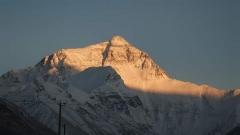
To truly appreciate the Laigu Glacier, it helps to understand its geographical context. The glacier is part of the larger Gangrigabu Range, which boasts some of the highest peaks in eastern Tibet. The name “Laigu” translates roughly to “hidden village” in the local Tibetan dialect, a fitting description for a place so deeply nestled among towering snow-capped mountains. The glacier itself is actually a collection of several glaciers, including the Yaolong Glacier, which is the largest and most accessible to visitors.
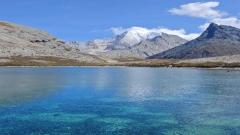
What makes the Laigu Glacier particularly unique is how it interacts with the landscape below. As the ice slowly grinds down the valley, it melts and deposits fine rock flour—pulverized granite and limestone—into the water. This suspended sediment scatters sunlight, giving the resulting lakes their surreal, milky-turquoise hue. The entire system stretches across a vast alpine valley, creating a dramatic contrast between the stark white ice, the deep blue sky, and the lush green forests that cling to the lower elevations.
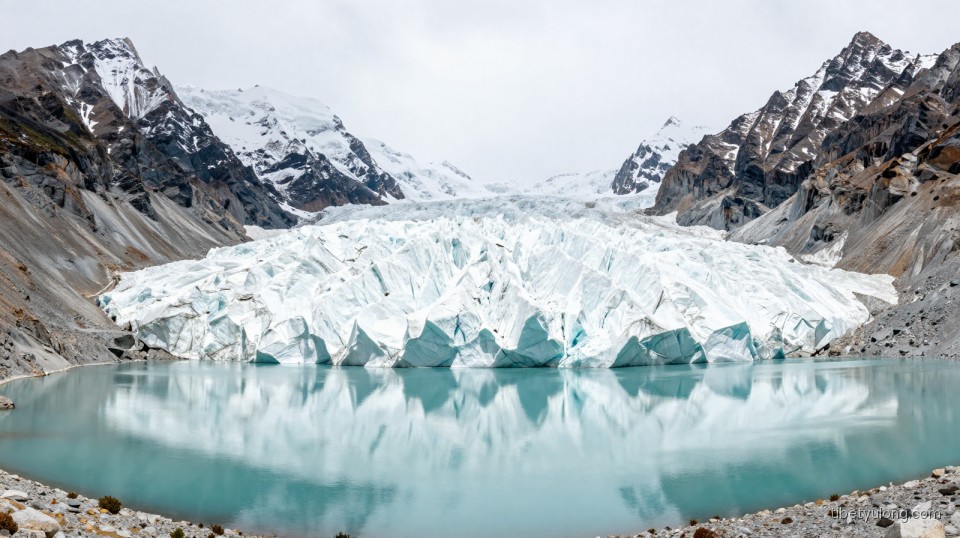
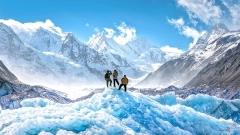
The scale of the Laigu Glacier is difficult to comprehend until you are standing at its edge. The ice walls can tower dozens of meters high, groaning and cracking as they shift under their own weight. It is a dynamic, living landscape that changes daily, reminding visitors of the immense geological forces at work beneath their feet.
The Six Glacial Lakes of Laigu Glacier
One cannot discuss the Laigu Glacier without mentioning the spectacular lakes it creates. There are six primary lakes in the system, each with its own character and charm. They are generally referred to by their order from the glacier: Upper Lake, Middle Lake, Lower Lake, and so on, though locals have specific names for them based on their appearance and position.
The uppermost lakes are closest to the ice terminus and tend to be the most opaque, thick with glacial sediment. As the water flows downward from one lake to the next, it gradually settles, becoming clearer and taking on deeper shades of blue and green. The lowest lakes, situated further down the valley, are often surrounded by alpine meadows and scattered shrubs, providing excellent foregrounds for photographers looking to capture the Laigu Glacier in its full environmental context.
During the warmer months, the water levels rise significantly due to increased melting. This is when the lakes are at their most expansive and colorful. In winter, parts of the lakes may freeze over, creating a completely different, monochromatic landscape that appeals to those who prefer harsher, more dramatic scenery.
How to Reach Laigu Glacier
Reaching the Laigu Glacier is an adventure in itself. There are no airports directly serving the site; the nearest major transport hubs are in Nyingchi or Qamdo. From there, travelers must embark on an overland journey along the G318 National Highway, widely considered one of the most scenic and challenging roads in the world.
Most visitors use Ranwu Town as their base camp. Ranwu is a small settlement located just a short drive from the entrance to the Laigu Glacier scenic area. The road from Ranwu to the glacier winds through valleys and past traditional Tibetan settlements, offering glimpses of local life that has remained largely unchanged for generations.
Because of the logistical challenges—including securing permits, arranging reliable vehicles, and navigating high-altitude terrain—many travelers choose to book their journey through experienced agencies. Companies like Tibet Yulong Travel specialize in organizing itineraries that include the Laigu Glacier, ensuring that transportation, accommodation, and necessary travel documents are handled smoothly. Utilizing a service like Tibet Yulong Travel can significantly reduce the stress of independent travel in such a remote region, allowing you to focus entirely on the experience.
Best Seasons to Visit Laigu Glacier
Timing your visit to the Laigu Glacier is crucial for getting the best possible experience. The region experiences distinct seasons, each offering a different perspective of the landscape.
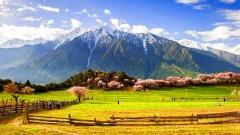
Spring (April to May): This is widely regarded as one of the best times to visit. The weather begins to warm, but the skies remain relatively clear before the summer monsoon arrives. The wildflowers in the lower valleys start to bloom, adding splashes of color to the rugged terrain. The melting ice begins to feed the lakes vigorously, enhancing their turquoise appearance.
Summer (June to August): While the landscape is incredibly lush during these months, summer brings the monsoon rains. Cloud cover frequently obscures the mountain peaks, and heavy rainfall can make the dirt roads leading to the Laigu Glacier muddy and difficult to navigate. However, if you catch a clear day, the contrast between the green forests and the white ice is spectacular.
Autumn (September to November): Autumn rivals spring as the ideal time to explore the Laigu Glacier. The rainy season ends, leaving crisp, clear air and brilliant blue skies. The foliage in the surrounding forests turns golden and red, providing a stunning backdrop for photography. Temperatures drop, especially at night, so warm clothing is essential.
Winter (December to March): Winter transforms the area into a frozen wonderland. Access becomes much more difficult due to snow and ice on the roads, and temperatures plummet well below freezing. Only the most prepared and adventurous travelers attempt to visit the Laigu Glacier during this time, but those who do are rewarded with absolute solitude and pristine, untouched landscapes.
Essential Travel Tips and Altitude Considerations
Visiting the Laigu Glacier means traveling to high altitudes, typically ranging between 3,800 and 4,200 meters. Altitude sickness is a real concern and should not be taken lightly. Symptoms can include headaches, nausea, dizziness, and shortness of breath.
To mitigate these risks, proper acclimatization is vital. Do not rush your ascent. Spend a few days at intermediate elevations, such as in Nyingchi (around 2,900 meters) or even Ranwu Town, before pushing up to the glacier itself. Stay hydrated, avoid alcohol for the first few days, and move slowly. If symptoms become severe, descending to a lower altitude is the only reliable cure.
Packing appropriately is another key factor. Even in summer, temperatures near the Laigu Glacier can drop rapidly, especially when the wind comes off the ice. Layered clothing is mandatory. Bring a high-quality windproof and waterproof jacket, thermal base layers, sturdy hiking boots with good ankle support, and UV-protection sunglasses, as the glare from the ice and snow can be intense.
Finally, respect the environment. The ecosystem around the Laigu Glacier is fragile. Stick to established trails, do not leave any trash behind, and avoid disturbing the wildlife. The local communities hold these mountains sacred, and showing cultural respect enhances the overall experience of your journey.
For those looking to piece together a comprehensive itinerary that includes the Laigu Glacier alongside other highlights of eastern Tibet, reaching out to specialists like Tibet Yulong Travel is highly recommended. Their expertise in local routes, permit regulations, and seasonal conditions ensures a safe and enriching journey through one of the planet’s most magnificent glacial landscapes. Whether you spend a single afternoon marveling at the ice or dedicate several days to trekking the surrounding valleys, the sheer scale and beauty of this destination will leave a lasting impression long after you return home.