Traveling across the Tibetan Plateau by rail is one of the most rewarding experiences a visitor can have. The Lhasa to Shigatse train offers a comfortable, scenic, and efficient way to connect Tibet’s capital with its second-largest city. Covering approximately 250 kilometers, this railway extension of the famous Qinghai-Tibet Railway was built to make the holy city of Shigatse more accessible to travelers from around the world. Instead of enduring long hours on winding mountain roads, passengers can now relax in modern carriages while gazing out at high-altitude landscapes. Whether you are heading to Shigatse to visit the Tashilhunpo Monastery or using it as a stepping stone for further adventures toward Mount Everest, understanding how this rail service works is crucial for your itinerary planning.
Key Takeaways:
- Journey takes roughly two and a half to three hours.
- Multiple daily departures available for flexible scheduling.
- Hard seat, hard sleeper, and soft sleeper classes offered.
- Foreign travelers require a Tibet Travel Permit to board.
- Scenic views include the Yarlung Tsangpo River valley.
Overview of the Lhasa to Shigatse Train Route
The railway connecting these two major Tibetan cities officially opened to traffic in 2014, significantly transforming regional transportation. Before this infrastructure was completed, overland travel meant navigating rugged highways that could take five to seven hours depending on weather and road conditions. Today, the Lhasa to Shigatse train completes the same trip in under three hours. The track departs from Lhasa Railway Station, located on the southern outskirts of the city, and travels westward through the fertile Yarlung Tsangpo River valley before climbing slightly into the higher elevations surrounding Shigatse.
The engineering behind this route is remarkable. Designed to withstand extreme temperature fluctuations and permafrost challenges, the railway passes through several tunnels and over numerous bridges. Despite the harsh environment outside, the interior of the trains remains climate-controlled and pressurized with supplemental oxygen, ensuring passenger comfort at altitudes that frequently exceed 3,800 meters. This attention to passenger well-being makes the train an ideal choice for those who might be sensitive to high-altitude travel.
Lhasa to Shigatse Train Schedule and Duration
Planning your day requires knowing when the trains operate. Currently, there are multiple pairs of trains running daily between Lhasa and Shigatse. Departures typically begin in the morning and continue throughout the afternoon, giving travelers ample flexibility. A standard departure from Lhasa might leave around 8:30 AM, 11:40 AM, or later in the afternoon, arriving in Shigatse approximately two and a half to three hours later.
It is important to note that train schedules in Tibet can be adjusted based on seasonal demand, maintenance requirements, or local holidays. During peak tourist seasons, which generally fall between May and October, additional services may be added. Conversely, winter months might see a slight reduction in frequency. Because timetables are subject to change, relying on up-to-date information is essential. Travel agencies specializing in Tibetan tourism, such as Tibet Yulong Travel, routinely monitor these schedule updates and can provide travelers with the most current departure times, ensuring you do not miss your connection.
Ticket Classes and Pricing Information
When booking your Lhasa to Shigatse train ticket, you will encounter different classes of service. Understanding what each offers helps you choose the best fit for your budget and comfort preferences.
Hard Seat: This is the most economical option. Carriages feature rows of padded seats arranged in a 3+2 configuration. While perfectly fine for a short three-hour journey, hard seat carriages can become crowded during peak seasons. It is a popular choice for budget backpackers and locals commuting between the two cities.
Hard Sleeper: Although the journey is relatively short, hard sleeper tickets are sometimes available. These compartments feature six bunks stacked in three tiers (lower, middle, upper) without a closing door. They offer more space to stretch out compared to hard seats, making them a comfortable middle-ground option.
Soft Sleeper: For maximum privacy and comfort, the soft sleeper class is highly recommended. Each enclosed compartment contains four wider bunks (two lower, two upper) and features a sliding door. Soft sleepers also come with better bedding and a quieter environment. Given the short duration of the trip, many tourists opt for soft sleepers simply to enjoy the spaciousness and unobstructed window views without the crowds.
Ticket prices vary slightly depending on the specific train number and class, but they remain very affordable compared to international rail standards. Hard seats are the cheapest, while soft sleepers cost roughly double or triple the base fare. Regardless of the class, all tickets should be booked well in advance during the busy summer months.
How to Book Lhasa to Shigatse Train Tickets
Booking train tickets in Tibet operates differently than in many other parts of the world, especially for international visitors. Chinese citizens can easily purchase tickets using their national ID cards via online platforms or station kiosks. However, foreign passport holders face additional administrative steps.
To buy a ticket, a foreign traveler must present their original passport alongside a valid Tibet Travel Permit. This permit is not something individuals can apply for directly; it must be arranged through a registered local travel agency. Once your tour is confirmed, the agency will apply for the permit on your behalf. After receiving the permit, the agency or authorized ticket vendors can secure your train reservation.
Because of these logistical layers, most international tourists choose to book their entire itinerary—including the Lhasa to Shigatse train—through professional operators. Companies like Tibet Yulong Travel handle everything from permit applications to ticket purchasing. They ensure your name is correctly registered in the railway system, preventing any issues at the boarding gate. Attempting to navigate this process independently without local support often leads to unnecessary stress and potential delays.
Scenic Highlights Along the Railway Journey
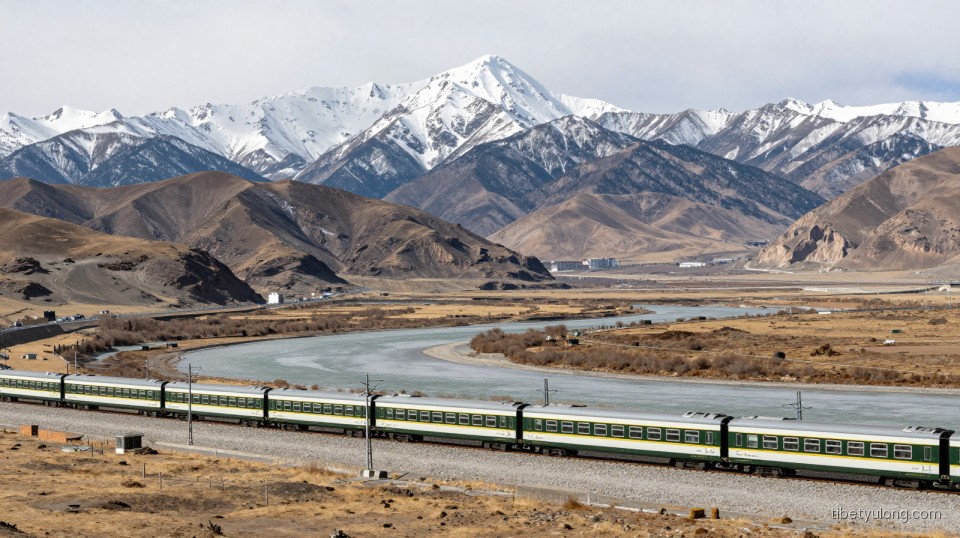
One of the greatest advantages of taking the Lhasa to Shigatse train over flying or driving is the visual spectacle unfolding outside your window. The route largely follows the path of the Yarlung Tsangpo River, the highest major river in the world. As the train glides along the tracks, passengers are treated to sweeping views of wide river valleys flanked by rugged, snow-capped mountains.
During the spring and summer months, the valley floors turn vibrant shades of green, dotted with traditional Tibetan farming villages and herds of yaks grazing near the water. In autumn, the landscape shifts to golden hues, offering exceptional photography opportunities. Even in winter, the stark contrast between white snow, deep blue skies, and the dark river waters creates a dramatic panorama.
Keep an eye out for the changing topography as the train moves away from the immediate vicinity of Lhasa. You will pass through narrow gorges where the river rushes forcefully, followed by expansive plains where the water slows down into braided channels. The large windows on the train carriages are specifically designed to maximize sightseeing, so securing a window seat is highly advised.
Essential Travel Tips for the Journey
Preparing properly ensures your train ride is smooth and enjoyable. First, altitude acclimatization is critical. Both Lhasa (around 3,650 meters) and Shigatse (around 3,840 meters) sit at significant elevations. It is strongly recommended to spend at least two to three days resting in Lhasa before embarking on the train to Shigatse. While the train carriages pump supplemental oxygen into the cabin, stepping off the train in Shigatse means immediately encountering thin air.
Second, arrive at Lhasa Railway Station early. Security checks for trains in Tibet are thorough. Your luggage will be scanned, and your identity documents (passport and Tibet Travel Permit) will be verified manually. Arriving at least 60 to 90 minutes before departure gives you plenty of time to clear security without rushing.
Third, pack light snacks and hydration. While the journey is short, dining cars on regional trains may have limited menus, and hot water dispensers are usually available in every carriage for tea or instant noodles. Bringing your own thermos, some fruit, and local snacks enhances the experience.
Finally, respect local customs. If you are sharing a carriage with Tibetan locals, a polite demeanor goes a long way. Photography inside the train is generally acceptable, but always ask for permission before taking close-up portraits of fellow passengers or monks traveling on the same train.
What to Expect Upon Arriving in Shigatse
Shigatse Railway Station is located a few kilometers south of the main city center. Upon disembarking, you will find taxis and pre-arranged transport waiting to take you to your hotel or directly to local attractions. The most prominent site in Shigatse is the Tashilhunpo Monastery, the traditional seat of the Panchen Lama. Its golden roofs and massive prayer wheels are visible from many parts of the city.
Many travelers use Shigatse as a basecamp before continuing their overland journey toward the Everest Base Camp or the Nepal border. Taking the Lhasa to Shigatse train allows you to save energy for these more demanding legs of the trip. By arriving refreshed rather than exhausted from a long drive, you can immediately begin exploring the rich cultural heritage that Shigatse has to offer. With reliable partners like Tibet Yulong Travel managing your ground logistics upon arrival, transitioning from the train platform to your next great adventure is entirely seamless.