Tibet, often referred to as the “Roof of the World,” is a region that captivates the imagination with its towering peaks, ancient monasteries, and deeply spiritual culture. Nestled high in the Himalayas, it remains one of the most fascinating destinations on the planet for adventurous travelers and cultural enthusiasts alike. This introduction to Tibet aims to provide a clear, comprehensive overview of what makes this autonomous region so unique. From its dramatic landscapes shaped by tectonic forces to the daily rhythms of Tibetan Buddhism, every aspect of life here is intertwined with the high-altitude environment. Whether you are drawn by the promise of trekking through pristine valleys or the desire to witness centuries-old religious ceremonies, understanding the fundamentals of this destination is the first step toward a meaningful journey.
Key Highlights:
- Average elevation exceeds 4,000 meters above sea level.
- Tibetan Buddhism deeply influences daily life and architecture.
- Home to Mount Everest and numerous sacred lakes.
- Traditional diet centers around yak meat, barley, and butter tea.
- Advance travel permits are required for international visitors.
Understanding the Geography in This Introduction to Tibet
When crafting any thorough introduction to Tibet, geography must be the starting point. The Tibetan Plateau is the highest and largest plateau on Earth, spanning over 2.5 million square kilometers. It is bordered by the Himalayas to the south, the Kunlun Mountains to the north, and the Qilian Mountains to the northeast. This massive uplift was formed by the collision of the Indian and Eurasian tectonic plates, a geological process that continues to shape the landscape today.
The average elevation sits at roughly 4,500 meters (about 14,700 feet), which profoundly affects the climate, ecology, and human habitation. The air is thin, holding significantly less oxygen than at sea level, and the sun’s ultraviolet rays are intensely strong due to the lack of atmospheric filtering. Despite these harsh conditions, the plateau supports diverse ecosystems. The southern valleys, carved by rivers like the Yarlung Tsangpo (the upper Brahmaputra), offer milder microclimates where agriculture thrives. In contrast, the northern Changtang region is a vast, arid expanse of alpine steppe, home to nomadic herders and wildlife such as the Tibetan antelope and wild yak.
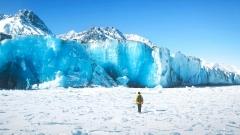
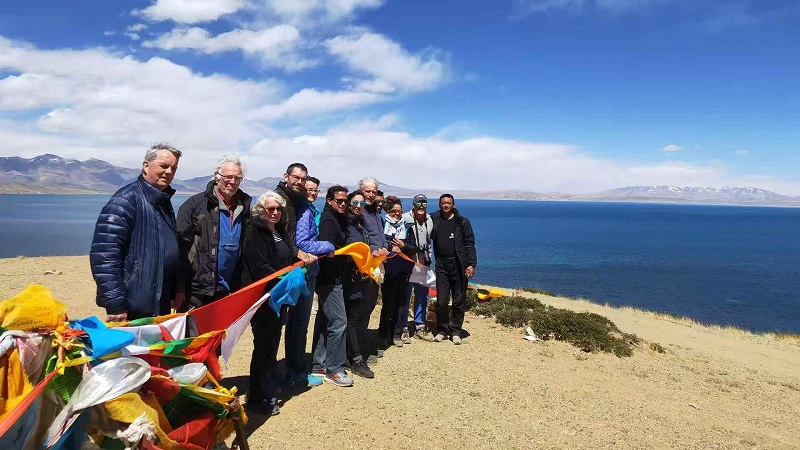
Water is another defining feature of the region. Tibet is often called the “Water Tower of Asia” because several of the continent’s most important rivers—including the Yangtze, Yellow, Mekong, Salween, and Indus—originate from its glaciers and snowmelt. Additionally, the plateau is dotted with thousands of lakes, many of which hold deep spiritual significance. Lake Namtso, Lake Yamdrok, and Lake Manasarovar are not just scenic wonders; they are pilgrimage sites where locals perform circumambulations, walking clockwise around the shores as an act of devotion.
Cultural Heritage and Tibetan Buddhism
No introduction to Tibet would be complete without exploring its profound cultural and religious identity. Tibetan Buddhism is the cornerstone of life on the plateau, influencing everything from art and architecture to social customs and personal philosophy. Introduced centuries ago and blending with indigenous Bon practices, it evolved into distinct schools, including the Gelug, Nyingma, Kagyu, and Sakya traditions.
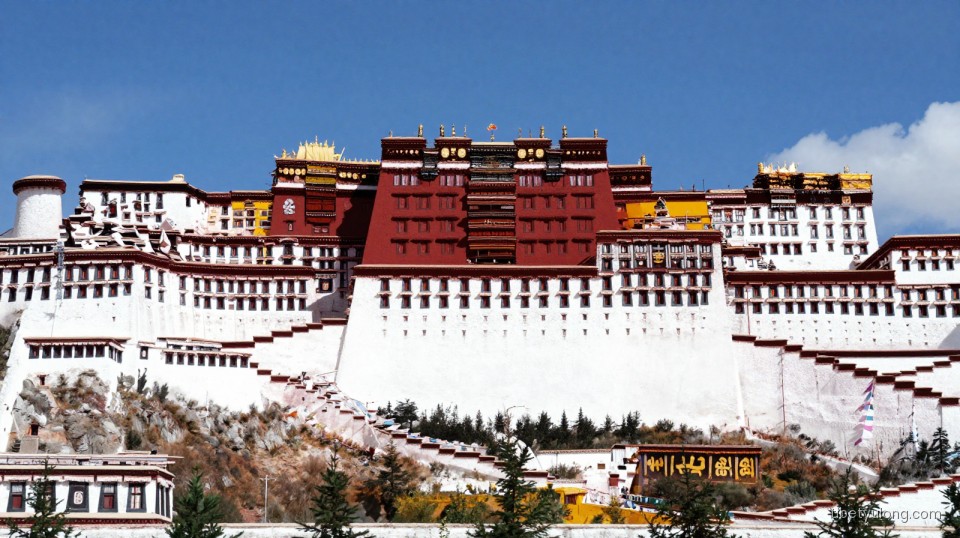
Monasteries are the architectural and spiritual heartbeats of Tibetan communities. The Potala Palace in Lhasa, once the winter residence of the Dalai Lama, stands as an iconic symbol of this heritage. Its striking white and red facades rise dramatically against the mountain backdrop, housing thousands of shrines, statues, and historical artifacts. Nearby, the Jokhang Temple is considered the most sacred site in Tibetan Buddhism. Pilgrims from across the region travel great distances, sometimes performing full-body prostrations along the entire route, to reach its golden roofs and worship the Jowo Shakyamuni statue inside.
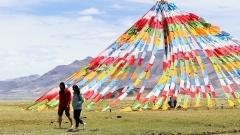
Beyond grand monuments, spirituality permeates everyday life. Prayer flags flutter in the wind on mountain passes, carrying mantras into the sky. Mani stones, carved with the sacred syllables “Om Mani Padme Hum,” line pathways and riverbanks. The continuous spinning of prayer wheels and the chanting of monks create an atmosphere that feels entirely removed from the modern world. Festivals such as Losar (Tibetan New Year) and Saga Dawa bring communities together for days of ritual dances, mask performances, and communal feasting, offering visitors a vibrant window into local traditions.
Exploring Major Destinations Across the Plateau
Lhasa is invariably the focal point of any introduction to Tibet. As the capital and largest city, it serves as the primary gateway for travelers. The Barkhor Street area surrounding the Jokhang Temple is a bustling hub where pilgrims, merchants, and tourists mingle among stalls selling incense, turquoise jewelry, and religious texts. It provides an immediate, immersive experience of urban Tibetan life.
Shigatse, the second-largest city, is renowned for the Tashilhunpo Monastery, the traditional seat of the Panchen Lama. Journeying further west leads to Mount Kailash, a peak revered by four major religions—Buddhism, Hinduism, Jainism, and Bon. While climbing the mountain is strictly forbidden out of respect for its sanctity, the multi-day kora (pilgrimage trek) around its base is considered one of the most challenging and rewarding experiences in the world.
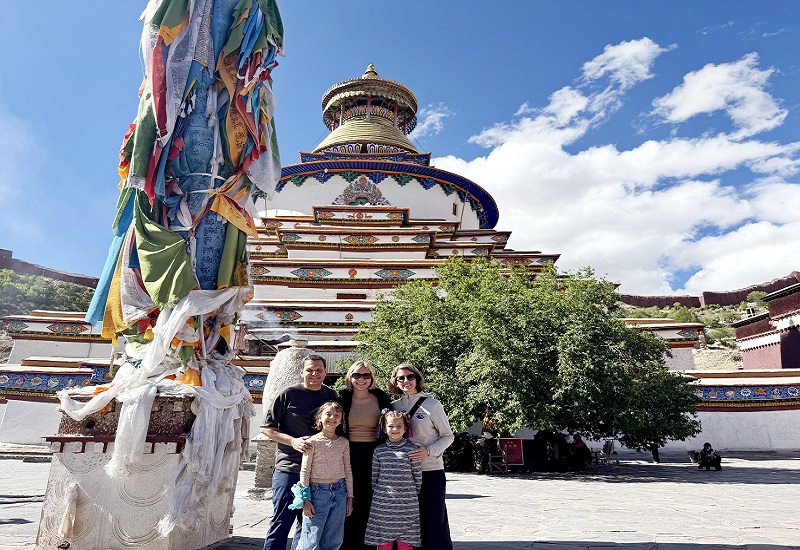
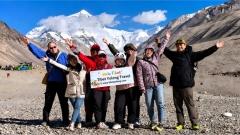
For nature enthusiasts, the Everest Base Camp on the Tibetan side offers unparalleled views of the world’s highest peak. Unlike the more commercialized Nepalese side, the northern approach provides a stark, rugged perspective of Mount Everest, accessible via winding roads that traverse some of the most dramatic scenery imaginable. Gyantse is another notable stop, famous for its unique Pelkor Chode Monastery and the towering Kumbum Stupa, which houses hundreds of chapels filled with intricate murals.
Traditional Cuisine and Local Lifestyle
Surviving and thriving at high altitudes requires a specific diet, and Tibetan cuisine reflects the demands of the environment. An authentic introduction to Tibet must include its food, which is hearty, caloric, and designed to warm the body against the biting cold.
Tsampa, roasted barley flour, is the ultimate staple. It is typically mixed with butter tea and kneaded into small dough balls by hand before eating. Butter tea itself—made from black tea, yak butter, and salt—is consumed throughout the day. While the salty flavor can surprise first-time visitors, it provides essential hydration, calories, and protection against chapped lips caused by the dry, windy climate.
Yak meat is the primary protein source, served dried, boiled, or in stews. Momos, steamed or fried dumplings filled with meat or vegetables, have become incredibly popular both locally and internationally. Thukpa, a warming noodle soup loaded with vegetables and meat, is the perfect comfort food after a long day of exploring. Dairy products also play a significant role, with yak yogurt being a common treat, often sweetened with sugar or mixed with rice.
The lifestyle outside the cities remains largely pastoral. Nomadic herders move seasonally with their yaks, sheep, and goats, living in heavy tents woven from yak hair. Their resilience and deep connection to the land represent a way of life that has persisted for centuries, though modern infrastructure and education are gradually bringing changes to these remote communities.
Essential Travel Tips and Navigating Your Journey
Traveling to this high-altitude region requires careful preparation. Because of its unique administrative status and sensitive border locations, foreign travelers cannot visit independently. A Tibet Travel Permit is mandatory, and it must be arranged in advance through a registered travel agency as part of an organized tour. Additionally, if your itinerary includes restricted areas like Mount Everest or Mount Kailash, further military and alien travel permits will be required.
Altitude sickness is the most significant health concern. Symptoms such as headaches, nausea, dizziness, and shortness of breath are common upon arrival. To mitigate this, travelers should spend the first few days in Lhasa resting, staying hydrated, avoiding alcohol, and refraining from strenuous physical activity. Ascending gradually allows the body time to acclimatize to the reduced oxygen levels.
Packing appropriately is crucial. The temperature can fluctuate wildly between day and night, even in summer. Layered clothing, a heavy down jacket, sturdy hiking boots, sunscreen, sunglasses, and lip balm are absolute necessities. The intense UV radiation means sunburn can occur rapidly, even when the air feels cold.
To ensure a smooth and enriching experience, partnering with experienced professionals is highly recommended. Agencies specializing in this region, such as Tibet Yulong Travel, provide invaluable support in navigating permit applications, arranging reliable transportation, and securing knowledgeable local guides. Their expertise ensures that logistical hurdles are managed efficiently, allowing travelers to focus entirely on absorbing the profound beauty and spirituality of the plateau. Choosing a reputable operator like Tibet Yulong Travel transforms a complex journey into a seamless adventure, ensuring safety and cultural respect every step of the way.
Respecting the Environment and Local Customs
As tourism grows, preserving the fragile ecosystem and honoring local traditions becomes increasingly important. The alpine environment recovers very slowly from damage, making responsible travel practices essential. Visitors should always carry out their trash, avoid disturbing wildlife, and stick to established trails during treks.
Cultural sensitivity is equally vital. When visiting monasteries, dress modestly by covering shoulders and knees. Always walk clockwise around religious structures, stupas, and mani stone piles. Photography inside temple halls is frequently prohibited or requires a specific fee, so always ask for permission before taking pictures of monks, locals, or religious artifacts. Showing genuine respect for these customs not only prevents offense but often leads to warmer, more meaningful interactions with the Tibetan people.
Ultimately, this introduction to Tibet reveals a destination unlike any other—a place where the earth touches the sky, and ancient traditions breathe life into every valley and monastery. Preparing thoroughly and traveling respectfully guarantees that your time on the Roof of the World will be nothing short of transformative.