
Flying into the roof of the world is an experience unlike any other. For most travelers, arriving at a Tibet Airport marks the beginning of a profound journey through dramatic landscapes, ancient monasteries, and vibrant local culture. Whether you are landing at the main gateway in Lhasa or touching down at one of the high-altitude regional airstrips, understanding how air travel works on the plateau is essential for a smooth trip. The aviation infrastructure here has expanded significantly over the decades, making these remote destinations more accessible than ever before. However, the extreme elevation and unique weather patterns mean that flying here requires a bit more preparation than a standard domestic or international flight. This guide covers the primary airports, practical arrival advice, and what you need to know before booking your tickets.
Key Takeaways:
- Lhasa Gonggar is the primary Tibet Airport for most visitors.
- High altitude requires proper acclimatization upon arrival.
- Several regional airports connect remote areas like Ngari and Nyingchi.
- Foreign travelers must arrange permits before booking flights.
- Weather conditions frequently impact flight schedules on the plateau.
Understanding the Main Tibet Airport: Lhasa Gonggar
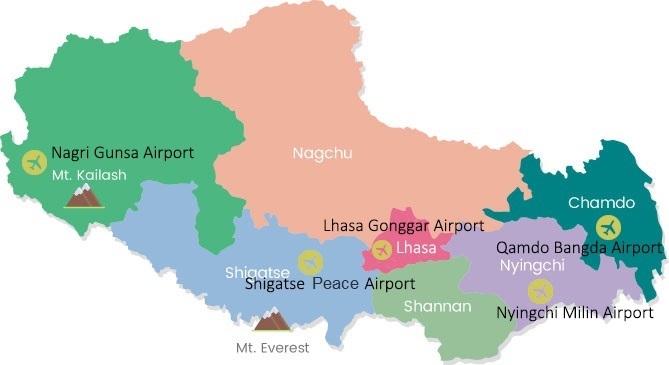
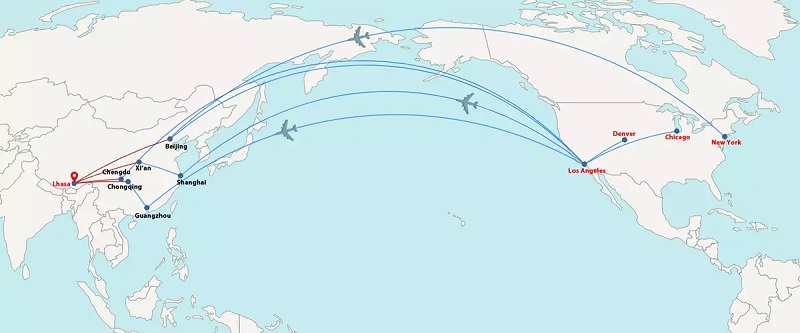
When people refer to a Tibet Airport, they are almost always talking about Lhasa Gonggar Airport (IATA code: LXA). Located about 60 kilometers southwest of Lhasa city center in the Shannan region, this airport serves as the primary aviation hub for the entire autonomous region. Sitting at an elevation of approximately 3,570 meters above sea level, it is one of the highest commercial airports in the world. The airport handles the vast majority of tourist traffic, connecting Lhasa to major Chinese cities such as Chengdu, Chongqing, Beijing, Kunming, and Xi’an. Chengdu remains the busiest and most reliable route, offering multiple daily flights operated by airlines like Air China, Sichuan Airlines, and Tibet Airlines.
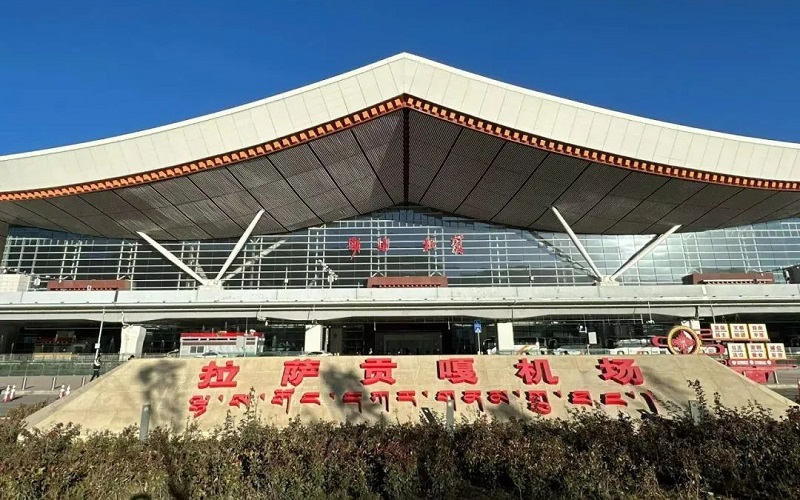
Lhasa Gonggar International Airport
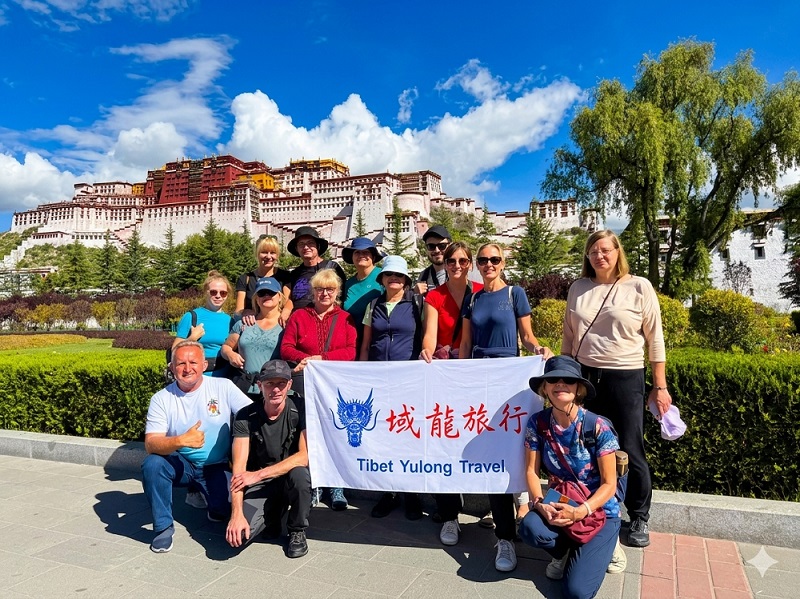
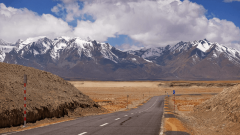
The terminal facilities at Lhasa Gonggar have been upgraded over the years to handle increasing passenger volumes. While it may not feature the sprawling luxury of massive international hubs, the airport provides all necessary amenities, including restaurants, souvenir shops, currency exchange counters, and comfortable waiting areas. Upon stepping out of the aircraft, passengers immediately notice the thin, crisp air. It is highly recommended to move slowly through the terminal, avoid carrying heavy luggage yourself, and stay hydrated. Most tour operators, including experienced agencies like Tibet Yulong Travel, arrange private transfers directly from the airport to hotels in Lhasa, which is crucial for minimizing physical exertion during your first hours at high altitude. The drive from the airport to the city takes roughly an hour via the well-maintained expressway, offering scenic views of the Yarlung Tsangpo River along the way.
Regional Tibet Airport Options Beyond Lhasa
While Lhasa Gonggar dominates air traffic, several regional airports have opened to decentralize tourism and improve connectivity across the vast Tibetan Plateau. These alternative airports allow travelers to bypass Lhasa initially or explore remote regions more efficiently.
Nyingchi Mainling Airport
Nyingchi Mainling Airport (LZY) is situated in the southeastern part of the region at a relatively lower elevation of around 2,949 meters. Because of its lower altitude, many travelers choose to fly into Nyingchi first to begin their acclimatization process before heading to higher elevations. Surrounded by lush forests and snow-capped peaks, Nyingchi offers a dramatically different landscape compared to the arid central plateau. Flights primarily connect through Chengdu and Chongqing.
Qamdo Bamda Airport
Qamdo Bamda Airport (BPX) holds a place in aviation history due to its extreme elevation of 4,334 meters and its incredibly long runway, which was built to compensate for the thin air affecting aircraft lift. Located in eastern Tibet, it serves the Kham region. Due to the challenging high-altitude environment, flights here are limited, and weather disruptions are more common than at lower airports.
Ngari Gunsa Airport
For those venturing to the far west to see Mount Kailash or the ruins of the Guge Kingdom, Ngari Gunsa Airport (NGQ) is a vital lifeline. Sitting at an astonishing 4,274 meters, it drastically reduces the grueling multi-day overland journey from Lhasa. Flights operate mainly from Lhasa and Kashgar, though schedules can be sparse and are heavily dependent on favorable weather.
Shigatse Peace Airport
Shigatse Peace Airport (RKZ) serves Tibet’s second-largest city, located at about 3,782 meters above sea level. It provides convenient access for travelers whose itineraries focus on western routes toward Everest Base Camp. Regular flights connect Shigatse with Chengdu and Lhasa, making it a practical secondary entry point.
Preparing for Your Arrival at a Tibet Airport
Arriving at a high-altitude destination requires specific logistical and health preparations that differ from standard travel. First and foremost, foreign passport holders cannot simply buy a ticket and board a plane to any Tibet Airport. You must secure a Tibet Travel Permit issued by the local authorities before your flight. Airlines will check this permit at the departure gate; without it, boarding will be denied. Reputable agencies, such as Tibet Yulong Travel, specialize in handling these permit applications seamlessly as part of a comprehensive tour package, ensuring all documentation is ready well before your departure date.
Health-wise, altitude sickness is the primary concern when landing at a Tibet Airport. The oxygen levels at Lhasa Gonggar are roughly 65% of those at sea level. To mitigate the risk of Acute Mountain Sickness (AMS), travelers should consult their doctors before the trip regarding prophylactic medications like acetazolamide. In the days leading up to your flight, avoid strenuous exercise, get plenty of rest, and do not consume alcohol. Upon landing, resist the urge to rush. Walk slowly, breathe deeply, and let your body adjust. Most hotels in Lhasa offer oxygen concentrators in their rooms, which can be incredibly helpful during the first night.
Packing appropriately is also vital. The temperature difference between day and night on the plateau is extreme. Even if you arrive during the warmer months, the airport tarmac can be surprisingly chilly in the early morning. Dress in layers, wear comfortable walking shoes, and keep essential items like lip balm, sunscreen, and sunglasses easily accessible, as the UV radiation at these altitudes is exceptionally strong.
Navigating Flight Schedules and Weather Challenges
Aviation on the Tibetan Plateau is uniquely dictated by meteorological conditions. Flights to and from any Tibet Airport predominantly operate in the early morning hours. This is because afternoon winds and thermal turbulence on the plateau often become too severe for safe commercial aviation. As a result, you will find that most departures from mainland China to Lhasa leave before dawn, arriving mid-morning.
Weather-related delays and cancellations are a normal part of traveling in this region, particularly during the winter months or the summer monsoon season. Snowstorms, low visibility, and sudden wind shifts can ground flights without much warning. Travelers should build buffer days into their itineraries, especially if they have tight connections back home. Flying into Nyingchi can sometimes be even more unpredictable due to the narrow river valley geography surrounding the airport. Maintaining flexibility and patience is essential. Working with an established operator like Tibet Yulong Travel ensures that if your flight is delayed or rerouted, your ground transportation, hotel bookings, and subsequent itinerary adjustments are handled promptly by professionals who understand the local aviation realities.
Ground Transportation from the Airport
Once you have cleared baggage claim and exited the terminal, navigating ground transportation is your next step. Public airport shuttle buses run between Lhasa Gonggar and the city center, typically dropping passengers near the Potala Palace area. However, for international tourists holding permits, pre-arranged private vehicles are mandatory. Your guide and driver will usually be waiting in the arrivals hall with a sign bearing your name.
The roads connecting the various regional airports to their respective towns have seen massive improvements in recent years. Smooth asphalt highways now link Lhasa Gonggar to the capital, cutting travel time significantly. If you are flying into Shigatse or Nyingchi, similar modern road networks await. Having a reliable transport team organized beforehand means you can rest comfortably in the vehicle immediately after dealing with the fatigue of high-altitude air travel, allowing your acclimatization process to begin smoothly on the way to your accommodation.