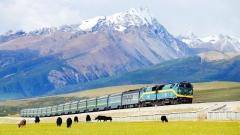
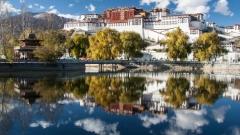
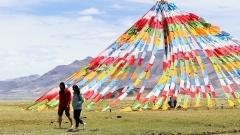
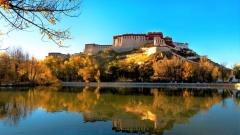
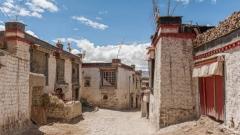
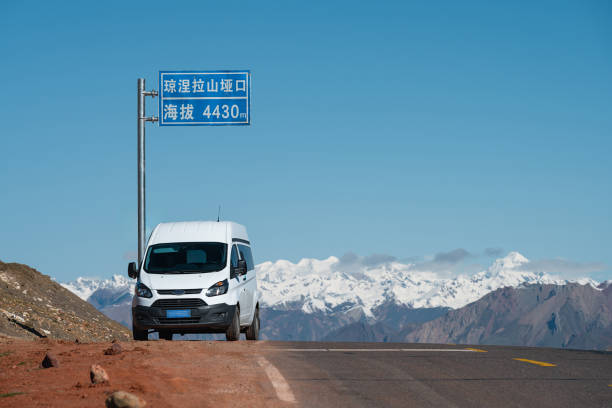
The Tea Horse Road is one of the most remarkable ancient trade routes in human history, winding through some of the most rugged and breathtaking landscapes on Earth. Stretching across southwestern China, this network of trails connected the tea-producing regions of Yunnan and Sichuan with the high-altitude plateaus of Tibet. For over a millennium, caravans of mules and horses carried heavy loads of compressed tea bricks northward, returning with Tibetan horses, medicinal herbs, and other valuable goods. Today, the Tea Horse Road stands not only as a testament to human endurance and cross-cultural exchange but also as a fascinating destination for travelers seeking authentic experiences far from crowded tourist hubs. Walking along these ancient paths offers a glimpse into a world where nature, commerce, and spirituality intertwined seamlessly.
Key Highlights:
- Ancient trade route linking Yunnan, Sichuan, and Tibet.
- Centuries of cultural exchange between Han, Tibetan, and Naxi peoples.
- Breathtaking natural scenery including snow-capped mountains and deep gorges.
- Well-preserved old towns like Shaxi and Lijiang along the trail.
- Modern trekking opportunities for adventurous travelers.
The Historical Origins of the Tea Horse Road
To understand the significance of the Tea Horse Road, one must look back at the deep historical roots that shaped southwestern China. The demand for tea in Tibet dates back many centuries. Living at extreme altitudes with a diet heavily reliant on meat and dairy, Tibetan people found that tea aided digestion and provided essential nutrients. However, the harsh climate of the Tibetan Plateau made growing tea impossible. Meanwhile, the Chinese imperial courts and military forces had an insatiable need for sturdy horses to defend their borders against nomadic cavalry. This mutual dependency gave birth to the “tea-horse trade,” a barter system where compressed tea bricks were exchanged for Tibetan warhorses.
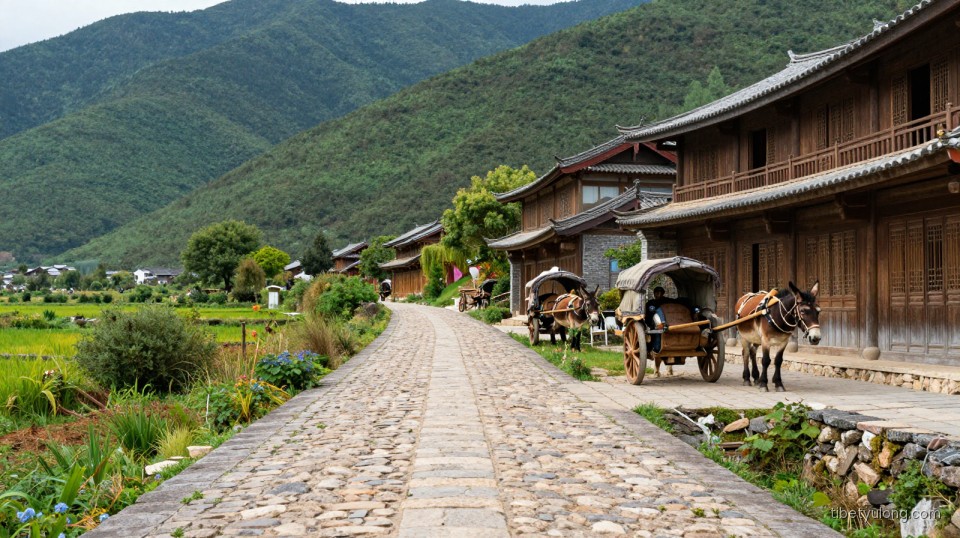
The routes that formed the Tea Horse Road were not built by engineers; they were carved out organically over generations by the hooves of pack animals and the footsteps of resilient porters. These trails traversed the Hengduan Mountains, crossed roaring rivers like the Mekong, Yangtze, and Salween, and climbed passes exceeding 4,000 meters in elevation. It was a perilous journey. Caravans faced unpredictable weather, landslides, bandits, and altitude sickness. Yet, the economic incentives and cultural ties were strong enough to keep the traffic flowing continuously. The trade peaked during various dynastic periods when state monopolies strictly regulated the exchange, ensuring that the empire maintained both its supply of horses and its political influence over the borderlands.
Cultural Exchange Along the Tea Horse Road
The Tea Horse Road was never just a commercial highway; it served as a vibrant corridor for cultural, religious, and social exchange. As merchants, monks, and travelers moved along the route, they brought with them languages, beliefs, and customs. Buddhism, particularly the Tibetan Vajrayana tradition, spread southward along these trails, leaving behind monasteries, prayer flags, and mani stones scattered throughout the valleys of Yunnan and Sichuan. Conversely, Han Chinese agricultural techniques, architectural styles, and Confucian ideals influenced the indigenous populations living along the route.
The Naxi people, primarily residing around Lijiang, played a crucial role as middlemen in this trade. Their unique Dongba religion and pictographic writing system reflect a blend of Tibetan, Han, and local animist traditions. Similarly, the Bai people in Dali developed a sophisticated culture heavily influenced by their position as a major trading hub on the Tea Horse Road. Markets became melting pots where dozens of ethnic groups interacted peacefully. You could hear Tibetan chants, Naxi folk songs, and Bai dialects echoing in the same courtyard. This continuous interaction fostered a spirit of tolerance and mutual respect that still defines the cultural landscape of southwestern China today. The legacy of this exchange is visible in the architecture of ancient towns, where Tibetan flat roofs blend seamlessly with Han-style courtyards and wooden carvings.
Essential Stops on the Tea Horse Road Route
Traveling the modern iterations of the Tea Horse Road reveals a string of historically significant towns and awe-inspiring natural landmarks. Each stop tells a different chapter of the route’s long story.
Shaxi Ancient Town
Often described as the best-preserved caravan town on the Tea Horse Road, Shaxi offers a quiet, uncommercialized atmosphere. Located halfway between Dali and Lijiang, its central square, known as Sifang Street, was once packed with mules loaded with tea. The ancient Sideng Theater stage and Xingjiao Temple stand as silent witnesses to the bustling trade days. Unlike more developed tourist centers, Shaxi retains its original cobblestone streets, earthen walls, and traditional wooden facades, making it a must-visit for history enthusiasts.
Lijiang Old Town
Lijiang is perhaps the most famous city associated with the Tea Horse Road. Its intricate canal system, stone bridges, and labyrinthine alleys reflect the ingenuity of the Naxi people. Historically, Lijiang was a major staging ground where caravans rested, restocked, and reorganized before tackling the treacherous mountain passes leading into Tibet. While it has grown into a popular destination, wandering away from the main squares early in the morning still reveals the quiet charm of its trading past.
Shangri-La and Deqin
Moving northward, the route enters the Tibetan cultural sphere. Shangri-La (formerly Zhongdian) served as a critical gateway. Here, the architecture shifts dramatically to thick-walled Tibetan houses adorned with colorful motifs. Further north lies Deqin and the sacred Meili Snow Mountain. For caravans on the Tea Horse Road, crossing the nearby passes was the most dangerous leg of the journey. Today, the region attracts trekkers and pilgrims alike, drawn by the pristine alpine environment and profound spiritual atmosphere.
Experiencing the Tea Horse Road Today
Modern travelers have several ways to experience the legacy of the Tea Horse Road. While the original function of transporting tea via mule caravans has largely been replaced by highways, the cultural and scenic value of the route remains intact. Many sections of the ancient trail have been restored for trekking. Hiking from Shaxi to Lijiang, or venturing into the deeper gorges of the Mekong River, allows visitors to walk in the literal footsteps of ancient traders. These treks range from gentle day walks to demanding multi-day expeditions requiring proper acclimatization.
For those who prefer a less strenuous approach, cycling tours and overland road trips following the general path of the Tea Horse Road are increasingly popular. Driving through Yunnan and western Sichuan provides constant visual rewards, from terraced tea plantations in Pu’er to vast grasslands in Litang. Local guesthouses and boutique hotels often incorporate traditional architecture, offering immersive stays. Participating in a traditional tea ceremony, tasting aged Pu’er tea, or learning about the preparation of Tibetan butter tea provides a sensory connection to the history of the trade route. Engaging with local guides ensures that travelers understand the nuanced histories of the various ethnic groups who called this route home.
Planning Your Journey with Tibet Yulong Travel
Navigating the remote and culturally diverse regions of the Tea Horse Road requires careful planning, especially when venturing into high-altitude areas or deeply rural villages. This is where experienced local operators make a significant difference. Tibet Yulong Travel specializes in crafting itineraries that explore the historical and natural wonders of southwestern China and Tibet. By leveraging deep local knowledge, Tibet Yulong Travel ensures that visitors can access hidden gems along the ancient trade routes safely and comfortably.
Whether you are interested in a guided trek through the untouched sections of the Tea Horse Road, a cultural tour focusing on Naxi and Tibetan heritage, or a comprehensive overland expedition from Yunnan into the heart of Tibet, professional logistical support is invaluable. High-altitude travel demands expertise in route planning, permit acquisition, and emergency preparedness. Tibet Yulong Travel provides tailored services that respect local customs and environments, allowing travelers to focus entirely on the profound beauty and history of the journey. Choosing a knowledgeable partner transforms a simple vacation into a deeply educational and memorable exploration of one of Asia’s greatest historical pathways.
Natural Landscapes of the Ancient Trade Corridor
Beyond history and culture, the sheer geographical drama of the Tea Horse Road is what captivates most visitors. The route cuts directly through the Three Parallel Rivers area, a UNESCO World Heritage site where the Yangtze, Mekong, and Salween rivers flow parallel to each other through impossibly deep gorges. The biodiversity here is staggering, ranging from subtropical forests at lower elevations to alpine meadows and glaciers near the peaks.
Travelers moving along the route will notice dramatic shifts in vegetation and climate within a single day’s journey. In spring, entire mountainsides are blanketed with blooming rhododendrons. In autumn, the forests turn into canvases of gold and crimson. The Tiger Leaping Gorge, located near Lijiang, remains one of the deepest river canyons in the world and a highlight for hikers tracing the broader network of the Tea Horse Road. The natural environment was both the greatest obstacle and the most beautiful companion for the ancient caravans, and it continues to define the character of the region today. Protecting these fragile ecosystems while promoting sustainable tourism is a priority for local communities striving to preserve their heritage for future generations.