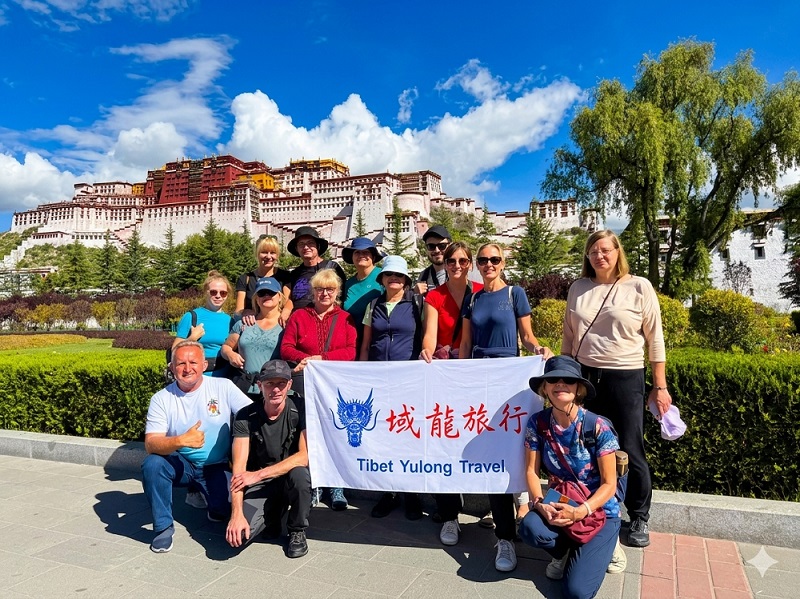
Stepping into the heart of Lhasa means stepping onto Barkhor Street, a place where time seems to fold upon itself. This ancient pilgrimage circuit is not merely a road; it is the spiritual and commercial artery of Tibet’s capital. Encircling the magnificent Jokhang Temple, Barkhor Street has welcomed pilgrims, merchants, and travelers for over thirteen centuries. Walking along its flagstones, you will hear the rhythmic murmur of mantras, smell the rich scent of burning juniper incense, and witness the vibrant daily life of Tibetan locals. Whether you are seeking spiritual enlightenment, historical architecture, or unique handicrafts, this destination offers an unparalleled experience. For those planning a comprehensive journey through the region, consulting experienced operators like Tibet Yulong Travel can help ensure every detail of your itinerary is perfectly arranged.
Key Highlights:
- A 1,300-year-old sacred pilgrimage circuit encircling Jokhang Temple.
- The most vibrant traditional marketplace in Lhasa.
- Clockwise walking direction is strictly observed by locals and visitors.
- Authentic Tibetan cuisine and sweet tea houses line the route.
- A living museum of Tibetan Buddhist culture and daily life.
The Historical Significance of Barkhor Street
To truly appreciate Barkhor Street, one must understand its deep historical roots. The street was established during the seventh century when King Songtsen Gampo built the Jokhang Temple to house a sacred statue of Buddha brought by his wife, Princess Wencheng of the Tang Dynasty. As the temple grew in religious importance, devotees began to walk around it as a form of worship. Over the centuries, this circular path evolved from a simple dirt track into a paved street, eventually becoming the bustling thoroughfare we see today.
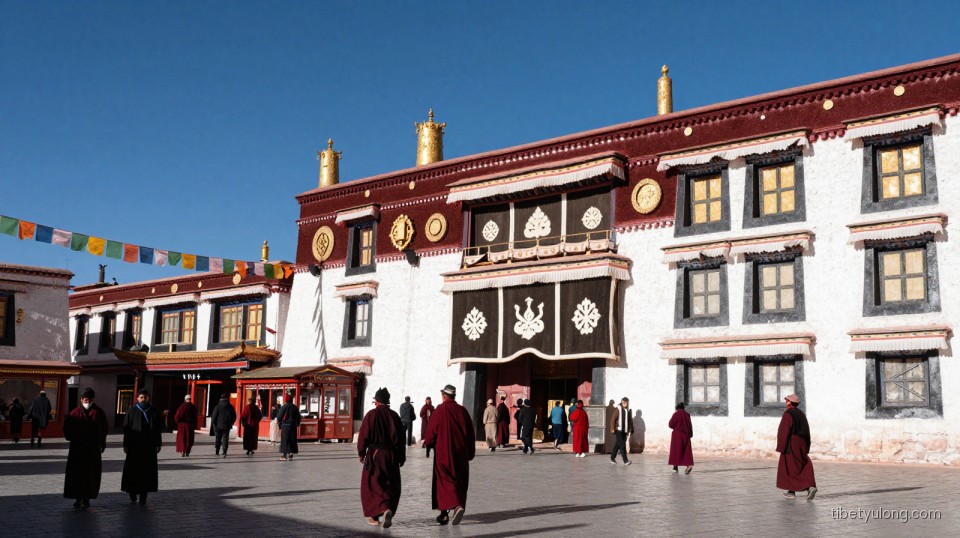
The name “Barkhor” translates roughly to “middle circuit” in Tibetan. In the traditional geography of Lhasa, there are three main pilgrimage routes. The innermost is the Nangkhor, located inside the Jokhang Temple. The middle circuit is Barkhor Street, which loops around the temple complex. The outermost is the Lingkhor, which historically encircled the entire old city of Lhasa. Of these three, the middle circuit remains the most famous and frequently traveled by both devout Buddhists and curious tourists.
Walking along Barkhor Street is akin to reading a living history book. The buildings lining the route feature traditional Tibetan architecture with whitewashed walls, dark wooden window frames, and colorful prayer flags fluttering in the high-altitude breeze. Many of these structures have stood for hundreds of years, surviving the test of time while continuing to serve as homes, shops, and monasteries. When organizing your visit, reliable agencies such as Tibet Yulong Travel often include guided historical walks here to provide deeper context to the architecture and heritage.
Experiencing the Kora on Barkhor Street
The primary activity on Barkhor Street is performing the “kora,” a sacred circumambulation around the Jokhang Temple. This practice is deeply embedded in Tibetan Buddhism, representing the continuous cycle of life, death, and rebirth. Thousands of people participate in this ritual every single day, making it one of the most spectacular cultural sights in Asia.
One absolute rule you must follow when visiting Barkhor Street is the direction of travel. Everyone—pilgrims, monks, tourists, and even stray dogs—moves in a clockwise direction. Walking counterclockwise is considered highly disrespectful and disrupts the spiritual flow of the kora. If you accidentally walk the wrong way, locals will politely but firmly guide you back into the correct stream of foot traffic.
As you join the flow of people, you will notice various forms of devotion. Many pilgrims spin handheld prayer wheels, their rhythmic clicking adding a percussive soundtrack to the murmured chants. Others carry larger prayer wheels or strings of mala beads. You will also encounter practitioners performing full-body prostrations. These devout individuals measure the length of the entire circuit with their bodies, sliding forward on wooden boards, standing up, praying, and sliding down again. Witnessing this level of physical dedication and spiritual focus is a profoundly moving experience that defines a visit to Barkhor Street.
Shopping and Handicrafts Along Barkhor Street
Beyond its religious significance, Barkhor Street functions as Lhasa’s premier open-air market. The stalls and shops lining the route offer an astonishing variety of goods, ranging from everyday necessities to exquisite religious artifacts. For collectors and souvenir hunters, it is a paradise of traditional craftsmanship.
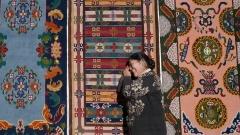
You will find vendors selling singing bowls made of various metal alloys, each producing a unique resonant tone when struck or rubbed. Thangka paintings, which are intricate scrolls depicting Buddhist deities, mandalas, and historical scenes, are widely available. Authentic thangkas require months of painstaking work using mineral pigments and gold leaf, making them valuable pieces of art. Prayer flags in five distinct colors—blue, white, red, green, and yellow, representing sky, air, fire, water, and earth—are sold in bundles, ready to be hung to spread blessings on the wind.
Jewelry is another major highlight. Artisans craft beautiful pieces using Tibetan silver, turquoise, coral, and amber. Yak bone jewelry and wooden carvings are also popular items. When shopping on Barkhor Street, bargaining is expected and forms part of the cultural exchange. Approach negotiations with a smile and respect. If you prefer a curated shopping experience without the hassle of haggling, guides from Tibet Yulong Travel can recommend reputable, fixed-price artisan workshops just off the main square.
Culinary Delights Near Barkhor Street
Exploring Barkhor Street requires energy, and the surrounding area provides plenty of opportunities to taste authentic Tibetan cuisine. The food here reflects the harsh, high-altitude environment, relying heavily on barley, yak meat, and dairy products to provide warmth and sustenance.
No visit is complete without trying yak butter tea. Served in almost every establishment, this savory beverage combines strong black tea with fresh yak butter and salt. While the taste might surprise first-time visitors accustomed to sweet teas, it is incredibly effective at combating altitude fatigue and keeping the body warm. Sweet tea, influenced by neighboring cultures, is also widely consumed and generally more palatable for international travelers.
For solid meals, look for momos, which are Tibetan dumplings filled with minced yak meat, vegetables, or cheese. They can be steamed or fried and are usually served with a spicy chili dipping sauce. Thukpa, a hearty noodle soup loaded with meat and vegetables, is perfect for chilly mornings or evenings. Tsampa, roasted barley flour mixed with butter tea to form a dough-like staple, is the traditional everyday food of the Tibetan nomads and can be sampled in local eateries. Taking a break in one of the traditional teahouses overlooking the bustling square allows you to rest your legs while observing the endless river of pilgrims below.
Practical Travel Tips for Visiting Barkhor Street
Preparing properly for a trip to Barkhor Street ensures a comfortable and respectful experience. Lhasa sits at an elevation of approximately 3,650 meters (nearly 12,000 feet). Altitude sickness is a genuine concern for new arrivals. It is highly recommended to spend your first two days in Lhasa resting, staying hydrated, and avoiding strenuous physical exertion before attempting the full kora around Barkhor Street.
Dress modestly out of respect for the sacred nature of the site. Shoulders and knees should be covered, especially if you plan to step inside the Jokhang Temple, which serves as the focal point of the street. Comfortable, sturdy walking shoes are essential, as the stone-paved paths can be uneven and the circuit covers roughly one kilometer.
Photography is generally welcomed on the street, but etiquette is crucial. Always ask for permission before taking close-up portraits of pilgrims, monks, or local vendors. Some individuals may decline, and their wishes must be respected immediately. Photography inside the Jokhang Temple itself is usually restricted or requires a specific fee, so check the current regulations at the entrance.
The best times to walk the circuit are early morning or late afternoon. During dawn, the light is soft, and the crowds consist mostly of devout locals beginning their day. In the late afternoon, the golden hour casts long shadows across the white walls, creating stunning photographic conditions. Midday tends to bring larger tourist groups and intense sunlight.
Navigating the logistics of traveling to Tibet requires special permits, including the Tibet Travel Permit, which cannot be obtained independently by foreign passport holders. You must book through a registered travel agency. Partnering with established professionals like Tibet Yulong Travel simplifies this process significantly. They handle all necessary paperwork, arrange transportation, secure accommodations, and provide knowledgeable local guides who can translate the complex cultural nuances you will encounter on Barkhor Street.
Ultimately, a walk around this ancient circuit is much more than a sightseeing activity. It is an immersion into a living, breathing culture that has maintained its traditions against the backdrop of modern changes. The chanting voices, the smell of juniper smoke, the flash of turquoise in the market stalls, and the unwavering faith of the pilgrims combine to create an atmosphere unlike anywhere else on Earth. Taking the time to walk slowly, observe carefully, and engage respectfully guarantees that your experience on Barkhor Street will remain a defining memory of your travels.