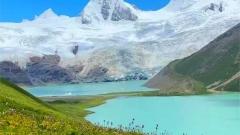
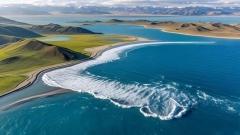
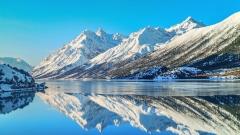
Ngari Prefecture sits in the far western reaches of the Tibetan Plateau, offering landscapes so vast and untouched that they feel otherworldly. Home to Mount Kailash, Lake Manasarovar, and the ancient ruins of the Guge Kingdom, this region draws adventurers, pilgrims, and photographers from across the globe. However, traveling to Ngari is not like visiting a typical tourist destination. The extreme elevation, remote infrastructure, and strict travel regulations demand thorough preparation before you even pack your bags. Whether you are seeking spiritual enlightenment or raw natural beauty, understanding the realities of this journey is crucial for your safety and enjoyment.
Before diving into the details, here is a quick summary of the most important things to know:
- Altitude sickness is a serious risk due to elevations exceeding 4,500 meters.
- Special travel permits beyond the standard Tibet entry documents are mandatory.
- Weather conditions are harsh, with massive temperature drops between day and night.
- Road infrastructure is basic, requiring long drives over rugged terrain.
- Accommodation and dining options are limited outside the main towns.
Understanding the Extreme Altitude When Traveling to Ngari
The most critical factor to consider when traveling to Ngari is the sheer elevation. Shiquanhe, the administrative center of Ngari Prefecture, sits at roughly 4,300 meters above sea level. Popular destinations within the region, such as the base of Mount Kailash or the shores of Lake Manasarovar, push well past 4,500 meters. At these heights, oxygen levels are less than sixty percent of what you experience at sea level, making altitude sickness a very real and potentially dangerous threat.
Acute Mountain Sickness (AMS) can affect anyone, regardless of age, fitness level, or previous high-altitude experience. Symptoms range from mild headaches, dizziness, and shortness of breath to severe complications like pulmonary or cerebral edema. To mitigate these risks, proper acclimatization is non-negotiable. Most travelers spend several days in Lhasa, which sits at a relatively lower 3,650 meters, allowing their bodies to adjust before heading west. Rushing the ascent is one of the most common mistakes visitors make.
It is highly recommended to consult a doctor before your trip to discuss preventive medications like acetazolamide. During the journey, stay hydrated, avoid alcohol and heavy exertion, and listen to your body. If symptoms worsen, descending to a lower elevation is the only reliable cure. Carrying portable oxygen cylinders is also a standard practice for those exploring the deeper parts of the prefecture.
Permits and Regulations Required for Traveling to Ngari
Foreign travelers cannot simply book a flight and explore Tibet independently. Traveling to Ngari requires navigating a specific set of bureaucratic hurdles that go beyond standard Chinese visas. First, you must obtain a Tibet Travel Permit, which allows you to enter the Tibet Autonomous Region. This permit is generally arranged through a registered travel agency and requires your passport and visa details.
However, because Ngari is located near sensitive border areas, including frontiers shared with India and Nepal, an additional Alien Travel Permit (also known as a PSB permit) is required. Furthermore, if your itinerary includes areas close to the international borders, a Military Border Pass may also be necessary. These documents are strictly enforced at various checkpoints along the highways leading into the prefecture. Without them, you will be turned back.
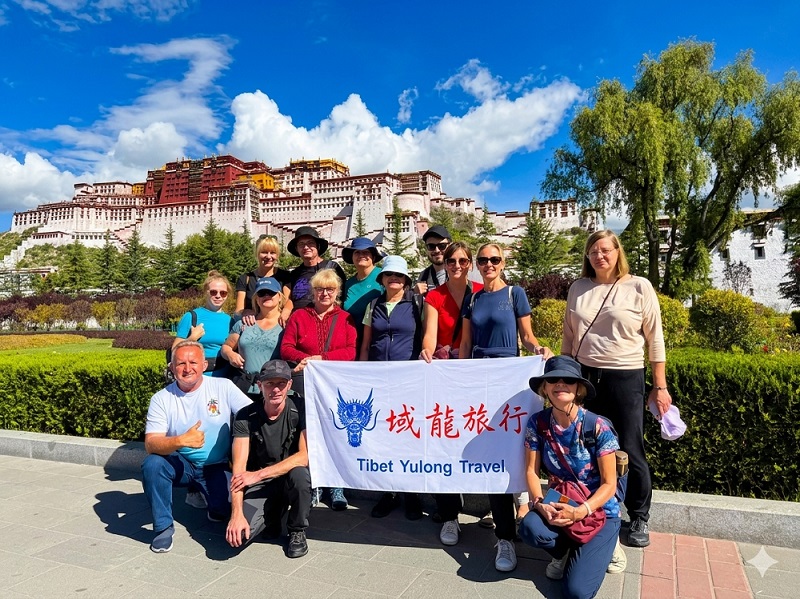
All foreign nationals must travel with a licensed guide and use a registered vehicle. Independent backpacking is not permitted in this part of Tibet. Planning ahead is essential, as processing these permits can take several weeks. Working with an experienced operator like Tibet Yulong Travel ensures that all paperwork is handled correctly and efficiently, preventing unexpected delays or denied entries at checkpoints. They specialize in organizing compliant itineraries that meet all local regulatory requirements, allowing you to focus entirely on the experience rather than the logistics.
Weather Patterns and the Best Time for Traveling to Ngari
The climate in Ngari is defined by its extremes. It is one of the coldest and driest regions on the Tibetan Plateau, characterized by intense solar radiation during the day and freezing temperatures at night, even in the summer months. Understanding these patterns is vital for packing appropriately and choosing the right time for your visit.
The most favorable window for traveling to Ngari falls between May and October. During these months, daytime temperatures become manageable, often hovering around 10 to 15 degrees Celsius, though nights will still drop below freezing. The skies are generally clear, offering unobstructed views of the Himalayas and the sacred peaks. July and August bring the monsoon season to much of Tibet, but Ngari remains relatively dry compared to the eastern regions, though occasional rainstorms can make dirt roads muddy and difficult to navigate.
Winter, from November through April, is brutally cold. Temperatures routinely plunge to minus 20 degrees Celsius or lower, and heavy snowfall frequently blocks mountain passes, cutting off access to major sites. Strong winds sweep across the barren landscape, creating dangerous wind-chill factors. Unless you are specifically prepared for extreme winter expeditions, it is best to avoid this season entirely. Regardless of when you visit, layering your clothing is the best strategy. Bring thermal base layers, insulating mid-layers, and a windproof, waterproof outer shell.
Transportation and Routes for Traveling to Ngari
Reaching Ngari is an expedition in itself. The sheer distance and challenging terrain mean that getting there requires patience and physical endurance. There are two primary ways to reach the region: by air or by road.
Ngari Gunsa Airport offers flights connecting to Lhasa and sometimes other major cities like Chengdu or Kashgar. Flying is the fastest option, taking roughly two hours from Lhasa. However, the sudden jump in altitude—from 3,650 meters in Lhasa to over 4,200 meters in Shiquanhe—drastically increases the risk of severe altitude sickness. Many medical professionals advise against flying directly into Ngari without prior acclimatization at intermediate elevations.
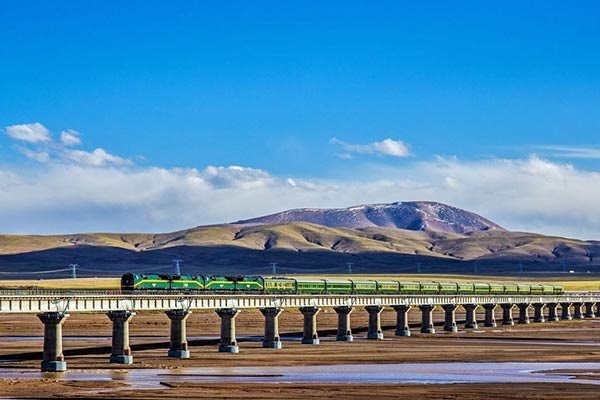
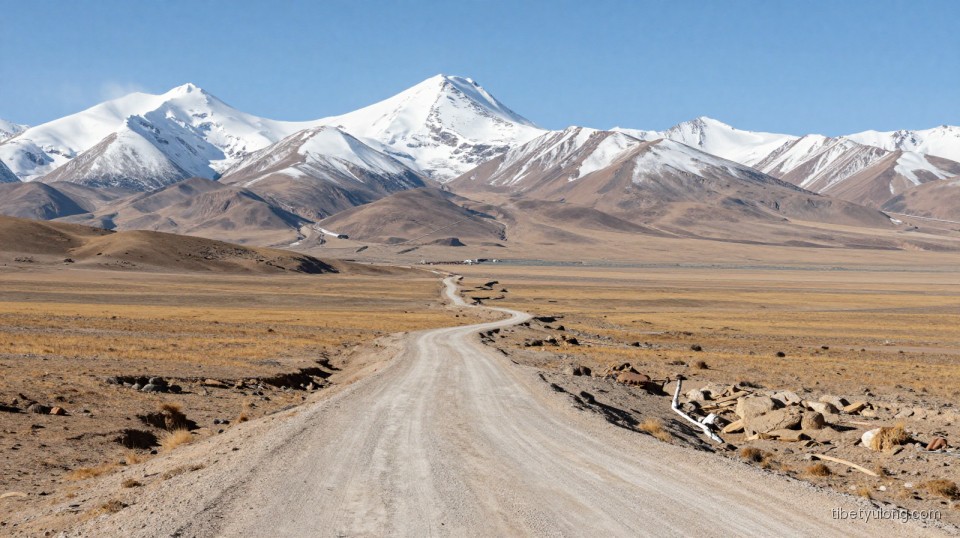
Overland travel is the preferred method for most adventurers. The drive from Lhasa to Ngari covers approximately 1,500 kilometers and typically takes three to four days, depending on the route and stops. The Southern Route passes through Shigatse, Saga, and eventually reaches the Mount Kailash area. This path is popular because it offers a gradual increase in elevation and passes stunning sights like Yamdrok Lake and the Gyirong Valley. The Northern Route traverses the desolate Changtang plateau, offering incredible wildlife viewing opportunities but featuring rougher roads and fewer facilities. Both routes require sturdy, four-wheel-drive vehicles driven by experienced locals who understand the unpredictable road conditions.
Health, Food, and Accommodation Realities
When traveling to Ngari, leaving behind expectations of luxury hotels and diverse culinary scenes is necessary. Infrastructure in western Tibet is basic and heavily focused on utility rather than comfort. In Shiquanhe, the largest town, you will find a reasonable selection of guesthouses and small hotels offering private rooms, hot water, and heating. However, once you venture toward Mount Kailash, Lake Manasarovar, or the Guge Kingdom ruins, accommodations downgrade significantly to simple guesthouses or nomadic tent camps where amenities are sparse.
Food options are similarly limited. Local Tibetan restaurants serve staples like tsampa (roasted barley flour), yak butter tea, and noodle soups. Small eateries run by Sichuan migrants offer rice dishes, stir-fries, and dumplings, which tend to be the most accessible meals for international visitors. Fresh vegetables and fruits are scarce and expensive due to the long transport distances. It is highly advisable to bring your own supply of high-calorie snacks, energy bars, nuts, and instant foods to supplement your diet during long driving days or treks.
Medical facilities in Ngari are minimal. While there is a hospital in Shiquanhe equipped to handle basic emergencies and altitude sickness, specialized care requires evacuation back to Lhasa or mainland China. Carrying a comprehensive personal first-aid kit—including painkillers, gastrointestinal medication, blister pads, and any personal prescriptions—is absolutely essential. Sun protection is another health priority; the UV index at this altitude is extreme, meaning high-SPF sunscreen, lip balm, sunglasses, and wide-brimmed hats are daily necessities.
Cultural Sensitivity and Environmental Respect
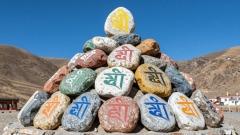
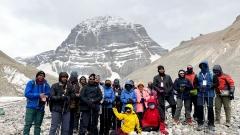
Ngari is not just a geographical wonder; it is a deeply sacred landscape. Mount Kailash is revered by four religions—Buddhism, Hinduism, Jainism, and Bon—as the center of the universe. Thousands of pilgrims undertake the arduous kora (circumambulation) around the mountain every year. As a visitor, demonstrating respect for these traditions is paramount. Always walk clockwise around religious monuments, mani stones, and lakes. Never point your feet toward altars or monks, and always ask for permission before photographing local people or religious ceremonies.
Environmental conservation is equally critical. The ecosystem in Ngari is incredibly fragile. High-altitude vegetation takes decades to grow, and litter does not decompose easily in the cold, dry air. Adopt a strict leave-no-trace philosophy. Carry out all your waste, including biodegradable items, and avoid using single-use plastics whenever possible. Stick to established trails during treks to prevent soil erosion and protect the delicate alpine flora. By respecting both the culture and the environment, you help preserve the pristine nature of this extraordinary region for future generations of explorers.