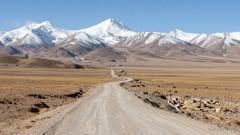
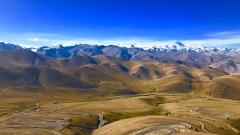
Sitting at the westernmost edge of the Tibetan Plateau, Ngari is a destination that demands effort but rewards travelers with landscapes and cultural experiences found nowhere else on Earth. Often referred to as the “Roof of the Roof of the World,” this remote prefecture sits at an average elevation exceeding 4,500 meters. For those wondering about the best things to do in Ngari, the region offers a profound mix of spiritual pilgrimage, rugged wilderness, and archaeological mysteries. It is not a place for casual sightseeing; it requires preparation, respect for the altitude, and a genuine spirit of adventure. Whether you are drawn by the sacred geometry of Mount Kailash or the haunting beauty of vanished kingdoms, exploring Ngari is a transformative experience.
Before diving into the details, here is a quick summary of the key highlights you must include in your itinerary:
- Circumambulate the sacred Mount Kailash on a multi-day trek.
- Explore the dramatic cliffside ruins of the ancient Guge Kingdom.
- Witness the turquoise waters of Lake Manasarovar and the dark shores of Lake Rakshastal.
- Discover hidden geological wonders in the Zanda Earth Forest.
- Experience the nomadic culture around Pangong Tso lake.
The Sacred Pilgrimage: Trekking Mount Kailash in Ngari
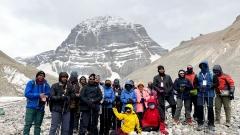
No list detailing the best things to do in Ngari is complete without mentioning Mount Kailash. Rising to 6,638 meters, this strikingly symmetrical peak is not just a mountain; it is the spiritual axis of the world for four major religions: Hinduism, Buddhism, Jainism, and Bon. Unlike other Himalayan giants that attract mountaineers, Kailash remains unclimbed out of deep religious reverence. Instead, pilgrims and trekkers undertake the kora, a 52-kilometer circumambulation around the base of the mountain.
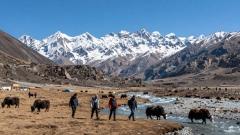
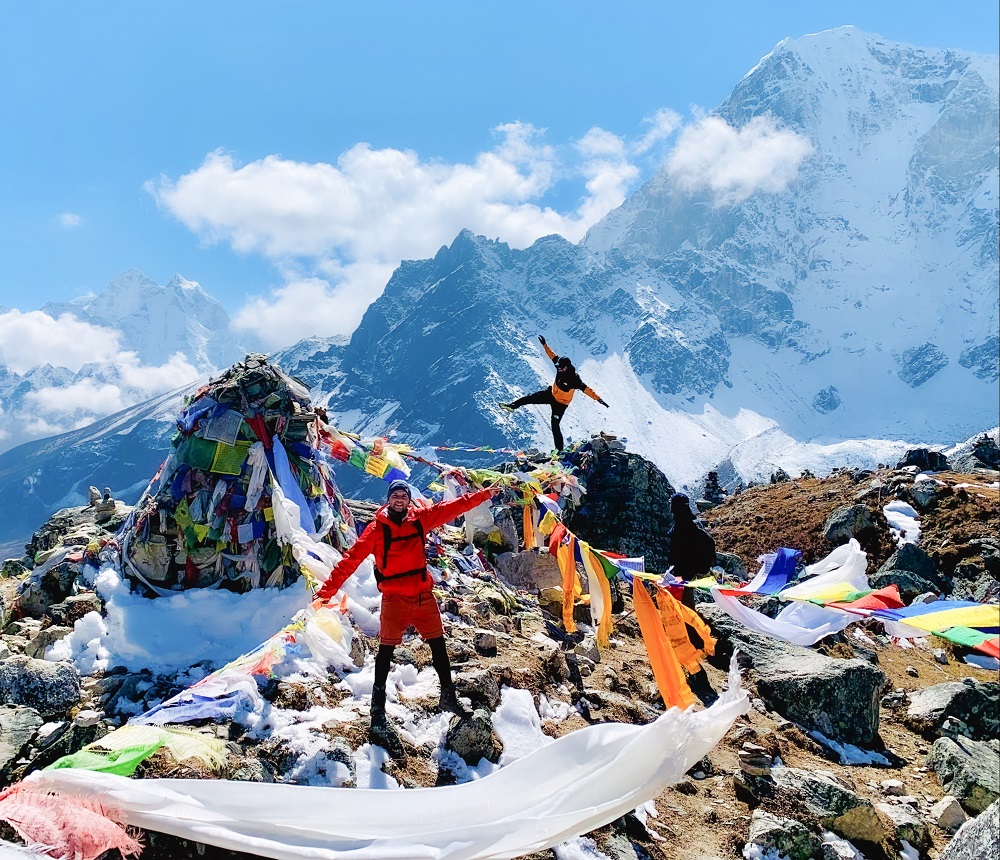
The standard kora takes three days to complete. The journey begins in the small settlement of Darchen, winding through vast river valleys before ascending toward the Dolma La Pass, the highest point of the trek at roughly 5,630 meters. Crossing this pass is physically demanding due to the thin air, but the panoramic views of the surrounding peaks and glaciers make every labored step worthwhile. Along the route, you will encounter monasteries like Dirapuk and Zutulpuk, where monks chant prayers against the backdrop of sheer rock faces. Even if you are not deeply religious, walking alongside devoted pilgrims who have traveled thousands of miles to prostrate themselves along this path provides a humbling perspective on human faith and endurance.
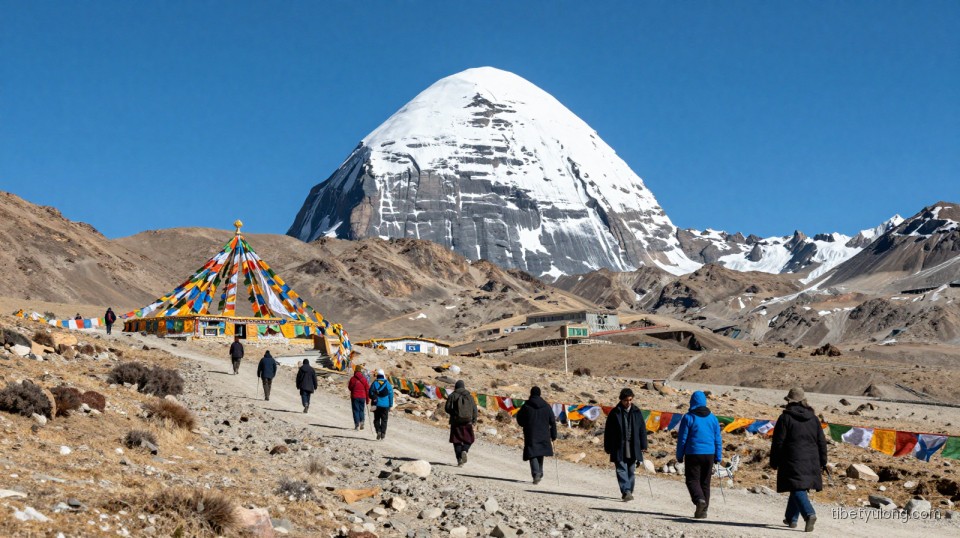
Proper acclimatization is absolutely critical before attempting the kora. Spending several days resting in Darchen or nearby towns allows your body to adjust to the extreme altitude. Hiring local yaks or horses to carry heavy gear is common practice and supports the local nomadic economy. When planning this specific adventure in Ngari, many experienced travelers recommend consulting specialized agencies like Tibet Yulong Travel. Their logistical expertise ensures you have the necessary permits, reliable transportation, and knowledgeable guides who understand both the physical demands of the trek and the cultural etiquette required when visiting such a profoundly sacred site.
Exploring the Mysteries of the Ancient Guge Kingdom
While Mount Kailash draws spiritual seekers, the ruins of the Guge Kingdom attract history enthusiasts and photographers. Located near the town of Zanda, this once-powerful empire mysteriously collapsed in the 17th century, leaving behind a sprawling complex of caves, temples, and fortifications carved directly into a towering clay mesa.
Exploring the Guge Kingdom is one of the most visually stunning things to do in Ngari. The architecture seems to grow organically out of the earth, with hundreds of interconnected rooms stacked vertically up the hillside. At its peak, Guge was a vital hub on the trans-Himalayan trade routes, connecting Tibet with Kashmir and Central Asia. Today, visitors can climb through narrow tunnels and staircases to reach the upper levels, where the royal palaces and main temples are situated.
Inside the surviving temples, remarkably preserved murals depict Buddhist deities, historical figures, and scenes of daily life. These paintings showcase a unique artistic style that blends Tibetan, Nepalese, and Kashmiri influences, reflecting the kingdom’s cosmopolitan past. The sudden fall of Guge remains a subject of historical debate, adding an aura of mystery to the silent, wind-swept ruins. Wandering through these empty halls as the late afternoon sun casts long shadows across the canyon floor is an unforgettable experience.
Marveling at the Zanda Earth Forest
Just a short drive from the Guge Kingdom ruins lies another geological masterpiece: the Zanda Earth Forest (also known as the Zanda Clay Forest). This vast expanse of eroded terrain looks less like a part of our planet and more like the surface of Mars. Over millions of years, wind and water have sculpted the soft sedimentary rock into towering pillars, deep ravines, and bizarre formations that stretch as far as the eye can see.
Walking among these earthen spires is one of the most surreal things to do in Ngari. The landscape changes color dramatically depending on the time of day. During sunrise and sunset, the clay formations glow in vibrant shades of gold, red, and orange, making it a paradise for landscape photographers. There are no marked trails through the deepest parts of the forest, so exploring with a local guide is highly recommended to avoid getting lost in the labyrinthine canyons. The sheer scale of the Earth Forest serves as a powerful reminder of the geological forces that shaped the Tibetan Plateau.
Experiencing the Twin Lakes: Manasarovar and Rakshastal
At the foot of Mount Kailash lie two lakes that represent the duality of nature and spirituality: Lake Manasarovar and Lake Rakshastal. Though located just a few kilometers apart, they are strikingly different in character, appearance, and mythological significance.
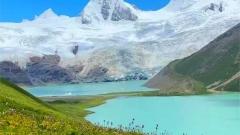
Lake Manasarovar is considered one of the holiest bodies of water in Asia. Its name translates to “Lake of Consciousness” in Sanskrit. On clear days, the water reflects the sky in brilliant shades of turquoise and sapphire. Pilgrims believe that bathing in or drinking the water of Manasarovar cleanses sins accumulated over lifetimes. Walking along its shores, often shared with flocks of migratory birds and grazing yaks, brings a profound sense of peace. It is easily one of the most serene things to do in Ngari.
In stark contrast, neighboring Lake Rakshastal is known as the “Demon Lake.” Shaped like a crescent moon, its waters are darker, and according to local legend, it represents the forces of darkness, while Manasarovar represents light. Interestingly, Rakshastal has no visible outlet, yet it does not overflow, which historically added to its mystique. Viewing both lakes together from the Gossul Monastery or the Hor Qu valley provides a fascinating study in contrasts and deepens your understanding of the region’s rich mythology.
Encountering Pangong Tso on the Ngari Border
Although Pangong Tso stretches across the border between Tibet and India, the Tibetan side offers a uniquely pristine and less commercialized perspective of this famous high-altitude lake. Situated at about 4,350 meters above sea level, Pangong Tso is renowned for its mesmerizing color shifts, transitioning from deep blue to emerald green depending on the sunlight and depth.
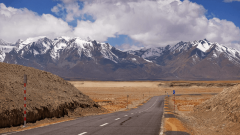
Visiting the Tibetan shores of Pangong Tso is among the top scenic things to do in Ngari. The journey to the lake involves crossing high mountain passes, offering sweeping views of the arid, lunar-like landscape characteristic of western Tibet. Once you arrive, the silence is absolute, broken only by the gentle lapping of water against the rocky shore. Because the lake is saline, it freezes solid during the harsh winter months, but in summer, it teems with birdlife, including bar-headed geese and brown-headed gulls. Camping near the lake (where permitted) allows you to witness some of the clearest stargazing conditions on the planet, free from any light pollution.
Immersing in Nomadic Culture and Wildlife
Beyond the monumental landmarks, one of the most rewarding things to do in Ngari is simply observing the rhythm of daily life on the Changtang plateau. This vast, high-altitude steppe is home to semi-nomadic herders who have adapted to one of the harshest environments on Earth for centuries. Their lives revolve around their livestock—primarily yaks, sheep, and goats—and the seasonal migration to find suitable pasture.
If you travel through Ngari with a respectful and culturally sensitive approach, you may have the opportunity to interact with these communities. Sharing a cup of salted butter tea inside a traditional yak-hair tent offers genuine insight into a lifestyle that has remained largely unchanged for generations. The Changtang is also a vital wildlife sanctuary. As you traverse the open plains, keep your eyes peeled for Tibetan antelopes (chiru), wild asses (kiang), and occasionally, the elusive Tibetan fox or snow leopard. Spotting these animals in their natural, untamed habitat adds a thrilling dimension to any journey through western Tibet.
Practical Tips for Visiting Ngari
Traveling to Ngari requires careful planning due to its extreme remoteness and altitude. First and foremost, foreign travelers must obtain a Tibet Travel Permit, as well as additional Alien Travel Permits specifically for the Ngari Prefecture. These documents cannot be acquired independently; they must be arranged through a registered travel agency as part of an organized tour.
Altitude sickness is the primary health concern. Since Ngari’s average elevation is significantly higher than Lhasa, gradual acclimatization is non-negotiable. Spend ample time at intermediate altitudes before pushing further west. Pack layers of warm clothing, even in summer, as temperatures can plummet below freezing at night. Sun protection—including high SPF sunscreen, sunglasses, and wide-brimmed hats—is essential due to the intense UV radiation at high elevations.
Road conditions in Ngari have improved over recent years, but long driving days on rough terrain are still standard. Reliable vehicles, experienced drivers, and comprehensive logistical support are crucial for a safe trip. This is why partnering with seasoned operators like Tibet Yulong Travel makes a significant difference. They provide well-maintained transport, handle the complex permit processes, and offer guides who know exactly how to manage itineraries safely in this unforgiving yet beautiful environment.
Ultimately, deciding to explore this remote corner of Tibet means embracing discomfort in exchange for unparalleled beauty. From the spiritual heights of Mount Kailash to the silent ruins of forgotten empires, the best things to do in Ngari challenge the body and expand the mind. It is a journey reserved for the truly adventurous, promising memories that will last a lifetime.