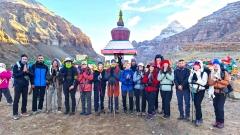
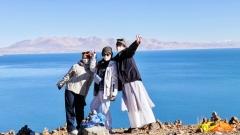
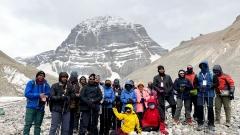
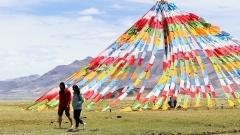
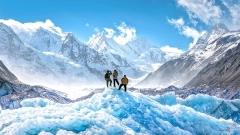
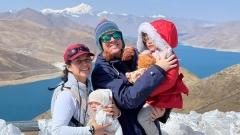
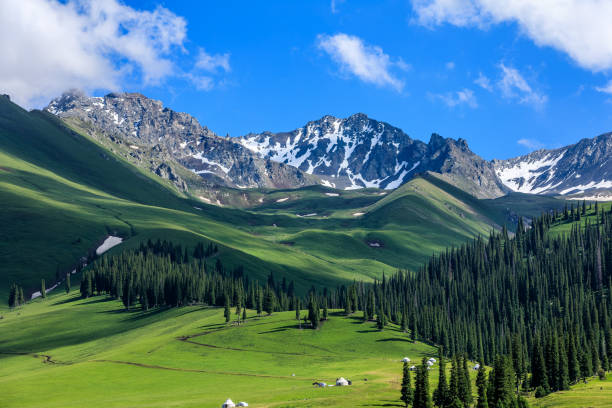
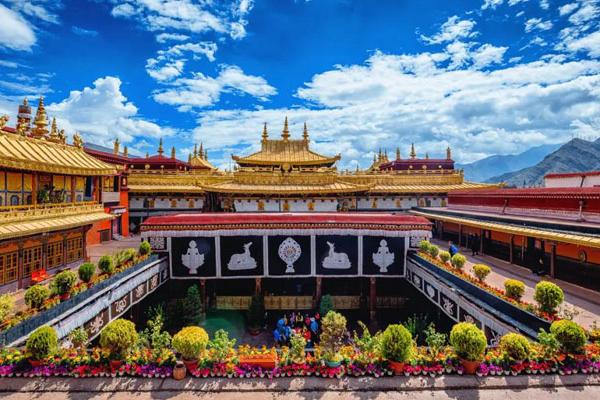
October marks one of the most rewarding periods to explore the Tibetan Plateau. As summer monsoons retreat, the skies clear, revealing deep blue canopies over snow-capped peaks. Understanding Tibet Weather in October is essential for anyone planning a journey to this high-altitude region. During this month, daytime temperatures are generally comfortable, while nights grow significantly colder. The dry conditions make trekking, sightseeing, and photography exceptionally rewarding. Whether you are visiting Lhasa or venturing to Everest Base Camp, knowing what to expect will help you pack appropriately and plan your daily itinerary without surprises.
Key Takeaways:
- Daytime temperatures range from 10°C to 16°C in major cities.
- Nighttime temperatures frequently drop below freezing.
- Rainfall is minimal, offering clear skies for mountain views.
- Intense UV radiation requires strong sun protection.
- Layered clothing is essential due to large daily temperature swings.
Understanding Tibet Weather in October: Temperature and Climate Overview
When travelers research Tibet Weather, October consistently stands out as a transitional month between the mild, wet summer and the harsh, frigid winter. The plateau sits at an average elevation exceeding 4,000 meters, meaning the atmosphere is thin and holds very little heat once the sun dips below the horizon. In central areas like Lhasa and Shigatse, daytime highs typically hover between 14°C and 16°C (57°F to 61°F). Under direct sunlight, it can feel surprisingly warm, allowing visitors to explore temples and streets in light layers. However, once the shadows lengthen in the late afternoon, temperatures plummet rapidly. Nighttime lows in these central hubs usually fall between -2°C and 2°C (28°F to 35°F).
The defining characteristic of Tibet Weather in October is the massive diurnal temperature variation. It is not uncommon to experience a twenty-degree swing between midday and midnight. This phenomenon occurs because the thin air lacks the moisture needed to trap solar radiation. Consequently, the ground heats up quickly during the day but loses that warmth just as fast at night. Humidity levels remain very low throughout the month, making the cold feel crisp rather than damp. While the dry air is excellent for keeping gear and trails free of mud, it can be tough on the skin and respiratory system. Staying hydrated becomes a critical part of acclimatizing to both the altitude and the arid climate.
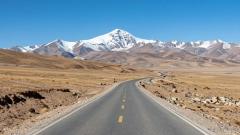
Precipitation during this period is virtually non-existent compared to the summer months. The monsoon season officially ends by late September, leaving October with mostly cloudless days. This lack of rain is precisely why photographers and mountaineers favor this window. Without heavy cloud cover obscuring the Himalayas, visibility reaches its annual peak. You can often see distant mountain ranges with startling clarity from hundreds of kilometers away. Wind speeds begin to pick up toward the end of the month as winter atmospheric patterns start to establish themselves, but early to mid-October remains relatively calm.
Regional Variations in Tibet Weather During October
Because the Tibetan Plateau covers a vast geographical area with dramatic elevation changes, Tibet Weather in October varies significantly depending on your specific destination. Treating the entire region as having a single climate is a common mistake that leads to poor packing choices and uncomfortable travel experiences.
Lhasa and Central Tibet
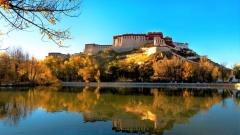
Lhasa, sitting at roughly 3,650 meters, enjoys some of the mildest conditions on the plateau. The city benefits from a slightly lower elevation and its position in a river valley, which offers some protection from harsh winds. In October, Lhasa experiences abundant sunshine, earning its nickname “City of Sunlight.” Daytime walks around the Barkhor Street or visits to the Potala Palace are highly pleasant. Evenings require a good insulated jacket, but extreme sub-zero temperatures are rare until November.
Mount Everest Base Camp and High Altitudes
If your itinerary includes Mount Everest Base Camp (EBC) at over 5,200 meters, the reality of Tibet Weather shifts dramatically. Daytime temperatures here rarely exceed 5°C to 8°C (41°F to 46°F), even under bright sunshine. At night, temperatures routinely plunge to -10°C to -15°C (14°F to 5°F) or lower. The wind chill factor at EBC can make it feel significantly colder. October is considered one of the final safe windows to visit EBC before winter storms make the roads treacherous and the cold unbearable for most travelers. The clear skies, however, offer unparalleled views of the north face of Everest, completely free of the summer cloud caps.
Nyingchi and Eastern Tibet
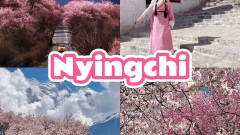
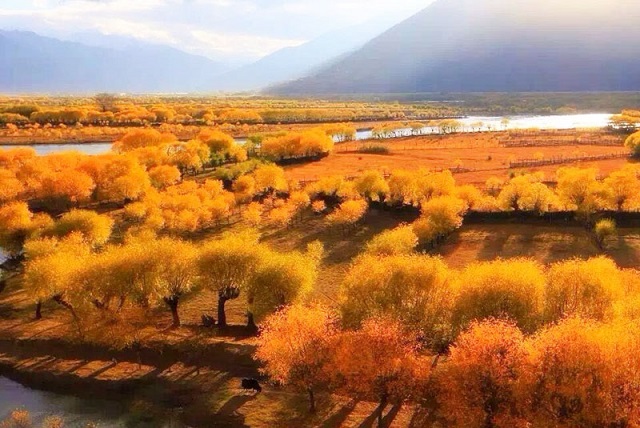
Eastern Tibet, particularly the Nyingchi region, presents a stark contrast to the arid west. Sitting at a lower elevation of around 2,900 meters and influenced by moisture traveling up the Yarlung Tsangpo River gorge, Nyingchi is warmer and more humid. Tibet Weather in October here feels closer to a traditional autumn in temperate zones. Daytime highs reach 16°C to 18°C (60°F to 64°F), and nights rarely drop far below freezing. This region is famous for its autumn foliage, as dense forests of birch and pine turn brilliant shades of gold and red. It is an ideal destination for those who find the extreme cold of higher elevations daunting.
Ngari and Western Tibet
Western Tibet, home to Mount Kailash and Lake Manasarovar, is remote and unforgiving. Elevations here consistently exceed 4,500 meters. By October, the brief summer has entirely vanished. Daytime temperatures struggle to reach 8°C (46°F), and nights are deeply frozen. Snowfall becomes increasingly possible as the month progresses. Travelers heading to Ngari must be prepared for severe cold and potential road closures due to early winter snows.
How Tibet Weather in October Affects Your Packing List
Adapting to the local climate requires a strategic approach to clothing. Because of the extreme temperature fluctuations inherent to Tibet Weather in October, the layering system is not just recommended; it is mandatory. Relying on a single heavy coat will leave you sweating during sunny afternoons and shivering when clouds pass overhead.
Start with a moisture-wicking base layer. Merino wool or synthetic thermal underwear works best. Avoid cotton, as it retains sweat and will rapidly cool your body when temperatures drop. Over this, add an insulating mid-layer, such as a fleece jacket or a lightweight down vest. This layer traps body heat during the chilly mornings and evenings. Finally, your outer layer should be a windproof and waterproof hard shell. Even though rainfall is scarce, the wind at high altitudes cuts through soft fabrics easily.
Accessories are equally important. A warm beanie, insulated gloves, and a thick scarf or neck gaiter are essential for early morning excursions and high-altitude viewpoints. Sunglasses with high UV protection are non-negotiable. The combination of high altitude, thin atmosphere, and reflective surfaces like snow or dry lake beds means UV exposure is intense. Sunburn can occur in minutes, so apply high-SPF sunscreen generously and reapply throughout the day. Lip balm with SPF and heavy moisturizers will combat the extremely dry air, preventing cracked skin and bleeding lips.
Footwear should consist of sturdy, broken-in hiking boots with thick wool socks. If you are visiting monasteries, remember that you will frequently need to remove your shoes, so wearing boots that are easy to slip on and off saves time and frustration. Thermal insoles can add extra comfort if you plan to spend long hours standing at places like EBC.
Travel Tips for Navigating Tibet Weather in October
Understanding the climate is only half the preparation. Managing your health and itinerary around Tibet Weather in October ensures a smooth journey. The dry air accelerates dehydration, which compounds the effects of altitude sickness. Drink significantly more water than you normally would, aiming for three to four liters daily. Avoid alcohol and excessive caffeine during your first few days, as both dehydrate the body further.
Plan your outdoor activities strategically. Schedule strenuous hikes, monastery visits, or photography sessions for the middle of the day, between 11:00 AM and 3:00 PM, when the sun is highest and temperatures are most forgiving. Use the early mornings and late evenings for rest or indoor cultural experiences. This simple adjustment makes a massive difference in comfort levels.
Road conditions are generally excellent in early October due to the dry weather. However, high mountain passes, such as the Gyatso La or Semo La, can experience sudden overnight freezes or unexpected early snowstorms. Always build buffer days into your itinerary. If a pass closes temporarily due to ice, having flexibility prevents your entire trip from derailing. Hiring experienced local drivers who understand the micro-climates of specific mountain passes is highly advisable.
For travelers seeking a seamless experience navigating these unique seasonal conditions, working with specialized agencies like Tibet Yulong Travel can be incredibly beneficial. They possess deep local knowledge regarding how Tibet Weather in October impacts specific routes, ensuring your itinerary accounts for temperature drops, optimal viewing times, and safe driving conditions across the plateau. Their expertise helps bridge the gap between anticipating the climate and actually thriving in it, allowing you to focus entirely on the breathtaking landscapes rather than logistical worries.
Photographers should take advantage of the golden hours. The low angle of the autumn sun casts long, dramatic shadows across the valleys and illuminates the mountains in rich, warm tones. Because the air is so dry and free of dust or humidity, colors appear more saturated than at almost any other time of the year. Bring extra camera batteries, as the cold drains lithium-ion cells much faster than usual. Keep spare batteries inside your inner jacket pockets close to your body heat until you are ready to use them.
Ultimately, experiencing the Tibetan Plateau during this transitional season offers a perfect balance of accessibility and raw natural beauty. The retreating rains leave behind pristine landscapes, while the dropping temperatures bring a crisp clarity to the air. By respecting the environment, preparing adequately for the cold, and understanding the regional differences in climate, your autumn journey to the roof of the world will be unforgettable.