High on the roof of the world, movement speaks where words fall short. Tibetan Dance is far more than a sequence of choreographed steps; it is a living archive of history, spirituality, and communal identity forged over centuries in one of the planet’s most demanding environments. From the rhythmic stomping of village circles to the masked rituals of monastery courtyards, this art form captures the resilience and devotion of the Tibetan people. Whether you are a cultural traveler or an enthusiast of global performing arts, understanding these traditions offers a profound window into Himalayan life.
Key Highlights:
- Tibetan Dance encompasses diverse styles rooted in daily life and religion.
- Circle dances foster deep community bonds across the plateau.
- Monastic Cham dance serves as a sacred spiritual practice.
- Traditional costumes and instruments are integral to the performance.
- Live performances remain accessible during regional festivals and guided tours.
The Origins and Evolution of Tibetan Dance
The roots of Tibetan Dance stretch back to pre-Buddhist times, originating from the ancient Bon religion and the pastoral lifestyle of nomadic tribes. Early movements mimicked the behavior of local wildlife—eagles soaring, yaks grazing, and snow leopards prowling—as well as the agricultural rhythms of planting and harvesting. These physical expressions were initially practical, serving as ways to communicate across vast distances, celebrate successful hunts, or ward off natural disasters through ritualistic movement.
With the introduction of Buddhism to the plateau, these indigenous practices underwent a significant transformation. Rather than erasing the old traditions, Buddhist teachings absorbed and recontextualized them. Animistic gestures were woven into religious narratives, turning secular celebrations into acts of spiritual merit. Over the centuries, Tibetan Dance evolved into a sophisticated system that balances earthly joy with transcendent devotion. Today, it remains a dynamic tradition, continuously adapting while fiercely protecting its core ancestral elements. This seamless blend of the sacred and the everyday makes the study of Tibetan Dance essential for anyone seeking to understand the region’s complex cultural fabric.
Major Styles of Tibetan Dance You Should Know
Because the Tibetan plateau spans vast geographic areas with distinct micro-cultures, there is no single monolithic style of Tibetan Dance. Instead, several major forms have developed, each reflecting the specific lifestyle and geography of its practitioners.
Guozhuang: The Circle Dance of Unity
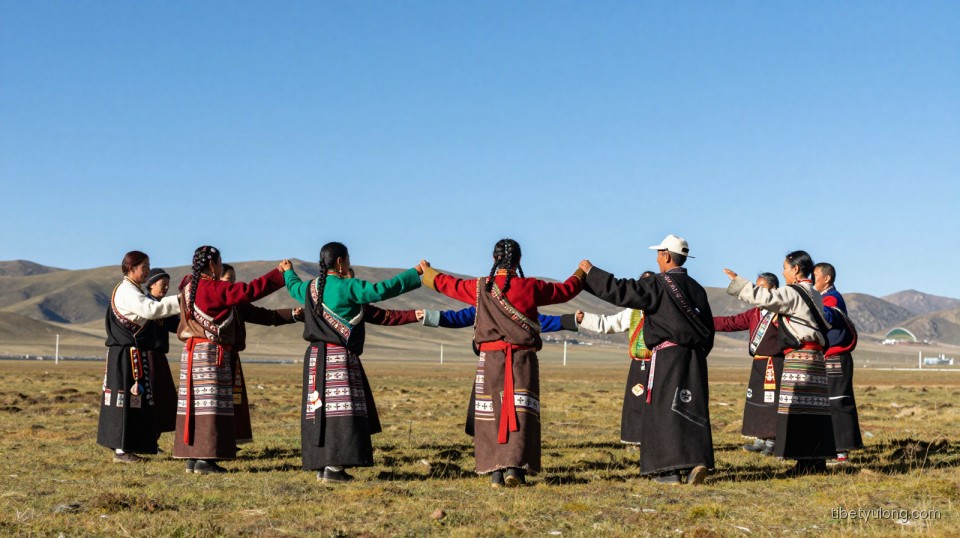
Guozhuang, which translates roughly to “circle dance,” is perhaps the most widespread and socially significant form of Tibetan Dance. Performed by men and women together, dancers link arms or hold hands to form a large circle around a central fire or a pot of barley wine. The movement begins slowly, with gentle swaying and soft singing, gradually accelerating into vigorous stamping and energetic leaps as the tempo increases. Guozhuang is not merely entertainment; it is a social glue. It is performed at weddings, harvest festivals, and casual evening gatherings, reinforcing egalitarian values and communal harmony. The songs accompanying the dance often recount local legends, praise the beauty of the landscape, or express romantic sentiments.
Xie: The Elegant Tap Dance
Originating primarily in the Lhasa and Shigatse regions, Xie (sometimes referred to as tap dance due to the rhythmic footwork) represents a more refined and theatrical style of Tibetan Dance. Unlike the sprawling outdoor circles of Guozhuang, Xie is often performed in smaller groups or even solo, emphasizing grace, precise footwork, and upper-body fluidity. Dancers wear boots with hard soles that strike the wooden floors of courtyards or stages in complex, syncopated rhythms. Historically associated with urban centers and aristocratic gatherings, Xie incorporates poetic lyrics and subtle, expressive hand gestures. It demands years of practice to master the delicate balance between percussive footwork and elegant arm movements.
Reba: The Acrobatic Art of Kham
In the eastern regions of Kham, Tibetan Dance takes on a wilder, more acrobatic character through the Reba tradition. Reba performers are historically itinerant artists who travel from village to village, offering spectacular shows in exchange for food and shelter. This style integrates drumming, bell-ringing, gymnastics, and dramatic storytelling. Male dancers execute rapid spins, flips, and high jumps while beating handheld drums, while female dancers perform intricate, flowing movements with large copper bells attached to their bodies. Reba is physically demanding and visually striking, representing the rugged vitality of the eastern plateau. It is a comprehensive performance art that blends music, theater, and dance into a single, breathless spectacle.
Sacred Rhythms: Cham Dance in Monasteries
While many forms of Tibetan Dance are secular and celebratory, the Cham dance is strictly religious. Performed exclusively by trained monks within monastery courtyards, Cham is a highly codified ritual rather than a public entertainment. Dancers wear massive, elaborately carved wooden masks representing deities, demons, animals, and historical figures. The heavy, layered brocade costumes restrict movement, forcing dancers into slow, deliberate, and deeply symbolic gestures.
Every step, turn, and mudra (hand gesture) in a Cham performance follows strict scriptural guidelines designed to subdue negative forces, purify the environment, and impart moral lessons to the lay audience watching from the periphery. The most famous Cham festivals occur during events like the Monlam Prayer Festival or specific monastery anniversaries. The musical accompaniment relies on deep, resonant instruments—long copper horns (dungchen), cymbals, and large frame drums—that create a hypnotic, vibrating atmosphere. Witnessing a Cham performance is considered a spiritually purifying experience, blurring the line between performing arts and active meditation.
Costumes, Masks, and Musical Instruments
The visual and auditory elements surrounding Tibetan Dance are as important as the choreography itself. Costumes vary dramatically by region but generally feature vibrant colors, heavy fabrics suited for the cold climate, and intricate embroidery. Women often wear elaborate headdresses adorned with turquoise, coral, amber, and silver coins, which chime softly with every movement, adding an organic layer of percussion to the dance. Men typically wear long-sleeved robes (chubas) tied at the waist, allowing the voluminous sleeves to whip through the air during energetic spins, creating striking visual trails.
Masks are predominantly reserved for Cham and certain folk dramas. Carved from wood or crafted from papier-mâché, they are painted in vivid hues—wrathful deities in dark blues and reds, peaceful figures in white and gold. The craftsmanship of these masks is a sacred art passed down through generations of specialized artisans.
Musically, Tibetan Dance relies heavily on indigenous instruments. The dramyin, a traditional lute with six strings, provides melodic accompaniment for many folk dances. Handheld drums (damaru) and large ceremonial drums dictate the rhythm, while singers use a distinctive vocal style characterized by deep resonance and wide vibrato. The interplay between the musicians and dancers is highly interactive; a skilled drummer will watch the dancers’ feet, adjusting the tempo to match their energy, making every live performance a unique, unrepeatable event.
Experiencing Tibetan Dance as a Traveler
For travelers venturing to the plateau, witnessing authentic Tibetan Dance requires timing and local knowledge. While some tourist-oriented restaurants in Lhasa offer dinner shows featuring abbreviated versions of Guozhuang and Xie, the most profound experiences happen organically in rural villages or during major religious festivals. Timing your visit to coincide with events like the Shoton Festival, the Litang Horse Racing Festival, or local harvest celebrations guarantees exposure to unrehearsed, passionate performances deeply embedded in community life.
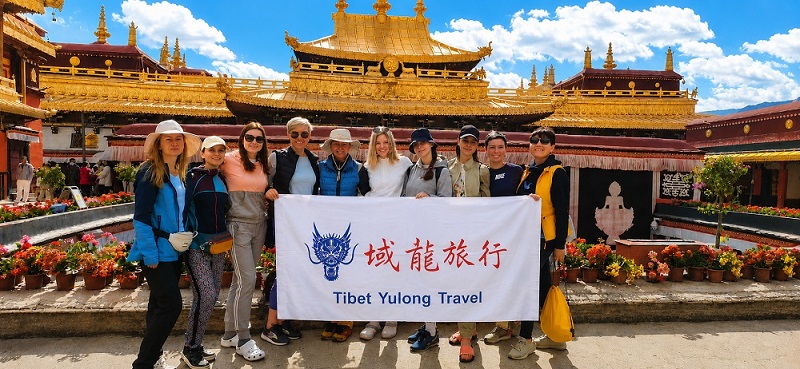
Navigating the logistics of reaching remote villages and understanding festival schedules can be challenging for independent travelers. Engaging with experienced local operators like Tibet Yulong Travel ensures that visitors are respectfully integrated into these cultural events without disrupting local traditions. Knowledgeable guides can explain the nuances of the movements, translate the accompanying songs, and arrange visits to monasteries where Cham rehearsals might be observed. By traveling with specialists who maintain strong relationships with local communities, visitors gain access to genuine cultural exchanges rather than staged spectacles, ensuring that the legacy of these ancient traditions is supported and preserved.
Preserving the Legacy of Movement
Like many indigenous art forms globally, traditional Tibetan Dance faces pressures from modernization, urbanization, and shifting youth interests. However, concerted efforts are underway to safeguard this heritage. Regional governments and cultural organizations have documented numerous styles, integrating them into school curriculums and supporting annual folk arts competitions. Furthermore, the growing interest from international cultural tourists provides economic incentives for younger generations to learn and maintain their ancestral dances.
Master teachers in remote villages continue to pass down the intricate footwork of Xie and the acrobatic demands of Reba to dedicated students. The survival of Tibetan Dance relies on this continuous chain of transmission—from elder to youth, from monastery to village square. As long as the fires are lit for the Guozhuang circles and the monastery horns sound for the Cham rituals, the heartbeat of the plateau will continue to express itself through the profound, enduring language of dance.