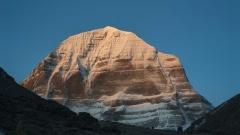
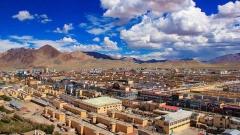
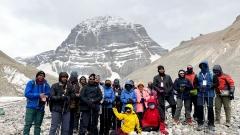
Mount Kailash stands as one of the most sacred peaks on Earth, revered by Hindus, Buddhists, Jains, and Bon followers alike. Located in the remote Ngari Prefecture of western Tibet, reaching this spiritual destination requires careful planning, physical preparation, and an understanding of the complex logistics involved. Many travelers wonder exactly how to navigate the vast Tibetan plateau to stand at the foot of this majestic 6,638-meter peak. This comprehensive guide breaks down every viable route, transportation method, and necessary preparation step required for the journey.
Key Takeaways:
- Fly or take a train to Lhasa before heading west toward Mount Kailash.
- Secure all mandatory Tibet Travel Permits well in advance through a registered agency.
- The overland drive from Lhasa takes roughly three to four days via the southern route.
- Crossing from Nepal requires a specific border visa and group travel arrangement.
- Acclimatization is critical; spend several days adjusting to high altitudes before traveling further west.
Primary Routes to Reach Mount Kailash
Understanding how to get to Mount Kailash begins with selecting your starting point. There are three main gateways used by international and domestic travelers: Lhasa, Kathmandu, and Kashgar. Each offers a distinct experience, varying levels of difficulty, and different logistical requirements. Choosing the right path depends heavily on your available time, budget, and desire for scenic exploration versus direct transit.
Starting from Lhasa: The Most Popular Route to Mount Kailash
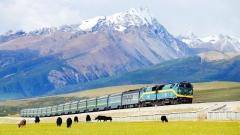
The vast majority of travelers begin their Mount Kailash pilgrimage or trek in Lhasa, the capital of the Tibet Autonomous Region. Getting to Lhasa itself is straightforward. You can fly directly into Lhasa Gonggar Airport from major Chinese cities like Chengdu, Beijing, Chongqing, or Xining. Alternatively, taking the Qinghai-Tibet Railway offers a spectacular, gradual ascent onto the plateau, which is highly recommended for initial altitude acclimatization.
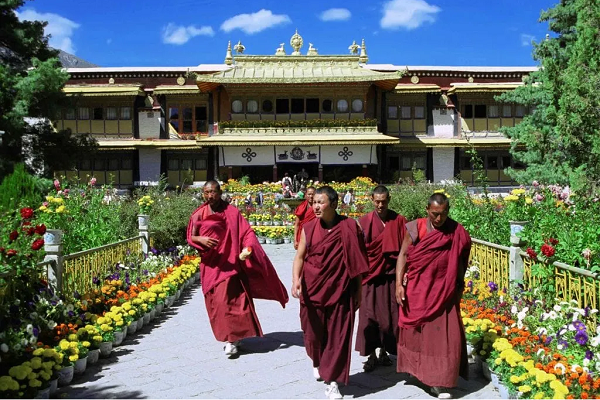
Once in Lhasa, you must spend at least two to three days exploring local monasteries and resting to allow your body to adjust to the 3,650-meter elevation. From Lhasa, the journey to Mount Kailash covers approximately 1,200 to 1,500 kilometers, depending on the exact road taken. Travelers typically hire a private Land Cruiser or join a guided tour vehicle, as public transportation does not service the remote stretches near the mountain.
There are two primary driving routes from Lhasa:
The Southern Route (via Shigatse and Saga): This is the most commonly used path. It passes through Gyantse, Shigatse, Lhatse, and Saga before reaching Darchen, the base village for the Mount Kailash kora (circumambulation). The roads have been significantly upgraded over recent years, mostly paved, making the drive smoother. This route usually takes three full days of driving, with overnight stops in Shigatse and Saga or Zanda.
The Northern Route (via Ali/Shiquanhe): Less frequented by standard tourists but favored by serious adventurers, this route goes through the Changtang plateau. It is wilder, higher in average elevation, and offers incredible views of untouched landscapes and wildlife. However, road conditions are rougher, and facilities are extremely sparse. It generally takes longer and requires more robust vehicles and supplies.
Entering from Nepal: Crossing the Border to Mount Kailash
For travelers already in South Asia, crossing from Nepal into Tibet to visit Mount Kailash is a thrilling option. The journey starts in Kathmandu. You will travel overland to the Gyirong border crossing, which serves as the primary entry point between Nepal and Tibet for foreign travelers.
The process involves driving from Kathmandu to the Nepalese border town of Rasuwagadhi, crossing the Friendship Bridge on foot, and then meeting your Tibetan guides and vehicles at Gyirong Port on the Chinese side. From Gyirong, it is about a two-day drive through Saga to reach Darchen at the base of Mount Kailash.
This route requires special coordination. Foreign nationals cannot cross this border independently. You must be part of an organized tour with pre-arranged Chinese Group Visas and Tibet Travel Permits processed specifically for the Nepal-Tibet border crossing. Flights between Kathmandu and Lhasa exist, but if your ultimate goal is Mount Kailash, the overland route from Gyirong is much more geographically efficient since it enters Tibet closer to the western regions.
The Xinjiang Approach: Driving from Kashgar to Mount Kailash
Travelers coming from northwestern China can approach Mount Kailash from Kashgar in the Xinjiang Uyghur Autonomous Region. This route follows the famous Xinjiang-Tibet Highway (G219), one of the highest and most challenging paved roads in the world.
The drive from Kashgar to Darchen spans over 1,500 kilometers and crosses multiple mountain passes exceeding 5,000 meters in elevation, including the notorious Jishan Pass. Because you ascend to extreme altitudes very rapidly compared to the Lhasa route, the risk of severe altitude sickness is significantly higher. This route is strictly recommended only for experienced travelers who have already spent time at high elevations. It usually takes three to four days of intense driving, passing through the desolate yet breathtaking landscapes of the Kunlun Mountains and the Aksai Chin region before descending into Ngari Prefecture.
Essential Permits Required for Mount Kailash
No discussion on how to get to Mount Kailash is complete without addressing the strict bureaucratic requirements. Independent travel to Mount Kailash is not permitted for foreign passport holders. You must book your trip through a registered Tibetan travel agency, which will handle all paperwork on your behalf.
You will need the following documents:
- Tibet Travel Permit (TTP): Issued by the Tibet Tourism Bureau, this is mandatory for entering Tibet and boarding flights or trains to Lhasa.
- Aliens’ Travel Permit (PSB Permit): Required for traveling outside Lhasa into restricted areas like Ngari Prefecture where Mount Kailash is located. Your guide will help arrange this once you are in Tibet.
- Military Permit: Necessary because the Mount Kailash region borders sensitive areas near India and Nepal.
- Chinese Visa: Or a Chinese Group Visa if entering from Nepal.
Processing these permits takes time, often several weeks, so booking your tour well in advance is absolutely crucial. Agencies like Tibet Yulong Travel specialize in navigating these complex permit processes, ensuring that all legal documentation is secured smoothly so you can focus entirely on the spiritual and physical aspects of your journey rather than administrative hurdles.
Transportation Methods and Road Conditions
When figuring out how to get to Mount Kailash, understand that the final leg of the journey is exclusively overland. There are no airports or train stations near the mountain. The closest airport is Ngari Gunsa Airport in Shiquanhe, which receives flights from Lhasa, Urumqi, and sometimes Chengdu. If you choose to fly into Ngari, you still face a roughly 250-kilometer drive (about 4 to 5 hours) south to Darchen.
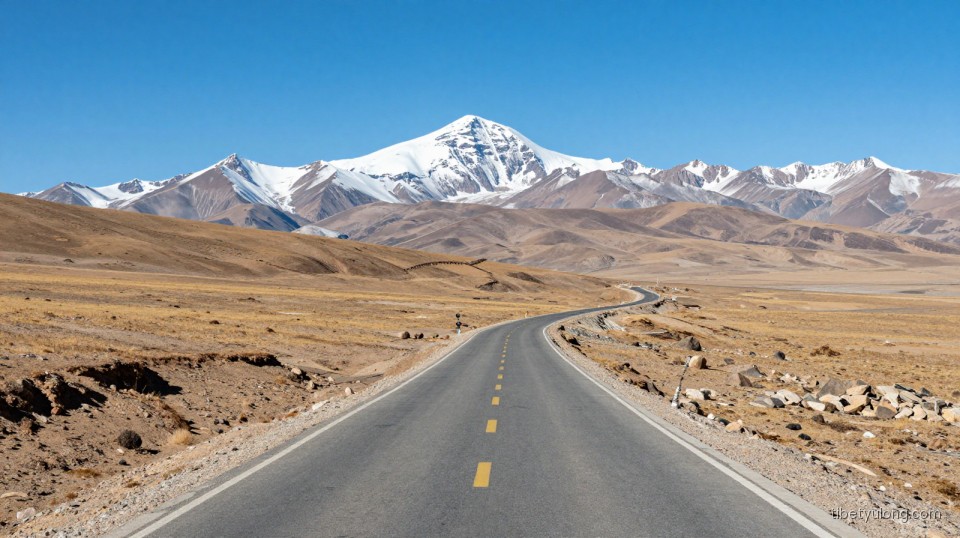
Most travelers opt for the full overland drive from Lhasa. The vehicles used are typically Toyota Land Cruisers or similar rugged 4x4s, capable of handling occasional unpaved sections, sudden weather changes, and long distances between fuel stations. While the G219 and G318 highways connecting Lhasa to the western regions are largely paved and in good condition, landslides, construction, or heavy snowfall can occasionally cause delays. Hiring experienced local drivers who know the terrain intimately is non-negotiable for safety.
Best Time to Plan Your Mount Kailash Journey
Timing dictates not just the comfort but the feasibility of your trip. The optimal window to travel to Mount Kailash is from May to June and September to October. During these months, the weather is relatively stable, daytime temperatures are manageable, and the mountain passes are generally clear of heavy snow.
July and August constitute the monsoon season. While temperatures are warmer, heavy rainfall can make roads muddy, trigger landslides, and obscure the peak behind thick clouds. Winter months (November through April) bring extreme cold, heavy snowfall, and frequent road closures, making the journey dangerous and often impossible. Planning your logistics around these favorable windows ensures a safer and more visually rewarding experience.
Preparing Physically for the High Altitude
Reaching Mount Kailash means spending extended periods above 4,500 meters, with the Dolma La Pass on the kora sitting at 5,630 meters. Physical preparation is paramount. Begin cardiovascular training months in advance. More importantly, build strategic acclimatization into your itinerary. Do not rush the drive from Lhasa. Spend nights at progressively higher elevations—Lhasa (3,650m), Shigatse (3,800m), Saga (4,500m)—to allow your body to adapt naturally.
Carry prescribed altitude sickness medication after consulting your doctor, stay aggressively hydrated, avoid alcohol during the first few days, and eat light meals. Listen to your body; if symptoms of Acute Mountain Sickness worsen, descending immediately is the only safe option. Working with seasoned operators such as Tibet Yulong Travel guarantees that your itinerary includes sensible pacing, proper oxygen supplies in vehicles, and knowledgeable guides trained to monitor your health throughout the expedition to Mount Kailash.