The Tibetan Mastiff is one of the most ancient and revered dog breeds in the world, originating from the high-altitude plateaus of Central Asia. Known for their imposing size, thick double coats, and fierce loyalty, these dogs have served as protectors of nomadic tribes, monasteries, and livestock for thousands of years. Today, the Tibetan Mastiff continues to captivate dog enthusiasts globally due to its noble appearance and independent temperament. Whether you are a prospective owner researching breed characteristics or a traveler fascinated by the culture of the Himalayas, understanding this remarkable animal provides deep insight into life on the roof of the world. This comprehensive guide explores the history, physical traits, behavioral tendencies, and care requirements of the breed, while also touching upon how encountering these dogs enriches cultural journeys through Tibet.
Key Takeaways:
- Ancient guardian breed originating from the Himalayan plateau.
- Massive build featuring a dense, weather-resistant double coat.
- Fiercely loyal and highly protective of family and territory.
- Requires early socialization, firm training, and ample space.
- Deeply connected to traditional nomadic cultures and regional travel.
The Ancient History of the Tibetan Mastiff
The lineage of the Tibetan Mastiff stretches back thousands of years, making it one of the oldest purebred dogs in existence. Historical records and genetic studies suggest that these dogs evolved alongside nomadic herders in the harsh, unforgiving environments of the Himalayas and the Qinghai-Tibet Plateau. They were not merely pets; they were essential working animals tasked with guarding flocks of sheep and yaks against formidable predators such as snow leopards, wolves, and bears. Their massive size and fearless nature made them perfectly suited for this role.
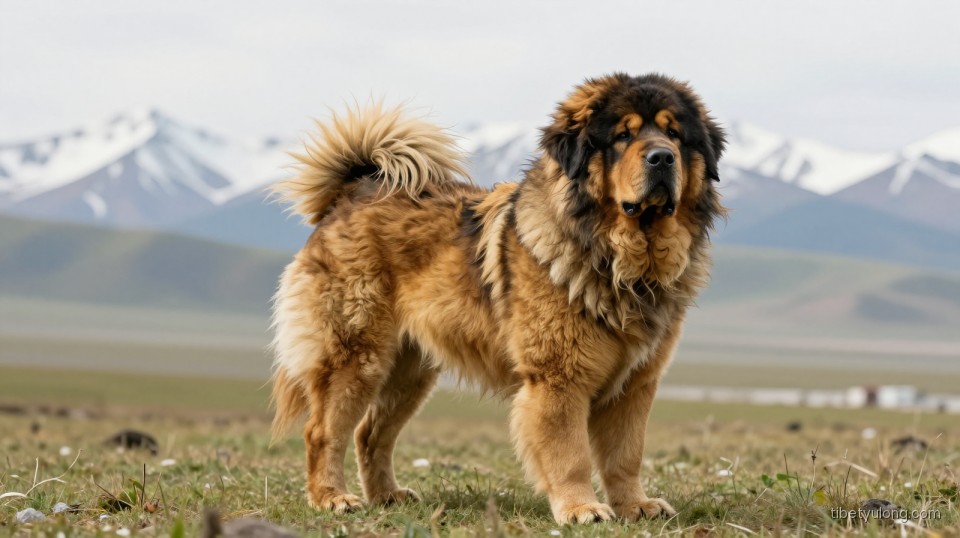
Beyond protecting livestock, the Tibetan Mastiff was historically employed to guard Buddhist monasteries and the estates of local chieftains. Monks valued these dogs for their deep, resonant barks, which could be heard echoing across vast mountain valleys, warning of approaching strangers or wild animals. The breed remained relatively isolated in its native region for centuries, which helped preserve its primitive characteristics and distinct genetic makeup. It was not until the mid-nineteenth century that the first specimens were brought to Europe, where they quickly became objects of fascination among aristocrats and early cynologists. Despite their global spread today, the essence of the breed remains deeply tied to its ancestral homeland.
Physical Characteristics of the Tibetan Mastiff
When discussing large dog breeds, the Tibetan Mastiff stands in a class of its own regarding sheer mass and presence. Males typically stand at least 26 inches tall at the shoulder, though many exceed this height, and they can weigh anywhere from 90 to over 150 pounds. Females are slightly smaller but equally robust. Their bone structure is heavy, giving them a powerful, grounded stance that reflects their historical purpose as immovable guardians.
The most striking feature of the Tibetan Mastiff is its luxurious double coat. The outer layer consists of long, coarse guard hairs that repel moisture and dirt, while the undercoat is incredibly dense and woolly, providing vital insulation against freezing temperatures and high-altitude winds. During warmer months, they shed this heavy undercoat profusely. Coat colors vary widely, including solid black, black and tan, brown, various shades of gold, blue, and gray. Many individuals sport distinctive lighter markings above their eyes, on their chest, and on their legs, which some local legends claim represent the watchful eyes of the gods or the marks left by monks’ fingers.
Their heads are broad and massive, featuring a strong, square muzzle and a pronounced stop. The ears are medium-sized, V-shaped, and hang close to the head, lifting slightly when the dog is alert. A thick mane of hair around the neck and shoulders gives mature males a distinctly lion-like appearance, further enhancing their intimidating silhouette.
Temperament and Behavior of the Tibetan Mastiff
Understanding the temperament of a Tibetan Mastiff is crucial before considering bringing one into a home. Unlike many modern companion breeds developed solely for affection, this dog retains strong primitive instincts. They are inherently independent, aloof with strangers, and intensely territorial. They do not seek constant approval from their owners, preferring instead to patrol their domain and observe their surroundings with quiet vigilance.
Within their family unit, a well-raised Tibetan Mastiff is profoundly loyal, gentle, and patient, particularly with children they have grown up alongside. However, their protective drive means they will instinctively position themselves between their family and any perceived threat. This guardian instinct operates primarily at night; historically, these dogs were tethered outside during the day to rest and released at dusk to patrol the camp. Even in modern domestic settings, they tend to be more active and vocal after dark.
Because of their independent nature and immense strength, they are not recommended for first-time dog owners. They require a handler who understands canine psychology and can establish calm, consistent leadership without resorting to harsh methods. Aggression is not a standard trait of a healthy specimen, but poor breeding, lack of socialization, or confinement in unsuitable environments can lead to dangerous behavioral issues.
Training and Socialization Requirements
Training a Tibetan Mastiff differs significantly from training eager-to-please breeds like retrievers or shepherds. They are highly intelligent but possess a stubborn streak rooted in their history of making independent decisions while guarding flocks far from human direction. Repetitive obedience drills bore them quickly. Instead, training must be based on mutual respect, consistency, and positive reinforcement.
Early and extensive socialization is arguably the most critical aspect of raising a balanced Tibetan Mastiff. From a young age, puppies must be exposed to a wide variety of people, environments, sounds, and other animals. Without this exposure, their natural wariness of strangers can escalate into unmanageable reactivity. Socialization teaches the dog to differentiate between normal daily occurrences and genuine threats.
Basic obedience commands—such as sit, stay, come, and walking politely on a leash—are non-negotiable for a dog of this size. Recall can be particularly challenging due to their independence, so secure, fenced areas are mandatory for off-leash exercise. Professional training classes that specialize in giant or guardian breeds can provide invaluable support for owners navigating the adolescent phases of these powerful dogs.
Health, Diet, and Daily Care
Despite being a robust, naturally evolved breed, the Tibetan Mastiff is susceptible to certain health conditions common among giant dogs. Hip and elbow dysplasia are primary concerns, exacerbated by rapid growth during puppyhood. Owners should feed high-quality diets formulated for large-breed puppies to ensure steady, controlled bone development rather than rapid weight gain. Other potential health issues include hypothyroidism, entropion (an eyelid condition), and autoimmune disorders.
Grooming requirements fluctuate with the seasons. During the heavy shedding period, usually once a year, daily brushing with an undercoat rake and slicker brush is necessary to prevent painful matting and keep the home relatively free of fur. Outside of shedding season, weekly brushing suffices to maintain coat health and distribute natural oils. Bathing should be infrequent to avoid stripping the coat of its weather-resistant properties.
Dietary needs are surprisingly moderate relative to their size. Because they evolved in environments where food was scarce, their metabolisms are highly efficient. Overfeeding leads to obesity, which places devastating stress on their joints. A diet rich in high-quality proteins and healthy fats, tailored to their activity level and age, supports their overall vitality.
Experiencing the Tibetan Mastiff During Tibet Yulong Travel
For travelers drawn to the breathtaking landscapes and rich cultural heritage of the Himalayas, encountering the native guardian dogs adds a profound layer of authenticity to the journey. When engaging in Tibet Yulong Travel, visitors often traverse remote villages, high-altitude pastures, and ancient pilgrimage routes where these magnificent animals still perform their traditional roles. Seeing a Tibetan Mastiff standing watch over a yak herd against the backdrop of snow-capped peaks offers a living connection to the region’s pastoral history.
Many itineraries designed through Tibet Yulong Travel incorporate visits to local nomadic communities, allowing travelers to observe the symbiotic relationship between the herders and their dogs. These encounters highlight how the breed is woven into the cultural fabric of the plateau. Visitors are always advised to admire these working dogs from a respectful distance, as their protective instincts remain sharp, and they are not accustomed to casual interaction with strangers. Understanding the cultural significance of the Tibetan Mastiff transforms a simple sightseeing trip into a deeply educational experience, bridging the gap between wildlife appreciation and cultural immersion.
Is the Tibetan Mastiff Right for You?
Owning a Tibetan Mastiff is a lifestyle commitment rather than a casual pet acquisition. They thrive best in rural or suburban environments with large, securely fenced yards where they can patrol and survey their territory. Apartment living or homes in densely populated urban areas are entirely unsuitable for their physical and psychological needs. Potential owners must also consider local climate; these dogs suffer greatly in hot, humid environments due to their dense coats.
Financial considerations are substantial. Giant breeds consume more food, require larger doses of medication, and often incur higher veterinary bills. Furthermore, finding boarding facilities or pet sitters experienced with powerful guardian breeds can be challenging. Ultimately, for the right person—one who respects their independence, values their unwavering loyalty, and can provide appropriate space and leadership—the Tibetan Mastiff is an unparalleled companion, carrying the spirit of the mountains into the modern home.