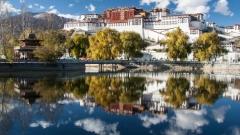
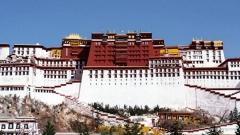
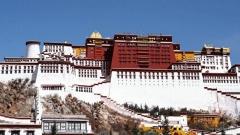
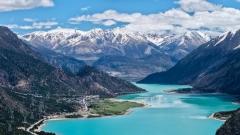
Planning a trip to the roof of the world requires more than just booking flights and securing permits; understanding Lhasa weather is essential for a comfortable journey. Sitting at an elevation of roughly 3,650 meters (nearly 12,000 feet), the capital of Tibet experiences a unique high-altitude semi-arid climate. The air is thin, the sunshine is abundant, and the temperature swings between day and night can be dramatic. Whether you are wandering through the Potala Palace or spinning prayer wheels along Barkhor Street, knowing what to expect from the sky above will shape your entire experience.
Key Takeaways:
- Lhasa enjoys over 3,000 hours of sunshine annually.
- Day-to-night temperature drops often exceed 15°C.
- Summer brings mild days but most of the annual rainfall.
- Winter is cold but surprisingly sunny and less crowded.
- Layered clothing is mandatory regardless of the season.
Understanding Lhasa Weather Throughout the Year
The overall Lhasa weather pattern is defined by two primary seasons: a dry, cold winter and a mild, slightly wet summer. Because of the extreme altitude, the atmosphere holds less moisture, resulting in crisp, clear skies for the vast majority of the year. However, “clear skies” does not always mean “warm.” Travelers must separate the concept of sunlight from the concept of heat. You can stand in brilliant, blinding sunshine while the ambient air remains freezing.
Spring (March to May)
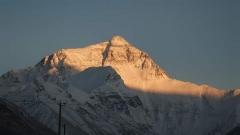
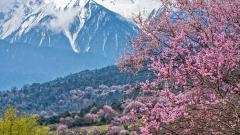
Spring in Lhasa is a transitional period where the harsh winter gradually loosens its grip. In March, daytime highs hover around 10°C to 12°C (50°F to 54°F), but nights still plunge well below freezing. By May, afternoons become genuinely pleasant, reaching 18°C to 20°C (64°F to 68°F). Wind is a notable factor during these months. Dust can occasionally sweep through the valleys, though it rarely disrupts travel plans. This is an excellent time for photography, as the snow-capped peaks surrounding the city contrast sharply against deep blue skies.
Summer (June to August)
Summer is widely considered the peak tourist season, largely because Lhasa weather during these months is remarkably comfortable compared to the sweltering heat found in lower-elevation Asian cities. Daytime temperatures typically range from 20°C to 25°C (68°F to 77°F). You will rarely need air conditioning, and heavy jackets are only necessary once the sun sets.
However, summer also coincides with the monsoon influence. While Lhasa does not experience the torrential downpours seen in southern China or India, July and August bring frequent afternoon showers and overcast mornings. Rainfall usually arrives in short, intense bursts rather than all-day drizzles. If you plan to trek outside the city, trails can become muddy, so waterproof footwear is highly recommended.
Autumn (September to November)
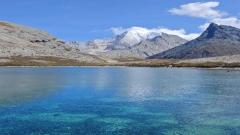
Many seasoned travelers argue that autumn offers the absolute best Lhasa weather. September retains some of summer’s warmth without the persistent rain, making it ideal for outdoor exploration and long-distance drives toward Mount Everest Base Camp or Namtso Lake. Daytime temperatures in September and October sit comfortably between 15°C and 20°C (59°F to 68°F).
By November, the transition back to winter begins rapidly. The skies return to their piercing, cloudless blue, and the air becomes incredibly dry. Humidity drops significantly, meaning lip balm, heavy moisturizers, and saline nasal sprays become daily necessities. Autumn foliage is sparse due to the arid environment, but the golden light casting long shadows over the monasteries creates an unforgettable atmosphere.
Winter (December to February)
Winter deters many tourists, but those who brave the cold are rewarded with pristine conditions. Lhasa weather in winter is characterized by freezing nights—often dropping to -10°C (14°F) or lower—but surprisingly warm afternoons. Because there is almost no cloud cover, direct sunlight can make midday feel like 8°C to 10°C (46°F to 50°F) if you are standing out of the wind.
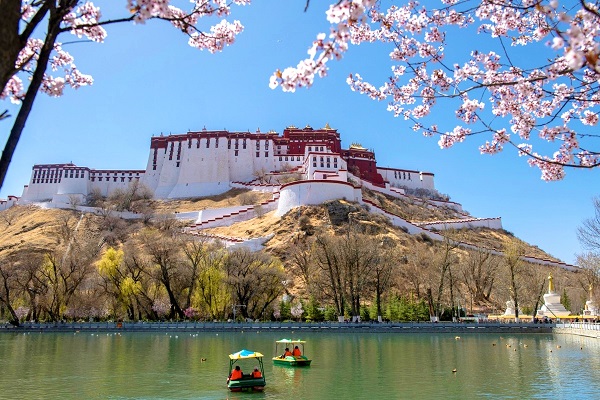
Snowfall within the city itself is relatively rare and usually melts quickly under the intense sun. The major advantage of visiting in winter is the lack of crowds. You can explore the Potala Palace without navigating massive tour groups, and local festivals, such as Losar (Tibetan New Year), offer profound cultural immersion. Just ensure your accommodation has reliable heating, as older guesthouses can struggle with nighttime temperature drops.
How Altitude Impacts the Climate
You cannot discuss Lhasa weather without addressing altitude. At 3,650 meters, the atmospheric pressure is roughly 65% of what it is at sea level. This thin air has three immediate consequences for visitors. First, it fails to trap heat, which explains why temperatures plummet the moment the sun dips behind the mountains. Second, it offers minimal protection against ultraviolet radiation. Third, it reduces oxygen availability, which affects physical exertion.
When you step off the plane or train, your body immediately notices the difference. Even if the weather feels warm and inviting, walking up a slight incline can leave you breathless. It is crucial to pace yourself during the first 48 hours. Do not let a sunny, mild afternoon trick you into overexerting yourself. Rest, hydrate constantly, and allow your physiology to adapt to the thin air before attempting strenuous hikes.
Sun Exposure and UV Radiation
A common mistake travelers make when packing for Tibet is equating mild temperatures with weak sunlight. Due to the high elevation and thin atmosphere, UV radiation in Lhasa is exceptionally strong year-round. You can get a severe sunburn in under thirty minutes, even on a cloudy winter day.
Sunscreen with a high SPF (50+) is non-negotiable. Apply it generously and reapply every few hours if you are outdoors. Sunglasses with proper UV protection are equally important to prevent snow blindness if you venture onto glaciers or high passes, and to protect your eyes from the relentless glare bouncing off white-washed monastery walls. Wide-brimmed hats or traditional caps provide necessary shade for your face and neck.
Packing Strategies for Variable Conditions
Because Lhasa weather shifts drastically between dawn and dusk, the layering system is your best friend. Avoid bringing one massive, heavy coat unless you are traveling exclusively in deep winter. Instead, pack a moisture-wicking base layer, an insulating mid-layer like fleece or down, and a windproof, waterproof outer shell.
During summer, you might start the morning in a thermal shirt and fleece, strip down to a t-shirt by noon, and put the windbreaker back on when the afternoon rain rolls in. In winter, you will keep the base and mid-layers on all day but might remove the heavy outer shell while standing in the midday sun. Comfortable, broken-in walking shoes are essential, as exploring the old town involves navigating uneven cobblestones and steep stone steps leading up to hilltop temples.
Navigating Your Journey with Local Expertise
Understanding the climate is only one piece of the puzzle when organizing a high-altitude adventure. Logistics, permits, and route planning require specialized knowledge. Working with experienced operators like Tibet Yulong Travel ensures that your itinerary aligns with the best possible Lhasa weather windows. They understand how seasonal shifts affect road conditions, mountain pass accessibility, and the timing of local cultural events. Whether you prefer a focused city exploration or an extended overland expedition across the plateau, professional guidance helps mitigate the challenges posed by extreme geography, allowing you to focus entirely on the breathtaking landscapes and rich spiritual heritage of Tibet.
Respecting the Environment and Local Customs
Finally, remember that the harsh, beautiful climate of the Tibetan Plateau supports a fragile ecosystem. The dry air and intense sun mean that vegetation grows slowly, and waste decomposes at a fraction of the rate it does at sea level. Always carry out your trash, stick to established trails, and respect the sacred nature of the landscape. Monasteries often have dress codes; even if Lhasa weather is warm enough for shorts, you will need long pants and covered shoulders to enter religious sites. Dressing modestly not only shows respect but also provides practical protection against the biting UV rays.