Perched on a rugged hilltop overlooking the sprawling city of Shigatse, Shigatse Dzong stands as one of the most striking architectural landmarks in Tibet. Often compared to the Potala Palace in Lhasa due to its imposing white and red walls cascading down the rocky slope, this ancient fortress has served as a center of political and religious power for centuries. For travelers venturing beyond Lhasa, visiting Shigatse Dzong offers an immersive glimpse into Tibetan history, culture, and resilience. Whether you are a history enthusiast, a photography lover, or a spiritual seeker, this magnificent structure provides a deeply rewarding experience. Planning your journey with experienced operators like Tibet Yulong Travel can ensure a smooth and enriching visit to this remote yet accessible destination.
Key Takeaways:
- Shigatse Dzong is a historic fortress resembling the Potala Palace.
- It served as the administrative seat of Tsang region rulers.
- The site was meticulously reconstructed to preserve its original grandeur.
- Visitors can explore a museum detailing local Tibetan history inside.
- It sits directly above Tashilhunpo Monastery, making dual visits convenient.
The Historical Significance of Shigatse Dzong
To truly appreciate Shigatse Dzong, one must first understand its deep historical roots. The word “Dzong” translates to “fortress” or “castle” in Tibetan, and these structures were traditionally built to serve as both military strongholds and administrative centers. Shigatse Dzong was originally constructed in the 17th century by Karma Phuntsok Namgyal, the ruler of the Tsangpa Dynasty. At that time, Shigatse was the political capital of the Tsang region, which frequently rivaled the Gelug school of Buddhism based in Lhasa. The fortress was designed to project power, oversee the fertile Yarlung Tsangpo River valley, and protect the ruling elite from rival factions.
For hundreds of years, Shigatse Dzong functioned as the nerve center of western Tibet. Kings, monks, and merchants passed through its heavy wooden gates, making it a vibrant hub of trade and governance along the ancient routes connecting Tibet with Nepal and India. However, the fortress suffered severe damage during the turbulent mid-20th century. By the time the cultural upheavals settled, much of the original structure had been reduced to ruins. Recognizing the immense cultural loss, extensive reconstruction efforts were undertaken in the early 21st century. Using historical photographs, architectural blueprints, and traditional Tibetan building techniques, artisans painstakingly rebuilt Shigatse Dzong to mirror its former glory. Today, the restored fortress stands not just as a monument to the past, but as a testament to the enduring spirit of Tibetan heritage.
Architectural Marvels of Shigatse Dzong
The visual impact of Shigatse Dzong is immediate and breathtaking. Rising dramatically from the craggy hillside known as Nyima Mountain, the fortress dominates the Shigatse skyline. Its design follows classic Tibetan dzong architecture, characterized by inward-sloping walls, flat roofs, and a striking color palette. The lower sections are painted a brilliant whitewash, while the upper levels feature deep crimson and dark brown hues, accented by golden finials that catch the high-altitude sunlight.
Structurally, Shigatse Dzong is divided into two main courtyards and several tiers of buildings. The outer walls are incredibly thick, built from rammed earth and stone to withstand both harsh Himalayan winters and potential sieges. Small, trapezoidal windows punctuate the massive walls, designed to let in light while maintaining structural integrity and defense capabilities. Inside, the layout is a labyrinth of corridors, prayer halls, and living quarters. The central assembly hall features towering wooden pillars intricately carved with lotus motifs and Buddhist iconography. Vibrant murals depicting scenes from Tibetan mythology and the lives of historical figures adorn the interior walls, offering visitors a visual feast of traditional art.
When planning a visit to see these architectural details up close, working with knowledgeable guides from Tibet Yulong Travel can greatly enhance your understanding. They provide context to the carvings, paintings, and structural choices that might otherwise go unnoticed by the untrained eye.
Exploring the Museum Inside Shigatse Dzong
Following its meticulous reconstruction, the interior of Shigatse Dzong was repurposed to house a comprehensive museum dedicated to the history and culture of the Shigatse region. This transformation turned the fortress from a purely external sightseeing spot into an interactive educational experience. The museum spans multiple floors, with each level dedicated to different aspects of local life and history.
Visitors walking through the exhibits will encounter a wide array of artifacts. Ancient farming tools illustrate the agricultural practices that sustained communities along the Yarlung Tsangpo River for millennia. Intricate Thangka paintings, some dating back centuries, showcase the evolution of Tibetan religious art. There are also displays featuring traditional clothing, jewelry, and household items used by both nomadic herders and settled townspeople. One of the most compelling sections of the museum focuses on the history of the Tsangpa kings, providing detailed narratives about the political dynamics that shaped western Tibet before the dominance of the Dalai Lamas in Lhasa.
The museum at Shigatse Dzong is thoughtfully curated, offering bilingual descriptions that help international travelers grasp the nuances of Tibetan history. Spending an hour or two wandering through these quiet, echoing halls allows you to absorb the weight of the centuries contained within the fortress walls.
How to Visit Shigatse Dzong: Practical Travel Tips
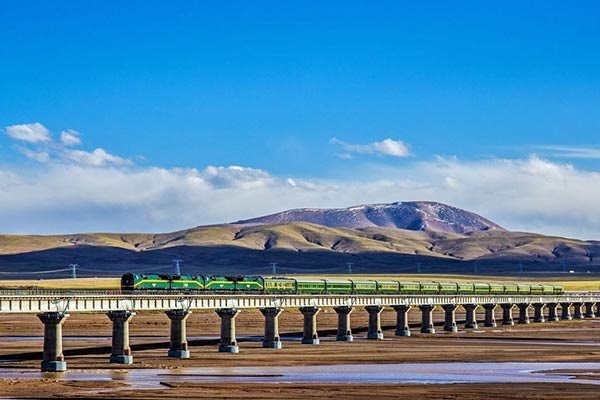
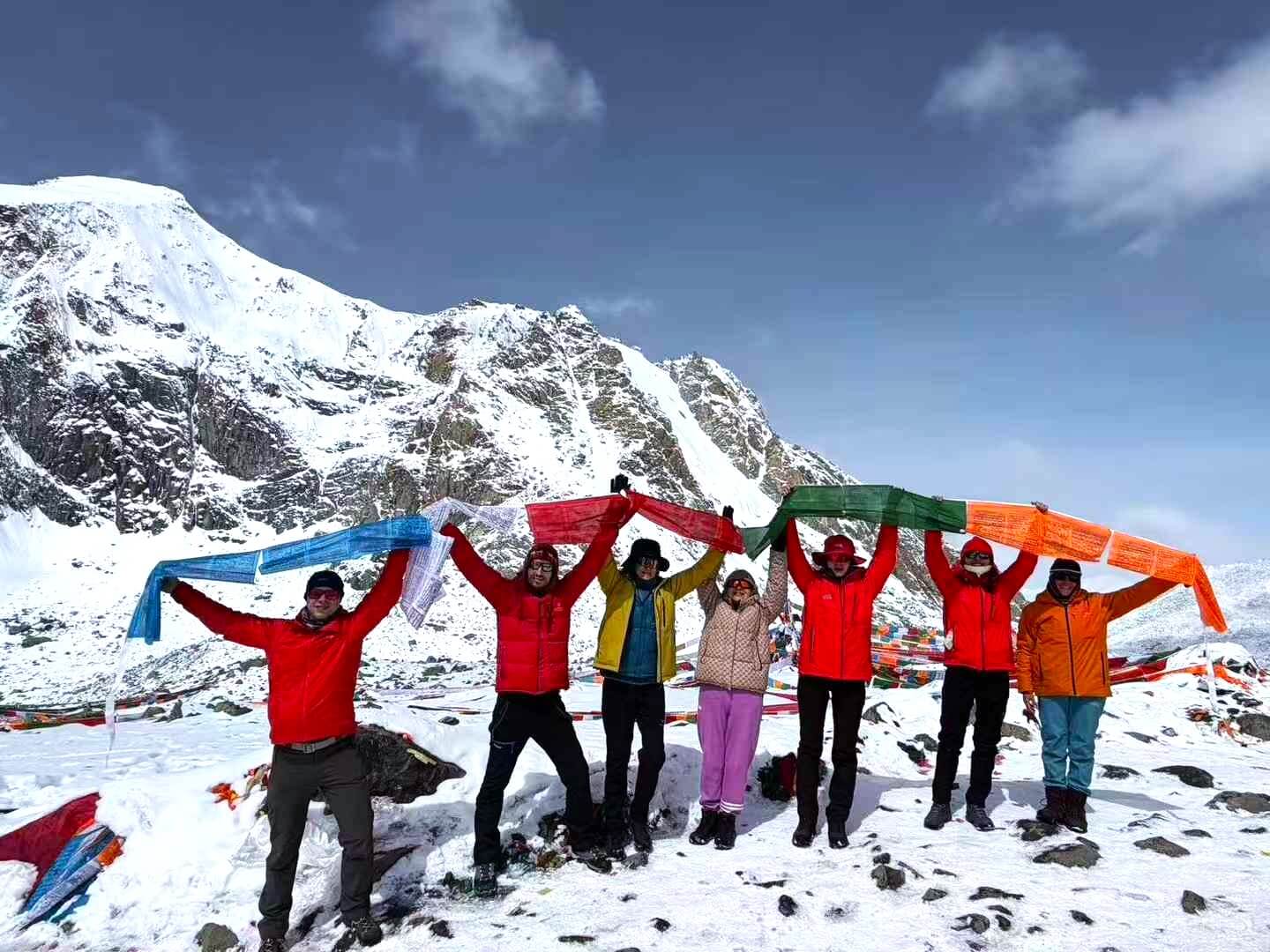
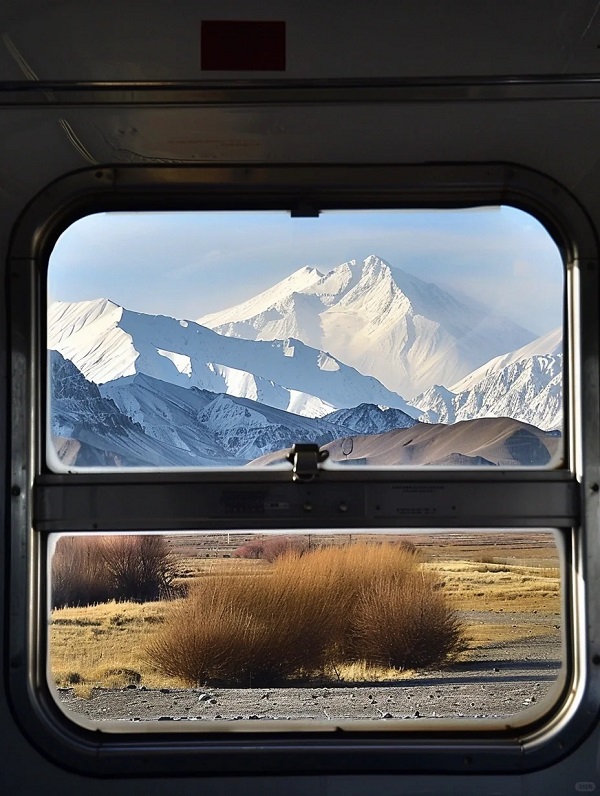
Reaching Shigatse Dzong requires traveling to Shigatse, the second-largest city in Tibet. Most visitors arrive either by taking the scenic Qinghai-Tibet Railway extension from Lhasa or by driving along the Friendship Highway. The drive from Lhasa takes roughly five to six hours, passing through stunning landscapes including the turquoise waters of Yamdrok Lake and the towering Karo La Glacier.
Once in Shigatse city, Shigatse Dzong is impossible to miss. It sits centrally, and the base of the hill is easily accessible by taxi or on foot from most downtown hotels. Climbing to the fortress entrance involves navigating a series of steep stone steps. Because Shigatse sits at an elevation of approximately 3,840 meters (12,600 feet), altitude sickness is a genuine concern. It is highly recommended to ascend slowly, stay hydrated, and avoid strenuous exertion during your first day in the region.
Entrance tickets for Shigatse Dzong are generally affordable, though prices and opening hours can fluctuate depending on the season. The best time to visit is between May and October when the weather is milder, and the skies are typically clear, offering spectacular views of the surrounding valleys. Winter visits are possible but require preparation for freezing temperatures and biting winds at the exposed hilltop.
Navigating the logistics of Tibet travel—including securing the mandatory Tibet Travel Permit—can be complex for independent travelers. This is where services like Tibet Yulong Travel become invaluable. They handle permit applications, arrange comfortable transportation, and book accommodations, ensuring that your focus remains entirely on experiencing the majesty of Shigatse Dzong rather than worrying about bureaucratic hurdles.
Shigatse Dzong and Tashilhunpo Monastery: A Perfect Pairing
No trip to Shigatse Dzong is complete without visiting its famous neighbor, Tashilhunpo Monastery. Located just below the fortress hill, Tashilhunpo is one of the six great monasteries of the Gelug sect of Tibetan Buddhism and serves as the traditional seat of the Panchen Lama. The proximity of these two sites means they can easily be explored on the same day, providing a holistic view of both the secular and spiritual history of the region.
While Shigatse Dzong represents the historical political authority of the Tsang kings, Tashilhunpo Monastery embodies the profound religious devotion that has defined Tibetan culture for centuries. Walking from the quiet, museum-filled halls of the dzong down to the bustling, incense-filled courtyards of the monastery creates a beautiful narrative arc for your day. You will see monks in maroon robes debating scriptures, pilgrims spinning prayer wheels, and massive golden stupas glittering in the sun.
Combining these two destinations allows travelers to understand how political power and religious influence intertwined in historical Tibet. Tour operators like Tibet Yulong Travel often package these two sites together in their Shigatse itineraries, providing expert guides who can seamlessly connect the stories of the fortress above with the monastery below.
Photography and Views from Shigatse Dzong
For photographers, Shigatse Dzong offers unparalleled opportunities. The elevated position of the fortress provides sweeping panoramic views of Shigatse city, the patchwork of agricultural fields in the valley, and the distant snow-capped peaks of the Himalayas. Early morning and late afternoon are the optimal times for photography, as the low angle of the sun casts dramatic shadows across the white and red walls, highlighting the texture of the stone and timber.
From the upper terraces of Shigatse Dzong, looking down upon the golden roofs of Tashilhunpo Monastery creates one of the most iconic photographic compositions in all of Tibet. The contrast between the austere, defensive architecture of the dzong and the ornate, peaceful design of the monastery makes for visually striking images. Remember to always ask for permission before photographing locals or monks, and be mindful that photography may be restricted inside certain museum rooms or prayer halls within the fortress itself.
Whether you are capturing the grand scale of the landscape or the intricate details of a carved wooden pillar, the visual richness of Shigatse Dzong ensures your memory cards will be full long before you begin your descent back to the city streets. Partnering with Tibet Yulong Travel guarantees you have the time and the right vantage points scheduled into your itinerary to capture these unforgettable moments perfectly.