Standing at the foot of the highest mountain on Earth is a dream shared by adventurers worldwide. The journey to Everest Base Camp offers an unparalleled combination of breathtaking Himalayan landscapes, rich Sherpa culture, and the ultimate physical challenge. Whether you approach from the lush trails of Nepal or the vast Tibetan Plateau, reaching this iconic destination requires careful planning and respect for the high-altitude environment. This guide provides everything you need to know to prepare for the trek of a lifetime.
Key Takeaways:
- Everest Base Camp can be accessed via two main routes: Nepal (South) and Tibet (North).
- Altitude sickness prevention is the most critical factor for a successful trek.
- Spring and autumn offer the clearest skies and most stable weather conditions.
- Physical conditioning should focus on cardiovascular endurance and leg strength.
- Hiring experienced local guides significantly enhances safety and cultural immersion.
Understanding the Two Routes to Everest Base Camp
When travelers talk about visiting Everest Base Camp, they are usually referring to one of two distinct locations. Mount Everest sits on the border between Nepal and China (Tibet), meaning there is a South Base Camp in Nepal and a North Base Camp in Tibet. Both offer incredible experiences, but they differ significantly in terms of logistics, terrain, and trekking style.
The South Base Camp in Nepal sits at an elevation of approximately 5,364 meters (17,598 feet). Reaching it requires a multi-day trek, typically starting with a thrilling flight into Lukla. From there, trekkers walk through dense rhododendron forests, cross suspension bridges over rushing rivers, and pass through traditional Sherpa villages like Namche Bazaar and Tengboche. This route is famous for its immersive cultural experience and the gradual acclimatization process built into the walking itinerary.
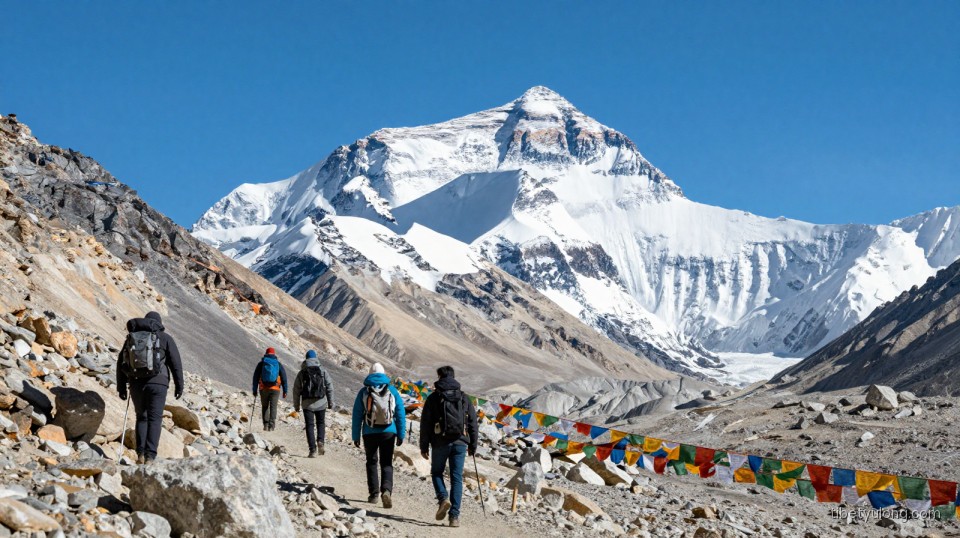
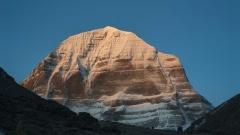
In contrast, the North Base Camp in Tibet is located at roughly 5,200 meters (17,060 feet). Unlike the Nepalese side, the Tibetan route allows travelers to drive almost all the way to the base camp area via paved roads branching off the Friendship Highway. This makes it more accessible for those who do not wish to undertake a strenuous multi-week trek. However, because you ascend much faster by vehicle, the risk of altitude sickness is higher, and proper acclimatization stops in towns like Shigatse and Tingri are absolutely essential. The views from the Tibetan side are equally spectacular, offering a direct, unobstructed look at the north face of Mount Everest.
Preparing for Your Everest Base Camp Adventure
Preparation for Everest Base Camp begins months before you even pack your bags. Because you will be spending extended periods above 4,000 meters, your body needs to be ready for reduced oxygen levels. Cardiovascular exercises such as running, cycling, swimming, and hiking with a weighted backpack are highly recommended. You do not need to be an elite athlete, but a solid baseline of fitness will make the daily exertion much more manageable and enjoyable.
Gear selection is another crucial element. Temperatures can fluctuate wildly, dropping well below freezing at night even during the warmer trekking seasons. A layered clothing system is the most effective strategy. Start with moisture-wicking base layers, add insulating mid-layers like fleece or down jackets, and top it off with a windproof and waterproof outer shell. Sturdy, broken-in trekking boots are non-negotiable; blisters can quickly ruin a trek. Additionally, invest in a high-quality sleeping bag rated for at least -15°C (5°F), as teahouse blankets in Nepal or tent nights in Tibet may not provide sufficient warmth on their own.
Mental preparation is just as important as physical readiness. The trek involves long days, basic amenities, and unpredictable weather. Patience and a positive attitude will help you navigate delays caused by sudden snowstorms or flight cancellations out of Lukla. Embrace the simplicity of life on the trail, and remember that the journey itself is just as rewarding as the final destination.
Best Time to Visit Everest Base Camp
Timing your trip correctly can make the difference between clear panoramic views and days spent staring at thick clouds. The Himalayan region experiences distinct seasons, and choosing the right window is vital for both safety and scenery.
Spring, spanning from March to May, is widely considered one of the best times to visit Everest Base Camp. During these months, the temperatures begin to warm up, and the lower elevations burst into color with blooming rhododendrons. The skies are generally clear in the mornings, providing excellent visibility of the towering peaks. This season also coincides with the primary mountaineering window, so the trails and base camps are buzzing with expedition teams preparing for their summit attempts.
Autumn, from late September to November, is the other prime season. Following the monsoon rains, the atmosphere is scrubbed clean, resulting in crisp, crystal-clear air and stunning visibility. The temperatures are cooler than in spring, especially as November approaches, but the stable weather makes it a favorite among trekkers. Trails can be busy during peak autumn weeks, so booking accommodations and flights well in advance is highly recommended.
Winter and summer present significant challenges. Winter brings extreme cold and heavy snowfall, which can block high passes and make teahouses uninhabitable. Summer aligns with the monsoon season, bringing heavy rains, leeches on the lower trails, and persistent cloud cover that obscures the mountains. While fewer crowds might appeal to some, the logistical hurdles during these off-seasons are substantial.
Managing Altitude Sickness on the Everest Base Camp Trek
Altitude sickness, or Acute Mountain Sickness (AMS), is the single greatest threat to anyone traveling to Everest Base Camp. It occurs when your body fails to adapt quickly enough to the lower oxygen pressure at high elevations. Symptoms range from mild headaches, nausea, and fatigue to severe, life-threatening conditions like High Altitude Pulmonary Edema (HAPE) and High Altitude Cerebral Edema (HACE).
The golden rule of high-altitude travel is “climb high, sleep low.” On the Nepal route, itineraries are specifically designed with acclimatization days, usually in Namche Bazaar (around 3,440 meters) and Dingboche or Pheriche (above 4,200 meters). On these rest days, you hike to a higher elevation to stimulate red blood cell production before returning to sleep at a lower altitude. Rushing the ascent is the most common mistake trekkers make.
Hydration plays a massive role in how your body handles altitude. Aim to drink three to four liters of water daily. Avoid alcohol and limit caffeine, as both can contribute to dehydration. Many trekkers consult their doctors before departure regarding Diamox (acetazolamide), a medication that helps speed up the acclimatization process. If you develop symptoms, communicate immediately with your guide. Do not ascend further if you feel unwell; descending is the only definitive cure for worsening AMS.
Cultural Experiences Along the Trail
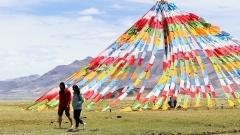
Reaching Everest Base Camp is not solely about physical endurance; it is a profound cultural journey. In Nepal, the Khumbu region is the heartland of the Sherpa people. Walking through villages like Khumjung and Pangboche, you will encounter ancient Buddhist monasteries adorned with colorful prayer flags fluttering in the mountain wind. The rhythmic spinning of prayer wheels and the scent of juniper incense create an atmosphere of deep spiritual reverence. Taking the time to visit Tengboche Monastery, the largest in the region, offers insight into the daily lives of the monks and the religious traditions that govern life in the high Himalayas.
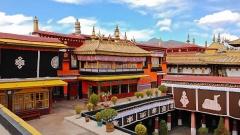
On the Tibetan side, the cultural landscape shifts to the unique traditions of Tibetan Buddhism. The journey passes by sacred sites, including Rongbuk Monastery, which holds the distinction of being the highest monastery in the world. The stark, arid beauty of the Tibetan Plateau is dotted with mani stones carved with mantras, reflecting centuries of devotion. Engaging respectfully with local communities, asking permission before taking photographs, and learning a few basic greetings in the local language will enrich your experience immensely.
Essential Logistics and Choosing the Right Support
Navigating the logistics of an Everest Base Camp expedition requires attention to detail. For the Nepal route, you will need a Sagarmatha National Park entry permit and a Khumbu Pasang Lhamu Rural Municipality entrance permit. Flights to Lukla are notorious for delays due to rapidly changing weather, so building buffer days into your international travel schedule is a smart move. Teahouses line the entire route, providing basic rooms and hearty meals like dal bhat, which offers the perfect balance of carbohydrates and protein needed for sustained energy.
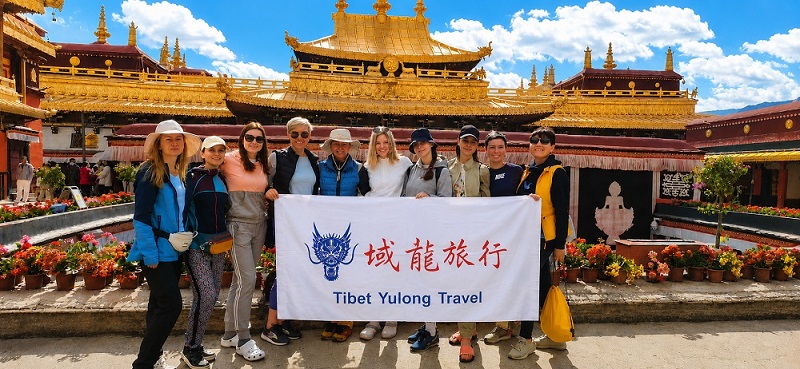
For the Tibet route, independent travel is not permitted. Foreign visitors must book their trip through a registered travel agency, which will arrange the necessary Tibet Travel Permit and Alien’s Travel Permit. Accommodations range from guesthouses in larger towns to tent camps near the base camp area. When organizing a trip to the Tibetan side, working with specialized operators like Tibet Yulong Travel can greatly simplify the complex permit process. Experienced agencies ensure that transportation, acclimatization schedules, and guide services are seamlessly coordinated, allowing you to focus entirely on the majestic scenery rather than bureaucratic hurdles.
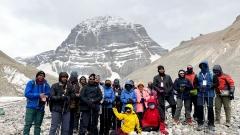
Regardless of which side you choose, hiring a knowledgeable local guide is strongly advised. Guides are trained to spot the early signs of altitude sickness, negotiate the best teahouse rooms, and share the rich folklore of the mountains. Porters also play an invaluable role, carrying heavy loads so you can trek with just a light daypack. Treating your support staff with respect and ensuring they have proper gear and fair wages is a fundamental responsibility of every ethical traveler venturing into the Himalayas.