Walking through Lhasa Old Town feels like stepping into a living museum where centuries of history breathe alongside everyday life. Situated at an altitude of over 3,600 meters, this historic district is the spiritual and cultural heart of Tibet. Unlike modernized city centers that often lose their original character, Lhasa Old Town preserves its traditional architecture, religious practices, and local customs in a remarkably authentic way. Visitors come here not just to see landmarks, but to experience the rhythm of Tibetan daily life. From the golden roofs of ancient temples to the aroma of yak butter tea drifting from small teahouses, every corner offers something memorable. Whether you are a seasoned traveler or planning your first trip to the plateau, understanding what makes this area special will transform your visit from a simple sightseeing tour into a deeply enriching journey.
Key Takeaways:
- Barkhor Street forms the spiritual core of Lhasa Old Town.
- Acclimatization is essential before exploring the high-altitude streets.
- Local teahouses offer the best window into everyday Tibetan culture.
- Traditional courtyards preserve authentic Tibetan residential architecture.
- Respectful photography etiquette matters deeply around pilgrims and monks.
The Spiritual Heart of Lhasa Old Town: Barkhor Street
No exploration of Lhasa Old Town is complete without walking the Barkhor Street circuit. This ancient pilgrimage route encircles the Jokhang Temple and has served as the most important pathway for Tibetan Buddhists for centuries. The street is paved with hand-laid stones, polished smooth by generations of footsteps and prostrations. Walking clockwise along the route, you join a continuous flow of pilgrims spinning prayer wheels, chanting mantras, and moving with a sense of purpose that immediately commands respect.
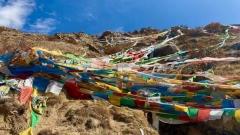
Barkhor Street is far more than a religious path; it is also the commercial artery of Lhasa Old Town. The buildings lining the route feature whitewashed walls, dark wooden window frames painted with intricate floral motifs, and colorful prayer flags strung between rooftops. Small shops spill out onto the walkways, selling everything from hand-hammered copper teapots and turquoise jewelry to thangkas painted with mineral pigments. Bargaining is expected in the market stalls, but approach transactions with a friendly demeanor rather than aggressive haggling.
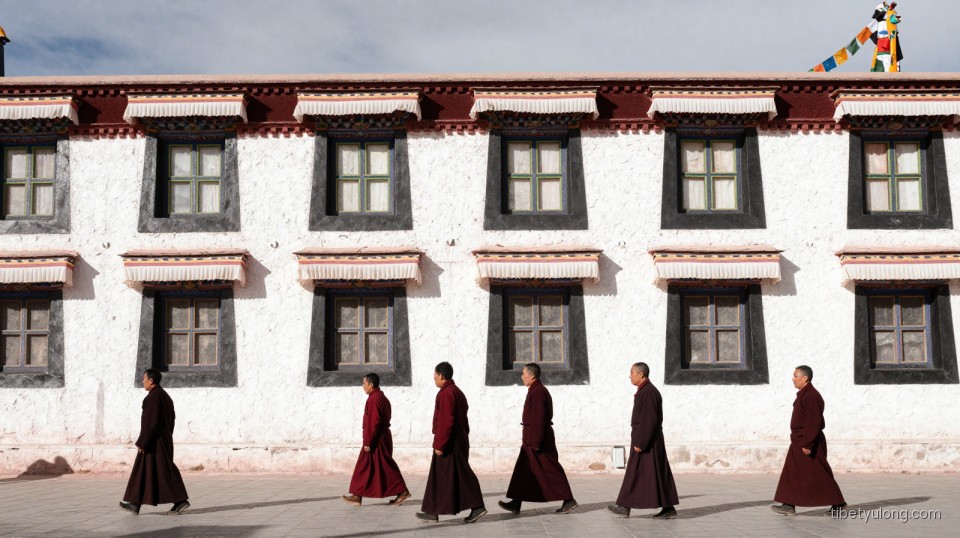
The atmosphere shifts dramatically depending on the time of day. Early mornings bring a quiet, misty devotion as elderly locals make their rounds before the tourist crowds arrive. By midday, the street buzzes with energy, filled with travelers, guides, and vendors. In the evening, the warm glow of temple lamps and the smell of burning juniper incense create an incredibly atmospheric setting. If you want to truly absorb the essence of Lhasa Old Town, spend time here during all three phases of the day.
Jokhang Temple: The Anchor of Lhasa Old Town
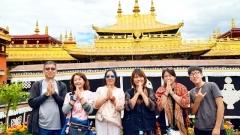
Sitting at the center of the Barkhor circuit, Jokhang Temple is the most sacred site in Tibetan Buddhism. Built during the seventh century, the temple houses the Jowo Shakyamuni statue, which draws pilgrims from across the entire Tibetan plateau. The architectural layout of the temple reflects a blend of Tibetan, Nepalese, and Chinese influences, showcasing the historical trade and cultural exchanges that shaped the region.
When visiting Jokhang Temple, take time to observe the details rather than rushing through the halls. Look up at the gilded bronze roof ornaments catching the intense plateau sunlight. Notice the worn wooden thresholds carved deep by centuries of footsteps. The rooftop terrace offers one of the best vantage points in Lhasa Old Town, providing sweeping views over the surrounding neighborhoods and toward the Potala Palace in the distance. Keep in mind that interior photography is generally restricted inside the main chapels, so always check signage or ask permission before raising your camera.
Authentic Tibetan Cuisine Around Lhasa Old Town
Food is an integral part of experiencing any destination, and Lhasa Old Town offers a culinary landscape entirely unique to the high plateau. Forget standard restaurant dining; the best meals here are found in small, family-run establishments tucked down narrow alleyways branching off the main streets.
Start with Tibetan sweet tea, a staple beverage that tastes somewhat similar to milk tea but carries its own distinct, comforting flavor profile. Teahouses in Lhasa Old Town function as community living rooms. Locals gather at long wooden tables, pouring tea from large thermoses, playing dice games, and gossiping. Sitting quietly in a corner with a glass of sweet tea is one of the most relaxing ways to spend an afternoon.
For substantial meals, try momos, the Tibetan version of dumplings. They can be steamed or fried, filled with yak meat, cabbage, or potato, and are always served with a spicy chili dipping sauce. Thukpa, a hearty noodle soup loaded with vegetables and meat, provides necessary warmth and energy after a long day of walking at high altitude. Yak meat features prominently on local menus, often dried, curried, or stir-fried. Tsampa, roasted barley flour mixed with butter tea and formed into dough balls, remains the traditional staple food, though visitors might need some time to acquire a taste for its earthy, dense texture. Exploring these flavors is a fundamental part of understanding the lifestyle within Lhasa Old Town.
Architecture and Hidden Courtyards in Lhasa Old Town
While the main thoroughfares attract the most attention, the true character of Lhasa Old Town hides behind unassuming doorways. Stepping through a heavy wooden entrance often reveals multi-story courtyard residences built around central open-air wells. These traditional compounds house multiple families and serve as micro-communities where neighbors share chores, celebrations, and daily routines.
The construction methods used in these buildings reflect centuries of adaptation to the harsh plateau climate. Walls are thick, made from rammed earth or stone, providing excellent insulation against both freezing winters and intense summer sun. Windows are typically small to retain heat, framed by distinctive black trapezoidal borders that are a hallmark of traditional Tibetan design. Many courtyards feature potted plants, small shrines, and strings of drying yak cheese or meat hanging from the upper balconies.
Wandering through these quieter lanes requires a respectful approach. You are walking through people’s homes and neighborhoods, not a staged open-air museum. Move quietly, smile if you make eye contact with residents, and avoid peering aggressively into private windows. Some older courtyards have been carefully restored and converted into boutique guesthouses or cultural spaces, offering travelers a chance to sleep within the historic fabric of Lhasa Old Town.
Practical Tips for Visiting Lhasa Old Town
Navigating Lhasa Old Town requires preparation, primarily due to the extreme altitude. Arriving in the city means stepping into an environment with significantly less oxygen than sea level. Do not attempt strenuous walking tours on your first day. Spend your initial hours resting, drinking plenty of water, and eating light meals to allow your body to adjust. Altitude sickness is a real concern, and respecting the acclimatization process ensures you can fully enjoy the rest of your trip.
Dress in layers. The temperature in Lhasa Old Town can fluctuate wildly between bright, sun-drenched afternoons and chilly, wind-swept evenings. Sun protection is non-negotiable; the UV radiation at this elevation is exceptionally strong. Wear sunscreen, sunglasses, and a wide-brimmed hat even on cloudy days.
Cultural sensitivity dictates much of the etiquette here. Always walk clockwise around stupas, temples, and the Barkhor Street circuit. Never touch a monk or nun without invitation, and avoid pointing your feet toward altars or religious statues when sitting inside temples. Ask for permission before taking close-up portraits of locals, especially pilgrims engaged in prayer. A polite gesture or a few words of greeting go a long way in building goodwill.
For travelers seeking a seamless experience, organizing logistics through experienced professionals makes a significant difference. Companies like Tibet Yulong Travel specialize in crafting itineraries that balance major highlights with deeper cultural immersion. Navigating permits, transportation, and local regulations in Tibet can be complex, and partnering with knowledgeable operators such as Tibet Yulong Travel helps ensure your time in Lhasa Old Town is spent absorbing the culture rather than managing administrative hurdles. Their familiarity with the region allows for access to authentic experiences that independent travelers might easily overlook.
Festivals and Seasonal Changes in Lhasa Old Town
The atmosphere of Lhasa Old Town transforms dramatically during local festivals. Events like the Saga Dawa festival, which usually falls in late spring or early summer, bring thousands of pilgrims to the Barkhor circuit. During these periods, the air is thick with the smoke of burning juniper branches, and the sound of chanting resonates continuously through the narrow streets. While festivals offer unparalleled cultural insight, they also mean larger crowds and higher demand for accommodations, making advance planning essential.
Seasons dictate the pace of life in the old town. Winter brings fewer tourists, crisp blue skies, and a deeply local atmosphere where the rhythm of daily life slows down. Summer sees more rainfall and greener landscapes in the surrounding valleys, drawing peak tourist numbers. Regardless of when you choose to visit, Lhasa Old Town maintains its profound sense of place, offering a travel experience rooted in centuries of unbroken tradition and resilient culture.