Nestled high in the Himalayas, Yamdroktso Lake stands as one of the most breathtaking natural wonders on the Tibetan Plateau. Known for its mesmerizing turquoise waters that shift in color depending on the sunlight and weather, this sacred body of water holds deep spiritual significance for Tibetan Buddhists. Located approximately 100 kilometers southwest of Lhasa, it is often considered a must-visit destination for anyone traveling through Tibet. The journey to reach it involves crossing the spectacular Kamba La Pass, offering panoramic views that leave visitors speechless. Whether you are drawn by its religious importance, its stunning scenery, or the unique wildlife that inhabits its shores, planning a trip here requires some preparation due to the high altitude and remote location. This guide covers everything you need to know to experience this magnificent destination safely and meaningfully.
Key Takeaways:
- Yamdroktso Lake is one of Tibet’s three great sacred lakes.
- The lake sits at an elevation of roughly 4,441 meters above sea level.
- Visitors typically access it via a day trip from Lhasa over Kamba La Pass.
- Proper acclimatization is essential before visiting due to the extreme altitude.
- Respecting local customs and the fragile environment is strictly required.
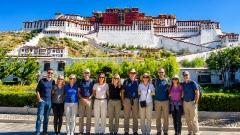
Understanding the Spiritual Significance of Yamdrok Lake
To truly appreciate a visit to Yamdroktso Lake, one must first understand its profound role in Tibetan culture and religion. Along with Namtso and Manasarovar, it forms the trio of the most sacred lakes in Tibet. In local belief, these lakes are not merely bodies of water; they are living entities, deeply intertwined with the spiritual fate of the region. Legend dictates that if the waters of Yamdroktso Lake were ever to dry up, Tibet would become uninhabitable. This ancient belief underscores the reverence with which locals treat the area.
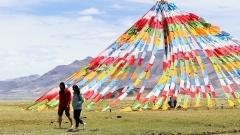
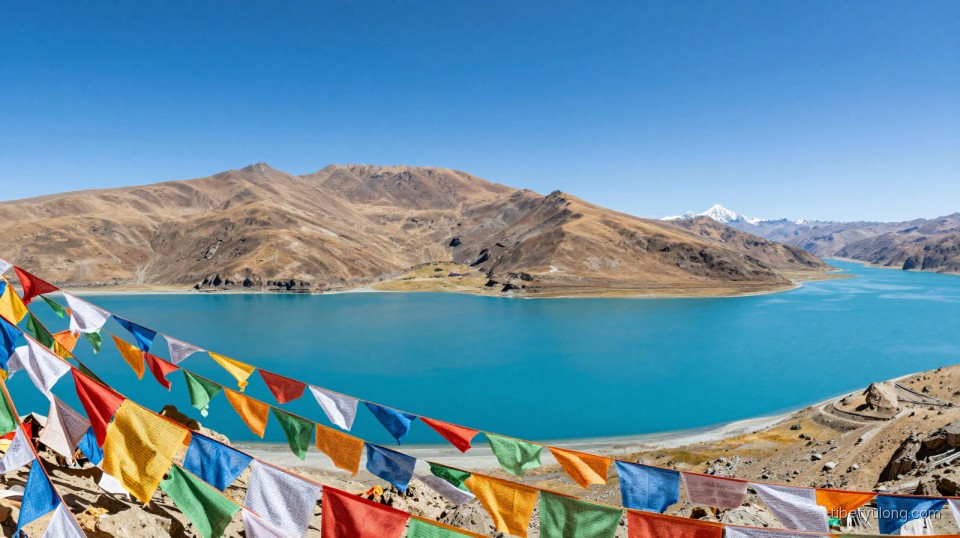
Pilgrims frequently undertake arduous journeys to circumambulate the lake, a practice known as kora. While a full circuit takes several days and covers over 200 kilometers, many devout travelers complete parts of it as an act of faith and purification. The lake is also associated with the goddess Dorje Gegkyi Tso, and its irregular, coral-branch-like shape is said to represent the physical manifestation of divine energy. When you stand on the shores, observing the prayer flags fluttering against the backdrop of snow-capped peaks, the spiritual weight of the landscape becomes palpably real.
Geography and Natural Beauty Surrounding Yamdroktso Lake
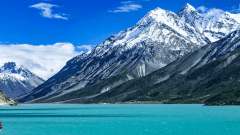
The geographical features of Yamdroktso Lake make it a visual masterpiece. Covering an area of over 600 square kilometers, it is the largest inland lake in southern Tibet. Its depth reaches up to 60 meters in certain areas, and its winding, serpentine shape means that from any given vantage point, you can only see a fraction of its entirety. This fragmented visibility adds to the mystery and allure of the landscape.
The color of the water is perhaps its most famous attribute. Depending on the time of day, cloud cover, and viewing angle, the lake transitions through shades of deep sapphire, vibrant turquoise, and pale jade. This phenomenon occurs because the water reflects the sky while simultaneously scattering light through its mineral-rich depths. Framing the lake are rugged mountains, including the towering Mount Nojin Kangtsang, which rises to over 7,191 meters. The glaciers feeding into the basin ensure the water remains pristine and cold throughout the year. The surrounding terrain is largely alpine steppe, dotted with hardy grasses and shrubs adapted to the harsh, high-altitude climate.
Planning Your Journey to Yamdroktso Lake from Lhasa
Most travelers experience Yamdroktso Lake as part of a longer itinerary originating in Lhasa. The standard route involves driving south along the Friendship Highway before branching off toward the lake. The highlight of this drive is the ascent to Kamba La Pass, situated at an elevation of 4,790 meters. From this mountain pass, visitors are treated to their first sweeping, unobstructed view of the lake below. It is customary for tour groups to stop here briefly for photographs before descending to the water’s edge.
When organizing your logistics, working with experienced local operators is highly recommended. Agencies like Tibet Yulong Travel specialize in navigating the complex permit requirements and road conditions inherent to high-altitude travel. They provide knowledgeable guides who can explain the cultural nuances of the region while ensuring transportation is reliable and safe. Because independent travel in the Tibet Autonomous Region is heavily regulated, having a registered guide and pre-arranged transport is mandatory for foreign passport holders. A typical day trip from Lhasa allows for several hours at the lake before returning to the capital, though multi-day itineraries incorporating Gyantse and Shigatse offer a more relaxed pace.
Altitude Considerations and Health Precautions
Visiting Yamdroktso Lake means venturing into extreme altitudes where the air contains significantly less oxygen than at sea level. At over 4,400 meters, altitude sickness is a genuine concern that must be managed proactively. Symptoms such as headaches, nausea, dizziness, and shortness of breath can affect anyone, regardless of age or physical fitness.
Proper acclimatization is the most effective preventative measure. Travelers should spend at least two to three days in Lhasa (which sits at around 3,650 meters) before attempting the higher elevations of the lake route. During this adjustment period, avoid strenuous exercise, heavy meals, and alcohol. Hydration is critical; drink plenty of water to help your body adapt to the thin air. Many guides recommend carrying portable oxygen canisters, especially for the stop at Kamba La Pass, which is even higher than the lake itself. If you have pre-existing cardiovascular or respiratory conditions, consult a physician specializing in high-altitude medicine before finalizing your travel plans.
Wildlife and Ecology of the Yamdroktso Lake Basin
The ecosystem surrounding Yamdroktso Lake is surprisingly rich despite the harsh environmental conditions. The lake serves as a vital habitat for numerous bird species, making it a haven for wildlife enthusiasts. During the warmer months, flocks of bar-headed geese, black-necked cranes, and various species of gulls migrate to the islands and shallow bays to breed and feed. The sight of these birds gliding over the vivid blue water creates a striking contrast against the barren, rocky hillsides.
Beneath the surface, the lake supports populations of naked carp and other cold-water fish adapted to the low-oxygen environment. Historically, local traditions prohibited fishing in sacred lakes, which allowed these populations to thrive undisturbed. On land, herds of yaks and sheep graze on the sparse alpine vegetation, tended by nomadic herders who maintain traditional lifestyles. Visitors might also spot marmots scurrying among the rocks or, if exceptionally lucky, catch a glimpse of elusive wildlife like the Tibetan fox or blue sheep in the more remote valleys.
Local Culture and Photography Tips
Engaging respectfully with the local culture enhances the experience of visiting Yamdroktso Lake. You will likely encounter Tibetan nomads dressed in traditional woolen chubas, sometimes offering photo opportunities with their decorated yaks or Tibetan mastiffs. Always ask for permission before taking someone’s photograph, and be prepared to offer a small gratuity if they are posing specifically for tourists. This interaction is a delicate exchange, and approaching it with politeness goes a long way.
For photographers, the lake offers endless inspiration, but the intense high-altitude sunlight presents challenges. The UV radiation is exceptionally strong, which can wash out colors in your images. Using a polarizing filter helps cut through the glare on the water’s surface, revealing the deeper blues and greens beneath. Early morning and late afternoon provide the softest light, casting dramatic shadows across the mountain ridges. Protect your camera gear from the fine dust kicked up by passing vehicles, and remember that batteries drain much faster in cold, high-altitude environments—always carry spares kept warm inside your jacket.
Environmental Responsibility at Yamdroktso Lake
As tourism grows, preserving the ecological integrity of Yamdroktso Lake has become increasingly important. The high-altitude environment is incredibly fragile; damage to the soil or vegetation can take decades to heal. Visitors must adhere strictly to Leave No Trace principles. Pack out all trash, including biodegradable items, as decomposition rates are extremely slow at this elevation.
Avoid straying from established paths and viewpoints to prevent erosion along the shoreline. Do not disturb the wildlife or attempt to feed the animals, as human food disrupts their natural foraging behaviors. Furthermore, respect the spiritual nature of the site by refraining from swimming or washing items in the sacred waters. By traveling mindfully, you help ensure that the pristine beauty and cultural sanctity of the lake remain intact for future generations of pilgrims and explorers alike. Choosing responsible tour operators who prioritize sustainable practices is another meaningful way to contribute to the preservation of this extraordinary landscape.