Packing for Tibet means preparing for more than a long journey. High altitude, strong sunlight, dry air, cool evenings and changing travel conditions all affect what belongs in your bag. A thoughtful Tibet tour packing list helps you stay comfortable without hauling unnecessary gear, whether you are visiting Lhasa, crossing mountain passes or spending time in remote areas.
Key Takeaways
- Dress in adaptable layers for warm sunshine and cold evenings.
- Bring sun protection, personal medicines and a reusable water bottle.
- Keep travel documents, permits and valuables easy to access.
- Choose practical footwear and pack light for transfers and hotel changes.
- Check current entry requirements and your itinerary before departure.
Build Your Tibet Tour Packing List Around Altitude
The first principle of a useful Tibet tour packing list is to pack for conditions, not just the month on the calendar. Tibet covers a large area, and weather varies with elevation, season and itinerary. Lhasa can feel pleasant in direct sun while the shade is cool; a high pass or an overnight stop may be much colder. Even on a summer trip, do not assume that every day will be warm.
Altitude also changes how exertion feels. Walking uphill, carrying a heavy bag or rushing through an airport can be more tiring than expected. Pack items that make ordinary days easier, and keep your daypack light enough to carry comfortably. A layered outfit, sun protection and a few personal essentials are generally more useful than bulky equipment you may never use.
Before packing, review the route and overnight stops with your tour operator. A city-focused itinerary has different needs from a journey that includes remote roads, cold-weather camping or several days away from well-stocked shops. If Tibet Yulong is arranging your trip, ask which items are included, what luggage limits apply to transport and whether your route requires any special preparation. Do not rely on a generic list to answer questions specific to your trip.
Tibet Travel Packages
Clothing For Tibet Changing Weather
Use A Simple Layering System
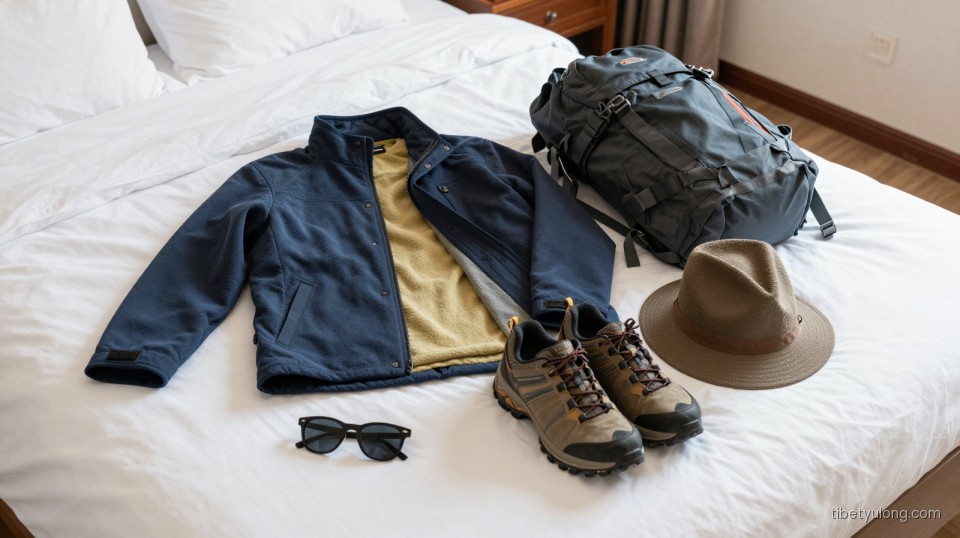
Bring a base layer, a warm middle layer and a wind-resistant outer layer. Lightweight shirts or tops work well as a base in mild weather. A fleece, sweater or similar insulating layer can be added when temperatures fall, while a windproof jacket helps on exposed roads and viewpoints. If your itinerary includes colder months, early starts or high-altitude overnight stays, add warmer insulation suited to the forecast.
Trousers should be comfortable for long drives and walking. Quick-drying, flexible options are practical; a warmer pair can be useful for cold evenings. Pack enough underwear and socks for your itinerary, but avoid taking multiples of every item if laundry is available. For a longer trip, a small amount of hand-wash detergent can help you refresh lightweight clothing in a hotel sink, provided you have time for it to dry.
A compact rain jacket or umbrella may be useful during wetter periods, depending on your route. A lightweight shell is easier to carry than a heavy coat and can also block wind. Check the forecast shortly before departure, but leave room for sudden changes, especially when traveling between different elevations.
Choose Footwear For Your Route
Comfortable walking shoes with a secure fit and reliable grip are suitable for many sightseeing days. Wear them before the trip so you know they do not rub. If your itinerary includes rough trails, uneven ground or longer hikes, bring footwear appropriate to those conditions rather than assuming ordinary city shoes will be enough. Sandals or easy-to-remove shoes can be convenient at hotels, but they should not replace your main walking footwear.
Warm socks matter in cool weather and during long journeys. If you are prone to blisters, pack familiar blister plasters and avoid testing new shoes on a demanding day. Trekking poles are optional for a standard sightseeing itinerary; consider them only if your route and mobility needs make them useful.
Pack For Sleep And Indoor Comfort
Accommodation heating and bedding can differ from what you are used to. A light sleepwear layer and warm socks can help if rooms feel cool at night. Travelers who are sensitive to dry air may prefer a basic lip balm or moisturizer on the bedside table. A sleeping bag is not normally needed for an ordinary hotel-based tour, but a camping or trekking itinerary may call for different equipment—confirm this before packing.
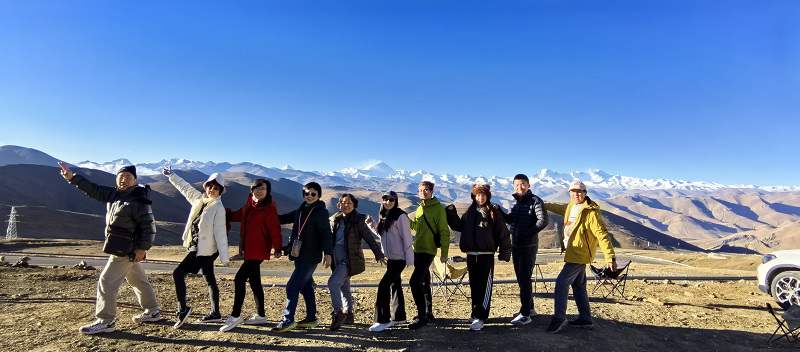
Sun, Dry Air And Everyday Health
Protect Your Skin And Eyes
Strong sunlight is a practical concern at high elevation. Include sunglasses that feel comfortable in bright conditions, a hat with useful coverage and sunscreen. Apply sunscreen to exposed skin, including areas often missed, and reapply as directed on the product label. Lip balm with sun protection can be helpful because lips may become dry as well as sun-exposed.
A brimmed hat or cap is easy to carry and can make outdoor stops more comfortable. Sunglasses should fit securely, particularly if you expect to spend time outdoors or on windy roads. Keep these items in your daypack instead of burying them in checked luggage; you may want them soon after arrival.
Prepare For Dry Conditions And Hydration
The air can feel dry, and long drives or indoor heating may add to discomfort. A reusable water bottle is useful, but follow your guide’s advice about safe drinking water and refill points. Do not assume that untreated water is safe to drink. A small moisturizer, lip balm and tissues can be more useful than a large collection of toiletries.
Drink regularly according to your needs and avoid treating hydration as a substitute for acclimatization or medical advice. Many travelers prefer to keep a bottle accessible during the day, especially on transfers and sightseeing outings. If you use a particular type of bottle or have a medical reason to manage fluids, bring the one you are accustomed to using.
Bring Personal Medicines And A Small First-Aid Kit
Pack prescription medicines in their original packaging and carry enough for the planned trip, plus a reasonable buffer in case of delays. Keep essential medication in your hand luggage rather than placing the entire supply in checked baggage. Carry a copy of prescriptions or a medication list when appropriate, and check whether any medicine is subject to travel restrictions before departure.
A compact personal first-aid pouch can include items you already know how to use, such as plasters, antiseptic wipes and simple remedies you normally take. Include any allergy medication or medical supplies you rely on. Do not start prescription medicine for altitude or another condition solely because it appears on a packing list; consult a qualified health professional before travel about your individual circumstances and the suitability of any medication.
If you develop concerning symptoms during the trip, tell your guide or travel companion promptly and follow professional medical advice. Packing can support comfort, but it cannot prevent altitude illness or replace a plan for seeking care. Discuss significant health conditions with a clinician before traveling to high elevations.
Tibet Documents, Money And Travel Essentials
Keep Documents Accessible And Protected
Organize your passport, required visa documents, permits and booking information before departure. Requirements can depend on nationality, route and current rules, so confirm the exact documents needed for your trip with the relevant travel provider or authorities. Keep digital copies in a secure place and consider carrying a separate paper copy of key information. A waterproof document sleeve can protect papers from spills and rain.
Carry the documents you may need during transfers in an easy-to-reach part of your daypack. Do not place every important item in one bag. Keep valuables discreet, and use a secure pouch or wallet that is comfortable to carry. Requirements and procedures can change, so check them close to your departure rather than relying on old travel advice.
Prepare Payments And Connectivity
Bring payment options suited to your itinerary, such as a bank card and a sensible amount of local currency. Whether cards are accepted can vary between businesses and locations, particularly outside larger towns. Let your bank know about travel if needed, and keep a backup payment method separate from your main wallet.
A phone is useful for bookings, maps, communication and photographs. Pack its charger and a power bank if you use one, and check airline rules for carrying batteries. A plug adapter may be necessary depending on the equipment you bring and the outlets at your accommodation. Download essential documents and maps for offline access where possible; mobile coverage can be inconsistent on remote routes.
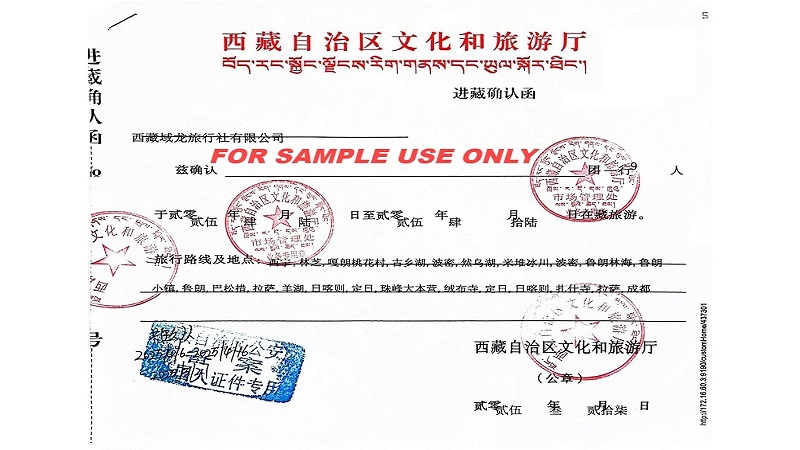
Tibet Travel Permit – Tibet Yulong
Daypack, Luggage And Useful Small Items
A comfortable daypack is one of the most useful parts of a Tibet tour packing list. Choose one that holds water, a warm layer, sun protection, personal medication and documents without becoming awkward to carry. A rain cover or lightweight dry bag can help protect important items in wet conditions. Keep the pack’s contents simple so you can find what you need during a roadside stop.
For main luggage, use a bag that is easy to lift and secure. Transfers may involve loading luggage into vehicles, changing hotels or handling uneven surfaces, so an oversized hard case can be inconvenient. Check any luggage limits provided for flights, trains or tour vehicles. Use a small luggage tag, and avoid leaving irreplaceable items in checked baggage.
A few small comfort items can improve long travel days: tissues, hand sanitizer, a sleep mask, earplugs and a light scarf or neck warmer. A scarf can also provide an extra layer against wind or dust. Bring only items you are likely to use; a crowded bag makes it harder to locate essentials and adds weight at every transfer.
Photography equipment is a personal choice. A phone may be enough for many travelers, while a camera and spare battery can be worthwhile if photography is a priority. Keep batteries protected from cold and carry valuable equipment securely. Ask before photographing people, religious ceremonies or restricted locations, and follow local rules and your guide’s instructions.
What To Leave At Home
Avoid packing a large wardrobe of heavy clothing when a few layers can cover different conditions. Bulky toiletries are often unnecessary for a hotel-based itinerary, and familiar essentials can usually be decanted into travel-size containers where permitted. Do not bring medicines you have never used simply because someone else recommends them.
Specialist trekking or camping gear should match the actual itinerary. Carrying technical equipment for a trip that consists mainly of city visits and vehicle transfers adds weight without much benefit. On the other hand, do not assume ordinary sightseeing clothing will suit a demanding trek. Confirm the route, accommodation and equipment arrangements before deciding what to omit.
Also avoid packing restricted items without checking the rules that apply to your route. This includes medicines, batteries and any equipment subject to airline or local restrictions. Review current requirements with your carrier and travel organizer; packing advice should not be treated as permission to carry a particular item.
A Practical Packing Checklist Before Departure
A few days before leaving, compare your bag with your itinerary and the latest forecast. Check that frequently used items are in your hand luggage, that medicines are accessible and that your footwear is comfortable. Test your charging equipment and make sure you can reach booking details and emergency contacts without an internet connection.
Use this final check:
- Passport, required travel documents, permits and booking details
- Layered clothing, walking shoes and weather-appropriate outerwear
- Sunglasses, hat, sunscreen and lip balm
- Personal medicines, prescriptions and a compact first-aid pouch
- Reusable water bottle and small daypack
- Phone, charger, power bank and any needed adapter
- Payment options, copies of key documents and emergency contacts
Keep the checklist flexible. A warm-season city itinerary, a winter journey and a remote trekking route should not produce identical bags. The best Tibet tour packing list is the one that reflects your actual route, health needs and comfort preferences while leaving enough space to travel easily.
Frequently Asked Questions: Packing List for Tibet Travel
Do I need special clothing for a Tibet tour?
Not necessarily, but adaptable layers are important. Pack comfortable walking clothes, a warm layer and a wind-resistant outer layer, then adjust for the season, elevation and activities on your itinerary.
Is a sleeping bag necessary?
Usually not for a standard hotel-based tour. Bring one only if your itinerary includes camping or your tour provider specifically recommends it for the accommodation and conditions.
What should I keep in my daypack?
Keep water, sun protection, a warm layer, personal medicines, essential documents and your phone in a comfortable daypack. Add rain protection if the forecast or route calls for it.
Should I bring altitude sickness medicine?
Discuss altitude and medication with a qualified health professional before departure. Do not self-prescribe based on a packing guide, and tell your guide promptly if you feel unwell during the trip.
How can I confirm what documents I need?
Requirements depend on your nationality, route and current rules. Confirm the documents and permits needed for your specific itinerary with your travel organizer and the relevant authorities close to your departure.