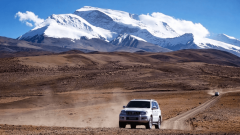
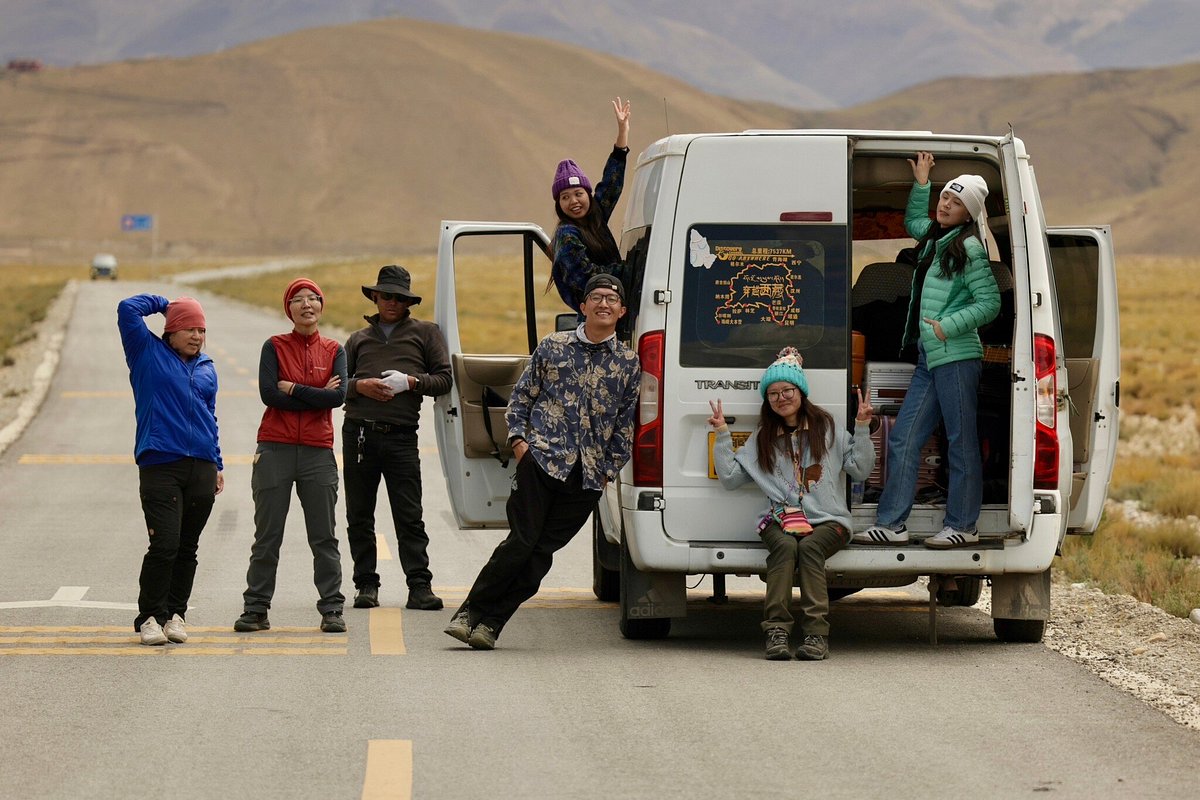
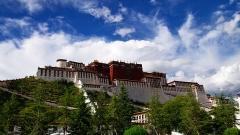
Tibet’s high plateaus reward careful travelers with vast skies, mountain scenery, and distinctive culture. Because many destinations sit far above sea level, understanding altitude sickness can help you plan a safer, more comfortable journey.
Key Points
- Altitude sickness can affect anyone, regardless of age or fitness.
- Ascending gradually gives your body more time to adapt.
- Headache, nausea, dizziness, and unusual fatigue are common warning signs.
- Severe breathlessness, confusion, or loss of coordination needs urgent attention.
- Rest, descent when necessary, and medical advice matter more than pushing on.
What High Altitude Sickness Means In Tibet?
High altitude sickness, often called acute mountain sickness (AMS), can occur when someone ascends to a high elevation faster than the body can adjust to the lower availability of oxygen. Tibet includes places at very different elevations, but many popular destinations are high enough for altitude to affect visitors. Lhasa, for example, is around 3,650 meters (about 12,000 feet) above sea level. Some mountain passes and lakes are higher still.
The body responds to altitude by breathing faster and making other adjustments. These changes take time, and the early stages of a trip can be the most challenging. High altitude sickness in Tibet is not a measure of athletic ability: being fit does not guarantee protection, and a healthy traveler can still become unwell. Previous experience at altitude may be useful, but it does not ensure the same response on a later trip.
AMS usually begins after ascent, often within several hours to a day. Symptoms can be mild, but they should not be dismissed if they are getting worse. More serious altitude-related illnesses include high-altitude pulmonary edema (HAPE), which affects the lungs, and high-altitude cerebral edema (HACE), which affects the brain. These are medical emergencies.
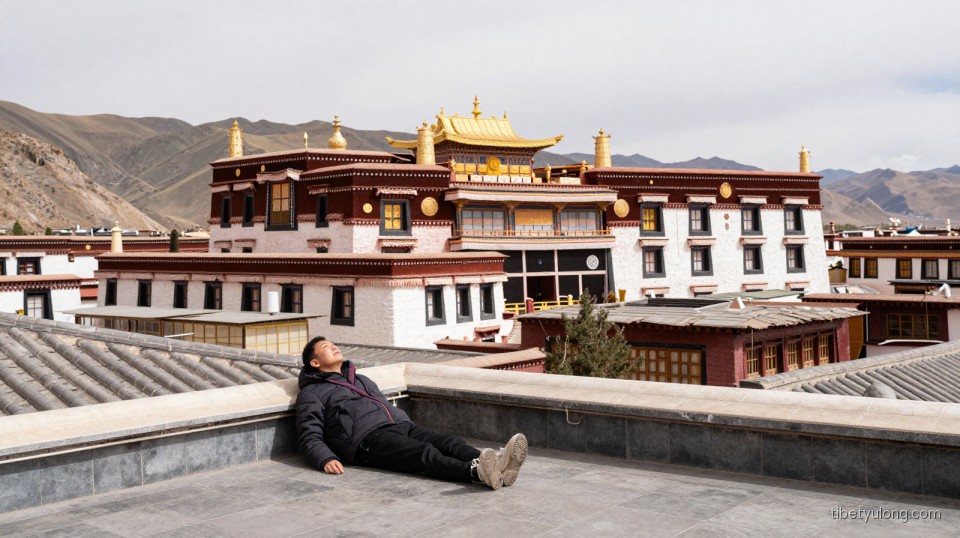
Common Symptoms To Watch For
A headache is a frequent early symptom. It may occur with nausea or vomiting, loss of appetite, dizziness, tiredness, or difficulty sleeping. Some travelers feel unusually weak during a walk that would normally be easy. Symptoms can vary from person to person, and not every headache at altitude is AMS. Dehydration, poor sleep, travel fatigue, and other conditions can also cause discomfort, so pay attention to the overall pattern and seek medical advice when uncertain.
Mild symptoms are a reason to pause and monitor how you feel, not to continue climbing or increase exertion. Tell your travel companion or guide that you are unwell. Avoid alcohol and strenuous activity while symptoms are present. If symptoms worsen, do not keep ascending.
Warning Signs That Need Urgent Help
Seek urgent medical care if you or someone with you develops breathlessness while resting, a persistent cough, chest tightness, blue or gray lips, or severe weakness. Confusion, unusual behavior, difficulty walking straight, or reduced alertness can signal a dangerous condition. Symptoms of HAPE or HACE can progress quickly; do not wait for them to pass or rely on a person’s ability to describe how ill they feel.
In an emergency, arrange immediate medical assessment and descent to a lower elevation when it can be done safely. Oxygen and other treatments may be needed, but they are not substitutes for evacuation and professional care. A guide or driver may be able to help coordinate transport, but medical decisions should be made with qualified health professionals whenever possible.
Why Travelers May Be Affected?
The main risk is how quickly you gain altitude, especially when you sleep at a substantially higher elevation than the night before. Flying into a high destination can mean that the body has little opportunity to adapt during the journey. A packed itinerary, long drives over high passes, and strenuous sightseeing soon after arrival may add to the strain.
There is no reliable way to predict exactly who will develop symptoms. Fitness, youth, and an apparently healthy lifestyle do not remove the risk. A previous trip without problems is not a guarantee, either. People with existing heart or lung conditions, other significant health concerns, or a history of altitude illness should discuss travel plans with a clinician before departure. A healthcare professional can advise whether the planned route is appropriate and whether any medication is suitable for the individual.
Conditions on the plateau can also make a trip feel more demanding. Dry air, strong sunlight, cold temperatures, long stretches on the road, and disrupted sleep may contribute to fatigue or make it harder to tell what is causing symptoms. Keeping a relaxed pace and communicating early about discomfort are sensible precautions.
Planning A Safer Tibet Itinerary?
Build time for acclimatization into your route rather than treating it as spare time that can be removed. Many travelers schedule an easier first day after reaching a high destination, keeping activities close by and avoiding strenuous climbs. A gradual itinerary can reduce the stress of a rapid ascent, although it cannot eliminate the possibility of altitude illness.
When choosing overnight stops, ask how the route changes in elevation from one night to the next. The elevation where you sleep is especially relevant to acclimatization. A tour that reaches a high pass during the day and returns to a lower sleeping elevation differs from one that spends the night high up, but either can be demanding. Discuss the pace and overnight elevations with your operator before booking, and leave room to adjust plans if someone develops symptoms.
If you are traveling with Tibet Yulong or another tour provider, share relevant health concerns before the journey and ask how the itinerary handles altitude-related illness. Confirm who to contact, how transport can be arranged, and where medical assistance may be available along the route. These questions are practical planning, not a reason to expect a particular emergency response from any operator.
Arrival Day And The First Few Nights
On arrival, keep the first day low-key. Rest, eat according to your appetite, and avoid intense exercise, alcohol, and smoking. Gentle movement around your accommodation is generally more sensible than a demanding hike, but listen to your body and follow medical advice if you have a health condition.
During the first few nights, prioritize sleep and avoid scheduling early starts that leave no room to recover. If a headache or other symptoms appear, tell someone promptly and stay at the same elevation or descend as appropriate. Do not take a higher-altitude excursion simply because it is already included in a schedule. A safe itinerary is one that can change when health requires it.

Hongjingtian
Practical Ways To Reduce Risk
The most useful prevention strategy is controlled ascent. If your route allows it, gain elevation gradually and include time at intermediate elevations before sleeping higher. No single schedule suits every traveler or route, so consult a clinician or an experienced trip planner when designing an itinerary that involves substantial elevation changes.
Keep activity gentle while acclimatizing. Carry water and drink regularly, but do not force excessive fluid intake; overhydration can also be harmful. Eat regular meals as tolerated. A balanced diet and adequate rest support general well-being, but neither prevents AMS on its own. Avoid alcohol during the early adjustment period, as it can worsen sleep and make it harder to assess how you feel.
Some travelers may be advised by a clinician to use preventive medication, such as acetazolamide. It is not suitable for everyone and requires individualized medical advice, including discussion of allergies, other medicines, and health history. Do not start a prescription drug based on another traveler’s experience or assume that medication makes rapid ascent safe. If a medicine is prescribed, understand when and how to use it before traveling.
Carry any regular medication in its original packaging and bring enough for the planned trip, plus a reasonable contingency where practical. Keep important health information accessible to your travel companion. If you have a diagnosed condition or prior severe altitude illness, discuss an emergency plan with a healthcare professional before departure.
What To Do If Symptoms Begin?
Stop exertion and tell someone what is happening. Note when symptoms began, what has changed, and whether they are improving or worsening. Rest at your current elevation if symptoms are mild, and avoid going higher while they persist. A companion should check in regularly rather than leaving an unwell traveler alone.
If symptoms become more severe or do not improve, seek medical assessment. Descent is the key response to worsening altitude illness, especially when serious warning signs appear. Arrange help promptly and descend with support; someone who is confused, very weak, or short of breath should not be expected to manage the journey independently. Supplemental oxygen may provide temporary support under appropriate supervision, but it does not make it safe to ignore a worsening condition.
Do not use a painkiller to mask symptoms so you can continue the itinerary. Relief of a headache does not prove that acclimatization is complete. Likewise, do not assume that nausea or fatigue is harmless simply because other members of the group feel well. Each traveler’s response is individual.
Travel Insurance And Health Preparation
Review insurance terms before departure. Check whether the policy covers medical treatment and evacuation at high altitude, and whether any exclusions apply to your planned activities or existing health conditions. Keep the insurer’s emergency contact details available offline, since mobile coverage can vary along the route.
Arrange a pre-trip medical consultation well in advance if you have a chronic condition, take regular medication, are pregnant, or have previously experienced significant altitude illness. A clinician can review your personal risks, discuss medication, and help determine whether the proposed route is appropriate. This advice is particularly important for people with heart or lung disease and for anyone whose health could be affected by delayed access to care.
Pack for changing conditions as well as altitude. Warm layers, sun protection, comfortable footwear, and personal medicines can make travel easier, but equipment cannot prevent altitude sickness. Keep your schedule flexible enough to allow a rest day or a change of route if someone is unwell.
Frequently Asked Questions
Can anyone get high altitude sickness in Tibet?
Yes. It can affect travelers of different ages and fitness levels. A previous trip without symptoms does not guarantee that you will be unaffected on another visit.
How soon can symptoms appear after arriving?
Symptoms may begin within hours of ascending, commonly during the first day or so. Timing varies, so monitor how you feel after each significant increase in elevation, including overnight stops.
Should I continue sightseeing with a mild headache?
Do not push through strenuous activity or ascend to a higher sleeping elevation while symptoms are present. Rest, tell someone, and monitor your condition. Seek medical advice if symptoms persist, worsen, or are accompanied by concerning signs.
Does being fit prevent altitude sickness?
No. Fitness can help with physical activity, but it does not reliably prevent altitude illness. Gradual ascent and a flexible plan remain important for fit travelers.
When should I descend or seek emergency help?
Get urgent help for breathlessness at rest, worsening cough, confusion, difficulty walking, severe weakness, or reduced alertness. Serious symptoms require immediate medical assessment and descent to a lower elevation when safe.