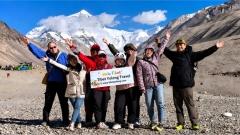
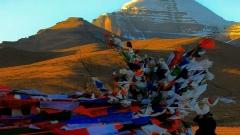
Nestled in the remote corners of the Tibetan Plateau, Peikutso Lake stands as one of the most breathtaking yet least crowded natural wonders in the region. Located in Gyirong County within the Shigatse Prefecture, this expansive body of water sits at an altitude of approximately 4,590 meters. It is the largest inland lake in the Shigatse area, covering around 300 square kilometers. What makes Peikutso Lake truly special is its dramatic backdrop—the towering snow-capped peak of Mount Shishapangma, the only eight-thousander located entirely within Chinese territory. The contrast between the deep blue waters and the white glaciers creates a landscape that feels almost otherworldly. Unlike more commercialized destinations, reaching Peikutso Lake requires effort, making it a rewarding prize for adventurous travelers seeking untouched beauty and profound tranquility.
Key Takeaways:
- Peikutso Lake is the largest inland lake in Shigatse, Tibet.
- It sits at an elevation of 4,590 meters above sea level.
- Mount Shishapangma provides a spectacular snowy backdrop.
- The best visiting seasons are spring and autumn for clear skies.
- Proper acclimatization is essential due to the extreme altitude.
Geography and Natural Beauty of Peikutso Lake
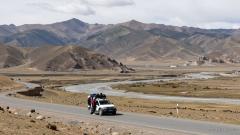
Understanding the geography of Peikutso Lake helps explain why its scenery is so uniquely captivating. The lake is situated about 60 kilometers south of Lhatse County and lies directly along the route connecting Tingri and Gyirong Port. This positioning means that travelers heading toward the Nepal border often catch their first glimpse of the lake from the highway, where the vast expanse of water suddenly appears against the arid plateau.
The waters of Peikutso Lake are primarily fed by glacial meltwater from Mount Shishapangma and surrounding peaks. Because of this source, the lake’s color shifts dramatically depending on the time of day and the angle of the sun. In the early morning, the water often appears as a deep, moody indigo, while midday sunlight transforms it into a brilliant turquoise. The lake itself is divided into two distinct sections—a larger southern part and a smaller northern part—connected by a narrow channel.
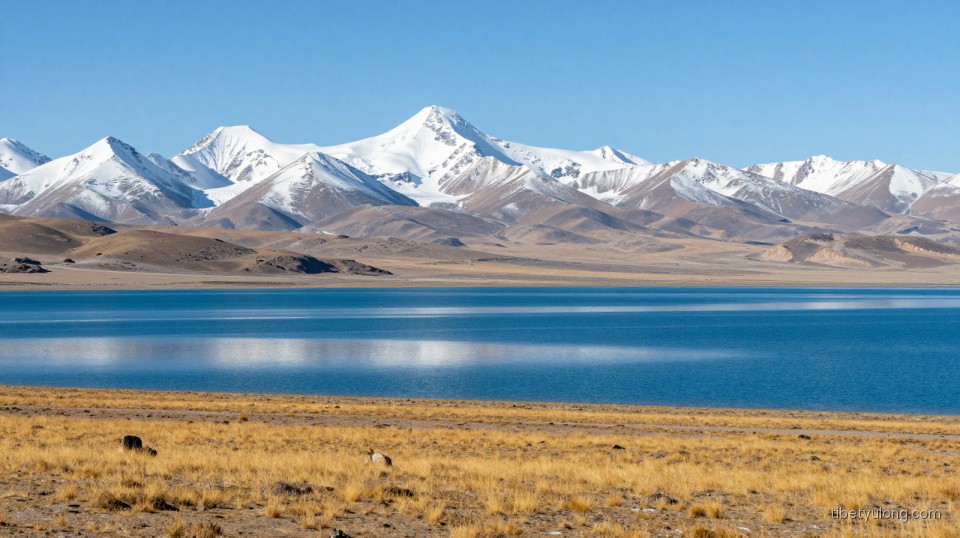
Surrounding the shoreline, you will find vast stretches of alpine meadow that turn golden in the autumn and briefly green during the short summer months. Wildlife enthusiasts might spot Tibetan wild donkeys, black-necked cranes, and various species of migratory birds that use the lake as a resting point. The ecosystem around Peikutso Lake remains fragile and largely undisturbed, offering a rare glimpse into the raw, unfiltered nature of the Himalayas.
How to Plan Your Journey to Peikutso Lake
Reaching Peikutso Lake is an adventure in itself, as public transportation options are virtually non-existent for tourists wanting to stop and explore. The most reliable way to visit is by hiring a private vehicle or joining an organized overland tour departing from either Lhasa or Shigatse. The drive from Shigatse takes roughly six to seven hours, passing through high mountain passes and vast grasslands before descending toward the lake basin.
For those traveling from Lhasa, the journey is significantly longer, usually requiring an overnight stay in Shigatse or Lhatse. The road conditions have improved significantly in recent years, with paved highways covering most of the route. However, the final stretches near the lake can sometimes be affected by weather, particularly during the winter months when ice and snow are common.
When organizing logistics, many travelers rely on experienced local operators like Tibet Yulong Travel to arrange vehicles, permits, and itineraries. Navigating the Tibetan Plateau requires specific travel documents, including the Tibet Travel Permit and, depending on your exact route, an Alien Travel Permit for border areas like Gyirong. Having a knowledgeable agency handle these bureaucratic requirements ensures that your focus remains on enjoying the journey rather than stressing over paperwork.
Best Time to Visit Peikutso Lake
Choosing the right season to visit Peikutso Lake can make or break your experience. The general consensus among seasoned travelers is that the optimal windows are late April to June (spring) and September to November (autumn). During these periods, the monsoon rains have either not yet arrived or have already passed, resulting in crisp, clear skies that offer unobstructed views of Mount Shishapangma reflecting in the lake.
Summer, from July to August, brings warmer temperatures but also introduces the rainy season. Cloud cover frequently obscures the surrounding peaks, and sudden downpours can make driving conditions challenging. While the grasslands are at their greenest during summer, the trade-off in visibility often disappoints photographers hoping for that iconic mountain-lake reflection.
Winter visits to Peikutso Lake are reserved for the most hardened adventurers. Temperatures plummet well below freezing, and parts of the lake may freeze over. However, winter offers unparalleled atmospheric clarity. If you can brave the cold, the stark, icy landscape combined with brilliant blue skies creates a hauntingly beautiful scene that very few people ever witness.
Photography Tips for Capturing Peikutso Lake
For photographers, Peikutso Lake is a dream location, but the extreme environment demands preparation. The high altitude means thinner atmosphere, which results in intense UV radiation and incredibly harsh light during the middle of the day. To capture the best images, plan your shooting sessions for the golden hours—shortly after sunrise and just before sunset. The low-angle light softens the landscape and enhances the rich colors of the water and mountains.
A polarizing filter is absolutely essential when photographing Peikutso Lake. It cuts through the glare on the water’s surface, revealing the deeper blues and allowing the reflection of Mount Shishapangma to pop with stunning clarity. Wide-angle lenses are ideal for capturing the sheer scale of the landscape, but bringing a telephoto lens is equally important for isolating distant wildlife or compressing the perspective between the lake and the snow-capped peaks.
Keep in mind that batteries drain much faster in the cold, high-altitude air. Always carry spare batteries and keep them warm inside your jacket pockets until you are ready to shoot. Additionally, dust and wind can be persistent issues near the shoreline, so protecting your gear with appropriate covers when not actively shooting will save you from sensor cleaning headaches later.
Essential Preparation and Altitude Safety
Sitting at nearly 4,600 meters, the environment around Peikutso Lake poses a genuine risk of altitude sickness if you are not properly prepared. Acclimatization is not optional; it is a strict requirement for a safe trip. Most itineraries recommend spending at least two to three days in Lhasa (3,650 meters) or Shigatse (3,840 meters) before pushing higher toward the lake. This gradual ascent allows your body to produce more red blood cells to cope with the reduced oxygen levels.
Hydration plays a critical role in managing altitude. Drink plenty of water throughout the day, even if you do not feel thirsty, as the dry plateau air accelerates dehydration. Avoid alcohol and heavy, greasy meals during your first few days at high elevation. Light, carbohydrate-rich foods provide better energy and are easier for your body to process when oxygen is scarce.
Pack layers of clothing suitable for rapid temperature changes. Even on a sunny afternoon, the wind coming off Peikutso Lake can drop the perceived temperature drastically. Thermal base layers, a windproof outer shell, a warm hat, and gloves should always be accessible in your daypack. Sun protection is equally vital; apply high-SPF sunscreen regularly and wear UV-blocking sunglasses to prevent snow blindness, especially when the sun reflects off the water or nearby glaciers.
Exploring the Surrounding Region
While Peikutso Lake is undoubtedly the centerpiece, the surrounding Gyirong region holds several other attractions worth incorporating into your itinerary. Just south of the lake lies the Gyirong Valley, often referred to as the “back garden of the Himalayas.” Unlike the barren plateau, this valley plunges downward into a lush, subtropical gorge filled with dense forests, hot springs, and ancient villages. The transition from the arid lake basin to the verdant valley is one of the most striking geographical contrasts in all of Tibet.
Travelers heading toward the Nepal border will pass through Gyirong Town, a historic trading post with centuries of cultural exchange between Tibetan and Nepalese communities. Exploring the local monasteries and interacting with residents provides valuable cultural context to the natural beauty you have witnessed at the lake.
Whether you are drawn by the challenge of the high-altitude roads, the pursuit of perfect landscape photography, or simply the desire to stand before the majesty of Mount Shishapangma, Peikutso Lake delivers an experience that resonates long after you return home. By planning carefully, respecting the fragile environment, and prioritizing your physical well-being, you can fully immerse yourself in the quiet grandeur of this remarkable Tibetan destination.