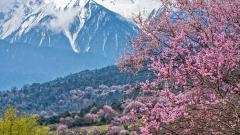
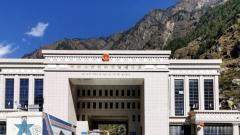
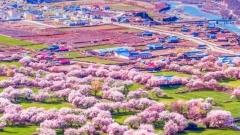
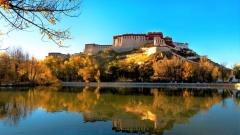
Perched on the edge of the Tibetan Plateau, Tingri is a destination that captures the imagination of every serious traveler. Known primarily as the staging ground for expeditions to Mount Everest, this remote county offers far more than just a basecamp experience. The air is thin, the landscapes are vast, and the cultural heritage runs deep into the history of the Himalayas. Whether you are an avid trekker, a photography enthusiast, or someone seeking spiritual solitude, Tingri provides an authentic glimpse into life at the roof of the world.
Before diving deep into the wonders of this high-altitude region, here are the key takeaways for planning your journey:
- Tingri serves as the primary gateway to the northern face of Mount Everest.
- The average elevation exceeds 4,300 meters, requiring proper acclimatization.
- Old Tingri offers superior panoramic views of Everest, Cho Oyu, and Makalu.
- A Tibet Travel Permit is mandatory for all foreign visitors entering the region.
- The best visiting seasons are spring and autumn when skies are clearest.
Understanding the Geography and Significance of Tingri
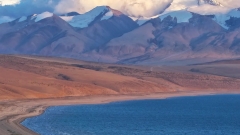
To truly appreciate Tingri, one must first understand its geographical context within the Tibet Autonomous Region. Located in Shigatse Prefecture, the county stretches across a massive expanse of rugged terrain, bordered by Nepal to the south. It sits directly in the rain shadow of the Himalayas, which results in a stark, arid landscape characterized by sweeping valleys, glacial rivers, and towering snow-capped peaks. This unique positioning makes Tingri not just a transit point, but a destination defined by its extreme natural beauty.
The name itself resonates deeply within the mountaineering community. For decades, explorers and climbers have passed through its dusty roads on their way to conquer the highest peaks on Earth. However, the significance of the area extends beyond modern mountaineering. Historically, it was a vital corridor along the ancient salt trade routes connecting the Tibetan plateau with the lowlands of Nepal. Merchants, monks, and nomads traversed these paths, leaving behind a rich tapestry of cultural exchange that still influences the local way of life today. When you visit Tingri, you are walking through centuries of trans-Himalayan history.
New Tingri vs. Old Tingri: Which Should You Visit?
Travelers often get confused when researching Tingri because there are actually two distinct locations referred to by this name. Understanding the difference between New Tingri (Shegar) and Old Tingri is crucial for planning your itinerary and managing your expectations regarding scenery and accommodation.
New Tingri, officially known as Shegar, is the administrative center of the county. Situated at an elevation of about 4,350 meters, it functions as the main supply hub where travelers stop to rest, refuel, and purchase last-minute supplies before heading further into the mountains. While Shegar has basic guesthouses, restaurants, and small shops, it lacks the dramatic mountain vistas that draw most people to the region. It is essentially a functional town built along the Friendship Highway.
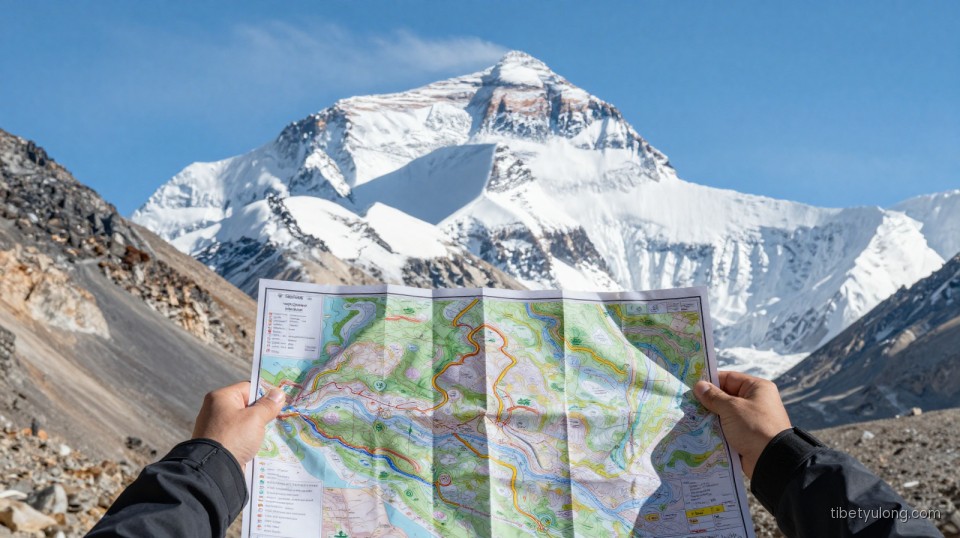
Old Tingri, located roughly 60 kilometers west of Shegar, is where the magic happens. Sitting slightly higher at around 4,500 meters, this small settlement is world-renowned for offering one of the most spectacular panoramic views of the Himalayan range. On a clear day, you can see four peaks over 8,000 meters from Old Tingri: Mount Everest, Lhotse, Makalu, and Cho Oyu. The village itself is modest, consisting of a few guesthouses and local dwellings, but the backdrop is nothing short of cinematic. Most photography tours and independent travelers prefer spending their nights in Old Tingri to witness the sunrise painting the giant peaks in hues of gold and pink.
Preparing for High Altitude in Tingri
One cannot discuss traveling to Tingri without addressing the reality of high altitude. With elevations consistently above 4,300 meters, the oxygen levels are roughly half of what they are at sea level. Acute Mountain Sickness (AMS) is a genuine concern, and proper preparation is not just recommended; it is essential for a safe journey.
The golden rule for visiting Tingri is never to rush your ascent. Most itineraries route travelers from Lhasa (3,650 meters) to Shigatse (3,840 meters), and finally to Tingri. This gradual climb allows your body time to produce more red blood cells and adapt to the thinner air. Spending at least two to three days acclimatizing in Lhasa before moving westward significantly reduces the risk of severe altitude sickness.
Hydration plays a critical role in acclimatization. Drink plenty of water throughout the day, even if you do not feel thirsty, as the dry mountain air accelerates dehydration. Avoid alcohol and heavy, greasy meals during your first few days at high elevation. Instead, opt for carbohydrate-rich foods that are easier for your body to process when oxygen is scarce. Many experienced guides recommend carrying portable oxygen canisters and consulting with a physician about prophylactic medications like acetazolamide before embarking on your trip to Tingri. Listen to your body—if you experience severe headaches, nausea, or breathlessness that does not improve with rest, descending to a lower altitude is the only reliable cure.
Essential Permits and Logistics for Tingri Travel
Traveling to Tingri requires navigating a specific set of bureaucratic requirements designed to manage tourism in sensitive border regions. Independent backpacking is not permitted for foreign nationals in Tibet; you must be part of an organized tour with a registered guide.
The foundational document you need is the Tibet Travel Permit, issued by the Tibet Tourism Bureau. This permit is required simply to board a flight or train into Tibet. However, because Tingri is located near the international border with Nepal and falls within the Mount Everest nature reserve zone, an additional Alien Travel Permit (also known as a PSB Permit) is required. Your travel agency will arrange this permit using your passport and Tibet Travel Permit once you arrive in Tibet, usually in Lhasa or Shigatse.
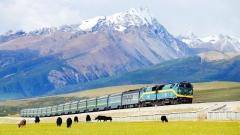
Logistically, reaching Tingri involves a long drive along the famous Friendship Highway (National Highway 318). The road conditions have improved dramatically over the years, but the sheer distance and winding mountain passes mean travel times are long. The drive from Lhasa to Tingri typically takes two full days, with an overnight stop in Shigatse or Lhatse. Ensuring your vehicle is well-maintained and your driver is experienced in high-altitude navigation is paramount. This is why partnering with specialized agencies like Tibet Yulong Travel is highly recommended. Their expertise in handling complex permit applications, arranging reliable transportation, and providing knowledgeable local guides ensures that the logistical hurdles of traveling to Tingri are managed smoothly, allowing you to focus entirely on the experience.
Cultural Encounters and Local Life in Tingri
Beyond the towering mountains, the human element of Tingri offers a profound travel experience. The local population consists predominantly of ethnic Tibetans whose lives are intricately tied to the harsh environment and their Buddhist faith. Nomadic herding remains a primary livelihood, and it is common to see vast flocks of yaks and sheep grazing on the sparse alpine grasslands.
When passing through the villages of Tingri, you will notice the vibrant prayer flags fluttering in the relentless wind. These flags are not merely decorative; they carry mantras printed on them, believed to spread goodwill and compassion into the surrounding space as the wind carries them. Monasteries and stupas dot the landscape, serving as focal points for community gatherings and spiritual practice. While large, famous monasteries are found closer to Lhasa or Shigatse, the smaller, local temples in the Tingri area offer a more intimate and uncommercialized look at Tibetan Buddhism.
Interacting with locals requires respect and sensitivity. Always ask for permission before taking portraits of residents, monks, or their livestock. A friendly smile goes a long way, but remember that this is a conservative region, and modest behavior is appreciated. Purchasing handicrafts or enjoying a meal at a local teahouse is a great way to support the community economically while experiencing authentic Tibetan hospitality. Try the traditional butter tea—a salty, rich beverage that provides much-needed calories and warmth in the cold Tingri climate.
The Best Time to Experience Tingri
Timing your visit to Tingri can make the difference between witnessing crystal-clear mountain panoramas and staring into a wall of white clouds. The weather patterns on the Tibetan Plateau are extreme, and choosing the right season is vital.
Spring, specifically April and May, is widely considered the optimal time to visit Tingri. During these months, the winter winds begin to subside, and the pre-monsoon period brings remarkably stable, clear weather. The visibility is outstanding, making it the preferred window for mountaineers attempting Everest and for photographers wanting unobstructed views of the peaks. The daytime temperatures are manageable, though nights remain freezing.
Autumn, from late September through November, is the second-best window. After the summer monsoon rains wash the dust from the atmosphere, the skies turn a deep, piercing blue. The landscapes take on golden hues as the sparse vegetation dries out, creating a beautiful contrast against the white snow and dark rock of the mountains.
Summer (June to August) coincides with the monsoon season. While Tingri receives less rainfall than the southern slopes of the Himalayas due to the rain shadow effect, cloud cover is persistent, frequently obscuring the mountain views. Winter (December to February) offers clear skies but brings brutal cold and heavy snowfall that can block mountain passes and make travel to Tingri dangerous or impossible.
Photography Tips for Capturing Tingri
For photographers, Tingri represents a holy grail of landscape imagery. The combination of immense scale, dramatic lighting, and pristine environments creates endless opportunities. However, shooting in this region comes with unique technical challenges.
The intense UV radiation and high altitude mean that light behaves differently here. Colors appear more saturated, and the contrast between shadows and highlights can be extreme. Using graduated neutral density filters or bracketing your exposures is highly recommended to balance the bright skies with the darker foregrounds. Polarizing filters will help deepen the blue of the sky and reduce glare off the snowfields, but use them sparingly so the sky does not look unnaturally dark.
Dust and cold are your equipment’s worst enemies in Tingri. Bring plenty of lens cloths and avoid changing lenses outdoors when the wind is blowing. Cold temperatures drain camera batteries rapidly; always carry spare batteries and keep them warm inside your inner jacket pockets close to your body heat until you need them. Finally, remember to put down the camera occasionally. The sheer magnitude of standing in Tingri, looking up at the highest point on Earth, is an experience that transcends any photograph you could ever take.