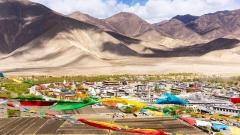
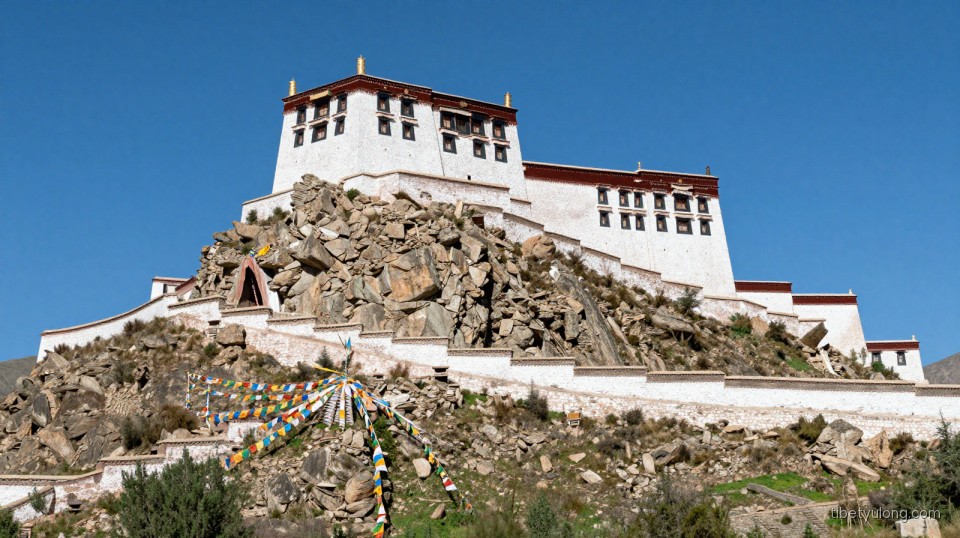
Perched atop a rugged hill overlooking the sprawling valley below, Gyantse Dzong stands as one of Tibet’s most magnificent and historically significant fortresses. Located in Gyantse County within the Shigatse Prefecture, this imposing structure has watched over the ancient trade routes between India and central Tibet for centuries. Unlike many other historical sites that have been reduced to mere ruins, Gyantse Dzong retains an aura of invincibility, offering visitors a tangible connection to the region’s complex past. Whether you are a history enthusiast, an avid photographer, or a traveler seeking authentic cultural experiences, exploring Gyantse Dzong provides an unforgettable journey into the heart of Tibetan heritage. The sheer scale of the fortress, combined with its dramatic mountain backdrop, makes it a must-visit destination on any comprehensive Tibetan itinerary.
Key Highlights:
- Dominates the skyline of Gyantse town from a rocky hilltop.
- Site of fierce resistance during the early 20th-century conflicts.
- Offers panoramic views of the surrounding agricultural valleys.
- Houses a small museum detailing local history and culture.
- Perfectly complements a visit to the nearby Pelkor Chode Monastery.
The Historical Significance of Gyantse Dzong
To truly appreciate a visit to Gyantse Dzong, one must first understand its deep historical roots. The word “Dzong” translates to “fortress” or “castle” in the Tibetan language, serving historically as administrative centers, military garrisons, and monastic hubs. Gyantse Dzong was originally constructed in the late 14th century, around 1390, by local chieftains who sought to protect their territory and control the lucrative trade passing through the Nyang Chu river valley. For generations, it functioned as the political and military nerve center of the region, housing local rulers and their retinues.
However, the most defining chapter in the history of Gyantse Dzong occurred during the British expedition to Tibet in 1904. Led by Sir Francis Younghusband, British forces advanced into Tibet, prompting fierce local resistance. The defenders of Gyantse Dzong held out against heavily armed modern artillery for several months, utilizing the fortress’s elevated position and thick stone walls to their advantage. Though the fortress eventually fell after brutal bombardment, the defenders’ courage earned Gyantse the enduring title of the “Heroic City.” Today, walking through the weathered corridors of Gyantse Dzong, visitors can still see the scars left by cannon fire, serving as a somber reminder of the sacrifices made to defend this land.
Architectural Marvels of Gyantse Dzong
The architectural design of Gyantse Dzong is a masterclass in traditional Tibetan defensive engineering. Built directly into the craggy rock face, the fortress appears almost like a natural extension of the hill itself. Its massive outer walls taper inward as they rise, a classic Tibetan architectural technique designed to provide stability against earthquakes and to make scaling the walls incredibly difficult for attackers. The whitewashed stone surfaces contrast sharply with the dark wooden window frames and the colorful prayer flags that flutter in the high-altitude winds.
Inside, the layout of Gyantse Dzong is a labyrinth of narrow staircases, hidden chambers, and expansive courtyards. The upper levels once housed the living quarters of the local administrators and the main assembly halls, while the lower sections were used for storage, armories, and dungeons. During recent decades, careful restoration efforts have stabilized the structure, allowing visitors to safely explore the interior. A small museum located within the fortress displays artifacts, weapons, and photographs related to the 1904 conflict, providing valuable context to the empty rooms and echoing hallways. The strategic placement of watchtowers ensures that every approach to the valley could be monitored, highlighting the military genius behind the construction of Gyantse Dzong.
Visiting Gyantse Dzong: What to Expect
Planning a trip to Gyantse Dzong requires some preparation, primarily due to its high altitude and remote location. Situated at approximately 3,950 meters (about 12,960 feet) above sea level, the air is thin, and physical exertion can feel much more demanding than at lower elevations. Visitors should allocate ample time to acclimatize before attempting the steep climb up the hill to the fortress entrance. Taking slow, measured steps and staying hydrated are essential practices when ascending to Gyantse Dzong.
Upon reaching the top, travelers are rewarded with breathtaking, unobstructed 360-degree views. To the north, the golden spire of the Kumbum at Pelkor Chode Monastery catches the sunlight, while the patchwork of green barley fields stretches out toward the snow-capped peaks of the Himalayas in the distance. The atmosphere inside the fortress is generally quiet and contemplative. Unlike more commercialized tourist sites, Gyantse Dzong maintains a raw, authentic feel. Photography enthusiasts will find endless opportunities here, particularly during the early morning or late afternoon when the angled light casts long shadows across the ancient stone walls, emphasizing the texture and age of the structure.
How to Include Gyantse Dzong in Your Itinerary
Gyantse Dzong is rarely visited as a standalone destination; rather, it serves as a crucial stop on the overland route connecting Lhasa to Shigatse, or as part of a broader journey toward Mount Everest Base Camp. The town of Gyantse itself is relatively small and can be comfortably explored on foot in a single day. Most travelers choose to spend one night in Gyantse, allowing enough time to thoroughly explore both the fortress and the adjacent monastery complex without feeling rushed.
When organizing your travel logistics, partnering with experienced professionals makes a significant difference. Agencies like Tibet Yulong Travel specialize in crafting seamless itineraries that include Gyantse Dzong alongside other regional highlights. Navigating the permit requirements, arranging reliable transportation on high-altitude roads, and securing knowledgeable local guides are tasks best handled by seasoned operators such as Tibet Yulong Travel. Their expertise ensures that your visit to Gyantse Dzong is not only logistically smooth but also culturally enriching, as local guides can share oral histories and legends that are not found in standard guidebooks. By incorporating professional guidance, travelers can focus entirely on absorbing the majestic presence of the fortress rather than worrying about administrative hurdles.
Cultural Context and Nearby Attractions
A visit to Gyantse Dzong is incomplete without understanding its relationship with the surrounding cultural landscape. Directly below the fortress lies the Pelkor Chode Monastery, an institution unique in Tibetan Buddhism for harmoniously housing monks from different sects—Sakya, Gelug, and Kadampa—under one roof. The monastery’s crowning jewel is the Kumbum, a massive multi-tiered stupa containing dozens of chapels filled with exquisite murals and statues. Historically, the spiritual power of the monastery and the military might of Gyantse Dzong worked in tandem to protect the community.
Furthermore, the town of Gyantse is famous for its traditional carpets, which are hand-woven using techniques passed down through generations. After descending from the heights of Gyantse Dzong, taking a stroll through the local markets offers a chance to see these vibrant textiles and interact with friendly locals. The annual Damar Festival, usually held in the summer, transforms the town with horse racing, archery, and traditional dancing, bringing the area around the fortress to life with joyous celebration. Exploring these cultural facets adds profound depth to the experience of visiting Gyantse Dzong, transforming a simple sightseeing trip into a holistic cultural immersion.
Practical Tips for Travelers Heading to Gyantse Dzong
To ensure a safe and enjoyable experience at Gyantse Dzong, keep several practical considerations in mind. First, always carry layers of clothing. The weather on the exposed hilltop can change rapidly, shifting from warm sunshine to biting winds within minutes. Sun protection, including sunscreen, sunglasses, and a wide-brimmed hat, is absolutely mandatory due to the intense ultraviolet radiation at this altitude.
Second, respect the site. Gyantse Dzong is not merely a tourist attraction; it is a monument to those who defended their homeland. Maintain a respectful demeanor, avoid climbing on fragile walls, and follow the designated pathways. Third, verify all travel permits well in advance. Foreign travelers require a Tibet Travel Permit, and sometimes additional alien travel permits, to enter the Shigatse region where Gyantse Dzong is located. Working with established agencies like Tibet Yulong Travel simplifies this bureaucratic process significantly.
Finally, manage your expectations regarding amenities. While basic guesthouses and restaurants exist in Gyantse town, luxury accommodations are limited. Embrace the rustic charm of the region. The reward for this minor discomfort is standing atop the battlements of Gyantse Dzong, feeling the same mountain breeze that has swept over this heroic fortress for over six centuries, surrounded by one of the most spectacular landscapes on Earth.