Choosing how to travel in Tibet shapes more than your budget: it affects your daily pace, the people you share the road with, and how much room you have to adjust plans. A private Tibet tour offers a dedicated itinerary and vehicle, while a join-in group tour combines travelers on a planned route. The right fit depends on your priorities, group size, and travel dates.
Key Points
- Choose private for flexibility: Adjust the pace and tailor the itinerary within local travel requirements.
- Choose a group tour for shared costs: Join a scheduled trip with other travelers and a set route.
- Both need advance planning: Foreign visitors generally need to arrange Tibet travel through an authorized travel agency, with required permits and an organized itinerary.
- Consider altitude and pace: A realistic schedule and time to acclimatize matter whichever option you choose.
- Compare the full cost: Check what the quoted price includes, such as transport, guide services, accommodation, meals, and permit arrangements.
Private Tibet Tour Or Join-In Group Tour: The Main Difference
The core distinction is control. On a private tour, the itinerary and vehicle are arranged for your own party, typically with a guide and driver. You may be able to discuss departure dates, sightseeing pace, and some route details with the agency. This does not mean you can travel anywhere or change plans freely: Tibet travel arrangements are subject to local rules, permit conditions, road access, and the itinerary approved for your trip.
A join-in group tour brings individual travelers together on a prearranged itinerary. You share the vehicle and guide with the other participants, and the schedule is generally fixed so that the group can travel together. Departure dates and group size depend on the operator and the trip being offered. Some tours require a minimum number of participants, so confirm whether a departure is guaranteed before booking.
Both formats can include the same destinations and services. A group tour is not necessarily a different standard of travel, and a private tour does not automatically include luxury accommodation or special access. What matters is the actual itinerary, service level, group arrangements, and written inclusions.
What A Private Tibet Tour Is Like?
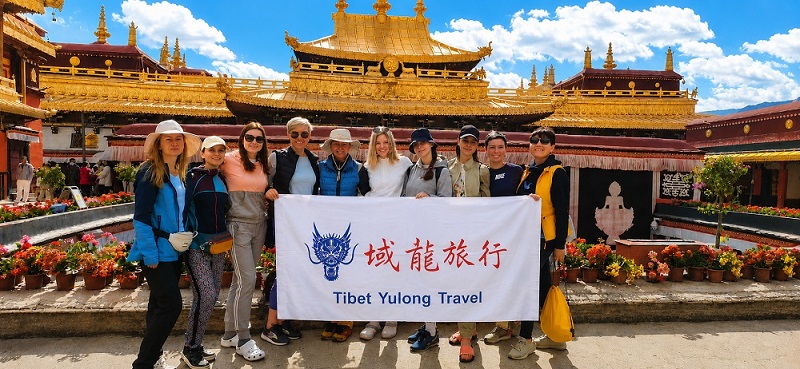
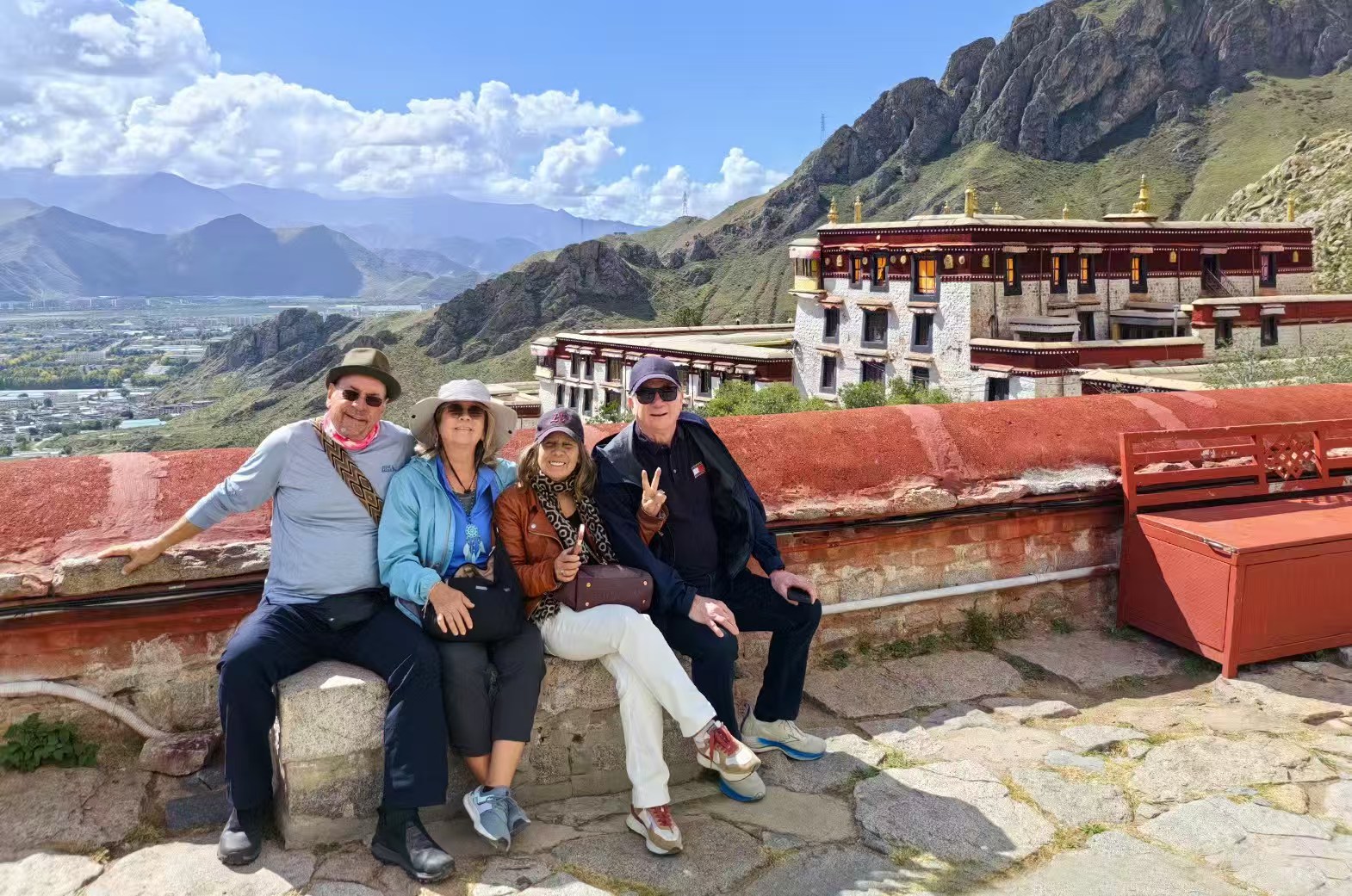
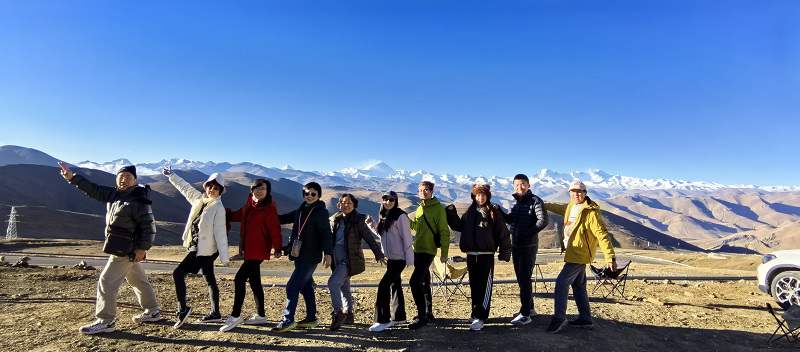
A private Tibet tour is usually best understood as a dedicated arrangement for your own travel party, rather than a fully independent trip. You travel with the guide and driver assigned to your itinerary, and your route is planned with the agency in advance. The party may be one traveler, a couple, a family, or a group of friends, depending on the operator’s policies and vehicle capacity.
Advantages Of Traveling Privately
The most noticeable benefit is the ability to make the schedule suit your party. If someone needs a slower morning or more time at a site, your guide can discuss what is practical. A family may appreciate having a familiar group of companions, while photographers may value more time at selected viewpoints when the itinerary and conditions allow it.
Private travel can also make communication simpler. You can discuss food preferences, mobility needs, room arrangements, or special interests before departure. The agency may be able to incorporate suitable requests, but all services should be confirmed in writing. A requested stop or hotel cannot be assumed to be available simply because a tour is private.
For a small party, the price per person may be higher than on a join-in trip because the vehicle, guide, and other arrangements are not divided across a larger group. For several travelers, the difference may narrow, but it depends on the route, accommodation, season, and services included. Ask for a price breakdown rather than judging the two formats by a headline rate.
Limits To Keep In Mind
Private does not mean self-guided or unrestricted. Foreign travelers generally need to arrange travel in Tibet through an authorized agency, and the agency coordinates the required documents and itinerary. Rules and access conditions can change, and some routes or areas require additional arrangements. Confirm the current requirements for your nationality, destinations, and travel dates before paying a deposit.
Nor does a private tour guarantee a spontaneous schedule. Long distances, road conditions, weather, site opening arrangements, and altitude all affect the day. An itinerary may have to change for safety or operational reasons, and a guide cannot promise access to a place that is closed or outside the approved route. Flexibility is best understood as room to adapt within the permitted and practical framework.
What A Join-In Tibet Group Tour Is Like?
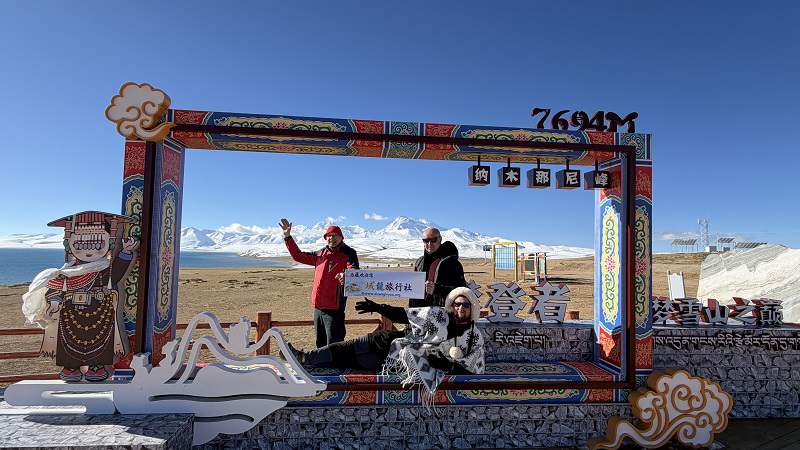
A join-in tour is designed for travelers who are willing to share a planned trip with people they may not know beforehand. The operator sets the route and departure dates, then brings participants together for the journey. You follow the group schedule and share the vehicle and guide, while accommodation and meals are handled according to the tour’s stated arrangement.
Advantages Of Joining A Group
The main appeal is shared cost. When several travelers use the same vehicle and guide, the per-person price can be lower than arranging those services for a small private party. This can make a scheduled trip attractive to solo travelers and couples, particularly when the departure date and itinerary already match their plans.
A group tour also removes some planning decisions. The route, transport, and day-to-day structure are organized in advance, which can be reassuring for visitors unfamiliar with travel logistics in Tibet. The group may also provide easy company during long drives and shared sightseeing, although the experience depends on the personalities and needs of its members.
Trade-Offs Of A Shared Itinerary
You need to be comfortable with a set pace. A group cannot usually wait indefinitely for one participant, add an unplanned destination, or spend extra time at every stop. Departure times, meal breaks, and sightseeing windows are designed around the full party, not individual preferences.
Group size and composition are important details to check. Ask how many travelers may join, whether the group is confirmed, and what happens if the minimum number is not reached. Find out whether rooming is private or shared, whether a single supplement applies, and how the operator handles different dietary or mobility needs. These details can affect both comfort and the final cost.
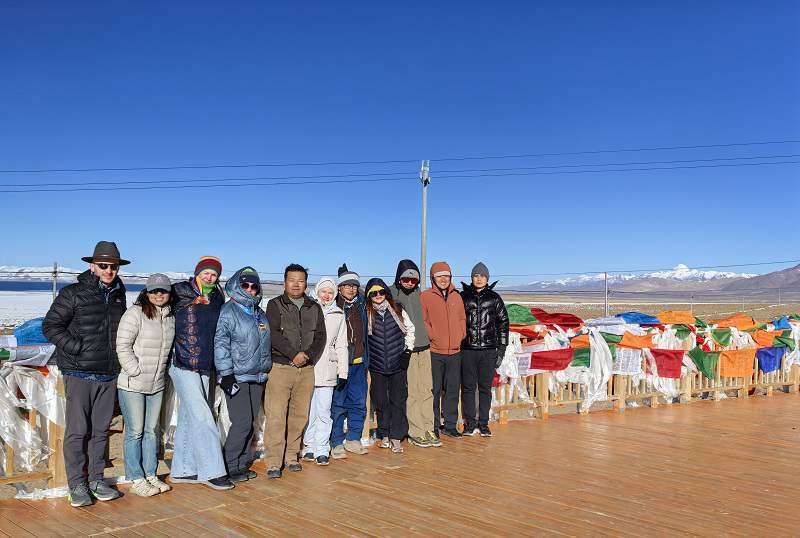
Private Tibet Tour Vs. Group Tour: A Practical Comparison
Itinerary: Private tours can usually be tailored in advance, within the approved route and operating conditions. Join-in tours follow a scheduled itinerary. Compare actual day-by-day plans rather than relying on labels such as “flexible” or “classic.”
Departure dates: A private trip may offer more choice of dates, subject to agency availability and required arrangements. A join-in trip uses listed departures, which may not align with your preferred travel window.
Cost: Group tours commonly spread shared transport and guide costs among participants. Private tours charge for arrangements dedicated to your party. The total price also depends on accommodation, transport distances, meals, season, and included services.
Pace: Private travelers may have more opportunity to discuss timing and breaks. Group travelers need to keep to the collective schedule. In either format, long drives and altitude limit how much can reasonably be covered in a day.
Social experience: A group tour offers a ready-made travel group. A private tour gives your own party more privacy, though you will still interact with guides, drivers, hotel staff, and other visitors.
Planning effort: Both require advance coordination. Join-in tours simplify route planning once you select a departure. Private tours involve more discussion about preferences and itinerary details, but an agency manages the operational arrangements.
How To Choose The Right Tour For You?
Choose Private If Your Priorities Are Specific
A private Tibet tour may suit you if your party has a clear interest, such as photography, cultural sites, or a slower sightseeing rhythm. It is also worth considering when traveling with children, older relatives, or companions who need regular breaks. Share those needs early, and ask the agency to explain which adjustments are realistic.
Private arrangements may also work well for friends or families who want to travel together without coordinating with strangers. If you have limited vacation dates, ask whether a private departure can be arranged around your schedule. The itinerary still needs to fit the required travel arrangements and practical route conditions.
Choose A Join-In Tour If Dates And Route Match
A join-in trip can be a sensible choice if you are traveling alone or as a couple, have a moderate budget, and are happy with the published route. It is particularly convenient when you can adapt your dates to an available departure and do not need a highly customized schedule.
Before booking, make sure the trip has enough confirmed participants or that you understand the operator’s cancellation and alternative-departure policy. Clarify the maximum group size and whether the quoted price changes if the group is smaller than expected. A low initial price is less useful if important services are excluded or the departure remains uncertain.
Consider Your Travel Companions And Comfort
Think beyond the number of people in your party. Are you comfortable sharing a vehicle with unfamiliar travelers? Does anyone need a particular meal, private room, frequent rest stops, or extra time on foot? Can everyone in your party manage the planned daily schedule? These questions may point toward one format, but they should also prompt a direct conversation with the operator.
Tibet is a high-altitude destination. Travelers respond differently to altitude, and no tour format can guarantee that everyone will feel well. Allow time for acclimatization, follow your guide’s safety instructions, and discuss relevant health concerns with a medical professional before the trip. Avoid choosing an itinerary solely because it covers the most places in the fewest days.
Permits, Booking, And Questions To Ask
Foreign visitors generally need travel arrangements made through an authorized travel agency for trips in Tibet, with the necessary permits arranged as applicable. Requirements depend on nationality, itinerary, and current regulations, so verify them with the agency before finalizing travel. Do not assume a tour price includes every document, domestic transport segment, or service unless the booking terms say so clearly.
Ask for a written itinerary and a detailed list of inclusions and exclusions. Confirm accommodation category, room configuration, meals, guide and driver services, vehicle arrangements, entrance fees, and any airport or railway station transfers. If you are taking a join-in tour, ask about the confirmed departure status, group size, single-room supplement, and the process if plans change. For a private tour, confirm which itinerary elements can be adjusted and which are fixed by permits or logistics.
Check the cancellation, refund, and rescheduling terms, including what happens if a permit, transport service, or departure cannot be arranged. Keep copies of your booking documents and follow the agency’s instructions on the required travel documents. Since rules and operating conditions can change, obtain current details for your own travel dates rather than relying on an old itinerary or another traveler’s experience.
Budgeting For The Full Tibet Trip
Compare total trip costs, not just the advertised tour fee. International flights to China, onward transport to Tibet, accommodation before or after the tour, meals not listed as included, travel insurance, and personal expenses may sit outside the package. Depending on your route, you may also need to account for domestic flights or train tickets, which have separate availability and pricing.
For a private trip, ask how the quoted rate changes with party size. For a group trip, confirm whether the price assumes a particular number of participants and whether a single room costs extra. In both cases, check whether transport is by private vehicle, shared vehicle, or another arrangement, and whether the guide’s services cover the entire itinerary.
A clear quotation should state what is included, what is excluded, the payment schedule, and the cancellation conditions. If two offers differ substantially, compare their route, accommodation, transport, group size, and services line by line. A cheaper quote may simply cover fewer items.
Common Mistakes To Avoid
One common mistake is assuming that “private” means complete freedom. It generally means dedicated arrangements for your party, not permission to disregard travel rules or change the route at will. Another is booking a group tour without checking whether its departure is confirmed, how many travelers may join, and what happens if the group does not form.
Travelers sometimes focus on the number of destinations and overlook the time spent driving or adapting to altitude. A packed itinerary can be tiring, even when each stop looks worthwhile on paper. Review the route realistically and leave room for rest, especially at the start of the trip.
Finally, avoid relying on vague promises. Ask for clear written answers about permits, accommodation, transport, meals, guide services, and cancellations. Good planning does not remove every uncertainty, but it helps you understand what the operator is responsible for and what remains outside the tour package.
Frequently Asked Questions
Is A Private Tibet Tour Better Than A Group Tour?
Neither is best for everyone. Private tours offer a dedicated arrangement and more scope to discuss the itinerary; join-in tours can cost less per person and provide a scheduled group experience. Choose based on your budget, dates, desired pace, and comfort with shared travel.
Can I Travel Independently In Tibet?
Foreign visitors generally need to arrange Tibet travel through an authorized travel agency, with required permits and an organized itinerary. Confirm current rules for your nationality and route with the agency before booking.
Are Join-In Group Tours Cheaper?
They often have a lower per-person cost because participants share transport and guide expenses. The final price depends on group size, accommodation, route, and included services, so compare full written quotations.
Can I Change The Route On A Private Tour?
You may be able to discuss adjustments in advance, but changes depend on travel rules, permit conditions, road access, opening arrangements, and the operator’s logistics. Confirm possible changes before the itinerary is finalized.
When Should I Book A Tibet Tour?
Plan well ahead, especially if your dates are fixed or your itinerary includes multiple transport and permit arrangements. Ask the agency for a current timeline for documents, payment, and confirmation, as requirements and availability can vary.