When you travel to the roof of the world, the landscape is not the only thing that leaves a lasting impression. The local diet plays an equally vital role in shaping the entire experience. Tibetan food is born out of necessity, shaped by high altitudes, harsh climates, and a nomadic heritage that spans centuries. It relies heavily on ingredients that provide warmth, energy, and sustenance in one of the most demanding environments on earth. Understanding what locals eat offers a genuine window into their daily lives and cultural values. Whether you are sitting in a traditional teahouse in Lhasa or sharing a meal with a nomadic family on the grasslands, the culinary traditions here are deeply rooted in hospitality.
Key Takeaways:
- Tsampa serves as the foundational staple of the local diet.
- Yak meat and dairy products provide essential energy at high altitudes.
- Butter tea is both a daily beverage and a symbol of hospitality.
- Momos represent the most popular street food and snack.
- Dining etiquette reflects deep respect for nature and guests.
The Foundation of Tibetan Food: Tsampa and Barley
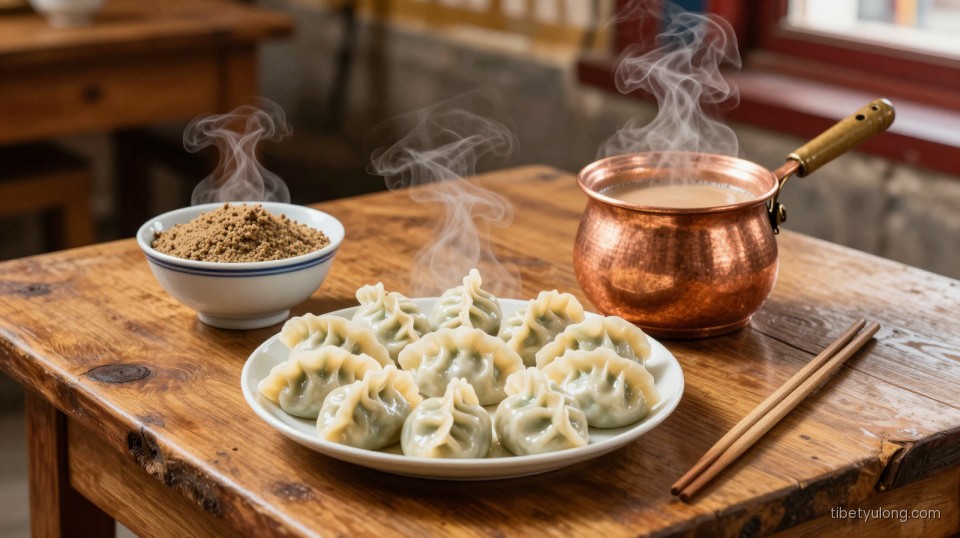
No discussion about this regional diet is complete without mentioning tsampa. This roasted barley flour is the absolute cornerstone of Tibetan food. For centuries, it has sustained farmers, monks, and nomads alike due to its incredible convenience and nutritional density. To prepare it, locals mix the fine flour with salty butter tea in a bowl, using their fingers to knead it into small, dough-like balls. The process requires no cooking fire once the barley is roasted, making it the perfect travel ration for long journeys across the plateau.
Barley itself thrives in high-altitude conditions where other crops fail. It is harvested, roasted over a fire, and then ground into the fine powder known as tsampa. Beyond just being a meal, tsampa holds spiritual significance. During festivals and religious ceremonies, people toss pinches of it into the air as an offering to the gods, praying for good fortune and a bountiful harvest. If you want to truly connect with the local culture, learning to mix and eat tsampa with your hands is an essential experience.
Essential Tibetan Food Staples: Yak Meat and Dairy
The yak is arguably the most important animal on the plateau, and its contribution to Tibetan food cannot be overstated. Living at elevations above 4,000 meters requires a diet rich in fat and protein, and yak meat delivers exactly that. You will find it served in various forms, from dried strips chewed during long treks to rich, slow-cooked stews simmered with root vegetables. The meat is leaner than beef but carries a distinct, slightly sweet flavor that reflects the wild grasses the animals graze on.
Dairy products form another critical pillar of the local diet. Yak milk is exceptionally rich, yielding thick cream and robust cheeses. One common preparation involves boiling the milk and skimming off the top layer to make fresh butter, which is then used in tea or mixed into tsampa. Hard yak cheese, often dried in the sun until it becomes rock-solid, is a favorite snack among herders. It takes some effort to chew, but it provides a massive burst of energy. Soft cheese curds are also enjoyed, sometimes sweetened with sugar or mixed into savory dishes, showcasing the versatility of local dairy.
Warming Beverages: Butter Tea and Sweet Milk Tea
If there is one drink that defines Tibetan food culture, it is po cha, or butter tea. This savory beverage is made by churning black tea leaves—traditionally sourced from compressed bricks—with fresh yak butter and salt. The result is a rich, caloric drink that tastes more like a light broth than a traditional tea. For travelers trying it for the first time, the salty, fatty profile can be surprising, but it is incredibly effective at combating the cold and preventing altitude sickness by keeping the body hydrated and energized.
For those who prefer something sweeter, sweet milk tea (cha ngarmo) is widely available, especially in urban centers like Lhasa and Shigatse. Influenced by neighboring regions, this version uses black tea, fresh milk, and sugar, resembling the milk teas found elsewhere in Asia but with a distinctly local character. Both beverages are central to social life. When visiting a local home, your host will continuously refill your cup. It is considered polite to take a few sips before setting the cup down, allowing the host to top it off again, symbolizing endless hospitality.
Popular Tibetan Food Snacks: Momos and Thukpa
While staples like tsampa and yak meat form the base of the diet, momos are undoubtedly the most beloved dish among both locals and visitors. These steamed or fried dumplings are a defining feature of Tibetan food. The wrappers are made from simple flour and water dough, while the fillings typically consist of minced yak meat or mutton, mixed with onions, garlic, and local spices. Vegetable versions featuring cabbage, potatoes, or radishes are also common. They are always served with a fiery dipping sauce made from crushed chilies, garlic, and sometimes tomatoes, adding a necessary kick to the hearty dumplings.
Thukpa is another comfort dish you must try, especially after a long day of exploring in the cold wind. It is a noodle soup featuring hand-pulled or cut noodles submerged in a flavorful meat or vegetable broth. Chunks of yak meat, leafy greens, and radishes are often added to make it a complete, warming meal. In the winter months, thukpa is consumed daily in many households. There are variations, such as thenthuk, where the dough is torn into flat, irregular shapes rather than cut into long noodles, giving the soup a different texture that locals adore.
Dining Etiquette and Cultural Customs
Experiencing Tibetan food goes beyond simply eating; it involves understanding the etiquette that surrounds the table. Meals are often communal, with dishes placed in the center for everyone to share. When offered food or drink, it is customary to accept it with both hands as a sign of respect. If you are invited to a nomadic tent, never step on the threshold when entering, and wait to be seated by your host.
Religion heavily influences dietary habits. Many Tibetans practice Buddhism, which promotes compassion for all living beings. While meat is consumed out of necessity due to the harsh climate, there is a strong cultural aversion to eating fish, as water is considered sacred and fish are often associated with water spirits. Furthermore, wasting food is highly frowned upon. Taking only what you can finish shows respect for the effort required to produce food in such a challenging environment.
Where to Experience Authentic Tibetan Food
Finding genuine Tibetan food requires knowing where to look. In Lhasa, the areas surrounding the Barkhor Street are filled with traditional teahouses where locals gather daily. These spots offer the most authentic atmosphere, serving fresh butter tea, thukpa, and simple noodle dishes away from the polished tourist restaurants. Sitting on wooden benches alongside pilgrims and monks is the best way to absorb the local rhythm of life.
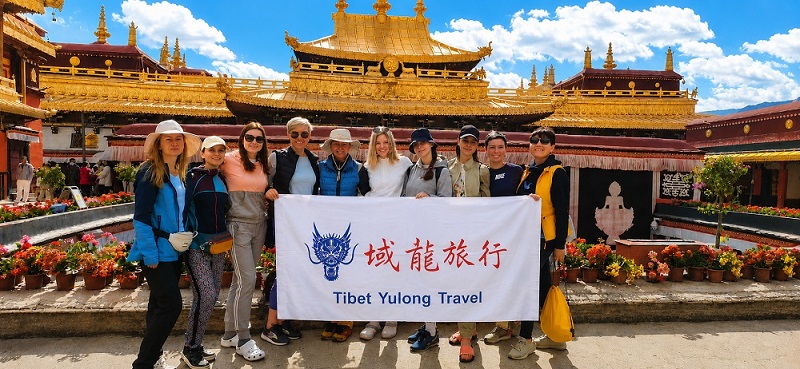
For travelers venturing outside the cities, organizing a well-planned itinerary is crucial to accessing remote areas where traditional diets remain untouched by modernization. Working with experienced local operators like Tibet Yulong Travel ensures that your journey includes stops at authentic nomadic camps and family-run eateries. They help bridge the language gap and arrange visits where you can safely taste homemade yak cheese or learn to knead tsampa directly from herders. Having knowledgeable guidance transforms a standard sightseeing trip into a deep cultural immersion, ensuring you experience the true essence of the plateau’s culinary heritage.
Adapting Your Palate to High-Altitude Cuisine
Adjusting to Tibetan food can take a little time, particularly if you are arriving from lower elevations. The diet is heavy, rich in fats, and designed to fuel bodies working hard in thin air. Digestion naturally slows down at high altitudes, so it is wise to eat smaller portions initially. Relying on the local hot beverages, like butter tea and boiled water, helps keep your stomach settled.
Vegetarians might find the options slightly limited in rural areas, but potatoes, radishes, cabbage, and noodles are widely available. Always communicate your dietary needs clearly. As your body acclimatizes, you will likely find yourself craving the very same rich, warming dishes that seemed heavy on your first day. The cuisine is not just sustenance; it is a direct reflection of human resilience and adaptation to one of the planet’s most extreme landscapes. Embracing these flavors is an integral part of any meaningful journey across the plateau.