The Kumbum Stupa is one of the most distinctive sights at Palkhor Monastery in Gyantse: a many-sided structure of chapels, images, murals, and upper levels that rewards careful looking as much as photography. Before you raise a camera, remember that the complex is an active Buddhist religious site, not simply a monument or a photo set. The most useful Palkhor Monastery Kumbum stupa photography rules are straightforward: follow posted notices and staff instructions, ask before photographing inside chapels, never use flash where it is prohibited, and avoid interrupting worship. Check current access and camera policies locally, since permissions can differ between spaces and may change. A little patience helps you make thoughtful images while leaving room for pilgrims and protecting fragile interiors.
- Check signs and ask staff before indoor photography.
- Keep flash off unless explicitly permitted.
- Give worshippers and rituals priority.
- Photograph murals and statues without touching them.
- Confirm access, fees, and restrictions on arrival.
Understanding the Kumbum and its setting
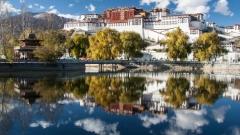
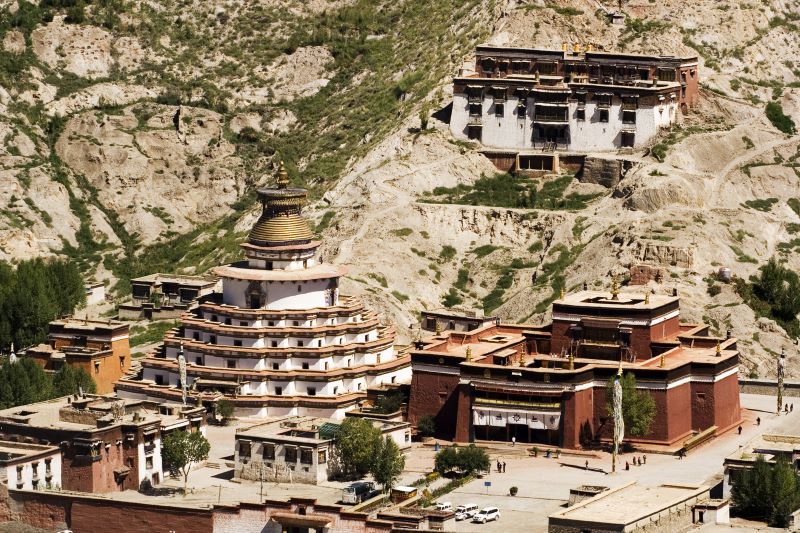
Palkhor Monastery, also known as Palcho Monastery, stands in Gyantse in the Tibet Autonomous Region. Its complex is notable for the relationship between the monastery, its historical buildings, and the Kumbum, a large chörten with a sequence of chapels. The structure is widely recognized for its layered architecture and religious art. Visitors move through its interior spaces in a different way from an ordinary open-air monument: passages can be narrow, rooms may be dim, and people may be engaged in prayer.
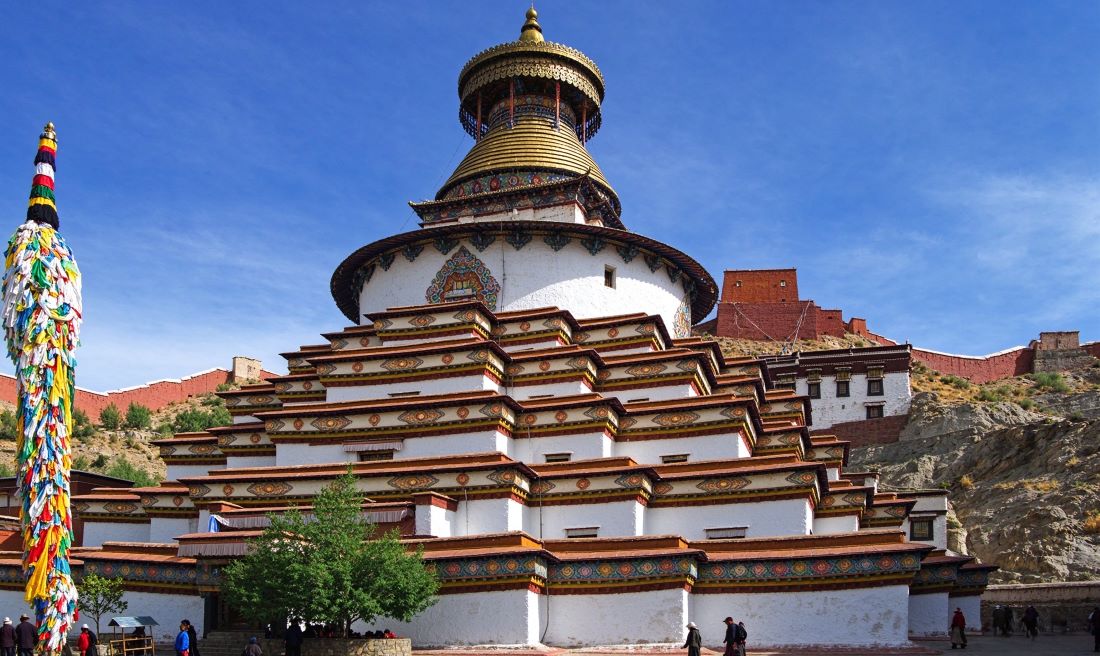
Palkhor Monastery
That context shapes the Palkhor Monastery Kumbum stupa photography rules. A camera can be useful for recording architectural details, but it can also distract people or expose vulnerable works to intense light. There is no single rule that should be assumed to apply to every room. A sign at the entrance, a restriction at an individual chapel, or an instruction from a custodian takes precedence over general advice in a travel article.
The safest approach is to treat photography as conditional. Outside, photography may be more straightforward, but visitors should still be attentive to signs, people, and any restricted areas. Inside the Kumbum, ask before taking pictures, especially when a room contains statues, painted surfaces, offerings, or worshippers. If the answer is no or unclear, put the camera away rather than trying to negotiate around the restriction.
Palkhor Monastery Kumbum stupa photography rules to follow
Read signs and ask before taking indoor photographs
Restrictions can vary by building and by interior space. Look for signs at the entrance and near chapel doors. If they are unclear, ask a staff member or attendant before taking a picture. When no one is available to ask, do not assume that a camera is allowed indoors; choose a permitted exterior view instead.
A request for permission should be brief and respectful. Point to the camera or indicate the room and ask whether photography is allowed. If permission is granted, follow any limits on flash, tripod use, or the area you may photograph. Permission to take a picture in one room does not automatically apply elsewhere in the complex.
Keep flash off unless it is clearly allowed
Flash can disrupt worship and may be unsuitable for sensitive painted or decorated surfaces. Even if you have permission to photograph, that does not necessarily include permission to use flash. Keep it disabled in religious interiors unless a responsible staff member explicitly says otherwise.
A modern phone or camera can often make a usable image without flash, but a low-light setting is not a reason to disregard a restriction. If photography is permitted, steady the camera, use a higher ISO or night mode, and take only a few frames. If the resulting image would require intrusive equipment or repeated attempts, it may be better not to take it.
Do not photograph people without consent
Pilgrims and local visitors may be praying, making offerings, or moving through the monastery as part of their religious practice. Avoid close-up portraits or images that make an individual the main subject unless they have agreed. A person’s presence in a public courtyard does not necessarily mean they are comfortable being photographed.
Ask before taking a portrait, and accept a refusal immediately. Do not follow someone to obtain a picture, block their route, or photograph a private moment from a distance with a long lens. During a ceremony or prayer, keep your attention on the event rather than trying to secure a dramatic image. If photography is not clearly welcome, leave people out of the frame.
Protect sacred objects and fragile artwork
Do not touch statues, murals, painted doors, offerings, or other religious objects to improve a composition. Never move an item, lean equipment against a wall, or step over a boundary for a closer view. The interiors are places of devotion, and their artworks can be delicate; even accidental contact can cause harm.
Keep your bag and camera strap under control in narrow passages. Avoid backing into objects while looking through a viewfinder, and do not place a tripod or camera on a ledge unless staff have specifically permitted it. If a room is crowded, wait for a clear moment or skip the photograph rather than slowing people down.
Follow instructions even if other visitors are taking pictures
A visitor who ignores a rule does not make it acceptable for everyone else. Do not infer permission from another person’s behavior, especially if you do not know whether they have a permit or special authorization. If staff ask you to stop, stop promptly, lower the camera, and follow their directions without argument.
These practical points are central to the Palkhor Monastery Kumbum stupa photography rules: permission is space-specific, worship takes priority, and a good photograph is never more important than the site or the people using it.
Where to take respectful photographs
Exterior views and the monastery grounds
The exterior of the Kumbum and wider monastery setting can offer strong architectural compositions without requiring visitors to enter a chapel. Look for a viewpoint that shows the stupa’s shape in relation to nearby roofs, walls, or the surrounding landscape. Keep entrances and walkways clear, and avoid stepping into areas marked as restricted.
Before taking a wide shot, check the edges of the frame. A photograph of a building can unintentionally include people at prayer, private conversations, or spaces where photography is discouraged. Repositioning yourself is often enough to create a cleaner image while giving visitors privacy.
The monastery sits within a lived-in town and sacred landscape, so be considerate beyond the main structure as well. Do not climb on walls, enter closed buildings, or use a drone without the required authorization. Drone rules can involve both site management and aviation restrictions; do not assume that a small device is exempt. For most visitors, ground-level photography is the simplest and most respectful option.
Architectural details from permitted areas
From places where photography is allowed, look for repeating forms, changes in light, and the way the Kumbum’s levels fit together. A detail of a doorway, a roofline, or a passage can communicate the structure’s character without requiring a close-up of a sacred image. Keep the camera at a reasonable distance from painted surfaces and do not use a zoom lens as a way to defeat a no-photography rule.
Photographs are stronger when they explain the place rather than merely collect details. Include enough surrounding architecture to show scale, or use a wider composition that gives the stupa room within the frame. If visitors are present, wait until the walkway is clear or compose around them without making anyone’s devotional activity the subject.
Interior spaces only when permitted
The Kumbum’s chapels and interior artwork may be a major reason for visiting, but interest in the art does not override local rules. Where indoor photography is prohibited, take time to observe the space without a camera. Where it is allowed, make a few quiet images and move on so other visitors can enter.
Do not use a bright screen or repeated shutter sounds in a quiet room. Silence electronic sounds if your device allows it, and dim the display when practical. Avoid panoramas or video if they require prolonged movement or block the room. A short, unobtrusive visit is preferable to a long photo session in a place of worship.
Camera and phone etiquette
A smartphone is usually the least intrusive tool for general travel photography, but it still needs thoughtful handling. Turn off flash and shutter sounds where possible, keep notifications quiet, and avoid holding the phone above people’s heads. Do not use a selfie stick in a crowded chapel or passage. A device that looks small can still disturb others when it is repeatedly raised, moved, and repositioned.
A larger camera may be appropriate in permitted outdoor areas. Inside, consider whether the equipment could obstruct movement or draw attention. Tripods, monopods, lighting, and other bulky accessories can be impractical in narrow spaces and may be restricted. Ask first rather than unfolding equipment and hoping it will be accepted.
Video deserves the same care as still photography, and sometimes more. Recording takes longer, can capture people without their knowledge, and may include sound or ritual activity. Do not record ceremonies unless the organizers or site staff clearly permit it. If permitted, remain at the designated location, avoid commentary, and stop immediately if asked.
Planning a visit and checking current access
Access arrangements, admission details, opening times, and photography policies can change. Confirm them through reliable local channels or with your guide shortly before visiting rather than relying on an old blog post or an online image caption. Check whether particular chapels are open and whether restrictions apply to cameras, phones, flash, or video.
The wider journey also needs planning. Gyantse is at high altitude, and visitors traveling to the region should allow time to acclimatize and follow appropriate health advice. Bring water and layers for changing conditions, and avoid rushing through the monastery if you feel unwell. A slower visit gives you time to notice details and respond to local guidance.
If you travel with a guide, discuss the Palkhor Monastery Kumbum stupa photography rules before entering. A knowledgeable local guide can help interpret signs, explain which areas are accessible, and advise when it is appropriate to take pictures. A guide cannot grant permission on behalf of the monastery, so official instructions and site staff remain the authority.
For visitors arranging a Tibet itinerary, Tibet Yulong Travel may be one option to ask about logistics such as transport, guiding, and current visit arrangements. Confirm exactly what is included, which permits or travel documents apply to your itinerary, and whether photography guidance is based on current site instructions. No travel company should be treated as a substitute for permission from monastery staff.
Common photography mistakes to avoid
One common mistake is assuming that a rule applies only to professional cameras. A phone camera is still a camera, and a no-photography notice should be respected regardless of device. Another is treating a no-flash rule as blanket permission to take pictures without flash. The site may restrict photography altogether, so check the specific instruction.
Avoid photographing a sign only after crossing into a restricted area. Read notices before entering, and ask when the wording or boundary is unclear. Do not photograph through a doorway or window to get around an indoor restriction. A prohibited picture does not become acceptable because it was taken from outside the room.
Do not make repeated attempts to capture an empty room if people are waiting to enter. Do not ask a worshipper to repeat an action for your camera. Do not place offerings, prayer objects, or other belongings into a more photogenic arrangement. These actions turn religious practice into a staged scene and can cause offense.
Finally, do not let photography distract you from basic visitor behavior. Keep pathways open, speak quietly, obey barriers, and follow any directions about shoes or access. If the space feels too crowded or the rules are uncertain, put the camera away and continue your visit.
A simple decision checklist
Before taking a photograph, pause and ask four questions: Is photography allowed in this exact place? Is flash or video restricted? Could someone be identifiable without consent? Will taking the picture block access or disturb worship? If you are unsure about any answer, ask staff or choose another subject.
The most dependable Palkhor Monastery Kumbum stupa photography rules are not complicated: observe local notices, seek permission indoors, avoid flash unless expressly allowed, protect art and people, and accept that some moments are for looking rather than photographing. Following that approach lets you document the architecture without treating a living monastery as a backdrop. You can still leave with meaningful images—especially from permitted exterior viewpoints—while showing consideration for the community and the sacred purpose of the site.