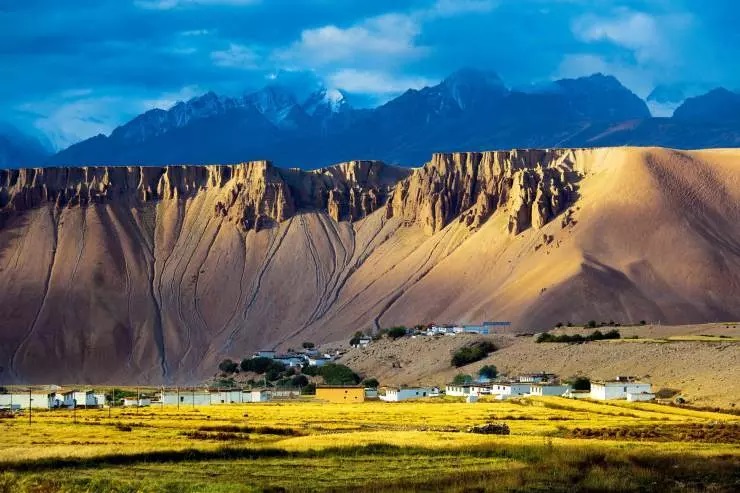
A Tibetan vacation is unlike any other journey on earth. Traveling to the roof of the world means stepping into a landscape where towering snow-capped peaks meet vast, arid plateaus, and ancient spiritual traditions shape daily life. Whether you are drawn by the golden roofs of Lhasa’s monasteries, the pristine waters of high-altitude lakes, or the sheer challenge of standing at Everest Base Camp, Tibet offers an experience that lingers long after you return home. Because of its extreme altitude and unique cultural landscape, proper preparation is essential. This guide will walk you through everything you need to know to make your trip safe, respectful, and deeply rewarding.
Key Takeaways:
- Acclimatize properly to avoid altitude sickness.
- Secure your Tibet Travel Permit before arrival.
- Respect local customs and monastery etiquette.
- Pack layers for drastic temperature shifts.
- Try authentic Tibetan cuisine during your stay.
Why a Tibetan Vacation Should Be on Your Bucket List
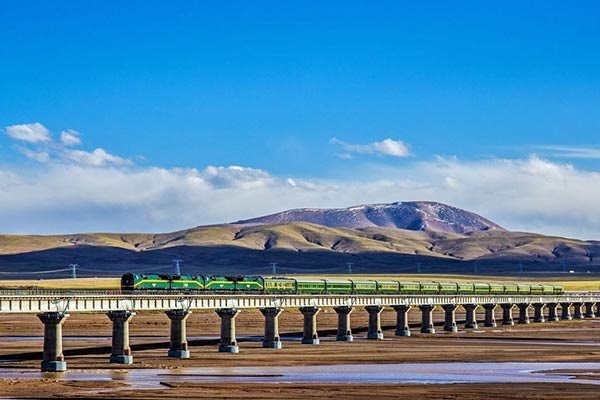
Choosing a Tibetan vacation means immersing yourself in one of the most geographically and culturally distinct regions on the planet. Sitting at an average elevation of over 4,000 meters, the Tibetan Plateau is often called the “Third Pole” due to its massive ice reserves and role as the source of Asia’s major rivers. The landscape here defies expectations. You will find deep gorges carved by the Yarlung Tsangpo River sitting just hours away from sweeping grasslands where nomadic herders tend their yaks.
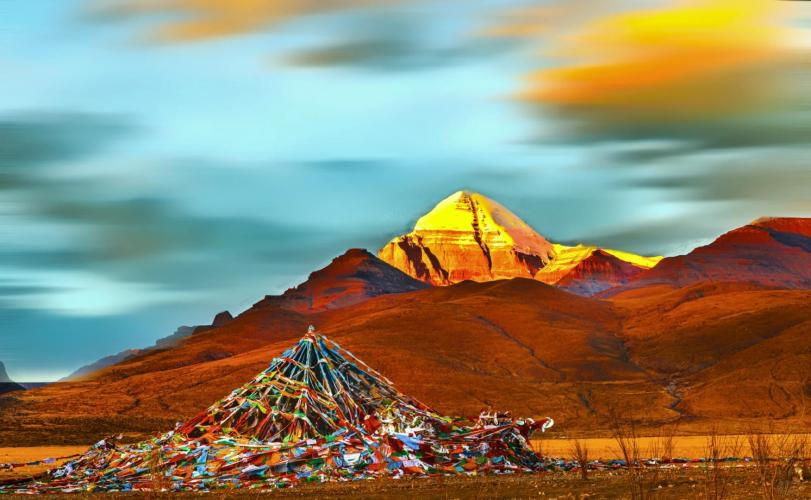
Beyond the geography, the cultural depth is staggering. Tibetan Buddhism permeates every aspect of life, from the prayer flags fluttering across mountain passes to the rhythmic chanting echoing inside centuries-old temples. For travelers seeking something beyond standard sightseeing, Tibet provides a rare opportunity to disconnect from modern noise and engage with a way of life that has remained remarkably resilient over centuries. The sense of peace found in these high valleys is something visitors frequently describe as transformative.
Essential Preparations for Your Tibetan Vacation
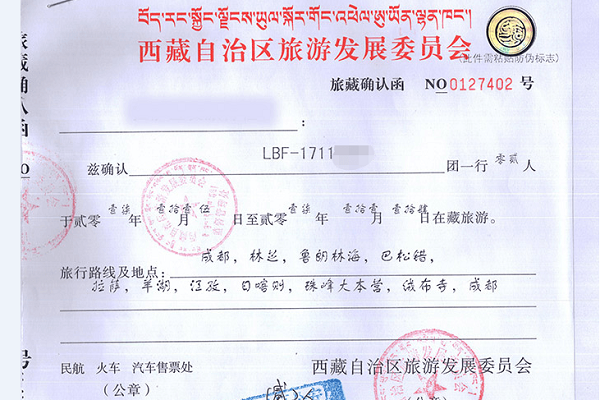
Preparing for a Tibetan vacation requires more logistical effort than a typical holiday. First and foremost, foreign travelers cannot enter Tibet independently. You must book your tour through a registered travel agency, which will apply for your Tibet Travel Permit on your behalf. This process usually takes a few weeks, so planning well in advance is crucial. Additionally, if you plan to visit restricted areas like Mount Everest or Mount Kailash, extra permits such as the Alien Travel Permit or Military Permit will be required, all handled by your agency.
Health preparation is equally important. Altitude sickness is the primary concern for anyone traveling above 3,500 meters. Symptoms can include headaches, nausea, dizziness, and shortness of breath. To mitigate these risks, consult your doctor before departure about medications like acetazolamide. Once you arrive, do not rush. Spend your first two days resting, staying hydrated, and avoiding strenuous physical activity, hot showers, and alcohol. Your body needs time to adjust to the thinner oxygen levels. Listening to your body rather than pushing through discomfort is the golden rule of high-altitude travel.
Packing correctly ensures comfort. The weather on the plateau is notoriously unpredictable. Even in summer, temperatures can plummet below freezing at night while remaining surprisingly warm under the intense midday sun. Layering is your best strategy. Bring moisture-wicking base layers, insulating fleece or down jackets, and a windproof outer shell. Sun protection is non-negotiable; the UV radiation at high altitudes is exceptionally strong. Pack high-SPF sunscreen, polarized sunglasses, and a wide-brimmed hat.
Top Destinations to Visit During a Tibetan Vacation
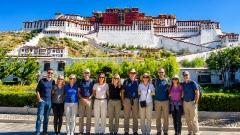
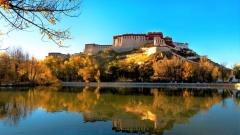
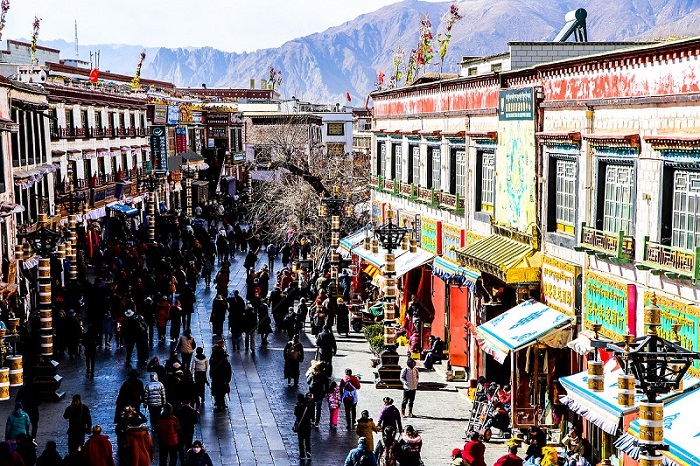
Lhasa is the heart of Tibet and the starting point for almost every traveler. The Potala Palace, perched dramatically on Marpo Ri hill, is an architectural marvel and a UNESCO World Heritage site. Walking through its labyrinthine corridors filled with murals, statues, and historical artifacts offers a profound glimpse into Tibet’s past. Just a short distance away, the Jokhang Temple serves as the spiritual center of Tibetan Buddhism. The Barkhor Street surrounding the temple is always alive with pilgrims performing kora (circumambulation) and vendors selling incense, prayer wheels, and turquoise jewelry.
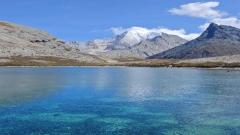
For those willing to venture further, Yamdrok Lake and Namtso Lake are absolute highlights. Yamdrok, located about two hours from Lhasa, is famous for its mesmerizing, shifting shades of turquoise blue set against stark brown mountains. Namtso, one of the highest saltwater lakes in the world, offers a more remote and rugged experience, especially stunning at sunrise when the light hits the snow-capped Nyainqentanglha range in the distance.
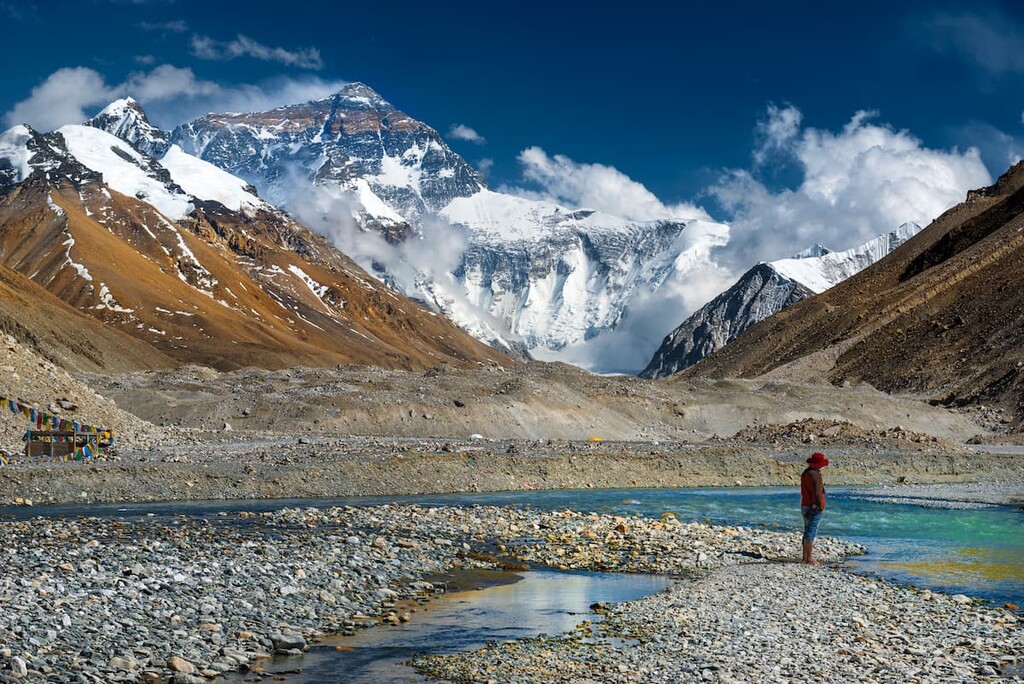
Mount Everest Base Camp remains the ultimate goal for many undertaking a Tibetan vacation. The drive from Shigatse through the winding roads of the Himalayas is an adventure in itself. Standing at Rongbuk Monastery, looking up at the north face of the world’s highest peak, is a humbling experience that puts human scale into perspective. Remember that the base camp area is strictly regulated, and overnight stays are subject to current environmental protection policies enforced by local authorities.
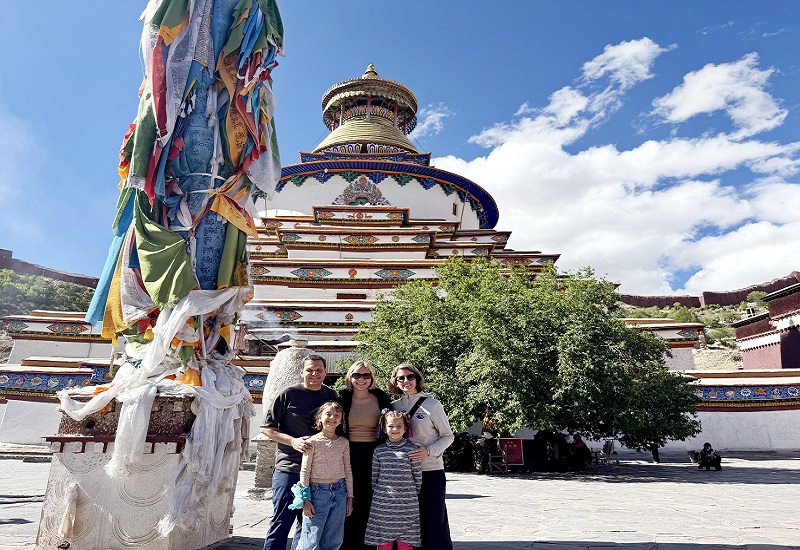
Shigatse, Tibet’s second-largest city, is another worthwhile stop. It is home to Tashilhunpo Monastery, the traditional seat of the Panchen Lama. The monastery’s giant gilded statue of the Future Buddha (Maitreya) is one of the largest of its kind in the world and a masterpiece of Tibetan metalwork.
Experiencing Tibetan Culture and Cuisine
No Tibetan vacation is complete without diving into the local culinary scene. Tibetan food is designed to provide energy and warmth in a harsh climate. Tsampa, roasted barley flour mixed with butter tea, is the staple diet of the region. While it might take some getting used to for foreign palates, trying it connects you directly to everyday Tibetan life. Butter tea itself is a fascinating drink—salty, rich, and incredibly effective at combating the dry, cold air. If you prefer something sweeter, sweet milk tea is widely available in Lhasa’s teahouses.
Yak meat is a prominent feature on menus, often served dried, in stews, or as momos (dumplings). Tibetan momos, filled with yak meat or vegetables and served with a spicy dipping sauce, are universally loved by travelers. For dining, local teahouses offer the most authentic atmosphere. Sit on wooden benches, watch locals play dice or chat, and enjoy simple, hearty meals. In larger cities like Lhasa, you will also find restaurants catering to international tastes, including Nepali and Indian cuisine, reflecting the region’s historical trade routes.
Cultural immersion goes beyond food. Attend a debate session at Sera Monastery, where monks clap their hands and stomp their feet to emphasize philosophical points. It is a dynamic, theatrical display of intellectual rigor. When visiting any religious site, dress modestly, remove your hat and sunglasses indoors, and always walk clockwise around shrines and mani stones. Ask for permission before photographing locals, particularly monks and elderly pilgrims, as respect for personal space and religious devotion is paramount.
Practical Tips for Navigating Your Tibetan Vacation
Getting around Tibet involves long drives over high mountain passes. Roads have improved significantly, but journeys between major sites still take several hours. Hiring a reliable local driver who understands the terrain and vehicle maintenance is essential. Many travelers choose to organize their trips through specialized agencies like Tibet Yulong Travel, which provide experienced drivers, knowledgeable guides, and seamless permit handling, ensuring the logistics don’t overshadow the experience.
Currency and connectivity require some forethought. The Chinese Yuan (RMB) is the official currency. While mobile payments dominate in mainland China’s cities, cash remains king in rural Tibet. ATMs are available in Lhasa and Shigatse, but once you head toward Everest or remote lakes, access to banking facilities disappears. Withdraw enough cash before leaving the capital.
Internet access is generally limited outside major towns. Wi-Fi in guesthouses can be slow or intermittent. Purchasing a local SIM card upon arrival in Lhasa is recommended for data access, though coverage in deep valleys or high passes will naturally drop off. Embrace the digital detox; the lack of constant connectivity forces you to engage fully with the landscapes and people around you.
Finally, practice responsible tourism. The Tibetan ecosystem is fragile. Waste management infrastructure is limited in remote areas, so carry out whatever trash you bring in. Stick to designated paths, avoid disturbing wildlife, and support the local economy by purchasing handicrafts directly from artisans rather than mass-produced souvenirs. A mindful approach ensures that the magic of this destination remains intact for future generations of travelers.