Stretching across the northern expanse of the Tibetan Plateau, the Qiangtang Prairie is one of the most remote and breathtaking landscapes on Earth. Known as the “Northern Plain” in Tibetan, this immense high-altitude grassland covers roughly 600,000 square kilometers, sitting at an average elevation exceeding 4,500 meters. It is a place where nature dictates the rhythm of life, untouched by heavy human development and fiercely protected by its harsh climate. For adventurous travelers, the Qiangtang Prairie offers an unparalleled opportunity to witness raw, unfiltered wilderness, encounter rare wildlife, and experience the profound silence of the roof of the world.
Before diving into the details of this extraordinary destination, here are the key points you need to know:
- Vast Scale: The Qiangtang Prairie is China’s largest nature reserve and one of the highest grasslands globally.
- Unique Wildlife: It serves as a critical habitat for Tibetan antelopes, wild yaks, and Tibetan wild donkeys.
- Extreme Climate: Weather conditions are harsh, with significant temperature drops between day and night.
- Travel Permits: Independent travel is prohibited; visitors must join organized tours with proper permits.
- Sacred Landscapes: The region features stunning salt lakes and deep spiritual significance for local nomads.
Understanding the Geography of the Qiangtang Prairie
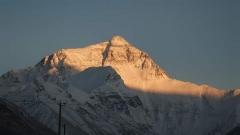
To truly appreciate the Qiangtang Prairie, one must first understand its staggering geography. Located primarily in the Nagqu and Ngari prefectures of the Tibet Autonomous Region, it extends from the Kunlun Mountains in the north to the Gangdise and Nyainqentanglha mountain ranges in the south. This massive basin is not a flat, monotonous plain but rather a complex topography of rolling hills, broad valleys, snow-capped peaks, and countless inland lakes.
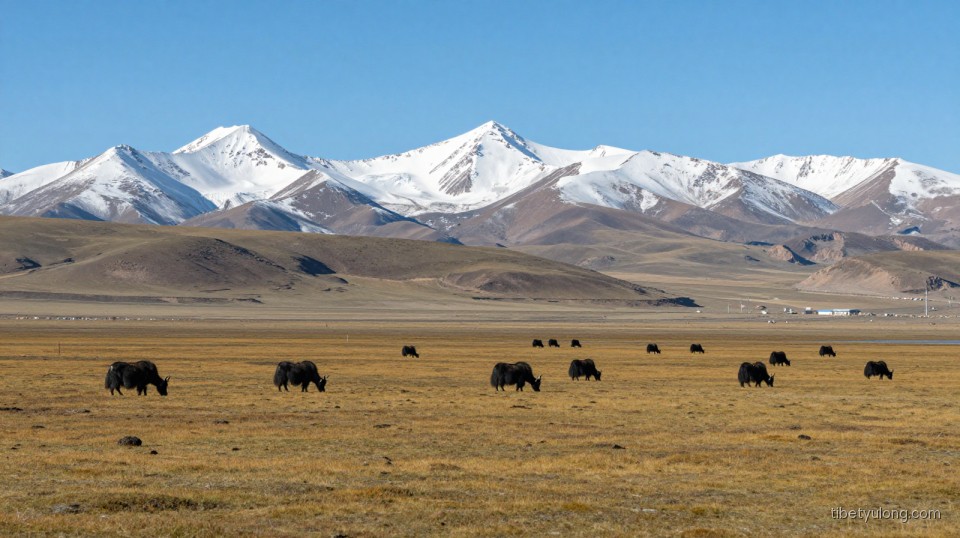
The altitude plays a defining role in shaping the environment. Sitting mostly between 4,500 and 5,000 meters above sea level, the air is thin, containing roughly half the oxygen found at sea level. Despite these challenging conditions, the landscape is far from barren. During the brief summer months, the permafrost thaws just enough to allow hardy alpine vegetation—such as needlegrass, fescue, and various cushion plants—to blanket the ground in muted greens and golds. This delicate ecosystem supports a web of life that exists nowhere else on the planet.
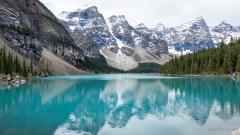
The hydrology of the Qiangtang Prairie is equally fascinating. Because the surrounding mountains prevent rivers from flowing outward to the ocean, the region acts as a closed basin. Water collects in thousands of lakes, many of which are highly saline or alkaline. These shimmering bodies of water reflect the intense blue of the Tibetan sky, creating a surreal visual contrast against the arid steppe.
Wildlife Encounters on the Qiangtang Prairie
For nature enthusiasts, the wildlife of the Qiangtang Prairie is the primary draw. In recent decades, the establishment of the Qiangtang National Nature Reserve has provided crucial protection for several endangered species, allowing their populations to recover significantly.
The most iconic resident is the Tibetan antelope, also known as the chiru. Famous for their annual mass migrations to calving grounds, these elegant animals were once severely threatened by poaching for their fine underwool. Thanks to rigorous conservation efforts, their numbers have rebounded, and spotting herds of chiru grazing or running across the open plains is a highlight for any visitor.
Alongside the antelopes, the wild yak stands as a symbol of the plateau’s rugged endurance. Unlike domesticated yaks, wild yaks are massive, solitary, or found in small groups, and they command deep respect from locals and travelers alike. The Tibetan wild donkey, or kiang, is another common sight. These sociable animals often gallop alongside vehicles in curious herds, their reddish-brown coats striking against the pale grass.
Predators also roam this territory. The Tibetan brown bear, wolves, and the elusive snow leopard patrol the fringes of the grasslands and rocky outcrops. Birdwatchers will find the region rewarding as well, with black-necked cranes, bar-headed geese, and various raptors utilizing the wetlands and lakeshores during their breeding seasons. Observing these animals requires patience and distance, ensuring that the fragile balance of the ecosystem remains undisturbed.
Climate and the Best Time to Visit the Qiangtang Prairie
Planning a trip to the Qiangtang Prairie requires careful consideration of the climate. The region experiences a typical plateau subarctic climate, characterized by long, bitterly cold winters and short, cool summers. Strong winds are a constant companion, and weather can shift rapidly from bright sunshine to sudden snow squalls, even in warmer months.
Winter, lasting from October through April, brings temperatures that routinely plummet below -30°C (-22°F). Roads become impassable due to heavy snow and frozen ground, making travel virtually impossible for tourists. Therefore, the optimal window to explore the Qiangtang Prairie is strictly limited to the summer months, specifically from June to August.
During this brief summer, daytime temperatures might reach a comfortable 10°C to 15°C (50°F to 59°F), though nighttime temperatures still hover near freezing. This period coincides with the rainy season, meaning afternoon showers are common, but it is also when the grasslands are at their greenest and the wildlife is most active. Regardless of when you visit within this window, layering clothing is essential. A windproof outer shell, thermal base layers, and sturdy waterproof footwear are non-negotiable items for your packing list.
Essential Travel Tips and Permit Requirements
Traveling to the Qiangtang Prairie is not a casual backpacking endeavor. Due to its status as a national nature reserve and its proximity to sensitive border areas, independent travel is strictly prohibited. All visitors must be part of an organized tour group accompanied by licensed guides.
Securing the necessary paperwork is the first major hurdle. Beyond the standard Tibet Travel Permit required for all foreign visitors entering the Tibet Autonomous Region, travelers heading into the Qiangtang Prairie need additional military and border permits. Reputable agencies specializing in Tibet travel, such as Tibet Yulong Travel, are invaluable in this regard. They handle the complex bureaucratic process, arrange reliable transportation equipped for rough terrain, and provide experienced drivers who know the unpaved tracks intimately. Partnering with a professional team like Tibet Yulong Travel ensures not only legal compliance but also safety in an environment where mobile phone signals are nonexistent and medical facilities are hundreds of kilometers away.
Altitude sickness is the most significant health risk. Before venturing into the high elevations of the Qiangtang Prairie, it is highly recommended to spend several days acclimatizing in Lhasa or Nagqu. Hydration, rest, and avoiding strenuous physical exertion upon arrival are critical steps. Carrying supplemental oxygen and consulting with a physician about altitude medication prior to departure are standard practices for responsible travelers.
Sacred Lakes and Cultural Significance
The landscape of the Qiangtang Prairie is dotted with lakes that hold deep spiritual significance for Tibetan Buddhists and followers of the indigenous Bon religion. While Namtso Lake sits on the southeastern edge of the region and is more accessible, deeper into the prairie lie remote waters like Siling Co and Dangra Yumco.
Siling Co has grown in recent years to become the largest lake in Tibet by surface area, fed by glacial meltwater. Its shores are desolate and hauntingly beautiful, frequented by nomadic herders who bring their flocks to graze on the surrounding pastures during summer. Dangra Yumco, located further west, is considered a sacred lake by the Bon religion. Pilgrims historically undertook arduous journeys to circumambulate its shores, seeking spiritual purification.
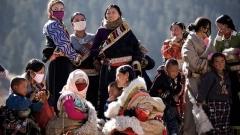
The human presence on the Qiangtang Prairie is sparse but culturally rich. Nomadic pastoralists have adapted to this extreme environment over centuries, living in yak-hair tents and relying on their herds of yaks, sheep, and goats for survival. Their traditional lifestyle is deeply intertwined with the rhythms of the grassland. Visitors passing through may occasionally see nomad camps, offering a glimpse into a resilient way of life that continues to endure despite modernization pressures elsewhere. Respecting their space, customs, and privacy is paramount.
Responsible Tourism on the Qiangtang Prairie
Because the ecosystem of the Qiangtang Prairie is incredibly fragile, responsible tourism practices are not just encouraged—they are mandatory. The slow growth rate of alpine vegetation means that tire tracks left off-road can scar the landscape for decades. Staying strictly on designated paths and following the instructions of your guide is essential to protect the soil and plant life.
Waste management is another critical concern. There are no municipal waste facilities in the deep wilderness. Everything brought into the Qiangtang Prairie must be carried out. Biodegradable does not mean harmless at these altitudes; decomposition takes significantly longer in the cold, dry air. Leave No Trace principles should govern every aspect of the journey, from disposing of food scraps to managing human waste properly using portable systems provided by your tour operator.
Furthermore, interactions with wildlife must be managed carefully. Feeding animals alters their natural foraging behaviors and can introduce diseases. Maintaining a respectful distance allows for incredible photography and observation without causing stress to the creatures that call this vast wilderness home. By traveling responsibly, visitors help ensure that the pristine beauty and ecological integrity of the Qiangtang Prairie remain intact for future generations to experience.